Is Boston Worth Visiting at Christmas?
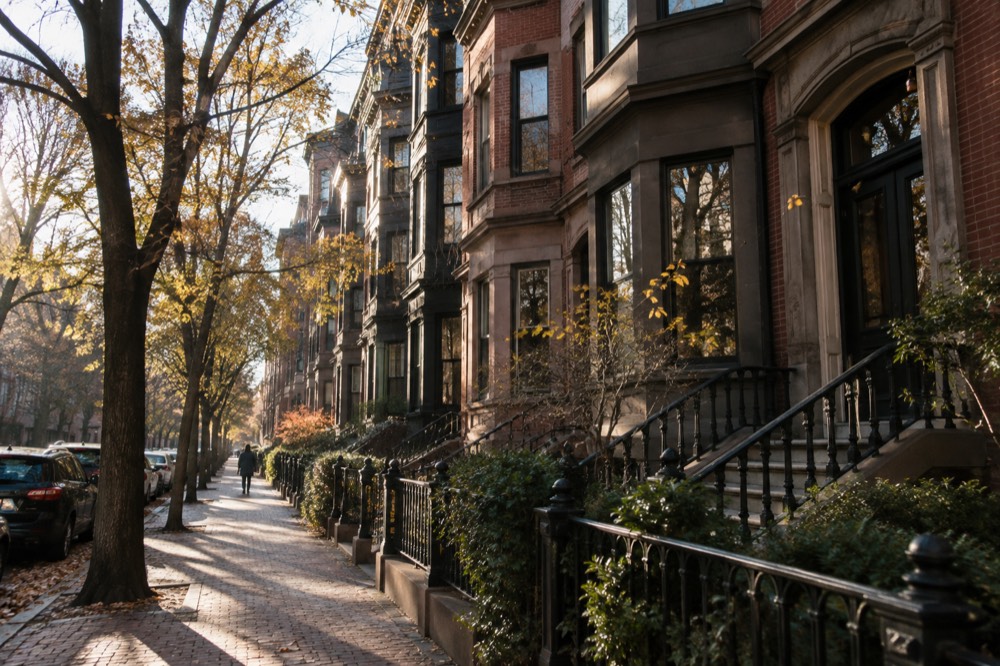
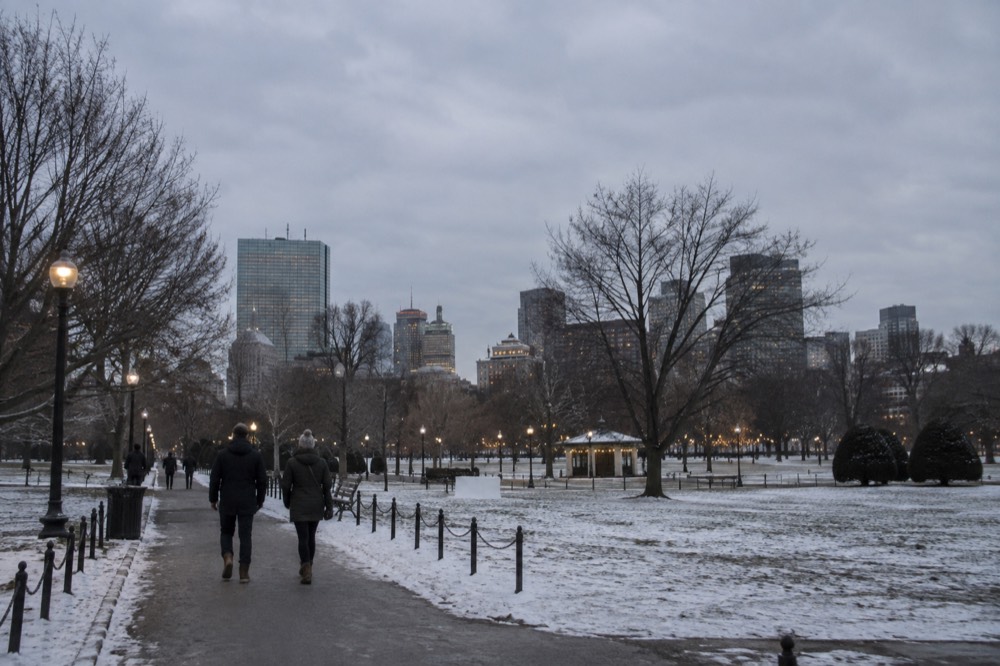
Boston can suit a Christmas-season visit for museums, history and neighborhood walks, provided you plan for weather and holiday closures.
Direct answers to what visitors actually ask: whether a CityPASS beats single tickets, how to reach downtown from Logan, which views are worth paying for, and which neighborhoods a first-timer should book near. Every figure comes from a primary source.
Boston can suit a Christmas-season visit for museums, history and neighborhood walks, provided you plan for weather and holiday closures.
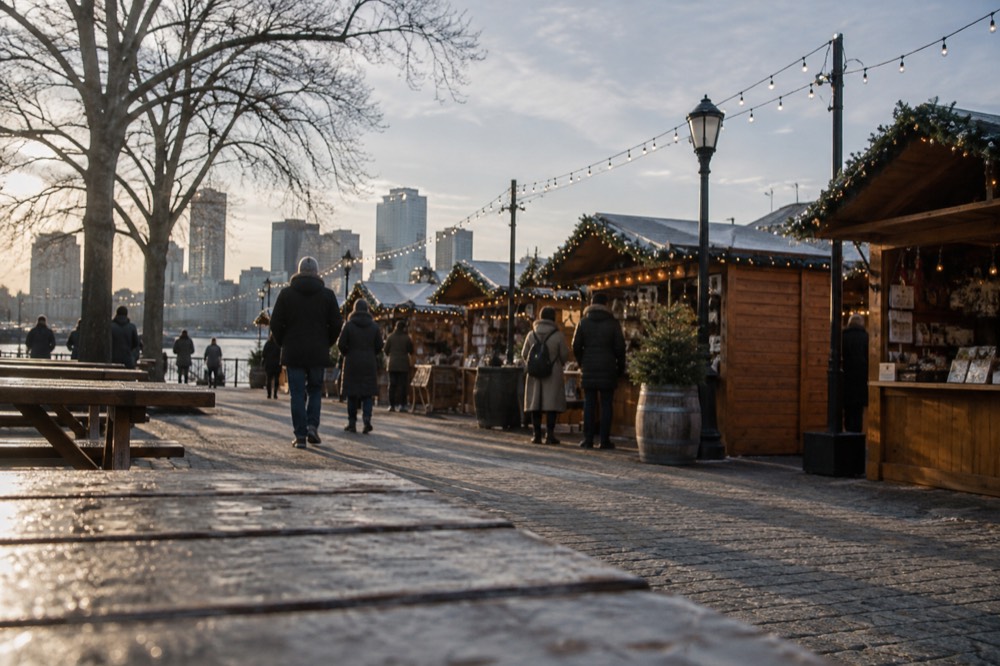
Standard Snowport market entry has been free, with food, drinks and shopping paid separately.
Some outdoor walks, restaurants and transit remain available on Thanksgiving, but check each place’s actual holiday access.
Boston averages 49.2 inches of snow per year, measured at Logan Airport over the 1991 to 2020 NOAA climate normals, and the snow is heavily concentrated: January averages 14.3 inches and February 14.4 inches, together 28.7 inches, which is 58% of the annual total in just two months.
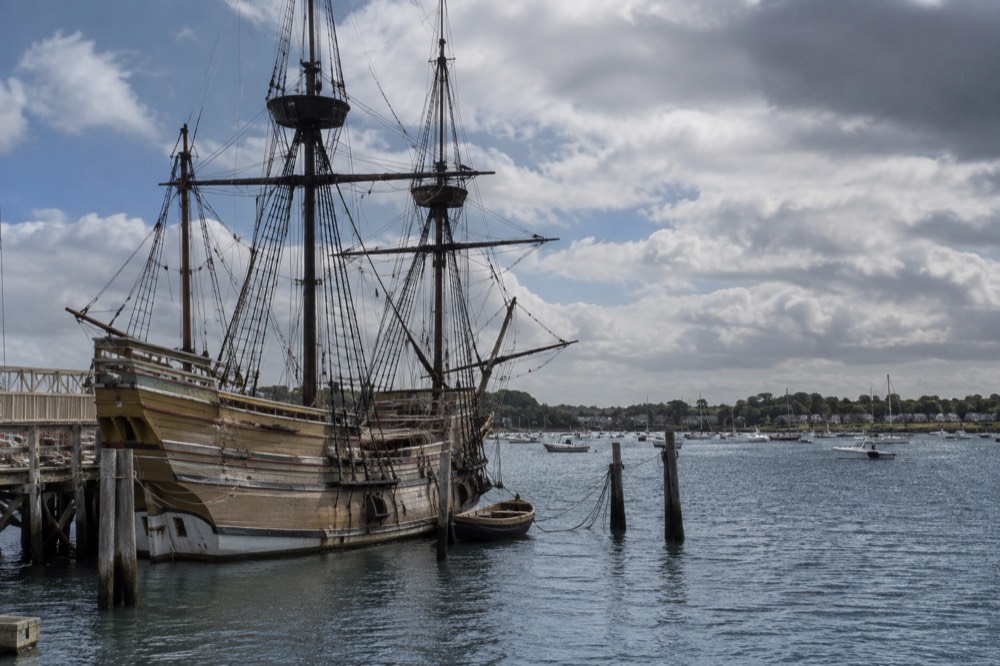
Plymouth's core attractions are clustered around its harbor and revolve around the Mayflower landing: a full-scale Mayflower replica visitors can board, a living-history museum of the early English and Wampanoag settlements, a museum explaining the whole voyage, and Plymouth Rock itself, sheltered at water's edge.
The five that earn the label most honestly are Salem, Gloucester, Provincetown, Rockport, and Plymouth.
Many attractions operate in summer, but July 4 has important exceptions: the MFA and Isabella Stewart Gardner Museum list Independence Day as a closure.
The best month to visit Boston is October, with late May and early June as the runner-up.
A three-day Boston budget needs your actual room nights, meals, transport and chosen admissions.
Boston parking costs vary by garage, duration and event date.
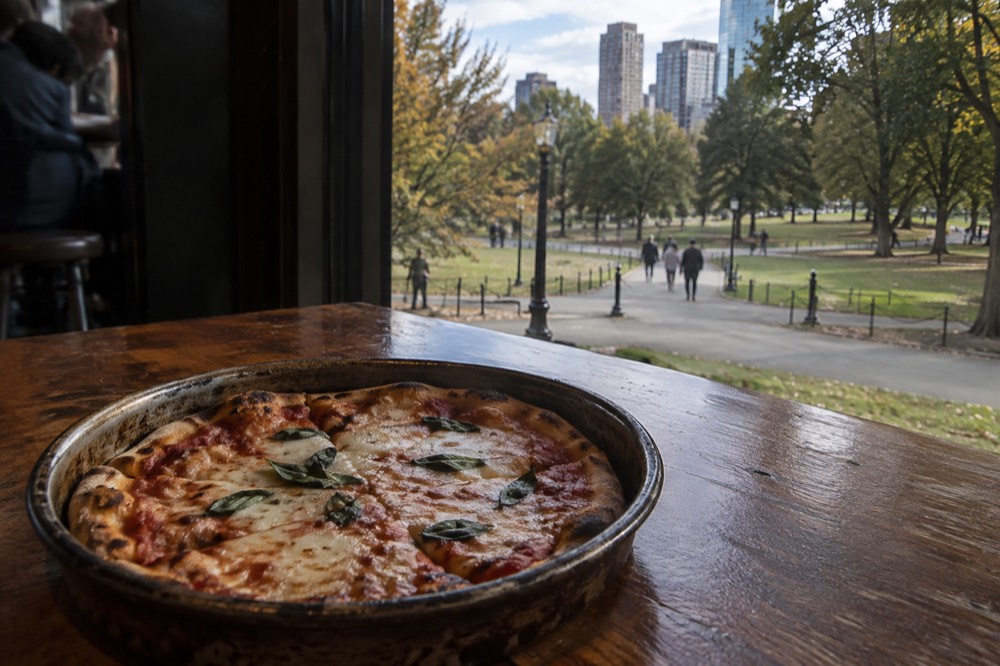
Yes, bar pizza is a Massachusetts thing, and more specifically a South Shore Massachusetts thing.
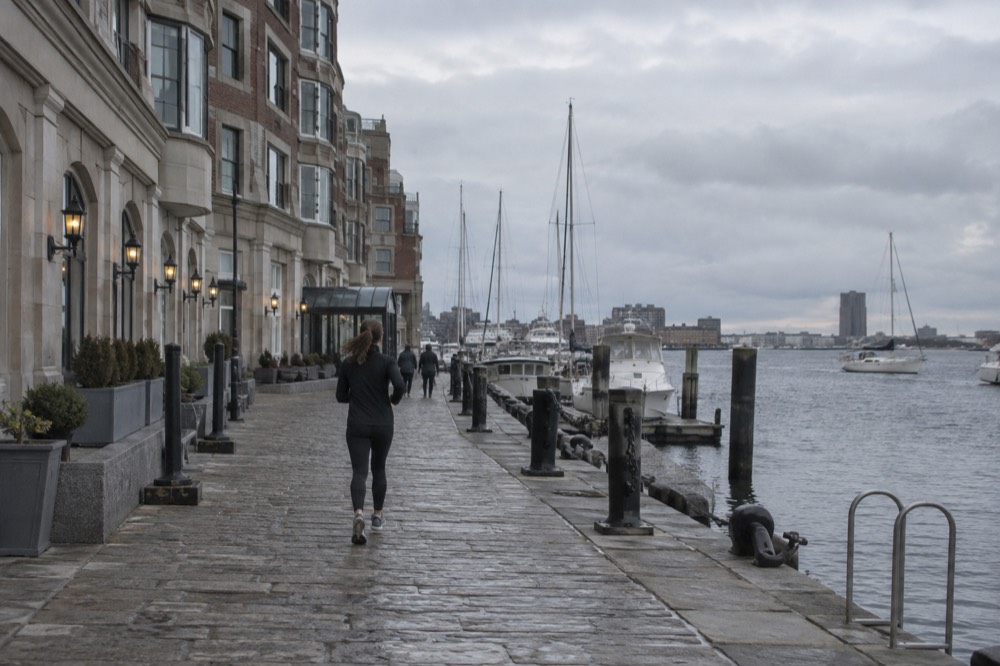
The hotel stands on Long Wharf beside the Aquarium, near the Greenway, Faneuil Hall and the Blue Line’s Aquarium station.
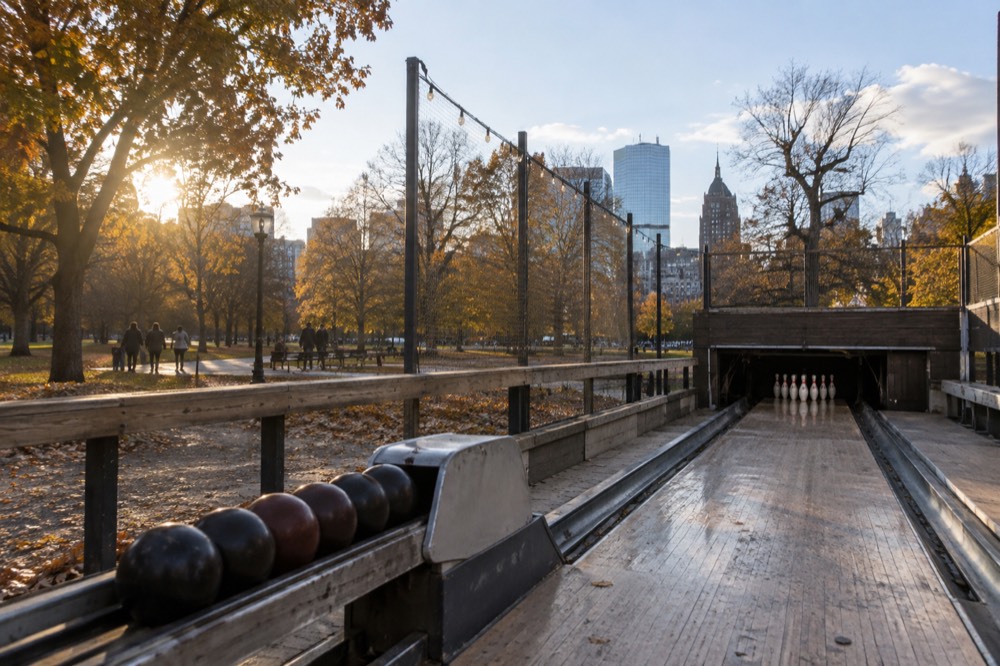
Candlepin bowling was invented in New England and remains a distinctly regional game. Here is what it is, where it came from, and where to play it in Boston.
South Boston today is a mixed-income residential peninsula where the old working-class identity survives in pockets, surrounded on the north end by one of the most aggressively redeveloped districts in the country, and the word "tough" describes its past far better than its present.
An adult ticket is $30, youths 7 to 17 pay $14, and children 6 and under enter free, per the museum's own visit page.
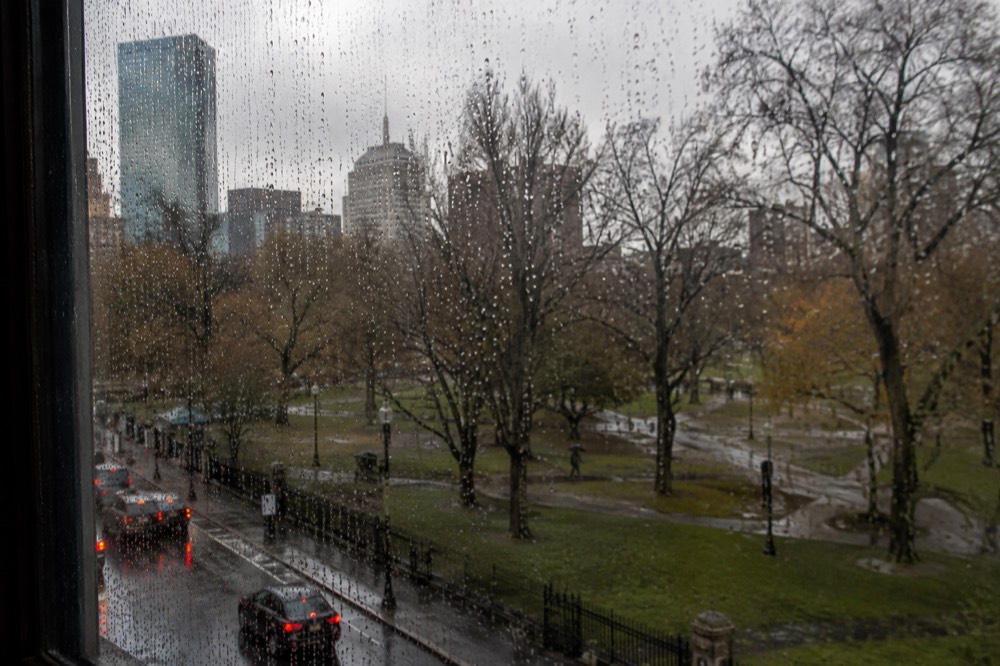
Boston has year-round museums, markets, public walks and performances, but each place has its own weekend hours and closures.
The ten sights that define a first Boston trip are the Freedom Trail, Faneuil Hall and Quincy Market, Fenway Park, Boston Common and the Public Garden, the North End, the Charlestown Navy Yard with USS Constitution, the Museum of Fine Arts, the harbor waterfront, Beacon Hill, and Harvard Yard.
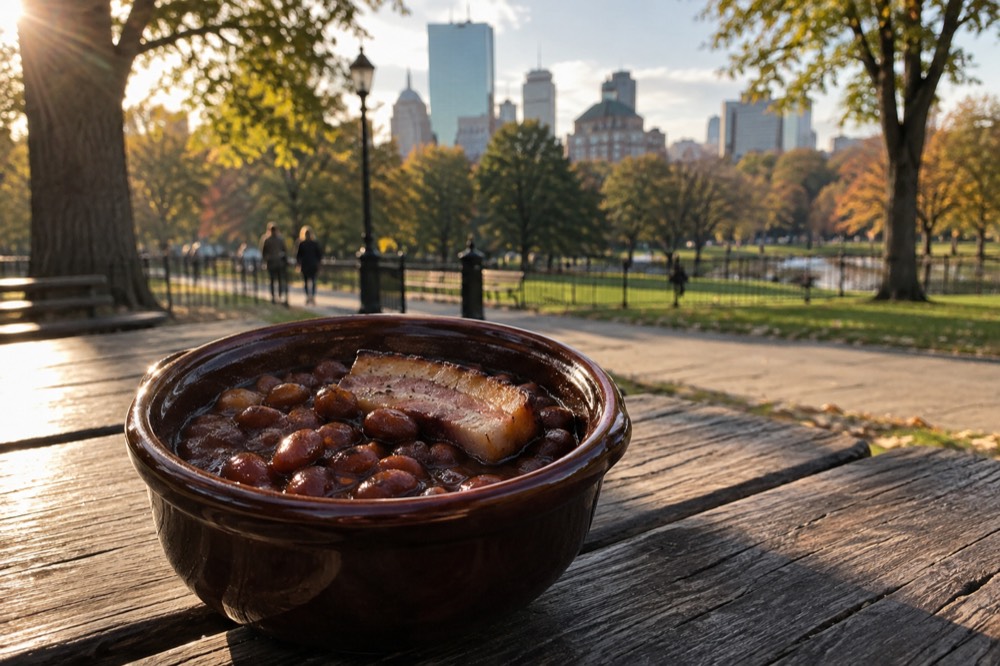
The four dishes Boston is genuinely famous for are New England clam chowder, the lobster roll, baked beans, and the cannoli, and the city also gave its name to Boston cream pie.
Boston is famous as the birthplace of the American Revolution because the events that started the war happened here: the Boston Tea Party, the Boston Massacre, and the battles of Lexington, Concord and Bunker Hill all unfolded in or around the city.
Hilton Boston Park Plaza is a large historic hotel at 50 Park Plaza, near the Public Garden, Arlington station and Theater District.
Faneuil Hall and Quincy Market are a major downtown attraction, but “biggest” depends on the measure.
The famous walk is the Freedom Trail: a 2.5-mile, red-lined walking route through Boston that links 16 historic sites, from Boston Common in the southwest to the Bunker Hill Monument in Charlestown.
There is no useful single “toughest area” label for planning a Boston visit.
Britain began taxing the American colonies directly to pay down debt from the French and Indian War, and Parliament insisted it had the right to legislate for the colonies even though the colonies elected no members of Parliament.
The Freedom Trail is a free public walking route through sixteen historic sites.
For this weekend’s events, check the actual dates on venue and organizer calendars.
The documented 2011 episode centered on neighborhood food and South Boston stories; a generic North End itinerary is not his recorded route.
Because Boston spent roughly three centuries manufacturing its own real estate.
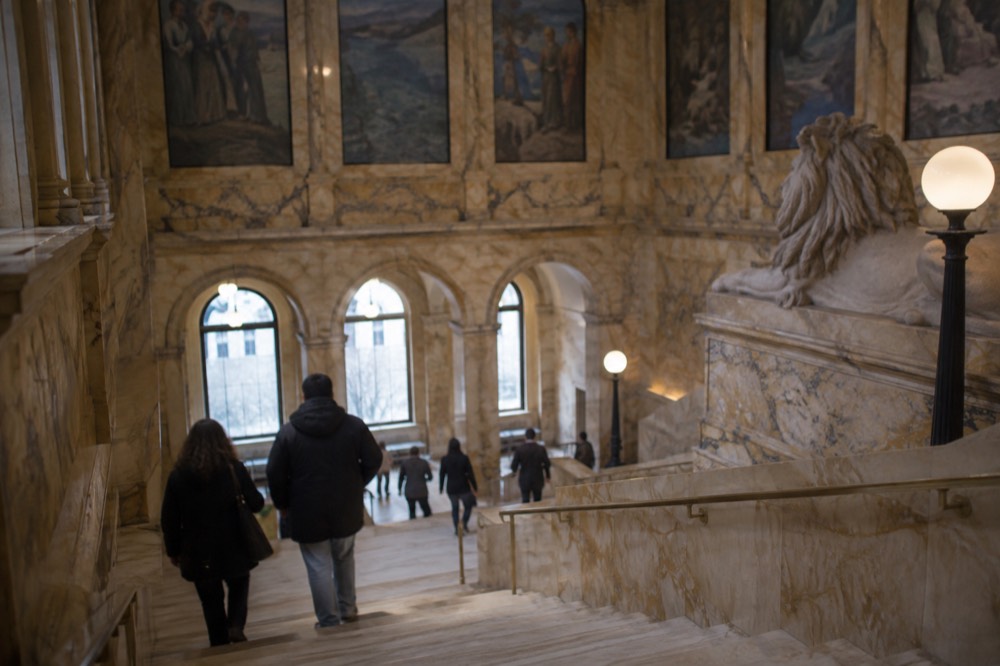
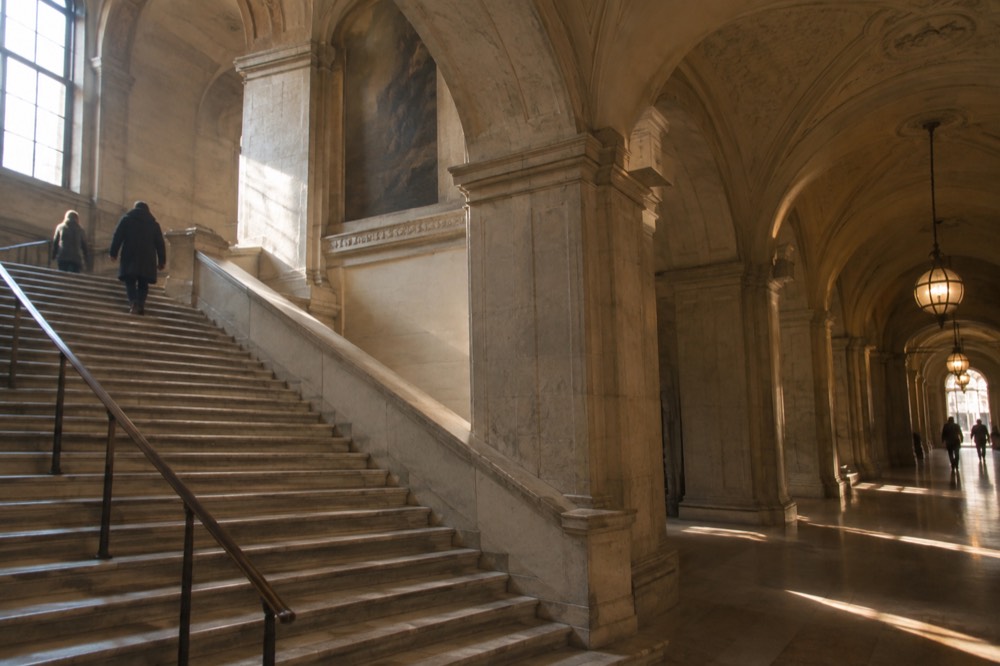
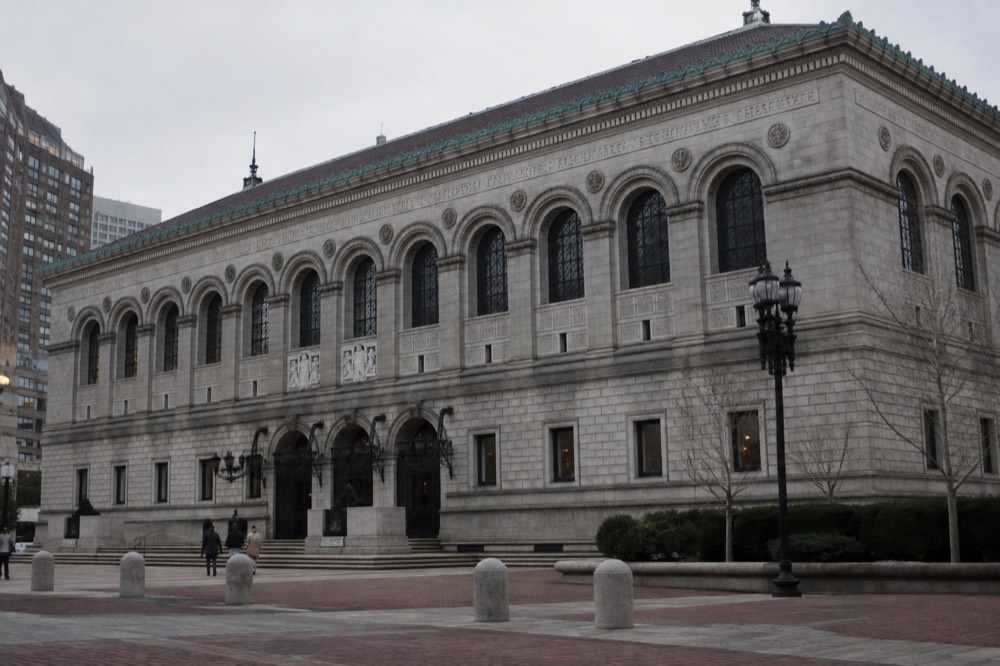
The library’s public rooms, including Bates Hall, the courtyard and exhibition areas, are normally free to visit during their opening hours.
No: 200 Clarendon, the former John Hancock tower, has no public observation-deck ticket.
Boston has designated swimming beaches, but whether you may swim depends on the actual season, posted rules and water-quality advisories.
The Aquarium's published discount is $5 off general admission, and it belongs to residents of Connecticut, Maine, Massachusetts, New Hampshire, Rhode Island and Vermont, plus New England college students with ID.
Two full days is the practical minimum for Boston, and one day works only if you accept that you are sampling rather than seeing.
Yes, for most visitors Charlestown is one of the nicest parts of Boston, and the reasons are concrete: 12 of the Freedom Trail's 16 sites charge no admission, the USS Constitution and Bunker Hill Monument are both free per the National Park Service, the Navy Yard waterfront is a public park, and the residential streets are some of the prettiest Federal-era brick architecture in the city.
Dorchester is a large, genuinely residential neighborhood rather than a tourist district, and whether it feels nice depends entirely on which square you are standing in.
Fenway is a dense, student-heavy, entertainment-driven district about a mile west of downtown, best understood as three zones: the ballpark block along Jersey Street, the museum and university corridor along the Fenway parkland, and the Kenmore Square hotel cluster at its eastern edge.
Downtown puts you within walking distance of Faneuil Hall, the start of the Freedom Trail, the Old State House, the North End's Italian restaurants and the Long Wharf waterfront, with the Seaport one Silver Line ride away and the harbor cruise docks a few blocks from most hotel doors.
General entry to the Central Library is free and does not require a library card.
Jamaica Plain offers residential streets, independent businesses and substantial park access, but conditions vary by place and time.
Adult admission is $20, seniors 65 and over pay $17, students pay $15, and everyone 18 and under enters free, along with Boston Public Schools students.
Current forecasts and alerts, not monthly averages, determine whether conditions suit today’s plans.
The most consistently fun activities in Boston are walking the 2.5-mile Freedom Trail, riding an amphibious duck boat into the Charles River, taking a narrated harbor cruise, eating through the North End, touring Fenway Park, and visiting the waterfront museums.
Salem is a real, year-round small city that happens to contain one of the most concentrated weird-history districts in America, and unlike Concord or Plymouth its signature story is not patriotic but uncomfortable: a legal mass hysteria that executed twenty people in the witch-trial year.
The top ten are the Freedom Trail, Fenway Park, Boston Common and the Public Garden, the North End, Faneuil Hall and Quincy Market, the Museum of Fine Arts, the Boston Harbor Islands, USS Constitution in Charlestown, Beacon Hill and the New England Aquarium.
The Freedom Trail is a roughly two-and-a-half-mile public route through sixteen historic sites.
New England clam chowder is a thick, milk or cream based soup of clams, salt pork, potatoes and onions, and Massachusetts treats it as the definitive version of the dish, to the point that a tomato based chowder is treated as a rival from another region entirely.
The conversation heart, the small stamped candy with a printed message, is a Boston invention, created by the New England Confectionery Company, and it remains the single candy most identified with the city.
A good one-day Boston itinerary combines downtown Freedom Trail stops in the morning, one afternoon activity and a North End meal.
Boston is famous as the place where the American Revolution physically started: the Boston Tea Party was thrown here, the first shots of the war flew at Lexington and Concord nearby, and the Freedom Trail now links 16 Revolutionary sites across 2.5 miles of downtown and Charlestown.
Boston's best free attraction is the Freedom Trail, the 2.5-mile red-lined walking route that links 16 historic sites across downtown Boston and Charlestown, and 12 of those 16 sites charge no admission at all.
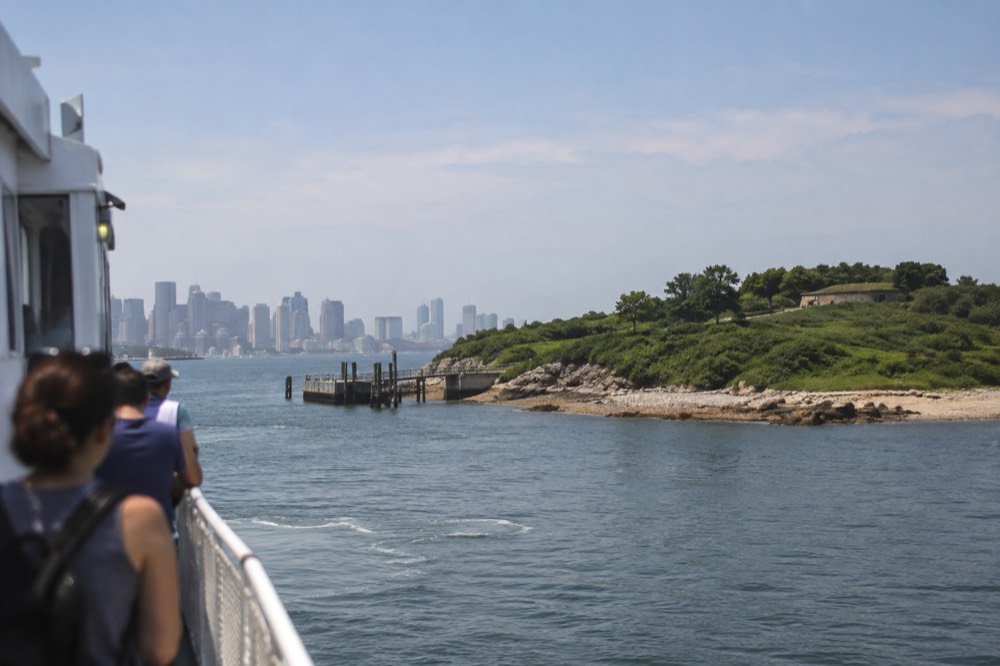
The Boston Harbor Islands offer fort history, trails and shoreline views, with access differing by island or peninsula.
Massachusetts is most famous for Revolutionary War history concentrated in Boston and the surrounding towns, for Cape Cod and its summer coastal culture, for whale watching off Stellwagen Bank, and for a distinctive food tradition of clam chowder, lobster rolls, and baked beans.
There is a documented answer: in his2014AMA, Damon named his mother’s house and then suggested Legal Sea Foods for readers.
The Freedom Trail delivers more of Boston per hour and per dollar than anything else in the city: 16 sites spanning, in the Foundation's own phrasing, over 250 years of history, laid out along a 2.5-mile painted line that requires no car, no ticket bundle, and no guide to follow.
There is documented reporting: Boston.com’s November 2014article names La Morra’s bolognese and includes an interview with the restaurant’s co-owner.
Three days is enough to see Boston's core without rushing, provided you group sights by neighborhood instead of zigzagging across the city.
Split the city geographically, not by theme: give Day One to the Freedom Trail and the downtown core, from Boston Common to the North End, and give Day Two to the waterfront and one flagship attraction, either the Museum of Science, the New England Aquarium or a harbor cruise.
Boston has precipitation throughout the year, but the state’s conditions vary by location and season.
You can walk in without a ticket, wander the Bates Hall reading room, sit in the interior courtyard, browse free exhibitions drawn from the library's collections, and use the public spaces during opening hours, subject to room access and library rules.
The Swan Boats are closed until April 2027, the Harbor Islands ferry stops running on 12 October 2026, and Symphony station on the Green Line E branch has been closed since early June with closure scheduled through spring 2029.
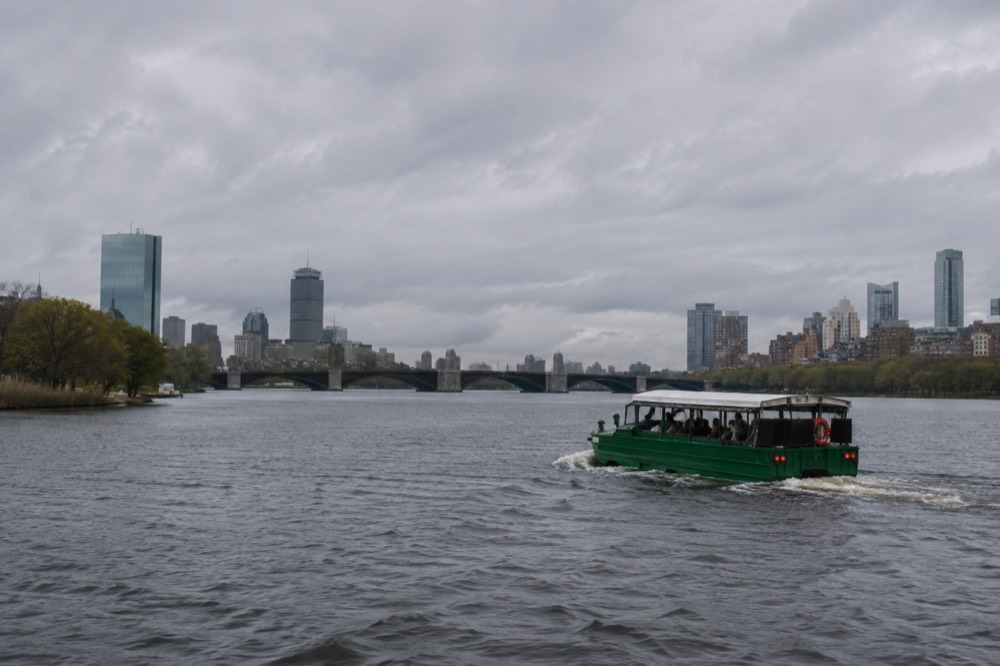
The coolest thing to do in Boston is the amphibious duck boat tour: an amphibious vehicle that drives past the State House and Beacon Hill, then drives itself down a ramp and floats on the Charles River between the Boston and Cambridge skylines.
Molasses gives Boston baked beans their characteristic flavor, but it does not rule out brown sugar.
Boston is a strong Massachusetts base for travelers who want walkable history, museums, food and public transport.
Avoid a particular hotel when its actual address and daily journeys do not suit your trip, rather than excluding whole neighborhoods.
Start at Boston Common and follow the Freedom Trail through downtown and the North End; continue across to Charlestown if time and energy allow.
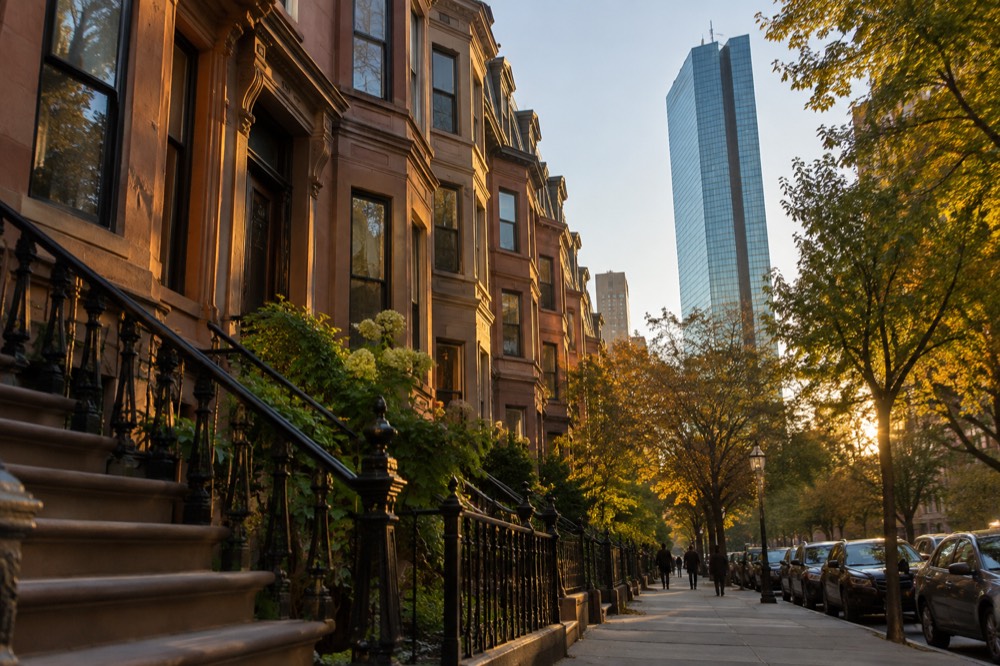
For a first visit, Back Bay and the downtown core around the Waterfront are the two best bases, and Back Bay edges it for most people.