What Is Boston Most Famous For?
Boston is famous as the place where the American Revolution physically started: the Boston Tea Party was thrown here, the first shots of the war flew at Lexington and Concord nearby, and the Freedom Trail now links 16 Revolutionary sites across 2.5 miles of downtown and Charlestown.
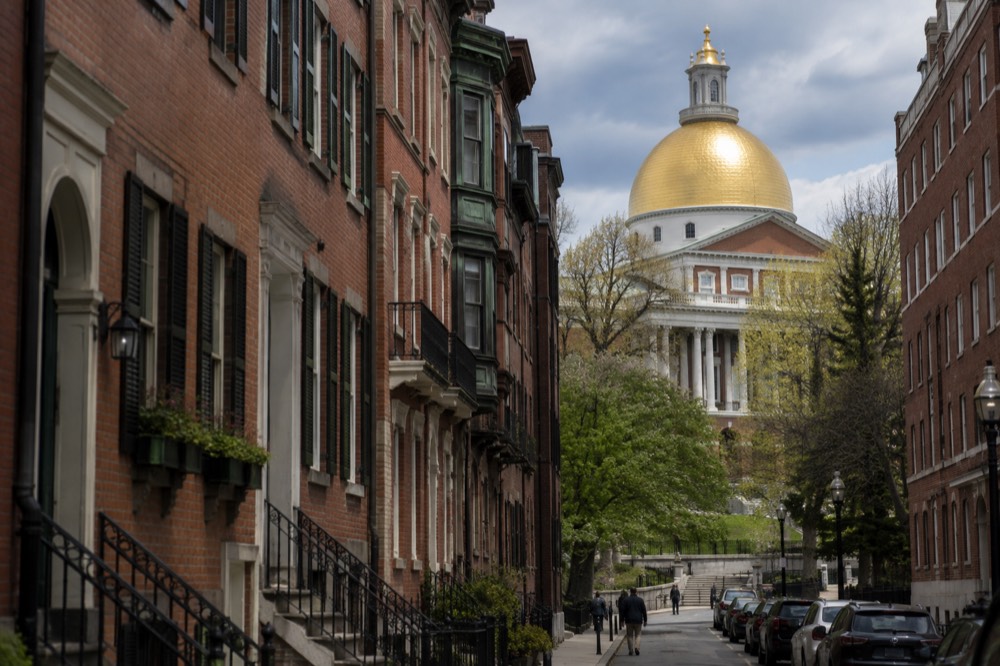
Boston is famous for being the city where the American Revolution began, and it has spent 250 years building a skyline around that fact. The Freedom Trail Foundation counts 16 historically significant sites along a 2.5-mile red-lined route through the center of town, and the National Park Service operates several of them directly. Around that core sits everything else the city is known for: the oldest ballpark in Major League Baseball, a harbor that once got a political protest named after it, a soup that New England guards jealously, and two of the most famous universities on earth just across the river. This page takes each claim to fame in turn and says what it means for someone actually planning a visit. For a broader sweep of the city's highlights, start with things to do across Boston.
Want context for Boston’s Revolutionary landmarks? Explore the downtown Freedom Trail walk, or choose the museum, sports or food experience that matters most to your visit. Check Freedom Trail walk dates
Why Is Boston Called The Cradle Of The Revolution?
Boston is famous as the place where the American Revolution physically started: the Boston Tea Party was thrown here, the first shots of the war flew at Lexington and Concord nearby, and the Freedom Trail now links 16 Revolutionary sites across 2.5 miles of downtown and Charlestown. Only 4 of those 16 sites charge admission, and the USS Constitution and Bunker Hill Monument, two of the most famous, are both free.
The Freedom Trail Foundation describes its route as covering over 250 years of history, and the red brick or painted line that connects the sites is the single most recognizable walking route in the city, the one most visitors mean when they ask about the famous walk around Boston. The Foundation's own visit page, thefreedomtrail.org, publishes the 2.5-mile length and the 16-site count. You can follow it on your own without paying anyone anything, or you can take a guided version. The Freedom Trail History Small Group Walking Tour runs 2 hours 30 minutes, is rated 4.9 from 7,835 reviews on its listing, and starts at $39 per person.
To follow the red line with a guide, book a Freedom Trail walking tour here.
The four sites that do charge, with prices from the National Park Service's own hours-and-fees page for Boston National Historical Park, are worth knowing in advance because most lists get them wrong:
| Trail admission choice | What to compare |
|---|---|
| Public trail walk | Free independent route |
| Old State House and Old South Meeting House | $18 combined adult admission; age and eligibility discounts |
| Paul Revere House | Separate house admission |
| Old North Church | General admission versus additional guided option |
| Ship, monument and public hall | Free when open; security, hours and capacity still apply |
Everything else on the trail, including Faneuil Hall, the Charlestown Navy Yard and the USS Constitution itself, is free to enter, per the National Park Service's hours and fees page. The USS Constitution Museum beside the ship runs on pay-what-you-wish admission rather than a fixed ticket. If the whole Revolutionary story is the reason you are coming, the practical read is that Boston's most famous historical attraction is mostly free, and the paid pieces are cheap.
Want the story behind the red line? Explore the guided downtown route. It ends in the North End, while the free public trail continues into Charlestown. Check Freedom Trail walk dates
What Food Is Boston Famous For?
Boston is famous for clam chowder, lobster rolls, baked beans and North End Italian food, and the city's nickname of Beantown comes from a colonial-era dish of beans slow-baked in molasses. New England clam chowder is the signature: a cream-based soup the region defends against the tomato version, and Boston restaurants serve it year-round, not as a seasonal novelty.
The North End is the food neighborhood people picture when they picture Boston eating: a compact Italian district where pastry shops sell cannoli by the box and the pizza slices have their own following. The North End Pizza Walking Tour with 3 slices and a cannoli runs about 2 hours 30 minutes from $89, and the longer Boston's Food and History walk, covering the North End, Freedom Trail and Beacon Hill over 5 hours, starts at $91 and is rated 4.9 from 1,888 reviews. For the fuller picture of what the city cooks, Boston's food specialties cover chowder, beans, oysters and the roast beef sandwich question in one place, and if you want the single dish to plan a meal around, the must-eat question has a short answer.
A quick map of the famous foods and where they concentrate:
| Famous Boston food | Where to eat it | What to expect |
|---|---|---|
| Clam chowder | Waterfront and downtown restaurants | Cream-based, served with oyster crackers |
| Lobster roll | Seafood shacks and markets | Chilled with mayo or warm with butter, both defended fiercely |
| Cannoli | North End pastry shops | Filled to order, sold by the box |
| Baked beans | Traditional menus | The origin of the Beantown nickname, molasses-sweetened |
Baked beans remain available on traditional menus. Their molasses history should not be confused with the 1919 Great Molasses Flood, which did not end Boston’s colonial-era trade. For visitors, current menu availability is more useful than assumptions about how often all locals eat the dish.
Check the North End walk’s current tastings and dietary arrangements before booking. The Italian food route is not a ticket for every Boston specialty, and baked beans are not promised. Check North End food walk dates
Which Boston Landmarks Do People Recognize On Sight?
Recognizable Boston sights include Fenway’s Green Monster, the Massachusetts State House dome, Faneuil Hall, Paul Revere House and the Zakim Bridge. They are not all within a twenty-minute walk of each other: Fenway is well outside the downtown cluster. Group visits geographically and allow actual travel time.
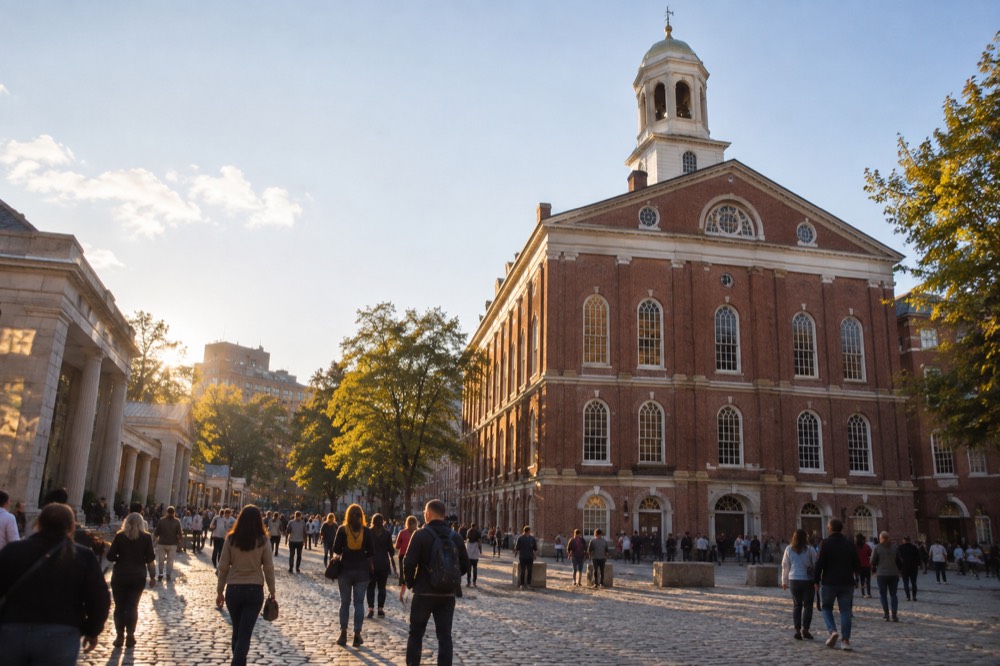
Faneuil Hall and Quincy Market together form one of the most visited spots in the city, a marketplace complex that doubles as a Freedom Trail site. Quincy Market's food colonnade is where most first-time visitors end up eating at least once, and the whole complex sits at the head of the Rose Kennedy Greenway, the parkland built over the highway tunnel that used to cut the city off from its own waterfront. More of these guides are collected on Boston Travel Guide.
The duck boats deserve their own mention because they have become a Boston icon in their own right. The Boston Duck Boat Sightseeing City Tour with Cruise drives past the State House and Bunker Hill in an amphibious vehicle, then rolls straight into the Charles River for the skyline view from the water. It runs 1 hour 20 minutes, starts at $62 per person, and carries a 4.6 rating from 10,003 reviews on its listing, which makes it the most-reviewed sightseeing product in the city.
One seasonal note that most guides miss: the Swan Boats in the Public Garden, another postcard-famous Boston sight, are closed for the season. Their own site states it plainly, closed until April 2027. Any page telling you to ride them this autumn or winter is working from an old calendar.
Want to see streets and the Charles River in one outing? Explore the Duck Tour’s route and departure points. It does not include entry to the landmarks it passes. Check Duck Tour dates
What Is Boston Famous For In Sports?
Boston is famous for the Red Sox at Fenway Park, the oldest ballpark in Major League Baseball, plus the Celtics and Bruins at TD Garden and the Boston Marathon, the world's oldest annual marathon, run every April. Fenway's Green Monster left-field wall is the single most famous piece of sports architecture in New England, and ballpark tours run daily year-round.
The Red Sox tours page lists a standard 60-minute Ballpark Tour at $30 for adults and $21 for children 3 to 12, with longer options including a 75-minute 8 AM Field Level Tour at $75 that walks the warning track, and a 15-minute short tour from Gate B at $20. On game days a Pregame Tour offers early access three hours before first pitch. The bookable Fenway Park guided tour products on this site start at $20 per person, and the one-hour historic version carries a 4.7 rating from 3,311 reviews.
The Celtics and Bruins play at TD Garden, and the Sports Museum inside the arena is bookable as a one-hour tour from $30. Game tickets themselves are not something this site sells: for the game-day experience, the Red Sox game guide crowd is better served by the dedicated planning pages. The Boston Marathon, meanwhile, is a citywide event every Patriots' Day weekend, and watching it is free.
What Is Boston Famous For In Universities And Ideas?
Boston is famous for Harvard and MIT, two of the most recognized universities in the world, and for the broader concentration of colleges that makes the metro area one of the largest student populations in the country. Harvard is the oldest university in the United States, and its Yard sits in Cambridge, which is a separate city across the Charles River, not a Boston neighborhood, a distinction locals will correct quickly.
Cambridge and Somerville are separate cities; Brookline is a town. Harvard’s paid student-led walk covers its campus, while independent exploring and the university’s official free historical tours, when available and reserved, offer alternatives. MIT is a separate visit farther along the Red Line, and its museum is not included.
The student presence shapes the city well beyond the campuses: it is why Boston has an unusually young weekday population, an intense coffee scene, and a theater and live-music calendar out of proportion to the city's size. It is also why September feels like a second New Year here, with tens of thousands of arriving students.
Curious about Harvard through a student’s perspective? Explore the campus walk in Cambridge. It does not include an MIT tour or museum admissions. Check Harvard walk dates
How Many Days Do You Need For Boston's Famous Sights?
Most visitors need three to four days to cover Boston's famous sights without rushing: one day for the Freedom Trail and downtown, one for the waterfront and a harbor or whale watching trip, one for Fenway and the Back Bay, and a fourth for Cambridge or a day trip to Salem. The city is compact and walkable, and the MBTA covers the gaps, with a 1-Day pass at $11.00 and a 7-Day pass at $22.50.
The MBTA fare table shows a subway ride at $2.40 and local bus at $1.70, and since 1 September 2026 the system runs an unlimited-transfer pilot: you can transfer between subway, bus and ferry as many times as you like within a two-hour window and pay only the highest-priced leg, provided you use the same payment method throughout. One pass quirk worth knowing before you buy: a 1-Day or 7-Day pass on a CharlieTicket starts at the moment of purchase, while the same pass on a CharlieCard starts at first use, which can be most of a day of difference if you buy on arrival evening.
For timing the trip, the best month question has a weather-based answer, and NOAA's normals for the city show why there is no rainy season to plan around: every month of the year lands between 3.21 and 4.30 inches of precipitation. Boston gets 49.2 inches of snow annually, 58% of it in January and February, so winter visits trade crowds for serious cold.
Check the harbor cruise schedule before assigning it a day in your itinerary. This one-hour narrated trip stays on Boston Harbor; it is separate from whale watching. Check harbor cruise departure times
Common Questions About What Boston Is Famous For
What is Boston most famous for?
Boston is most famous for Revolutionary history and the Freedom Trail, Fenway Park and the Red Sox, New England clam chowder and lobster rolls, its harbor, and Harvard and MIT across the river in Cambridge. For most first-time visitors the Freedom Trail and Fenway Park are the two headline experiences, and both are easy to reach on foot or by subway from downtown.
Is Boston famous for the Boston Tea Party?
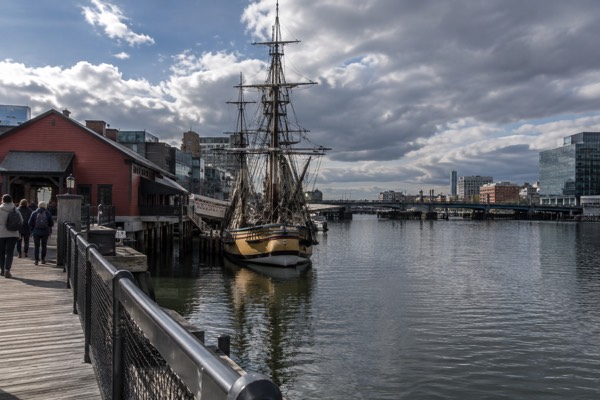
Yes. The protest against British taxation, in which colonists dumped tea chests into the harbor, is one of the city's defining claims to fame, and the Boston Tea Party Ships and Museum now recreates it on the Fort Point Channel. Admission products start at $36 per person and the museum is rated 4.7 from 2,908 reviews on its listing.
Want to take part in a recreation of the Tea Party? Explore the guided museum and replica-ship experience. Check in early for your time slot; Thanksgiving and Christmas Day are closed. Check Tea Party museum entry times
Why is Boston called Beantown?
The nickname comes from colonial-era baked beans, slow-cooked in molasses, a dish tied to the city's old molasses trade. It is a heritage nickname rather than a daily menu item today, but it stuck, and the name appears across the city's branding and souvenir stands.
Is Harvard actually in Boston?
Harvard’s main campus is in Cambridge, a separate city across the river. Somerville is also a city and Brookline a town. The Red Line connects Harvard Square with downtown; allow time for waiting and the walk to your campus meeting point.
What is the single most famous thing to see in Boston?
The Freedom Trail is the most famous single experience, a 2.5-mile red-lined route past 16 Revolutionary sites, 12 of which are free to enter. If you want one building instead of a route, Fenway Park is the city's most recognizable landmark and offers daily tours. The [biggest attraction question](/answers/what-is-the-biggest-attraction-in-boston/) goes deeper on the comparison.
How walkable is famous Boston?
The downtown historic core is walkable, but Back Bay, the North End and waterfront destinations are not universally within thirty minutes of each other. Map the actual endpoints and compare transit rides with a pass rather than buying one automatically.
Book Your Boston Highlight
These options do not match your choice. Adjust the selection or reset to explore the starting recommendation.
Compare Your Boston Highlights Totals
Reader-entered estimates in USD, not live quotes. Use the same dates and travelers for both options. Include all relevant tickets, rooms, taxes, mandatory fees and transport for the entire trip once in each total. Do not add a transfer twice if your rate already includes it.
Freedom Trail Small-Group Walk
A guided walk exploring the Revolutionary history along the Freedom Trail. The trail can also be walked independently. Review the meeting point and route before booking.
A starting option to explore. Choose dates, travelers and the exact booking option with the provider; availability and eligibility are confirmed there.
Check Freedom Trail walk dates