What Is A Must Eat In Boston?
The four dishes Boston is genuinely famous for are New England clam chowder, the lobster roll, baked beans, and the cannoli, and the city also gave its name to Boston cream pie.
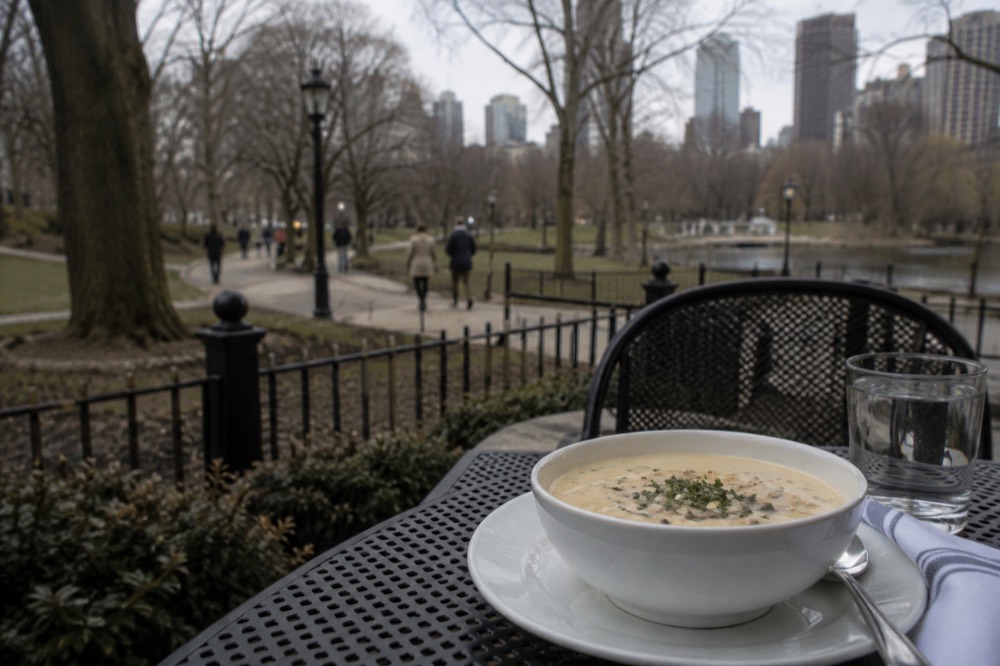
If a waiter in Boston could bring you only one dish before your flight home, most people who know this city would ask for a cup of New England clam chowder, with a buttered lobster roll as the runner-up. That pairing is the honest answer to the food question visitors ask most, and it is not a tourist trap: both dishes come out of a working fishing industry that still lands catch at the historic Boston Fish Pier. The question of where to eat them, and what to order around them, is where a little planning pays off, and that is what this page covers.
Want the seafood story alongside the tastings? Explore the Seaport Fish Pier walk. Choose a North End option for Italian food instead, and confirm dietary suitability before booking. Check Seaport seafood walk dates
What Food Is Boston Most Famous For?
The four dishes Boston is genuinely famous for are New England clam chowder, the lobster roll, baked beans, and the cannoli, and the city also gave its name to Boston cream pie. Clam chowder is the one to prioritize, because Boston versions are made with local clams and cream rather than the tomato base other regions use, and the lobster roll is the splurge dish most visitors remember. Baked beans and cannoli are the supporting cast, cheap and easy to find.
Creamy New England chowder is common, but recipes, quality and ingredients differ. Neither the city nor the presence of a working Fish Pier guarantees that every restaurant uses locally caught clams. Check the menu and disclose relevant allergies; other chowder styles can also appear.
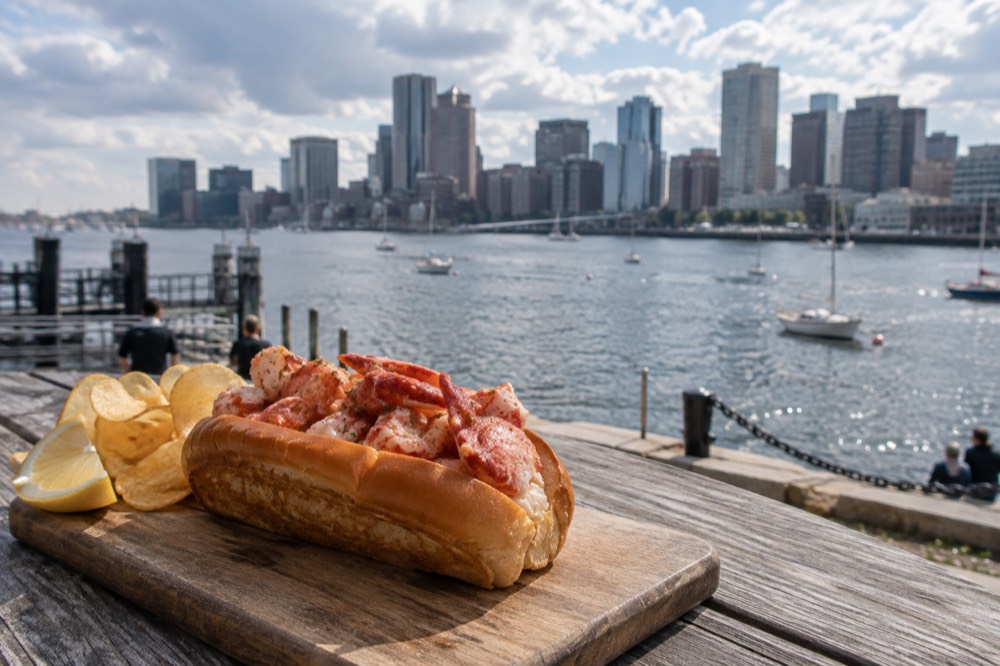
The lobster roll is the second half of the answer. It is a split-top bun, buttered and griddled, filled with lobster meat that is either tossed in mayo or served warm with drawn butter, depending on the shop. Prices move with the lobster market, so check the board or the menu rather than expecting a fixed number, and expect it to be the most expensive sandwich you order all trip.
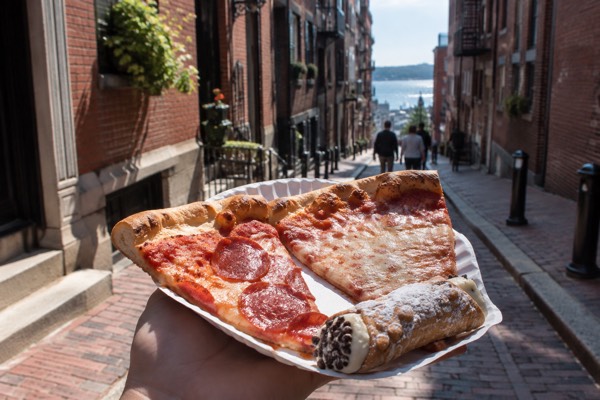
Cannoli belong to the North End, the Italian neighborhood where several pastry shops have been filling shells with sweetened ricotta for generations. Boston cream pie carries the city's name even though it is a cake rather than a pie, and it turns up on dessert menus across the city. For a wider look at the city's claims to fame beyond food, see what Boston is most famous for.
| Dish | What It Is | Where to Look for It |
|---|---|---|
| Clam chowder | Creamy soup with chopped clams, potatoes, salt pork | Menus citywide, strongest along the waterfront |
| Lobster roll | Buttered split-top bun filled with lobster meat | Seafood shacks and raw bars, price varies with the market |
| Cannoli | Crisp pastry shell filled with sweetened ricotta | North End pastry shops, filled to order |
| Baked beans | Slow-baked navy beans in molasses, the dish behind the nickname | Traditional menus and old-line restaurants |
| Boston cream pie | Two-layer sponge cake with custard and chocolate glaze | Dessert menus across the city |
Where Should You Eat In Boston: The North End Or Elsewhere?
The North End is the single best eating neighborhood in Boston, a compact Italian district packed with pastry shops, salumerias, and old restaurants, and it sits directly on the Freedom Trail, so you can eat your way through it while sightseeing. The waterfront and Seaport are the alternatives for seafood with a view, and East Boston has some of the best value eating within sight of downtown. Plan at least one full meal in the North End and one seafood stop on the water.
The North End works because it is small and dense. Hanover and Salem streets hold most of the restaurants and pastry shops, and the Paul Revere House sits in the middle of it all, with the National Park Service listing adult admission at $6.00. That means a food walk and a history walk are the same walk, and the neighborhood's Italian heritage is still visible in its shop windows rather than being a theme park version of itself. For a deeper look at the city's overlooked corners, see Boston's best kept secret.
The waterfront is the other half of the equation. Long Wharf and the surrounding blocks put you next to the harbor, and seafood restaurants there lean on the day's catch. The Boston Fish Pier, where a behind-the-scenes seafood tour in the roster operates, is still a working pier, which is a good sign for how fresh the city's fish actually is.
If you are building a whole day around this, a good plan is chowder and a lobster roll at lunch on the waterfront, an afternoon walk through the North End with a cannoli, and dinner back in whichever neighborhood you are staying in. The one day Boston itinerary shows how the geography chains together.
Is A Boston Food Tour Worth The Money?
A food tour can be worthwhile for guided context and a specified tasting route. Choose seafood, Italian food, pastries or Boston classics according to the actual menu and dietary limits. Independent restaurant stops remain an alternative; an old review rating does not establish a single strongest tour.
The North End walk is the one to single out because the neighborhood rewards context. The shops are generations old, the stories behind them are specific, and a guide who knows the block can walk you into places you would hesitate to enter cold. The listing shows it as a small-group format, which matters in narrow streets and small shops. The full index of guides sits on Boston Travel Guide.
To eat the neighborhood with a guide who knows the block, book a North End food tour here.
There is also a bigger combined option. A five-hour food and history walk covering the North End, the Freedom Trail, and Beacon Hill runs $91 per person and is rated 4.9 from 1,888 reviews, which suits a visitor who wants one long outing to cover both eating and sightseeing. And if pizza is your priority, a North End pizza walk with three slices and a cannoli runs $89 and is rated 4.8 from 172 reviews.
The small-group North End food walk has its own page at the North End food and heritage walk, where the current dates and availability are listed. If you would rather go self-guided, that works too, and it is what most visitors do: pick three or four shops in advance, order small portions at each, and walk the Freedom Trail between stops. The Freedom Trail Foundation describes the route as 2.5 miles linking 16 sites, so a food crawl along it doubles as sightseeing.
Check the North End walk’s actual tastings and dietary arrangements before deciding whether it replaces a meal. This is an Italian neighborhood route, not a guarantee of lobster, chowder or baked beans. Check North End food walk dates
How Much Should A Food Day In Boston Cost?
A realistic food day in Boston starts at roughly $50 per person before drinks, and the total climbs from there depending on where dinner lands: chowder and a lobster roll at lunch will take the biggest bite, a cannoli or pastry stop adds a few dollars, and a sit-down seafood dinner is the swing item. Food-tour prices vary by date and option; included tastings can replace some meal spending, but drinks, transport, tips and extra food may remain separate.
Prices for lobster specifically move with the market, so treat any number you see online as a snapshot rather than a promise.
The planning ranges below are honest ranges, not operator promises. Chowder at a counter runs a few dollars a cup, lobster rolls are the expensive item and vary week to week, and North End pastries are cheap enough to try two. The one fixed, verified number worth knowing is the Paul Revere House at $6.00 adult admission if you fold it into a North End food walk, per the National Park Service's hours and fees page for Boston National Historical Park.
| Food-day item | How to budget |
|---|---|
| Chowder | Current portion size and menu price |
| Lobster roll | Menu price, portion and preparation |
| Cannoli or pastry | Actual purchases, not an assumed fixed allowance |
| Food tour | Dated checkout total and included tastings |
| Other meals and drinks | Add only food not already included |
If budget is the whole trip's constraint, the three things Massachusetts is famous for food page shows how to keep the rest of the day cheap while still eating well.
What Do Locals Order That Tourists Miss?
The orders locals make that tourists skip are raw oysters and clams at a raw bar, the roast beef sandwich that Massachusetts argues about, and bar pizza, a thin-crusted style tied to the south of the region. Oysters are the easy upgrade because Boston's raw bars sit on a live supply chain. Roast beef sandwiches and bar pizza are the orders that start arguments, and the arguments are half the fun. Ask a local which version is right and you will get a lecture.
Compare the raw bar’s current price and portion with other dishes you would enjoy. A half-dozen oysters and a beer are not necessarily cheaper than a lobster roll or a full meal. Seafood source and freshness are restaurant-specific.
Roast beef is a Massachusetts thing, and the question of whether bar pizza is a Massachusetts thing has its own answer page on this site. Neither dish is on the standard tourist checklist, which is exactly the point: ordering them marks you as someone who read past the first paragraph of a guide. For the restaurant-obsessed, the places Anthony Bourdain ate in Boston are documented elsewhere on this site, and his picks leaned toward the unglamorous end of the spectrum.
How Do You Fit The Must-Eats Into A Short Trip?
Prioritize by neighborhood, not by dish: one waterfront meal for chowder and a lobster roll, one North End walk for cannoli and Italian dinner, and one raw bar stop wherever you happen to be at 5pm. That is three meals and a snack, and it fits into a single full day if the day is planned in a loop from the harbor to the North End. With two or three days, add a food tour and a neighborhood like East Boston for value eating.
The loop matters because Boston is walkable and the eating districts sit close together. The waterfront, the North End, and Beacon Hill form a triangle you can cover on foot, and the subway's two-hour transfer window introduced in September 2026 makes hopping between distant food neighborhoods cheaper than it used to be, since you now pay only the highest-priced leg within two hours. If you are deciding how long to stay in the first place, how many days is enough to visit Boston has the fuller answer.
For a short visit, resist the urge to checklist every dish. Two chowders, one lobster roll, one cannoli, and one splurge dinner is a better trip than four mediocre stops a day. Quality in Boston is concentrated: the same dozen or so dishes done well beat a scattershot crawl.
Would one longer outing suit your food-and-history day? Explore the route through the North End, Freedom Trail and Beacon Hill. Allow around five miles of walking and notify the operator of dietary requests at least 24 hours ahead. Check food and history walk dates
Common Questions About Eating In Boston
What is a must eat in Boston?
Clam chowder and a lobster roll are familiar choices, with cannoli, baked beans and Boston cream pie offering other traditions. Choose by your preferences and dietary needs; being served in Boston does not guarantee local sourcing.
Is Boston a food city?
Yes. Seafood and North End Italian food are familiar visitor choices, but the city also has varied dining across Chinatown, Dorchester, East Boston and other neighborhoods. A short list of classics is not the whole food scene.
Where is the best place to eat in Boston?
The North End for Italian food and pastry, the waterfront and Seaport for seafood, and East Boston for value. Most visitors can cover the North End and the waterfront in one day on foot.
What dessert is Boston known for?
The cannoli, filled to order in the North End's pastry shops, and Boston cream pie, the custard-and-chocolate cake that carries the city's name.
Check the classics walk’s date if Boston cream pie is a priority alongside savory dishes. Its listed menu includes the cake, chowder, a lobster roll and baked beans; dietary limits and age guidance apply. Check classic Boston food walk dates
Do I need a food tour in Boston?
No. A tour adds a guide and specified tastings; check the current price and dietary terms. For independent eating, choose a few menus and allow time to walk between them.
What should I not bother eating in Boston?
Skip dishes you do not want or cannot safely eat, and compare current menus rather than assuming a famous neighborhood or high price guarantees quality. Museum cafés and other convenient stops can be sensible choices for your day.
Choose Your Must-Eat Boston Walk
These options do not match your choice. Adjust the selection or reset to explore the starting recommendation.
Compare Your Food Tour And Separate Meals
Reader-entered estimates in USD, not live quotes. Use the same dates and travelers for both options. Include all relevant tickets, rooms, taxes, mandatory fees and transport for the entire trip once in each total. Do not add a transfer twice if your rate already includes it.
Seaport Seafood And Fish Pier Walk
A roughly 2.5-hour Seaport seafood walk with around two miles on foot and tastings amounting to a meal. Shellfish is central: not suitable for shellfish allergies, vegetarians or vegans. Other dietary needs require advance notice. Drinks and extra food are separate.
A starting option to explore. Choose dates, travelers and the exact booking option with the provider; availability and eligibility are confirmed there.
Check Seaport seafood walk dates