Which Is The Best Part Of Boston To Stay In?
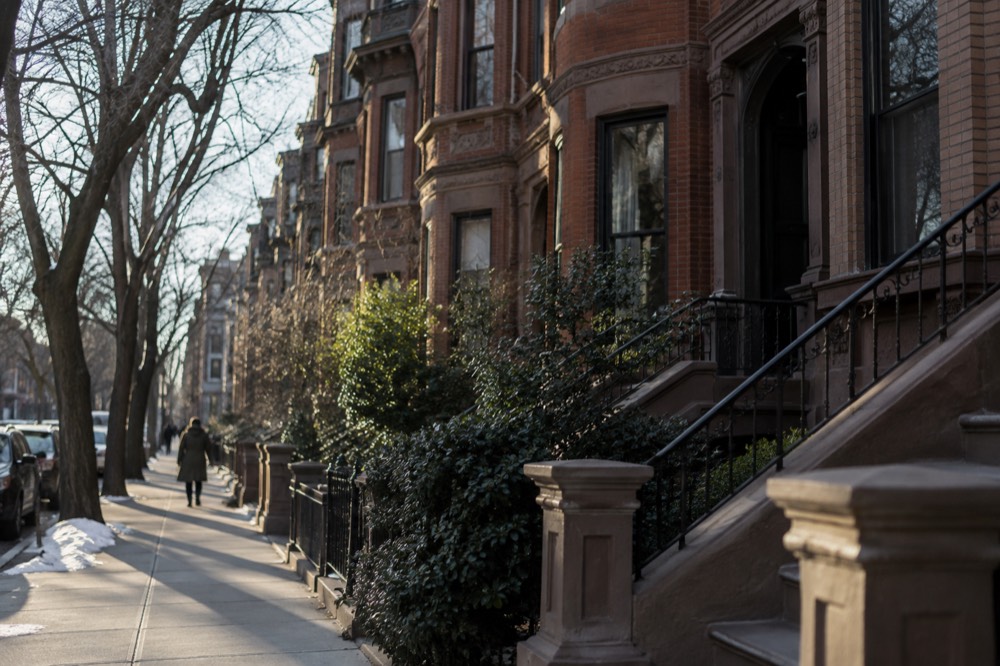
For a first visit, Back Bay and the downtown core around the Waterfront are the two best bases, and Back Bay edges it for most people.
Which Is The Best Part Of Boston To Stay In?
Boston is small enough that a bad hotel location is fixable on foot and expensive enough that a good one is worth planning for. The MBTA fare table shows a subway ride at $2.40 and a 7-Day unlimited pass at $22.50, so nowhere in the core is truly stranded, but the difference between waking up in Back Bay and waking up in a far-flung suburb is the difference between walking to dinner and riding two trains to it. This page works through the tradeoffs neighborhood by neighborhood, for the kind of trip you are actually taking.
Want a concrete starting point for Back Bay? Explore The Newbury Boston by the Public Garden, then compare alternatives against your own itinerary. Check rooms at The Newbury Boston
Where Should First-Time Visitors Stay In Boston?
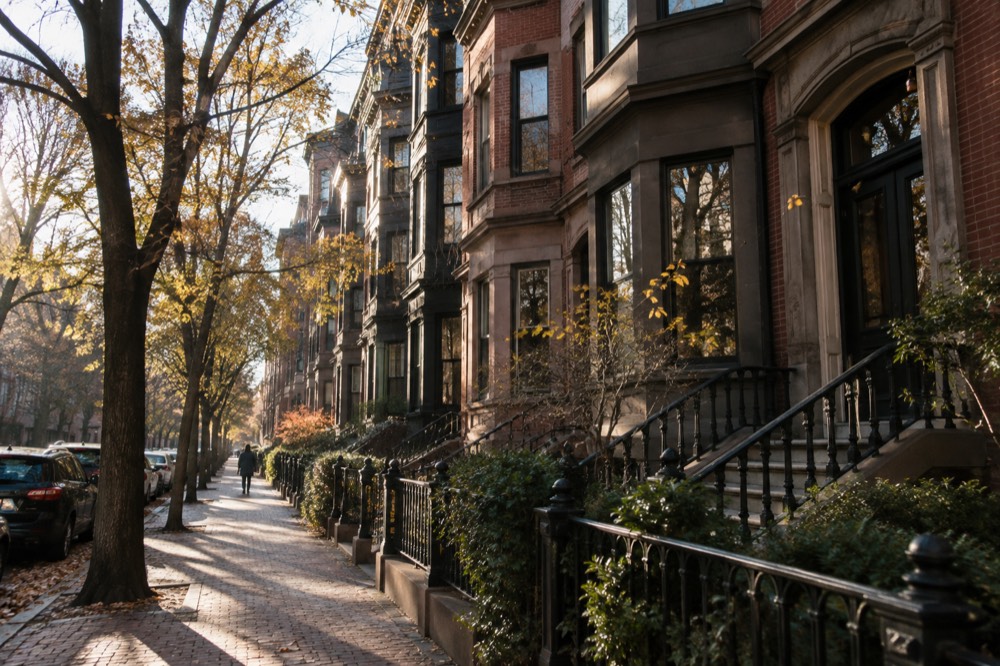
For a first visit, Back Bay and the downtown core around the Waterfront are the two best bases, and Back Bay edges it for most people. Back Bay puts you on the MBTA's Green, Orange and Commuter Rail lines at once, within a short walk of Newbury Street, the Public Garden and Copley Square, on a regular street grid that is genuinely easy to read. Downtown puts you closer to the Freedom Trail's start and the harbor but on older, less predictable streets.
The practical case for Back Bay is the transit arithmetic. The MBTA's fare pages show the subway, including the Green and Orange lines that both serve the neighborhood, at $2.40 a ride, and the 1-Day pass at $11.00 valid for 24 hours from first use. A Back Bay hotel sits between two lines and the Commuter Rail's Back Bay station, so day trips and airport runs are simple. Downtown hotels sit near South Station, where the Red Line, Commuter Rail and the Silver Line SL1 to Logan (free in the reverse direction from the airport) all converge, per Massport's own airport page.
Walkability is the other half. The Freedom Trail Foundation publishes the route at 2.5 miles across 16 sites, and most of that walk starts downtown. A downtown base means you begin the trail at your door. A Back Bay base means a 15-minute walk or one Green Line stop to reach it, in exchange for a calmer, more residential place to sleep. For a longer look at the two head to head, see downtown versus Back Bay for a Boston hotel, and for the wider picture start with the where to stay in Boston guide.
Want to get oriented on foot once you arrive? Book a free walking tour here.
Want the Public Garden beside your base? Explore The Newbury Boston's room options. Check rooms at The Newbury Boston
Which Boston Neighborhood Fits Which Kind Of Trip?
Choose a neighborhood for the trip you are actually taking. Back Bay offers shopping and Public Garden access; downtown puts many historic sites and harbor departures nearby; Fenway suits the ballpark and some museums; Cambridge and Somerville can suit university and food visits. None is automatically cheaper than another for your dates.
The table below is the short version of the whole article. Prices and character shift, but the structural tradeoffs, walkability, transit lines and what is at the door, do not.
| Neighborhood | Best For | Transit | The Tradeoff |
|---|---|---|---|
| Back Bay | First-timers, families, shoppers | Green Line, Orange Line, Commuter Rail | Hotel-heavy, can feel commercial |
| Downtown / Waterfront | Freedom Trail walkers, cruise passengers | Red Line, Orange Line, Blue Line, Silver Line | Quieter at night in the Financial District |
| North End | Food, atmosphere, history | Orange Line, Haymarket | Small hotel stock, weekend crowds |
| Seaport | Modern hotels, waterfront dining | Silver Line SL2 | Fewer subway lines, higher rates |
| Fenway / Kenmore | Red Sox fans, museum-goers | Green Line (B, C, D) | Game-day noise and crowds |
| Beacon Hill | Charm, photos, quiet | Red Line, Green Line | Very few hotels, expensive |
| Cambridge | Food, Harvard, lower rates | Red Line | A separate city, across the river |
Cambridge and Somerville are separate cities; Brookline is a separate town. Check the actual address and transport rather than using municipal status as a price rule. Some listings described as North End are nearby downtown or waterfront properties. Your length of stay matters, but a longer stay does not automatically make an outer hotel cheaper overall.
Check each hotel's actual map location before choosing on the neighborhood label alone. Compare Boston stays
Is Downtown Or Back Bay Better For A Hotel Base?
Downtown is useful for historic sites and the harbor; Back Bay is useful for Newbury Street, Copley Square and the Public Garden. Walking time depends on the two addresses. The Freedom Trail starts at Boston Common; Faneuil Hall is farther along it. Do not assume every downtown hotel is beside the start or that all of Back Bay is one stop away.
The cost side of the argument is mostly a wash on room rates, so the real currency is time and comfort. Downtown's Financial District empties in the evening, which means quiet nights but fewer late dinner options; the Waterfront and North End fix that within a 10-minute walk. Back Bay stays active later, and Newbury Street's restaurant row runs straight through it.
For a skyline overview, View Boston occupies the Prudential Center’s upper floors in Back Bay. Direct general admission starts at $32 plus a $3 processing fee; reseller options and date-specific totals can differ. It is an optional sightseeing purchase, not necessary to choose a hotel.
Would the harbor suit your plans better? Explore Boston Marriott Long Wharf beside the New England Aquarium. Check rooms at Boston Marriott Long Wharf
How Much Does Your Location Change Getting Around Boston?
Less than in most American cities, because the MBTA's fare structure changed on 1 September 2026 to allow unlimited transfers within a two-hour window, paying only the highest-priced leg, provided you use the same payment method throughout. A subway ride is $2.40, a local bus $1.70, and a 7-Day unlimited pass $22.50, so a hotel one or two stops outside the core costs very little in money or time.
The MBTA's fare pages carry the details, including the quirk that matters to visitors: a 1-Day or 7-Day pass on a CharlieTicket starts at purchase, while the same pass on a CharlieCard starts at first use. Buy on a card, sightsee the next morning, and you have not burned a day. Contactless Tap to Ride with a card or phone is live on bus, subway and ferry.
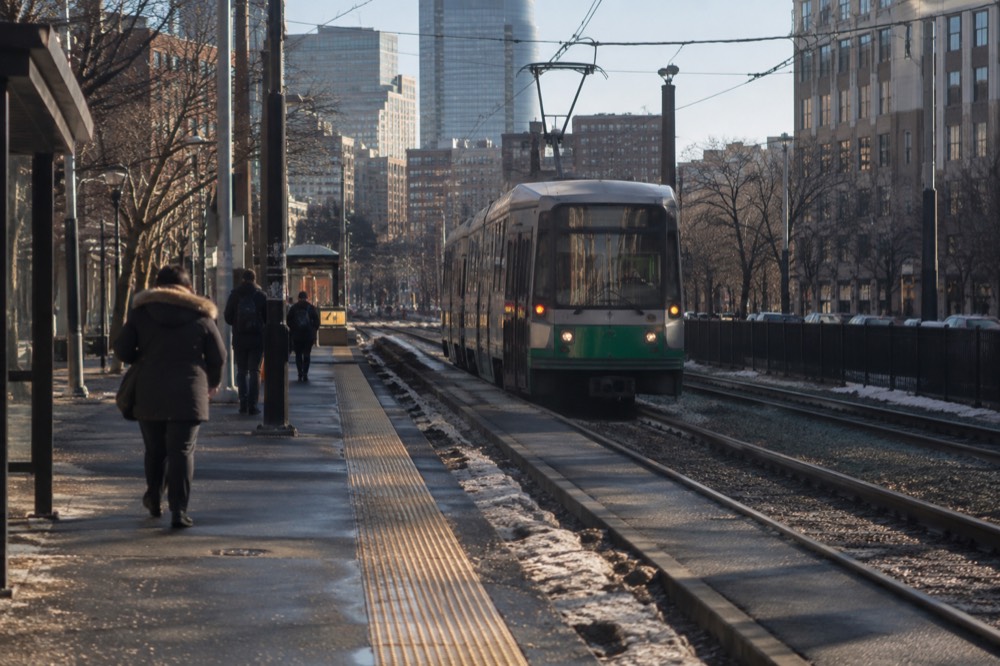
Two current caveats. Symphony station on the Green Line E branch has been closed since June with closure scheduled through spring 2029, which matters if a hotel listing sells you on that stop. And the MBTA has been running weekend line closures for track work through September and October, with free shuttle replacements, so check the T's service alerts for your dates before you let a station name sell you a room. More of these guides are collected on Boston Travel Guide.
Where Should You Avoid Staying In Boston?
Avoid a property whose location, access or full cost does not work for your itinerary. A suburban address may suit a road trip or local visit; a downtown address does not guarantee a short walk to every sight. Check the actual route and current service rather than treating every central block as equivalent.
The first category is the expensive one. A suburban "Boston" hotel means a car or a Commuter Rail fare each way, and the MBTA fare table shows Commuter Rail running $2.40 to $13.25 depending on zone. The second category is fixable with a map: if the listing's photos show a parking garage, ask what is between the door and the Common.
For the neighborhood-by-neighborhood version of this question, the site carries answers on whether Charlestown is a nice part of Boston, whether Dorchester is a nice part of Boston, whether Fenway is a good area to stay in, and a dedicated page on where to avoid staying in Boston.
Before booking, compare the property map with the actual places you plan to visit. An observation-deck ticket is not required to establish whether a hotel location works.
What About Staying In Cambridge Or Somerville?
Cambridge and Somerville are separate cities that can work well for university, restaurant and longer visits. Red or Green Line access depends on the address; they do not automatically have lower room rates or a 10–15-minute journey to every downtown sight. Compare the full stay total and exact daily route.
The Red Line is the argument for it. Harvard, Central, Kendall and Porter squares all sit on one line that runs straight to Park Street downtown, so the commute is a single seat with no transfer. For a trip built around food and universities rather than colonial history, that trade is easy to accept. For a first trip built around the Freedom Trail, it is not.
Check rooms at The Charles Hotel if Harvard Square is the reason for your stay. The property is at 1 Bennett Street in Cambridge; compare the room total and the actual Red Line journey for Boston sightseeing. Check Charles Hotel rooms in Harvard Square
So Which Is The Best Part Of Boston To Stay In?
Back Bay and downtown are useful starting points, while Fenway, Cambridge and other areas may better suit your plans. Choose by actual location, room needs and total cost. Public transport can expand the options, but does not make every inconvenient choice cheap or quick to correct.
The one-sentence version this site stands behind: choose the neighborhood whose evening scene you want to walk home through, because Boston's daytime sights are reachable from anywhere on the subway, and the evening is when your hotel's location actually earns its price.
Common Questions About Where To Stay In Boston
Which is the best part of Boston to stay in?
Compare Back Bay for shopping and the Public Garden, downtown for history and harbor access, Fenway for the ballpark, and Cambridge for university visits. Check actual room totals and routes; subway service does not reach every address.
Is it better to stay downtown or in Back Bay?
Downtown puts the Freedom Trail's start and the harbor at the door; Back Bay puts shopping, two subway lines and a livelier evening scene. They are about a 25-minute walk apart, so neither is a wrong answer.
Is Cambridge part of Boston?
No. Cambridge and Somerville are separate cities, and Brookline is a separate town. Cambridge has useful Red Line connections, but journey time depends on the hotel, destination and current service.
Do I need a car if I stay outside downtown?
No. A subway ride is $2.40, a 7-Day unlimited pass is $22.50, and transfers within a two-hour window are unlimited on the same payment method. Parking in Boston is the expensive part, not the transit.
Are there bad neighborhoods to avoid for a hotel?
Judge the specific hotel and route. Check station distance, access, service hours and the full cost. Neither a central neighborhood nor a suburban address is enough to determine suitability or safety.
Choose A Stay That Fits Your Trip
These options do not match your choice. Adjust the selection or reset to explore the starting recommendation.
Compare Your Total Stay Costs
Reader-entered estimates in USD, not live quotes. Use the same dates and travelers for both options. Include all rooms, taxes, mandatory fees and transport for the entire stay once in each total. Do not add a transfer twice if your rate already includes it.
The Newbury Boston
A hotel at 1 Newbury Street beside the Public Garden. Compare the room type and full stay total for your dates.
A starting option to explore. Choose dates, travelers and the exact booking option with the provider; availability and eligibility are confirmed there.
Check rooms at The Newbury Boston