Boston Vs Cambridge
Boston and Cambridge face each other across the Charles River, connected by bridges, subway lines and a shared metro area, and separated by a city line most visitors never notice. That line is real. Cambridge is not a Boston neighborhood: it is a separate city in Middlesex County, with its own mayor, its own police department and its own municipal rules. Somerville is also a separate city, while Brookline is a separate town. The distinction is not trivia. It affects local regulations and which zip code you are mailing to and which city's regulations govern your short-term rental.
Short answer
No, Cambridge is a separate city in Middlesex County, while Boston is in Suffolk County. Somerville is also a separate city; Brookline is a town.
Boston and Cambridge face each other across the Charles River, connected by bridges, subway lines and a shared metro area, and separated by a city line most visitors never notice. That line is real. Cambridge is not a Boston neighborhood: it is a separate city in Middlesex County, with its own mayor, its own police department and its own municipal rules. Somerville is also a separate city, while Brookline is a separate town. The distinction is not trivia. It affects local regulations and which zip code you are mailing to and which city's regulations govern your short-term rental.
Explore The Newbury beside the Public Garden for a Boston base, or switch below to The Charles Hotel in Harvard Square. Compare the same nights, room capacity and full stay totals; neither city guarantees a lower price. Check rooms at The Newbury Boston
This comparison, from the editors at Boston Travel Guide, lays out what each side of the river is actually good for. Boston carries the Revolutionary history, the harbor, the major museums and the bulk of the tourist infrastructure. Cambridge carries Harvard, MIT and bookstores, university museums, lecture halls and restaurants around several squares. Choose a base near your main plans and use the subway or other suitable transport to explore the other side. The MBTA fare table shows a subway ride at $2.40, and since 1 September 2026 that single fare includes unlimited transfers within a two-hour window, paying only the highest-priced leg.
Is Cambridge Part Of Boston?
No, Cambridge is a separate city in Middlesex County, while Boston is in Suffolk County. Somerville is also a separate city; Brookline is a town. Municipal rules differ, but crossing the Boston–Cambridge boundary does not itself change an MBTA subway fare.
The confusion is understandable. The subway runs through both cities without announcement, the Red Line stitches Cambridge's Kendall Square, Central Square, Harvard Square and Porter Square directly into Boston's network, and the metro area shares one airport, Logan. But the municipal boundary is old and firm. Cambridge was a separate settlement in 1630, founded the same year as Boston, and it has never been absorbed.
For a visitor the consequences are small but real. A parking ticket issued in Cambridge is handled by Cambridge City Hall, not Boston's transportation department. Compare the complete tax-inclusive room quote and any separate fees for each property. And the mental model matters for planning: "staying in Boston" and "staying near Harvard" are two different trip shapes, in two different cities, and the where to stay in Boston question has a Cambridge answer only if you decide the campus-town atmosphere is what you want.
Which Is Better For First-Time Visitors, Boston Or Cambridge?
Boston can be a convenient base for a first visit centered on its historic sights: the Freedom Trail's 16 sites, Faneuil Hall, the North End, the harbor and the Museum of Fine Arts. Cambridge's headline draws, Harvard Yard and the MIT campus, are each worth half a day and connect to Boston by a short Red Line ride.
The Freedom Trail alone anchors this. The trail is a 2.5-mile red-lined route through Boston proper linking 16 historically significant sites spanning, in the Freedom Trail Foundation's own visit page, over 250 years, with free outdoor stops and several separately ticketed interiors. USS Constitution and Bunker Hill are free. The journey depends on the actual hotel: neither a Boston address nor a Cambridge address establishes walking distance to these sights. The Freedom Trail tours page covers the guided options, including a small-group outdoor history walk from the Common to the North End.
Cambridge rewards a different kind of visitor: the one who has already seen Boston's core, or who cares more about campuses, bookshops and food halls than about Revolutionary sites. Harvard Square and the MIT campus are genuinely walkable districts with their own character, and the Harvard Square area guide covers them in depth. But as a first-trip base, Cambridge puts you a river crossing away from most of what you came to see. Compare the exact hotel-to-attraction journeys, room terms and total price before choosing.
To taste your way around Harvard Square with a guide, book a Sweetest Food Tour ticket here.
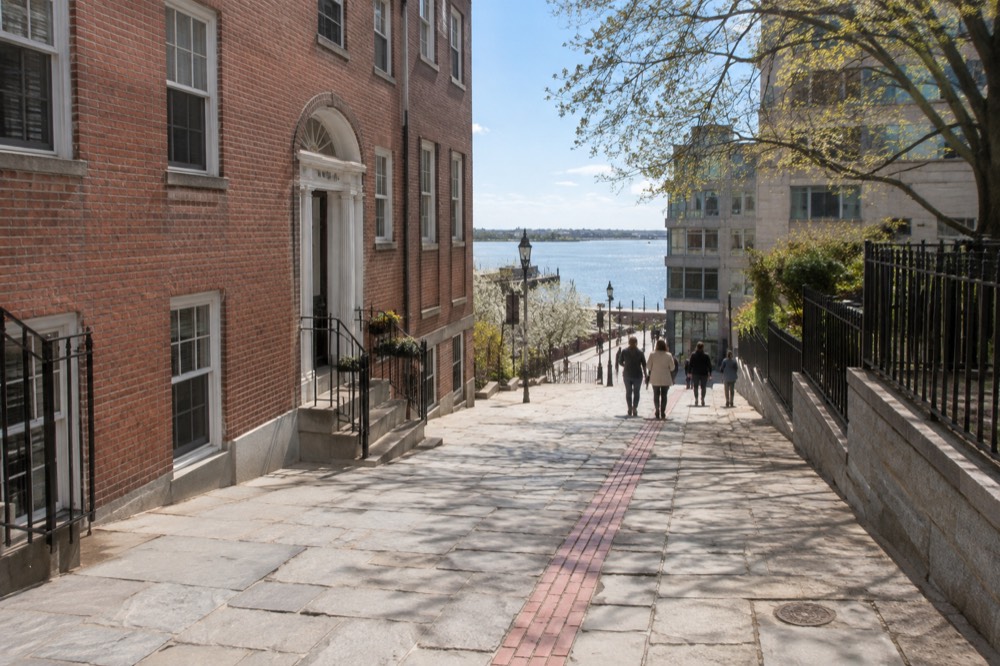
The two sides also differ in scale of offering. Boston holds the major ticketed attractions: the New England Aquarium at $39.95 adult, the Museum of Science at $33 adult, the View Boston observation deck starting at $32 plus a $3 booking fee per ticket. Cambridge's equivalents are mostly free to walk: Harvard Yard has current access rules, and MIT's outdoor art collection, including the Alvar Aalto-designed Baker House and public installations scattered across campus, costs nothing to wander past.
Want a Boston base beside the Public Garden? Explore The Newbury at 1 Newbury Street, then map your planned attractions from the hotel. Compare the complete room quote, not an assumed citywide price advantage. Check rooms at The Newbury Boston
How Do You Get Between Boston And Cambridge?
The MBTA Red Line connects the two cities directly, with Cambridge stations at Kendall Square, Central Square, Harvard Square and Porter Square, and a one-way subway fare of $2.40. Since 1 September 2026, that fare includes unlimited transfers between subway, bus and ferry within a two-hour window, paying only the cost of the highest-priced leg, provided the same payment method is used throughout.
The Red Line is the workhorse. From Harvard Square to Park Street in central Boston takes roughly 15 minutes on paper, and Park Street sits at the corner of Boston Common, where the Freedom Trail begins. Change to Green at Park Street; the Red–Orange interchange is Downtown Crossing. The Boston subway map explained page untangles the branches, and the CharlieCard and fares page explains the one detail that genuinely trips visitors: a 1-Day or 7-Day pass on a CharlieTicket starts at the moment of purchase, while the same pass on a CharlieCard starts at first use, per the MBTA's fare page. Buy it the night before on the wrong medium and you can lose most of a day. Contactless Tap to Ride with a card, phone or watch is live on bus, subway and ferry, so most visitors never need a physical ticket at all.
One current caveat belongs in any Cambridge plan. Symphony station on the Green Line E branch has been closed since 6 June 2026 for accessibility work, with closure scheduled through spring 2029, and the MBTA has been running rolling weekend diversions on the central lines through September and into October, including a full central Green Line suspension on the weekend of 19 to 20 September 2026. Red Line service can also be disrupted; the MBTA posts current diversions on its own site and a two-minute check the night before saves an unplanned shuttle-bus ride. The getting around Boston guide carries the full picture.
What Does Each City Cost Compared?
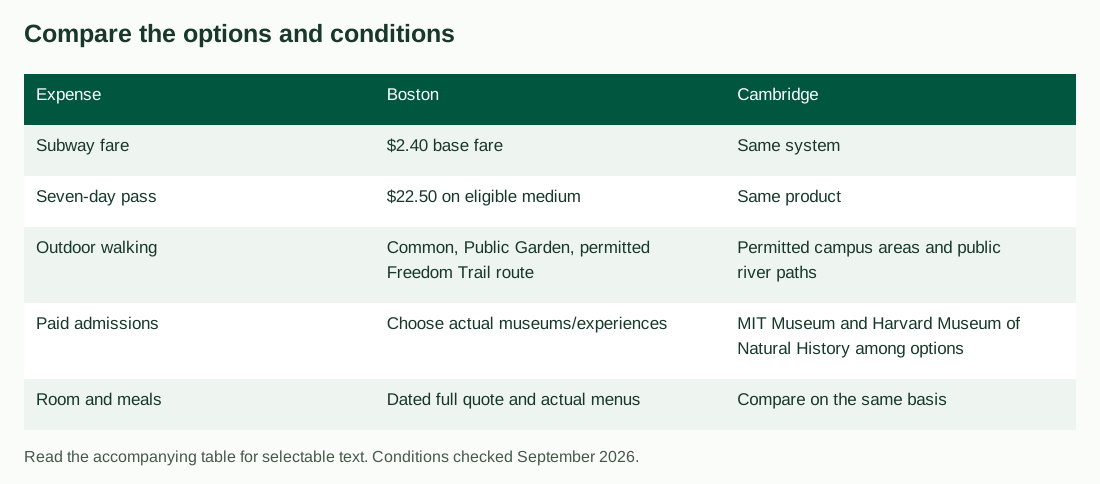
Compare actual room quotes and menus: Cambridge is not consistently cheaper than Boston. Transit fares are the same on the shared MBTA system. Both cities offer free outdoor activities and paid museums, so costs depend on your itinerary rather than the city label.
Compare the same travel dates, party size, room type and cancellation conditions. The examples below distinguish paid purchases from free public options; menu and admission quotes should be checked for your visit.
| Expense | Boston | Cambridge |
|---|---|---|
| Subway fare | $2.40 base fare | Same system |
| Seven-day pass | $22.50 on eligible medium | Same product |
| Outdoor walking | Common, Public Garden, permitted Freedom Trail route | Permitted campus areas and public river paths |
| Paid admissions | Choose actual museums/experiences | MIT Museum and Harvard Museum of Natural History among options |
| Room and meals | Dated full quote and actual menus | Compare on the same basis |
Neither city wins automatically on admission value. Harvard Art Museums is free, while MIT Museum and Harvard Museum of Natural History charge admission. Boston also has many free options. Use the pass comparison only for attractions you genuinely intend to buy, comparing current individual totals with the applicable pass.
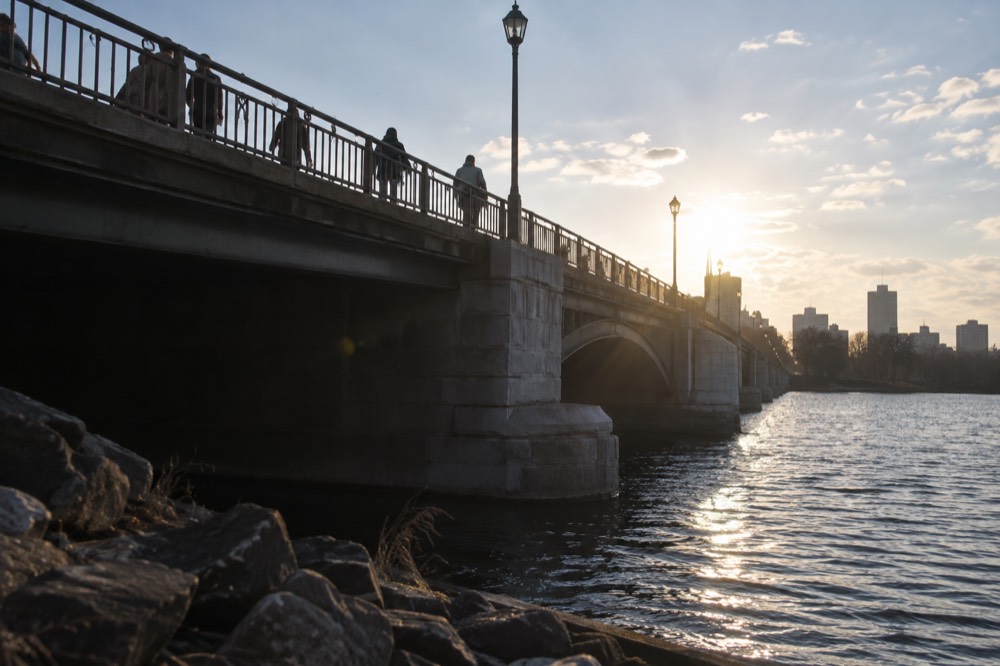
Where Should You Stay, Boston Or Cambridge?
Boston’s downtown or Back Bay can suit a classic sightseeing trip; Harvard Square or Kendall can suit a Cambridge-focused visit. Compare actual hotel locations and dated totals before choosing. Neither city guarantees quieter or cheaper rooms, and no single Red Line journey time describes every door-to-door trip.
Back Bay is the default answer for most first-timers. It is walkable, hotel-dense, sits on the Green Line and the Orange Line, and puts Newbury Street shopping and the Public Garden within a short stroll. The North End and the waterfront suit visitors who want to wake up inside the historic core. Cambridge's Harvard Square offers an entirely different atmosphere: bookstores, students, a leafy common and a restaurant scene worth comparing by actual menus.
Two practical notes. First, if Logan Airport is your anchor, note that Cambridge has no direct rail link to it: the Silver Line SL1 is free leaving the airport from the terminal curb to South Station, per Massport's own airport page, and from South Station the Red Line runs straight to Cambridge. The Logan Airport guide and the Logan to downtown page map the options, and the hotels near Logan page covers the airport-side stay. Second, if you drive, be aware that Cambridge enforces its own residential permit parking and its own meter rules, so check the exact street restrictions or garage terms; public transport can avoid those parking costs.
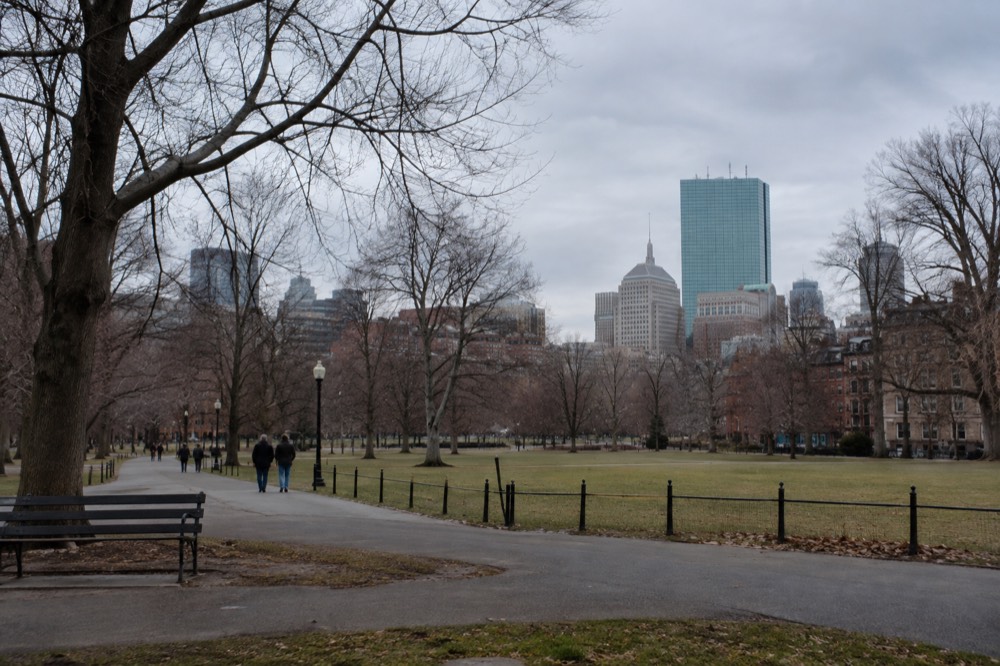
Check The Charles Hotel at 1 Bennett Street before fixing a Harvard-focused stay. Confirm your room capacity, parking and full rate terms. It is a Harvard Square option, not proof that Cambridge is cheaper than Boston. Check Charles Hotel rooms in Harvard Square
What Is There To Do In Cambridge Compared With Boston?
Boston's core activities are the Freedom Trail, the harbor, the major museums and the ballpark: Fenway Park has distinct standard, short and field-level products with different availability. Cambridge's core activities are Harvard Yard, the MIT campus and public art, the Harvard Art Museums and the Harvard Museum of Natural History, plus a food-and-bookshop scene centered on Harvard Square. Both cities support guided sightseeing and independent wandering.
Harvard offers a free historical visitor tour with registration and a self-guided option. A commercial student-led walk is an optional alternative for its actual date and format, not the only practical way to visit. Harvard Art Museums is free; the Harvard Museum of Natural History has its own admission and hours.
The Boston side needs less introduction because it is what most guidebooks are about. The things to do in Boston page is the full inventory. The short list of what Boston has that Cambridge cannot match: the Freedom Trail, Fenway Park, the harbor itself, and the North End's Italian restaurant row, which the North End food tour walks with tastings under its current menu and date-specific quote. For a weekend-shape plan, the things to do in Boston this weekend page tracks what is actually running.
A side-by-side of headline experiences:
| Experience | Boston | Cambridge |
|---|---|---|
| Signature historic walk | Freedom Trail, 2.5 miles, 16 sites | Harvard Yard with a student guide |
| Science visit | Museum of Science, paid admission | MIT Museum, paid admission; permitted campus outdoor routes free |
| Art museum | MFA, admission and eligibility vary | Harvard Art Museums, free |
| Water activity | Harbor cruises, dated ticket quote | Charles River cruises or free views from the banks |
| Signature food district | North End | Harvard Square and Central Square |
Which City Has The Better Food Scene?
Boston’s North End and seafood restaurants offer a different dining experience from Harvard Square and Central Square. Both cities have budget meals and expensive restaurants. Choose by cuisine, menu, dietary requirements and location rather than assuming a fixed price advantage on either bank.
The North End is Boston's food district with no Cambridge equivalent. It is the oldest surviving residential neighborhood in Boston, its Hanover Street corridor is lined with Italian restaurants and pastry shops, and the best restaurants in Boston guide covers the standouts. The lobster roll guide tracks the city's signature sandwich, and the North End Pizza Walking Tour with three slices and a cannoli, eats the district in about two and a half hours.
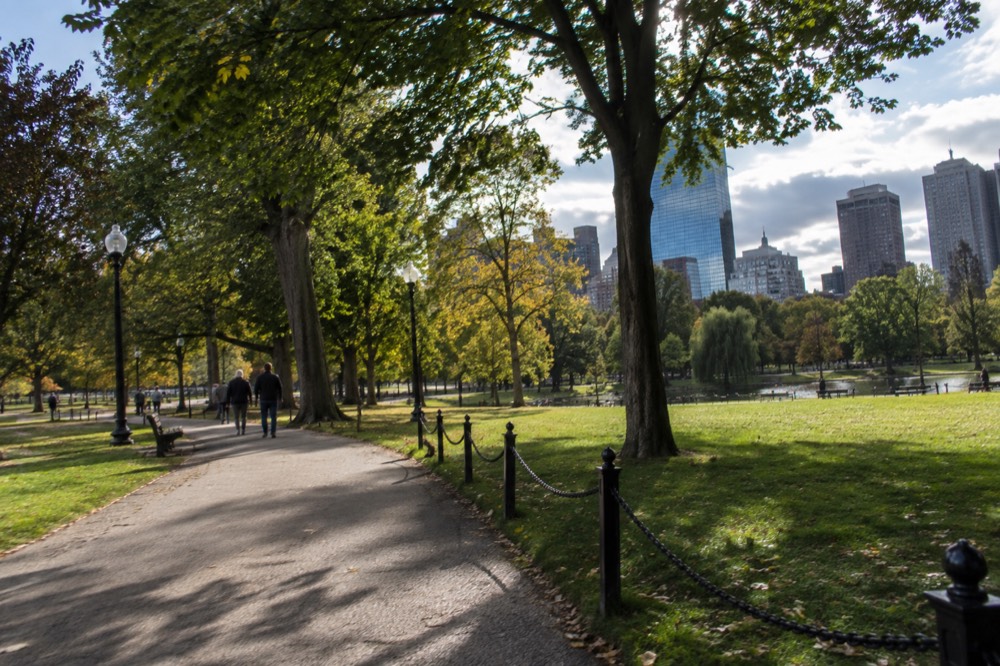
Harvard and Central squares offer many cuisines, including Chinese, Indian, Ethiopian, Korean and Thai food. Compare current menus and total party costs, including drinks, tax and tips. Compare equivalent meals instead of assuming one city has a fixed price advantage.
Does The Weather Differ Between The Two Cities?
No, not meaningfully. The Logan climate record provides a regional reference for both cities, and the official Boston weather station sits at Logan Airport, on a peninsula in the harbor, a maritime reading that applies well to the waterfront and runs slightly cool for inland neighborhoods on a sea-breeze day. Boston's normals show no wet or dry season: every month sits between 3.21 and 4.30 inches of precipitation. The one number that matters is snow: 49.2 inches fall annually, and 58 percent arrives in January and February alone.
The NOAA normals, 1991 to 2020, station USW00014739 at Logan, show July as the warmest month at an 82.1 °F average high, and December as the wettest at 4.30 inches. Cambridge sits a few miles inland, close enough that the same numbers describe both cities for any practical purpose. The weather by month page carries the full table, and the best time to visit Boston page translates it into season recommendations that apply equally to Cambridge.
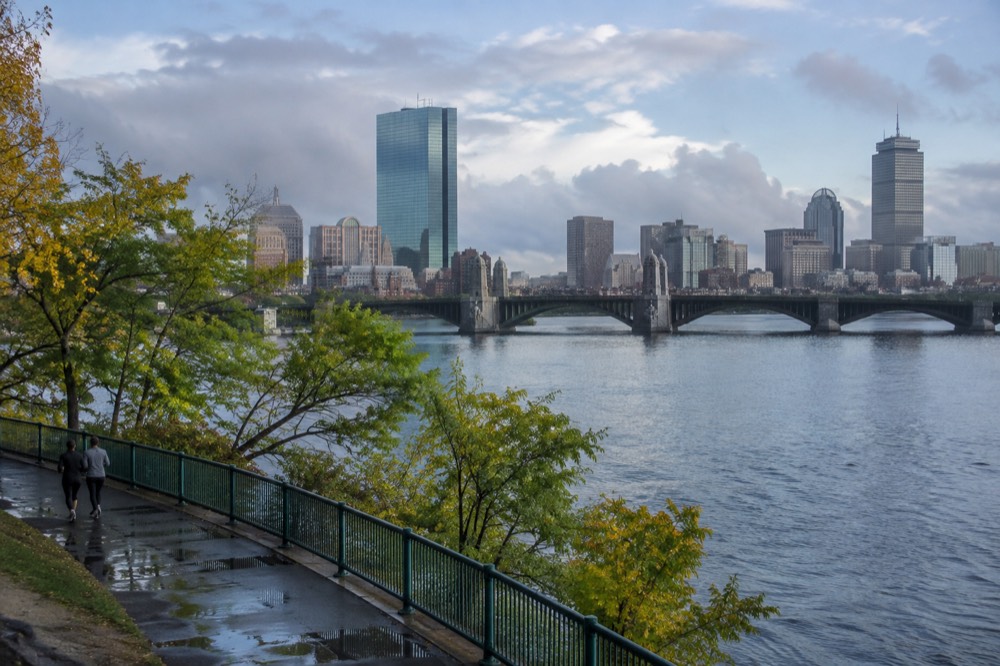
The Charles River offers walking and rowing views from both sides. Wind, shade and exposure vary locally; a Logan climate normal does not guarantee the temperature, breeze or snow cover at a particular Cambridge or Boston stop.
Boston Or Cambridge For A Day Trip From Logan Airport?
For a short Logan layover, choose a destination with enough time for the round trip and airport formalities. Free inbound SL1 reaches South Station, where an in-station Red Line transfer continues to Cambridge. Blue Line requires the free terminal shuttle to Airport station; it does not depart directly from the terminals.
Massport’s airport transport guidance explains the free SL1 from the terminals. Stay inside South Station to transfer to Red for free; a new $2.40 fare is not required for that arrival connection. Allow waiting, walking and disruption time rather than promising a forty-minute terminal-to-Harvard trip.
Further reading: subway fare.
How Do Boston And Cambridge Compare Overall?
Choose Boston for a trip centered on the harbor and Revolutionary sights, or Cambridge for Harvard, MIT and its neighborhoods. They share the MBTA and Logan Airport, so combine both if time permits. Room rates, restaurant value and quiet depend on the specific location and date, not a universal city ranking.
| Priority | Useful starting point | Compare before booking |
|---|---|---|
| Harbor and Freedom Trail | Downtown Boston | Exact walking distances |
| Harvard | Harvard Square | Campus access and appointment times |
| MIT | Kendall Square | Building location |
| Budget | Either city | Same-date complete quotes |
| Theater | Venue neighborhood | Actual performance address |
| Airport arrival | Either city | SL1/Red or shuttle/Blue journey |
For readers weighing other city pairs, the same comparison logic applies to Boston vs New York and Boston vs Philadelphia. And for families, the Boston with kids guide tilts firmly toward the Boston side of the river, with options including the Aquarium, the Museum of Science and the Children’s Museum.
Common Questions About Boston Vs Cambridge
is cambridge part of boston
No. Cambridge and Somerville are separate cities; Brookline is a town. Municipal rules differ, but crossing into Cambridge does not change the standard MBTA subway fare.
boston or cambridge
Boston suits harbor and Revolutionary sightseeing; Cambridge suits Harvard, MIT and its neighborhoods. Choose your hotel by actual itinerary, location and dated total.
which is better to stay in, boston or cambridge
Boston downtown or Back Bay can suit classic sightseeing; Harvard Square and Kendall suit Cambridge-focused plans. Compare complete room quotes and door-to-door journeys rather than assuming Cambridge is cheaper or quieter.
is cambridge cheaper than boston
Not consistently. Compare actual dates, rooms and menus. Both cities have free activities and paid museums, and they share the same MBTA subway fares.
how do i get from boston to cambridge
Take the MBTA Red Line. Cambridge stations include Kendall Square, Central Square, Harvard Square and Porter Square, and the fare is $2.40. Since 1 September 2026 that fare includes unlimited transfers within a two-hour window, paying only the highest-priced leg.
how far apart are boston and cambridge
They share a border along the Charles River and are effectively continuous. Harvard Square to downtown Boston is roughly 3 to 4 miles, about 15 minutes on the Red Line from Harvard Square to Park Street.
A Duck Tour combines Boston streets with a Charles River segment. It does not provide a Harvard or MIT campus visit, so keep those as separate plans.
Choose Your Base Around Your Actual Plans
These options do not match your choice. Adjust the selection or reset to explore the starting recommendation.
Compare Your Comparable Boston And Cambridge Stay Totals
Reader-entered estimates in USD, not live quotes. Use the same dates and travelers for both options. Include all relevant tickets, rooms, taxes, mandatory fees and transport for the entire trip once in each total. Do not add a transfer twice if your rate already includes it.
The Newbury Boston
A hotel at 1 Newbury Street beside the Public Garden. Compare the room type and full stay total for your dates.
A starting option to explore. Choose dates, travelers and the exact booking option with the provider; availability and eligibility are confirmed there.
Check rooms at The Newbury Boston