Harvard Square And Cambridge: What To See, Eat, And How To Get There
Harvard Square is the commercial and cultural heart of Cambridge, anchored by Harvard Yard and served by the MBTA Red Line. Cambridge is not a Boston neighborhood: it is a separate city, with its own mayor, its own zip codes, and its own municipal rules, and that fact changes how you plan the trip. The MBTA fare table shows a subway ride from downtown Boston to Harvard station costs $2.40 each way, and since 1 September 2026 that single fare includes unlimited transfers between subway, bus, and ferry within a two-hour window, paying only the highest-priced leg.
Short answer
Harvard Square is in Cambridge, a separate city across the Charles from Boston.
Harvard Square And Cambridge: What To See, Eat, And How To Get There
Harvard Square is the commercial and cultural heart of Cambridge, anchored by Harvard Yard and served by the MBTA Red Line. Cambridge is not a Boston neighborhood: it is a separate city, with its own mayor, its own zip codes, and its own municipal rules, and that fact changes how you plan the trip. The MBTA fare table shows a subway ride from downtown Boston to Harvard station costs $2.40 each way, and since 1 September 2026 that single fare includes unlimited transfers between subway, bus, and ferry within a two-hour window, paying only the highest-priced leg.
Want a narrated campus visit? Explore the paid student-led Harvard walk, alongside the university’s own free tours and self-guided options. For food-first plans, compare the separate Harvard Square tasting route below. Check Harvard walk dates
This page on Boston Travel Guide covers what the square actually offers, how the campus tours work, what the museums cost, and the honest transit arithmetic that most itineraries skip. Plan on a half day here, or a full day if you add the Harvard museums and a long lunch.
Is Harvard Square In Boston Or Cambridge?
Harvard Square is in Cambridge, a separate city across the Charles from Boston. Somerville is also a city; Brookline is a town. They share the MBTA network, so crossing a municipal boundary does not itself create a different subway fare. Check each property’s actual address and local parking rules.
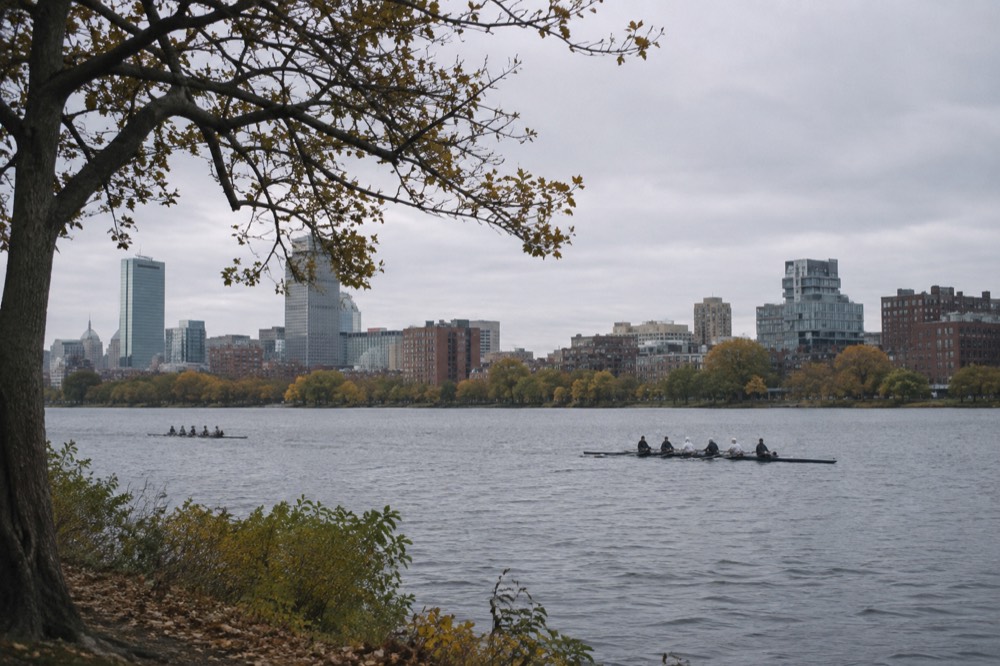
Boston visitors cross the Charles River on the Red Line or on a bridge, and everything municipal changes the moment they do. Tourist itineraries that list Cambridge as a "Boston neighborhood" are the most common error in this corner of the internet, and it is worth being precise because it affects transit planning more than you might expect. The MBTA runs through both cities, so the ride feels seamless, but Cambridge is home to two of the world's best-known universities, Harvard and MIT, and their principal Cambridge campuses are across the river; Harvard also has facilities in Boston, including Allston.
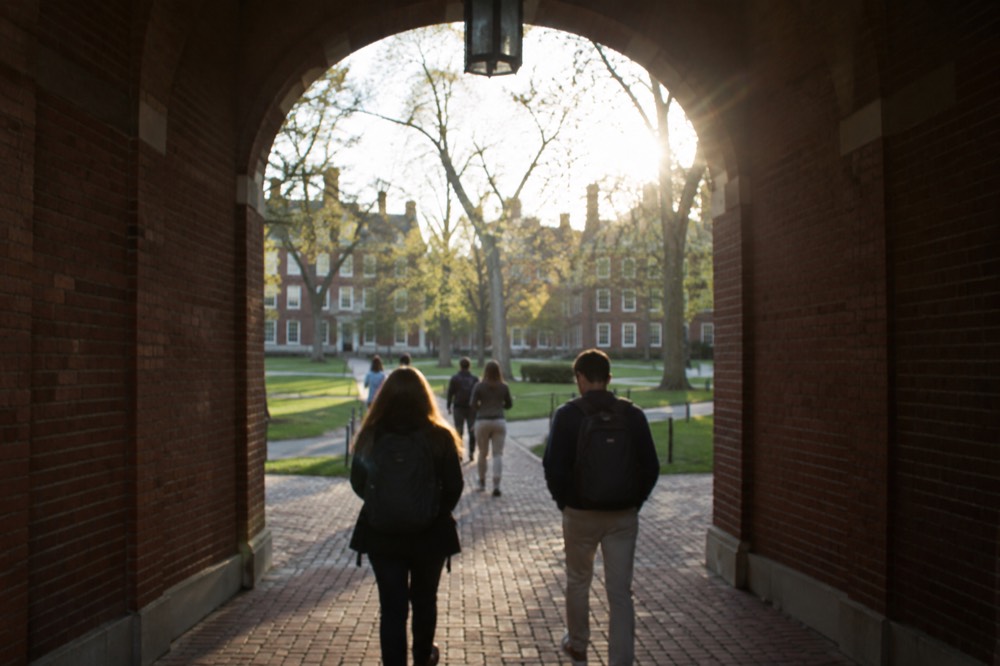
The square itself is small. Harvard Yard, the bookstores, the coffee shops, and the subway entrance all sit within about a ten-minute walk of one another, which is why a half day is enough for the core. If you want to compare the two cities before committing time, the Boston vs Cambridge breakdown covers the differences in character, cost, and transit in more detail.
How Do You Get To Harvard Square From Downtown Boston?
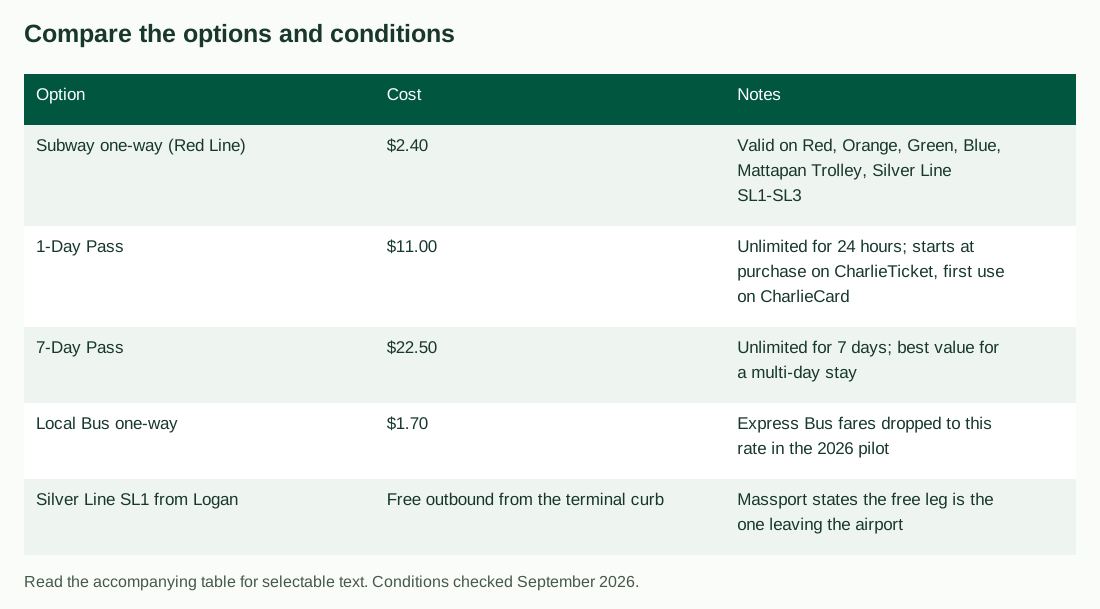
The Red Line runs directly to Harvard station from downtown Boston, with a one-way subway fare of $2.40, and the trip takes roughly 20 to 25 minutes from Park Street or South Station. Since 1 September 2026, that fare includes unlimited transfers between subway, bus, and ferry within a two-hour window, paying only the highest-priced leg, as long as you use the same payment method throughout. A 7-Day pass at $22.50 covers the round trips and everything else you ride that week.
The MBTA's own fare pages list the subway fare at $2.40, the 1-Day pass at $11.00, and the 7-Day pass at $22.50, so ten separate $2.40 subway rides cost more than a $22.50 pass; account for eligible transfers before comparing. One detail the fare table buries: a 1-Day or 7-Day pass bought on a CharlieTicket is valid from the date and time of purchase, while the same pass on a CharlieCard starts at its first use. For a visitor who buys on arrival evening and starts sightseeing the next morning, that difference is most of a day.
| Option | Cost | Notes |
|---|---|---|
| Subway one-way (Red Line) | $2.40 | Valid on Red, Orange, Green, Blue, Mattapan Trolley, Silver Line SL1-SL3 |
| 1-Day Pass | $11.00 | Unlimited for 24 hours; starts at purchase on CharlieTicket, first use on CharlieCard |
| 7-Day Pass | $22.50 | Unlimited for 7 days; best value for a multi-day stay |
| Local Bus one-way | $1.70 | Express Bus fares dropped to this rate in the 2026 pilot |
| Silver Line SL1 from Logan | Free outbound from the terminal curb | Massport states the free leg is the one leaving the airport |
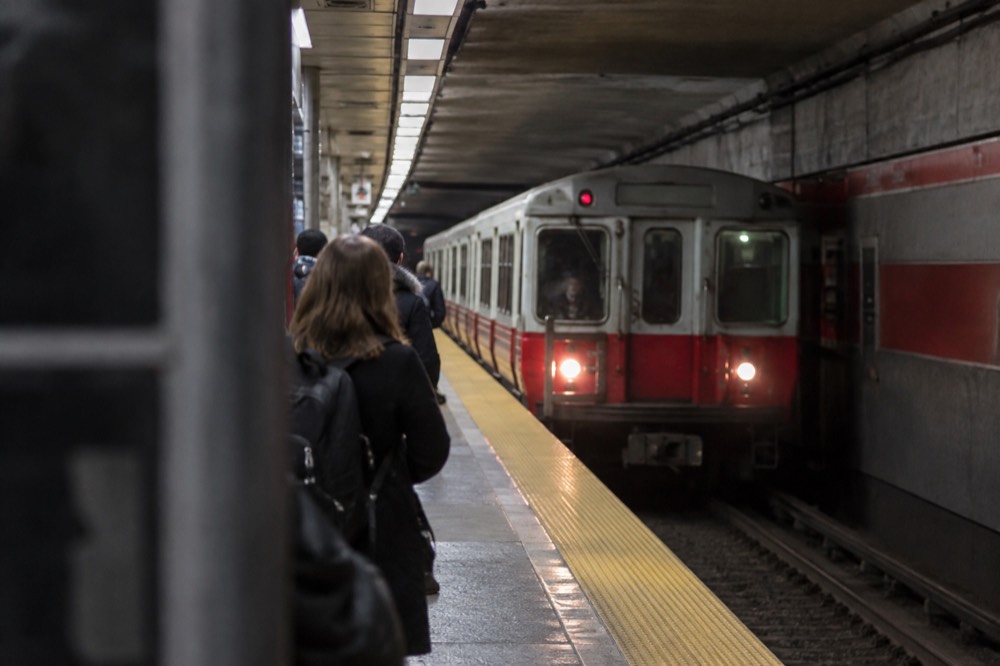
Arriving at Logan Airport, the cheapest route is the one Massport itself describes: the Silver Line SL1 provides free service from the terminal curb to South Station, where an in-station transfer to the Red Line lets you continue free if you remain within the paid area. Check the MBTA's service alerts before a weekend visit, because rolling track work has been closing segments of the system on weekends through the fall, with free shuttle buses provided. The getting around Boston overview covers the full network.
What Does A Harvard Campus Tour Cost?
Harvard offers a free official historical tour with reservations, an independent app option and separate paid student-led walks sold by independent operators. Compare the actual departure, duration and route. A paid ticket is not required simply to explore permitted public campus areas, and interior access is not included in the selected walk.
The selected paid walk covers campus landmarks and student stories under current visitor-access rules. Check its booked duration rather than relying on one rounded listing time, and do not assume interiors are included. The Harvard Yard and Campus guide helps with an independent route.
If a student-led walk through the yard appeals, book a Harvard campus guided walking tour here.
One honest note: the official Harvard tours run by the university itself, and the official MIT tours in nearby Kendall Square, are separate operations, and they can be arranged directly with the universities. See Harvard’s official tours for the free university-run option. The paid student-led walk above, and the free self-guided option, cover what most visitors actually want from an hour in the yard.
What Are The Best Things To Do In Harvard Square?
The core of a Harvard Square visit is four things: walk Harvard Yard and its brick gates and lawns, browse the bookstores that give the square its identity, eat in the surrounding blocks of restaurants and cafes, and visit one of the two university museums, the Harvard Art Museums or the Harvard Museum of Natural History. All four sit within a ten-minute walk of the Red Line station, so no transit is needed once you arrive.
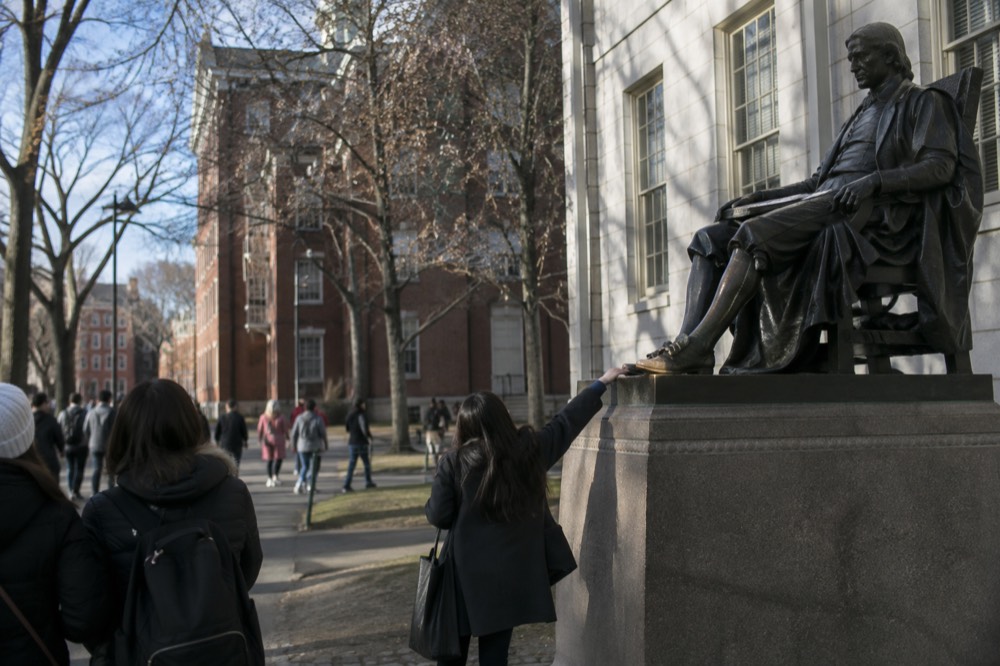
Start at Harvard Yard. The brick walls, the dormitories, and the John Harvard Statue are the postcard images, and the yard connects directly to the square's commercial streets. From there, the bookstores are the square's signature: Harvard Square has been a bookstore neighborhood for well over a century, and even after the closures that made national news, several independent shops and the Harvard Coop remain. The Coop is the university's cooperative bookstore and the square's most recognizable retail landmark, spread across multiple floors near the yard's main gate.

The two museums split the difference for a second half-day. The Harvard Art Museums hold the Fogg, Busch-Reisinger, and Sackler collections under one roof on Quincy Street, a short walk from the square. The Harvard Museum of Natural History is famous for the glass flowers, thousands of hand-blown botanical models made in the 19th century, and for its mineral halls. Both are indoor options, which matters in a city where every month averages between 3.21 and 4.30 inches of precipitation, with no dry season anywhere on the calendar. Street performers work the square's brick corners in warm weather, and the chess tables near the Coop are a permanent fixture of the landscape.
Check CityPASS’s current choices if the Harvard Museum of Natural History is one of four paid attractions you plan to use. The Harvard Art Museums are free and should not count toward a pass-savings calculation. Compare Boston CityPASS options
Where Should You Eat Around Harvard Square?
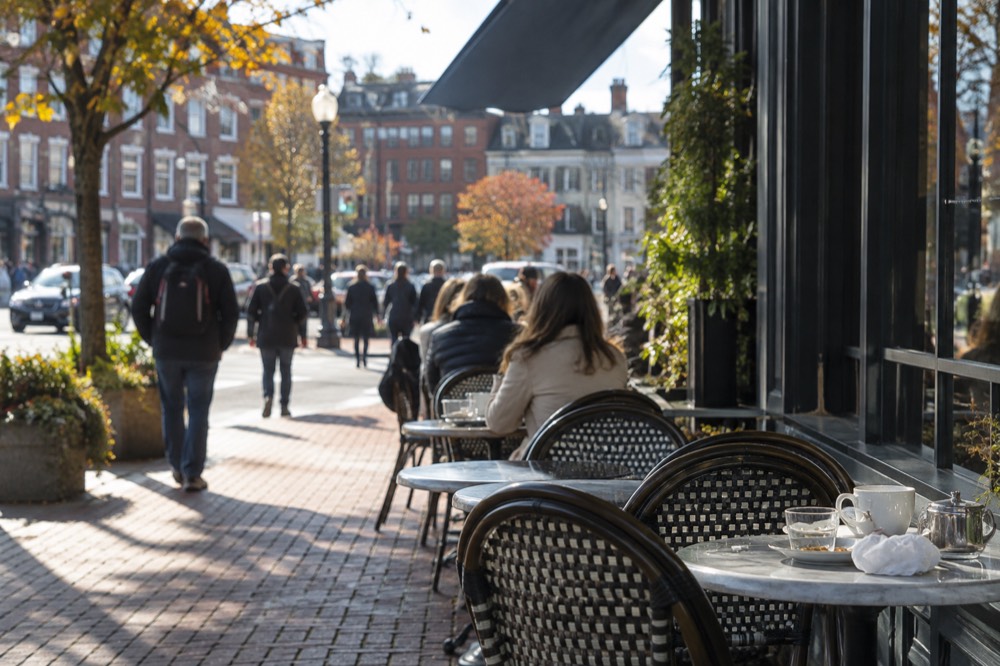
Harvard Square's food scene runs from long-standing student institutions to a dense strip of international restaurants along Massachusetts Avenue and the side streets of Cambridge. The square is surrounded by hundreds of restaurants within a mile, including ramen shops, burger institutions, and the cafes that anchor student life. No single restaurant dominates, and the honest planning advice is to walk Mass Ave and its side streets and pick by the queue.
The neighborhood's eating identity comes from the universities. With tens of thousands of students within a mile of the square, the restaurant base skews toward inexpensive, fast, and open late, with a few old-line institutions that have outlived generations of undergraduates. For visitors who want Boston's canonical dishes, clam chowder and lobster rolls appear on menus throughout the square, though the best lobster rolls are tracked elsewhere on this site, and the North End remains the definitive Italian neighborhood for a full dinner.
| What you want | Where to look around the square | Walk from Harvard station |
|---|---|---|
| Coffee and pastry | Square-side cafes and the bakeries on Mass Ave | 2-5 minutes |
| Quick student-priced lunch | Burger and ramen spots on Mass Ave and JFK Street | 2-5 minutes |
| Sit-down dinner | Brattle Street and Winthrop Street restaurants | 5-10 minutes |
| Late-night food | The blocks toward Central Square on Mass Ave | 10-20 minutes |
| Food halls and markets | Central Square, one Red Line stop south | 5 minutes by train |
Central Square, one Red Line stop south of Harvard, carries more of the everyday food traffic and less of the tourist premium, and it is the answer for anyone who finds the square itself crowded. Somerville, immediately north and also a separate city, extends the same corridor with its own dense restaurant scene, covered in the Somerville area guide.
How Does Harvard Square Compare To Boston's Own Neighborhoods?
Harvard Square offers bookstores, campus landmarks, food and university museums in Cambridge. It is not automatically quieter or cheaper than central Boston. Compare actual menus, dates and the interests that matter to your visit rather than treating a student population as a price guarantee.
Boston's own neighborhoods each carry a different weight. Back Bay holds the shopping and the brownstones, Beacon Hill the historic lanes, the North End the Italian dinner scene, and Charlestown the Navy Yard and the Bunker Hill Monument. Harvard Square competes with none of them on Revolutionary-era landmarks, because the Freedom Trail's 16 sites sit almost entirely in Boston and Charlestown, and 12 of those 16 charge nothing at all, per the National Park Service's published fees page.
| Area | City | Character | Best for |
|---|---|---|---|
| Harvard Square | Cambridge | Bookstores, cafes, campus | A half day, museums, cheap eats |
| Back Bay | Boston | Shopping, brownstones, architecture | Strolling and retail |
| Beacon Hill | Boston | Historic lanes, gaslit streets | Photography and charm |
| North End | Boston | Italian restaurants, Revolution sites | Dinner and dessert |
| Charlestown | Boston | Navy Yard, USS Constitution, Bunker Hill | Freedom Trail's northern half |
A morning downtown and an afternoon in Cambridge can work if you allow the actual journey. The small-group Freedom Trail walk lasts about 2.5 hours and finishes in the North End. It therefore does not fit inside a two-hour transfer window between rides before and after the tour; budget the transit you will actually use.
Check the downtown Freedom Trail walk’s timing before pairing it with Cambridge. Allow the separate Red Line journey after the approximately 2.5-hour walk; the guided route does not include Harvard. Check Freedom Trail walk dates
How Much Time Should You Spend In Harvard Square?
Plan a half day for the square itself, the yard, and a meal, and a full day if you add one or both university museums. The Harvard campus walk takes about an hour and ten minutes with a guide, or less if you self-guide, and the museums each merit two to three hours. Visitors trying to compress Harvard Square into a single Boston day trip should budget the afternoon: arrive after lunch, walk the yard, browse, eat, and take the Red Line back before dinner.
The Red Line makes the time budget forgiving. Trains run frequently, and the ride from Park Street to Harvard is roughly 20 minutes, so a wrong turn or a long coffee never costs more than a few minutes of recovery. The one scheduling trap is weekend track work: rolling diversions have been suspending Red Line and Green Line segments on fall weekends, with free shuttles replacing trains, so a trip that should take 20 minutes can take 45 on a diverted Saturday. The MBTA publishes the closures in advance, and checking the alerts page the morning of your visit is the reliable habit.
A Duck Tour is another separate outing, with boarding at Prudential Center, Museum of Science or the Aquarium. Choose the actual location and allow connections to Cambridge; there is no single “museum quarter” departure. The Duck Tour page covers its 80-minute land-and-Charles-River format.
Common Questions About Harvard Square And Cambridge
is harvard square in boston or cambridge?
Harvard Square is in Cambridge, which is a separate city from Boston, not a Boston neighborhood. Cambridge has its own city government and zip codes, and you cross the Charles River to reach it. The Red Line connects the two, but the municipal boundary is real.
how do i get to harvard square from downtown boston?
Take the Red Line directly to Harvard station. The one-way fare is $2.40, the ride runs about 20 to 25 minutes from Park Street or South Station, and since September 2026 that fare includes unlimited transfers within a two-hour window.
how much does a harvard campus tour cost?
The official university historical tour is free with reservations; a paid independent student-led walk has its own date-specific total and duration. Compare both schedules and permitted access before choosing. Neither requires buying a ticket just to visit publicly accessible parts independently.
what is there to do in harvard square?
Walk Harvard Yard, browse the bookstores including the Harvard Coop, eat along Massachusetts Avenue and its side streets, and visit the Harvard Art Museums or the Harvard Museum of Natural History. Everything sits within a ten-minute walk of the Red Line station.
is harvard square worth visiting?
Yes, for a half day. The square is compact, walkable, and inexpensive compared with Boston's central tourist zones, and the campus and museums give it substance beyond shopping. Pair it with a morning Freedom Trail walk for a full day that spans both cities.
is cambridge part of boston?
No. Cambridge and Somerville are separate cities; Brookline is a separate town. They share regional public transport but have their own local governments.
Choose Your Harvard Square Experience
These options do not match your choice. Adjust the selection or reset to explore the starting recommendation.
Compare Your Cambridge Activity Totals
Reader-entered estimates in USD, not live quotes. Use the same dates and travelers for both options. Include all relevant tickets, rooms, taxes, mandatory fees and transport for the entire trip once in each total. Do not add a transfer twice if your rate already includes it.
Harvard Student-Led Campus Walk
A student-led walking tour of Harvard in Cambridge. Review the route and meeting point; a free independent campus visit remains an alternative.
A starting option to explore. Choose dates, travelers and the exact booking option with the provider; availability and eligibility are confirmed there.
Check Harvard walk dates