Harvard Yard And Campus Tours
Harvard Yard is the historic heart of a university that sits, importantly for every trip planner, in Cambridge rather than Boston. Cambridge is its own city, with its own municipal government, its own zip codes and its own rules, and the distinction matters for transit fares, parking signs and hotel taxes alike. The campus draws enormous visitor traffic year round, and the question travelers actually ask is narrower than "should I go": it is whether to walk the Yard alone or take a guided walk, how to get there from downtown Boston, and what else in the area is worth the trip. This page answers all three, using the MBTA's own fare tables and the tour listings themselves as sources, because nobody writing this site has set foot in the Yard.
Short answer
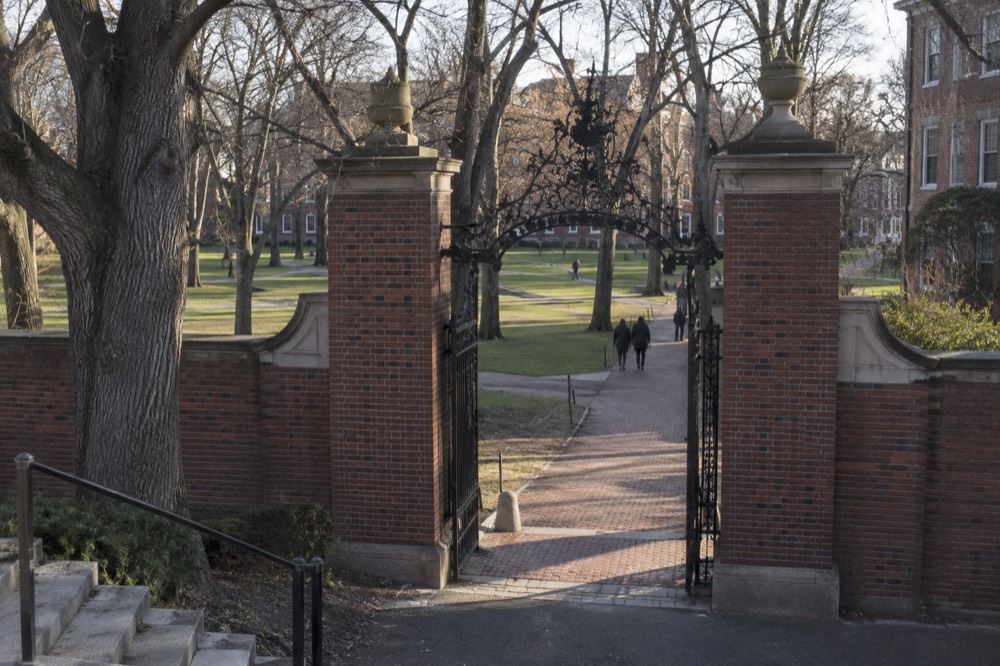
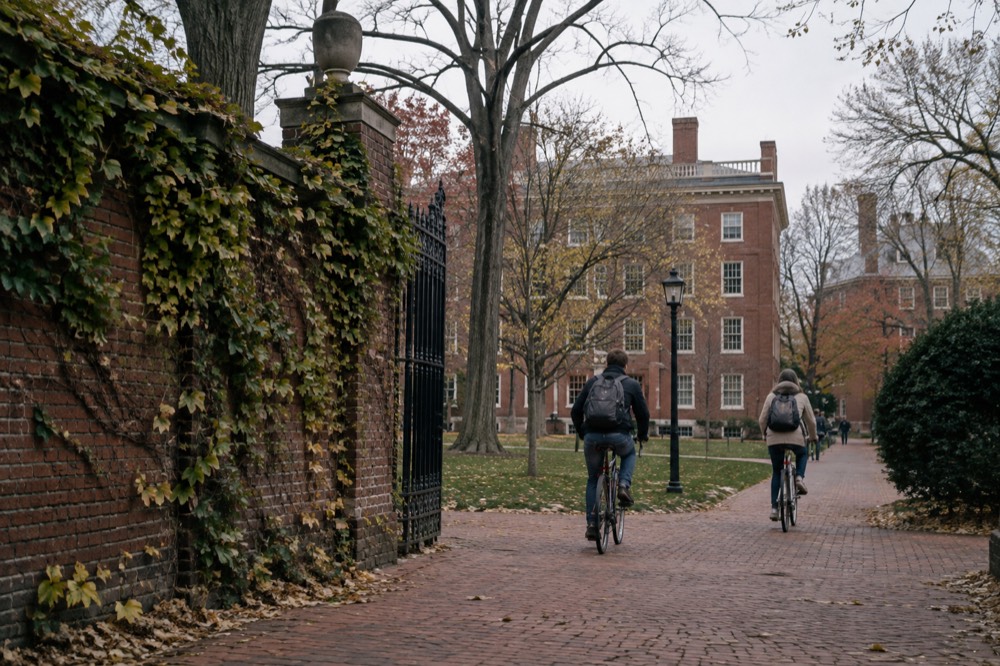
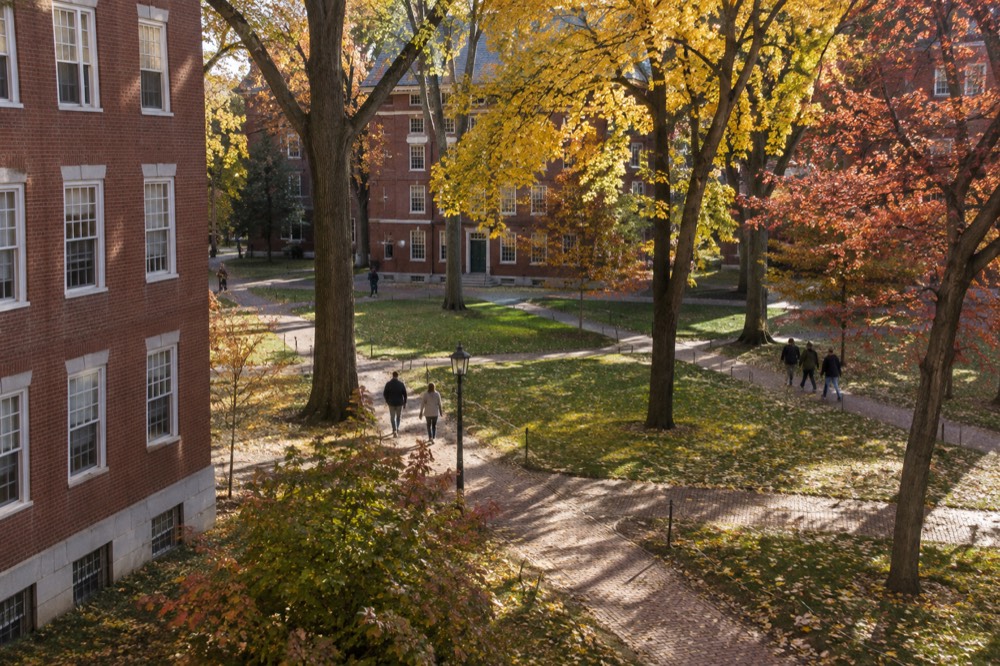
Harvard Yard is the oldest, most photographed part of Harvard's campus: a walled cluster of red brick buildings, gates, lawns and trees that most visitors reach through the Johnston Gate on Massachusetts Avenue, and it functions as the public face of the oldest university in the United States.
Harvard Yard And Campus Tours
Harvard Yard is the historic heart of a university that sits, importantly for every trip planner, in Cambridge rather than Boston. Cambridge is its own city, with its own municipal government, its own zip codes and its own rules, and the distinction matters for transit fares, parking signs and hotel taxes alike. The campus draws enormous visitor traffic year round, and the question travelers actually ask is narrower than "should I go": it is whether to walk the Yard alone or take a guided walk, how to get there from downtown Boston, and what else in the area is worth the trip. This page answers all three, using the MBTA's own fare tables and the tour listings themselves as sources, because nobody writing this site has set foot in the Yard.
Independent campus walking and Harvard’s own registered historical tour are free options. Want to compare a paid student-led walk for your date? Explore its actual departure and route; university interiors and museum admission are not included. Check Harvard walk dates
What Is Harvard Yard And Why Do Visitors Go?
Harvard Yard is the oldest, most photographed part of Harvard's campus: a walled cluster of red brick buildings, gates, lawns and trees that most visitors reach through the Johnston Gate on Massachusetts Avenue, and it functions as the public face of the oldest university in the United States. It is small enough to cross on foot in a few minutes and dense enough that a first time visitor routinely walks past the statue of John Harvard, Memorial Church and several classroom buildings without realizing which is which. The Yard anchors a wider campus that spreads through Cambridge, with libraries, museums and residential houses extending well beyond the brick walls. Tourists come for the history and the atmosphere, and because the Yard is genuinely open to the public in a way many famous campuses are not.
The John Harvard Statue deserves a specific mention because it is the single most photographed object on campus. It is also known informally as the Statue of Three Lies, a nickname campus guides lean on heavily: the inscription does not accurately depict John Harvard, he was not the university's founder, and the founding date engraved on the pedestal is contested. Whether a visitor hears that story from a student guide or reads it on a plaque is part of the appeal of a guided walk.
Around the Yard, and within a short walk of it, sit several institutions that are attractions in their own right: the Harvard Art Museums, the Harvard Museum of Natural History, and the lively commercial strip of Harvard Square with its bookstores, street performers and restaurants. A visit to the Yard can expand into a half day or a full day without much effort, and the Harvard Square and Cambridge area guide covers that wider neighborhood in detail.
Can You Walk Into Harvard Yard On Your Own?
Independent visits to Harvard Yard are generally free, but gate access can change for university events or security. Check current visitor instructions. The exterior landmarks can be explored without a paid guide when access is open. Building interiors are the exception: lecture halls, dormitories and libraries generally restrict entry, while Harvard Art Museums offer free general admission to everyone. Walking the Yard alone costs nothing beyond the subway fare that gets you there. The tradeoff is interpretive: on your own you see bricks and plaques, while a student guide supplies the stories, the nicknames and the corrections to campus mythology that turn a short walk into the thing people remember from their trip.
Self-guiding works well for travelers who like to move at their own pace. The Yard's layout is compact and legible, the main gates are obvious from Massachusetts Avenue, and the surrounding streets of Cambridge are pleasant to wander. Visitors who want structure can pair a self-guided Yard loop with the museums nearby, which together fill a morning comfortably.
Harvard’s own historical tour is free, student-led and requires advance registration; weekly places are released on Fridays. Its free visitor app also supports self-guided walks. A separate commercial student-led tour provides another dated booking option; compare the route, meeting point and terms.
A campus walk, Duck Tour and Freedom Trail walk serve different purposes and start in different places. Choose the one that fits your interests and allow travel time if combining them.
What Does A Guided Harvard University Tour Include?
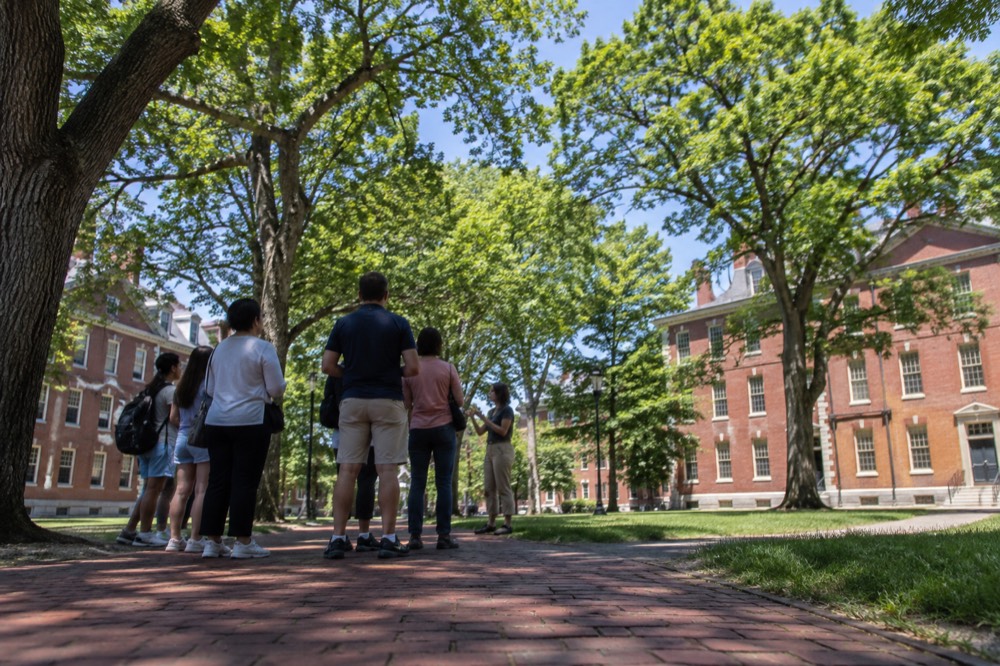
The commercial student-led Harvard walk takes roughly 70–75 minutes and explores campus history and outdoor landmarks. Check the exact departure, meeting point, final price and cancellation terms. Harvard’s own registered historical tour and its self-guided app offer free alternatives.
What the listing does not promise is building interiors. Campus buildings open and close on academic schedules, and no commercial walk can guarantee access to a library or lecture hall. What a guide reliably adds is routing and narrative: the efficient path through the Yard, the stories behind the statues and gates, and answers to the questions visitors actually ask, from admissions folklore to where students eat.
Before booking, check the current meeting point, cancellation deadline, walking demands and campus access restrictions. Allow time to reach Cambridge; no tour removes the possibility of weather, transit disruption or university closures.
The walk's short duration is worth planning around. A visitor could take a morning Freedom Trail walk on the Boston side, ride the Red Line to Harvard after lunch, take the 1 hour 10 minute campus walk in the early afternoon, and still have daylight for the Harvard Art Museums or a bookstore stop in the Square. That is a full and varied day, and none of its pieces run over three hours.
How Do You Get To Harvard From Boston?
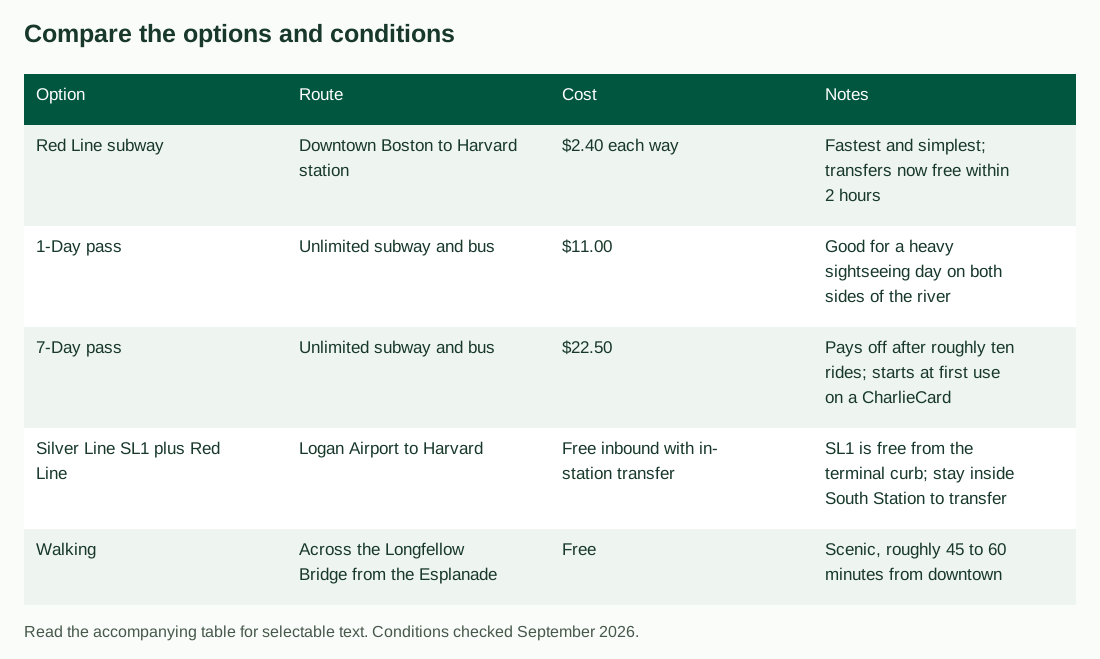
The Red Line's Harvard station sits directly beneath Harvard Square, between Central and Porter stations, and a subway ride from downtown Boston costs $2.40 each way per the MBTA fare table, with a 1-Day unlimited pass at $11.00 and a 7-Day pass at $22.50 for visitors making multiple trips. From Park Street near Boston Common, the ride to Harvard takes roughly 15 to 20 minutes, and the station exits put you at the edge of the Square, a two minute walk from the Yard's main gate. The Silver Line SL1 is free leaving Logan Airport to South Station, so an arriving visitor can reach Harvard from the airport without a transit fare when transferring inside South Station from the free SL1 to the Red Line. There is no more reliable way to say it: the Red Line is the visit.
The fare mechanics deserve a moment because they changed. The MBTA's fare page publishes the $2.40 subway fare, the $11.00 1-Day pass and the $22.50 7-Day pass, and the subway fares page confirms that the fare is valid on the Red, Orange, Green and Blue lines, the Mattapan Trolley and Silver Line routes. Since September 1, 2026, transfers within a two-hour window are unlimited when you pay with the same method, so a visitor who rides the Red Line to Harvard, hops a bus in Cambridge, and rides back pays only the highest single fare among those legs. That is a meaningful improvement over the old two-transfer cap.
| Option | Route | Cost | Notes |
|---|---|---|---|
| Red Line subway | Downtown Boston to Harvard station | $2.40 each way | Fastest and simplest; transfers now free within 2 hours |
| 1-Day pass | Unlimited subway and bus | $11.00 | Good for a heavy sightseeing day on both sides of the river |
| 7-Day pass | Unlimited subway and bus | $22.50 | Pays off after roughly ten rides; starts at first use on a CharlieCard |
| Silver Line SL1 plus Red Line | Logan Airport to Harvard | Free inbound with in-station transfer | SL1 is free from the terminal curb; stay inside South Station to transfer |
| Walking | Across the Longfellow Bridge from the Esplanade | Free | Scenic, roughly 45 to 60 minutes from downtown |
Street parking around Harvard Square is limited and regulated by Cambridge. Check the exact parking signs and payment instructions rather than assuming Boston rules apply. The Red Line is a useful alternative; cyclists can use Charles River routes and appropriate bridge crossings. The Boston bike and Segway tours guide covers separate guided rides.
What Can You See Around Harvard Square?
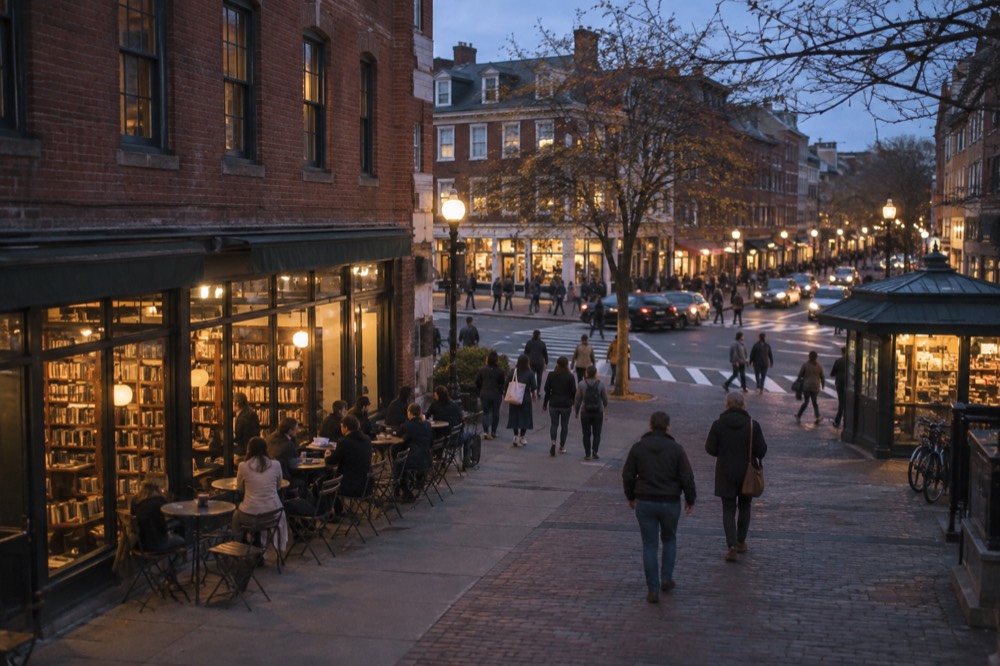
Harvard Square, the commercial district immediately around the Yard's gates, packs bookstores, cafes, restaurants, street performers and the historic Harvard Square itself into a few walkable blocks, and it is the natural place to eat, rest and people watch before or after a campus walk. The Square functions as Cambridge's living room in a way few commercial districts manage. Visitors arriving on the Red Line surface into the middle of it, and the Yard's Johnston Gate sits a couple of minutes' walk away. Between the two, a visitor passes newsstands, coffee shops and the kind of independent bookstore that has become rare elsewhere, which is precisely why the area rewards an unhurried hour.
The surrounding blocks hold enough to fill a half day without repeating yourself. The Harvard Art Museums attraction guide covers the university's combined art collections a few blocks from the Yard, and the Harvard Museum of Natural History guide covers a museum whose glass flower exhibits are unlike anything else in the region. Both are indoor options that make a Harvard visit weatherproof.
| Stop Near the Yard | What It Is | Time to Allow |
|---|---|---|
| Harvard Square | Bookstores, cafes, street performers, people watching | 1 hour |
| Harvard Art Museums | University art collections in one building | 1 to 2 hours |
| Harvard Museum of Natural History | Natural history exhibits, famous glass flowers | 1 to 2 hours |
| The Yard itself | Gates, John Harvard Statue, Memorial Church exterior | 30 to 60 minutes |
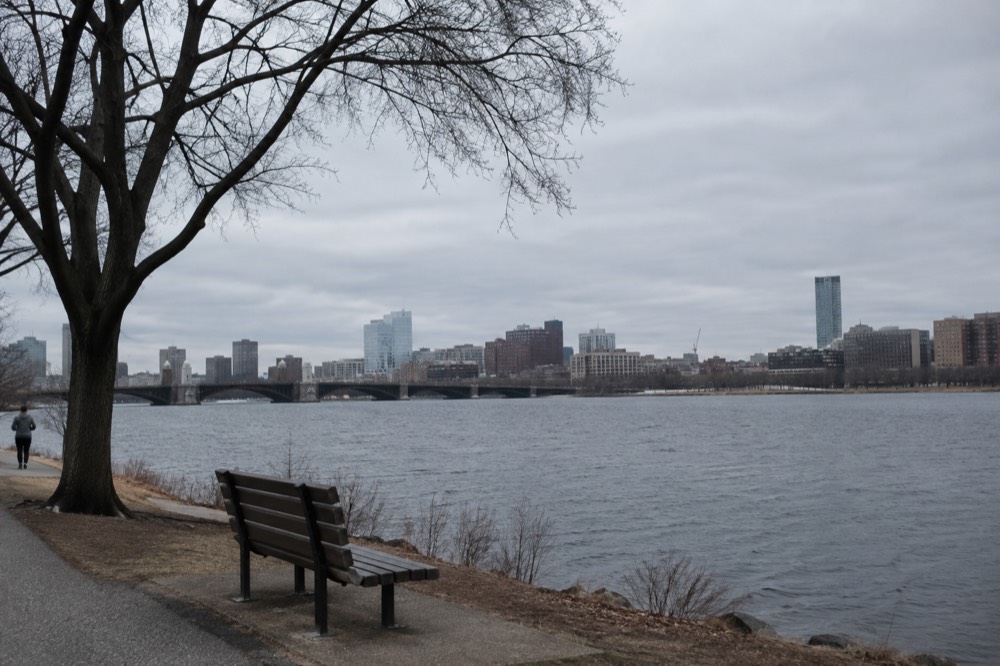
| Charles River banks | Walkable waterfront paths toward the Boston skyline | 30 minutes or more |
Food options cluster in and around the Square, and the Boston food tours guide covers guided eating on the Boston side for travelers who want a structured version. For a self-guided meal, the Square's range runs from quick pizza to sit down dining, and prices vary widely, so check menus before committing. Evening visitors should know the Square stays active late, which makes Harvard a reasonable after dinner destination for anyone staying in downtown Boston: the Red Line runs back across the river until late in the evening.
For a sweet way to explore the Square, book a food tour here.
Are Harvard's Museums Worth Adding To Your Visit?
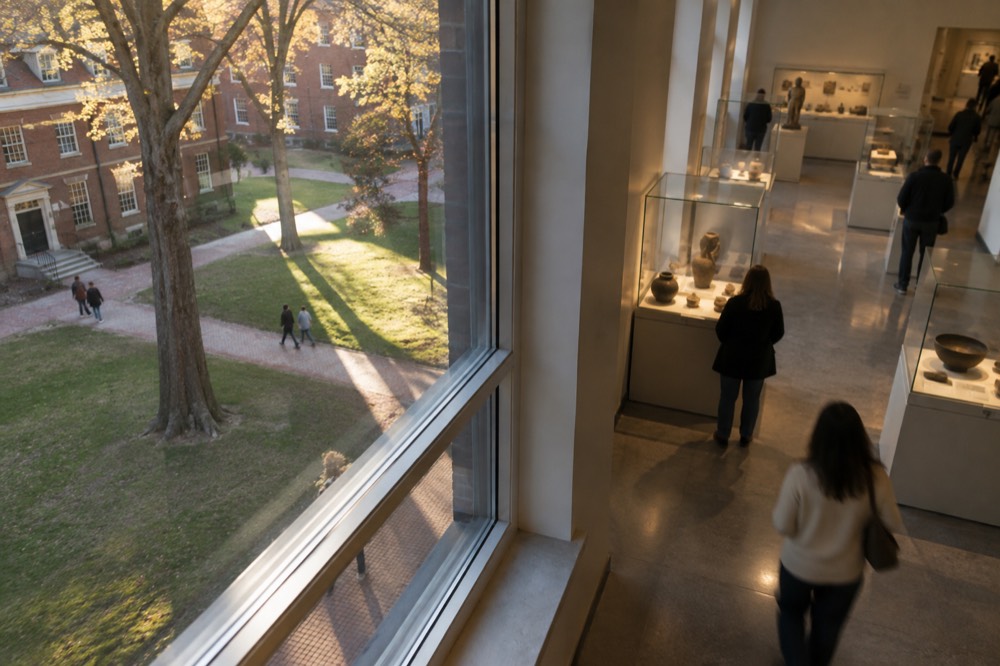
Harvard Art Museums are free for everyone, while Harvard Museum of Natural History charges $20 adults with concessions and free eligibility available. Both are near the Yard, but check opening days. Natural History admission includes the Peabody Museum and can be bought directly at the desk; the Art Museums need no attraction pass.
The university's museums reward the same kind of visitor as the campus walk: someone who likes context. A student guide's stories in the Yard make more sense when you then stand in front of what the institution has collected over centuries, and the museums are the visible proof of that accumulation. More of these guides are collected on Boston Travel Guide.
MIT is a separate campus near Kendall Square, around two miles from Harvard Square. The MIT Museum attraction guide covers its technology collections, and the Boston University campus visits guide covers another university across the river. Compare free official visitor resources with any separate commercial tour.
Curious whether a Natural History Museum visit fits a wider attraction pass? Explore CityPASS only if you want four eligible attractions. Harvard Art Museums are already free, and the campus walk is not included in this pass. Compare Boston CityPASS options
What Does A Harvard Visit Cost?
An independent Yard visit, when access is open, and Harvard Art Museums admission are free. Add the actual transport fares, food and any optional paid walk or Natural History ticket to your budget. Two separately charged subway rides cost $4.80; eligible transfers can change the total.
| Item | Cost | Basis |
|---|---|---|
| Red Line | $2.40 per separately charged ride | Eligible transfers may reduce total |
| One-day pass | $11 | Compare actual paid journeys |
| Commercial campus walk | Current date-specific checkout | Optional, separate from museum entry |
| Yard and official visitor resources | Free | Access restrictions or registration may apply |
| Harvard Art Museums | Free | Check opening days |
| Natural History Museum | $20 adult | Concessions/free eligibility; includes Peabody |
Two budget notes from elsewhere on this site. First, the MBTA's two-hour transfer window, in effect since September 1, 2026, means a Red Line ride combined with a bus or a connection back downtown costs only the highest single fare, not the sum. Second, visitors stacking a Harvard walk with Boston sightseeing should compare the 1-Day pass at $11.00 against individual fares; five separately charged $2.40 rides exceed $11; free transfers reduce the number of fares you actually pay. The free things to do in Boston guide lists no cost options on the Boston side for travelers building a low budget day.
How Do You Combine Harvard With The Rest Of A Boston Trip?
Harvard pairs naturally with a downtown Boston morning, because the Red Line connects the Yard to Park Street in under 20 minutes, and the most common pattern is a morning Freedom Trail walk or duck boat ride on the Boston side followed by an afternoon campus walk, a sequence that fits inside one day and covers Revolutionary history, the Charles River and the university in a single sweep. The geography cooperates: the Freedom Trail's heart, Boston Common and downtown, sits at one end of the Red Line, and Harvard Square sits at the other. A visitor does not need a car, a tour bus or a plan beyond the subway map.
| Combo | Morning | Afternoon | Total Tour Time |
|---|---|---|---|
| History plus campus | Freedom Trail walk on the Boston side | Harvard campus walk | About 4 hours |
| Water plus campus | Duck boat sightseeing cruise | Harvard campus walk plus Square | About 3.5 hours |
| Museums day | Harvard Art Museums and natural history museum | Walk the Yard, Red Line back for dinner | Flexible |
| Full campus day | Harvard walk and Harvard Square | Red Line to MIT Museum in Cambridge | About 5 hours |
A morning Freedom Trail walk can pair with Harvard later, but the shorter 2.5-hour guided route ends in the North End. Allow walking and transit to Cambridge. You can also follow the free outdoor route independently; paid interiors are optional. The Freedom Trail tours guide compares route formats.
Further reading: National Park Service's own hours and fees page.
A Duck Tour lasts about 80 minutes, including its Charles River segment. Travel from the selected Boston boarding point to Harvard afterward; the boat does not deliver passengers to Cambridge. The Boston duck tours guide explains the options.
Sports fans have a third pairing worth naming: Fenway Park's guided ballpark tours sit a manageable distance away, and the Fenway Park tours guide covers the tour types, from a 15 minute version at $20 to the hour long standard tour at $30 per the Red Sox's own tours page. A morning Fenway tour, a midday Red Line ride and an afternoon Harvard walk is an ambitious but doable Boston day.
Check the Boston Common meeting time before combining a downtown history walk with Harvard. The roughly 2.5-hour Freedom Trail route ends in the North End, so allow your own walk and Red Line journey to Cambridge afterward. Check Freedom Trail walk dates
When Is The Best Time To Visit Harvard Yard?
Independent Yard visits are generally free, but gate access can change for university events or security in any season. Check current instructions and the forecast before traveling. Museums provide indoor alternatives only during their own opening hours.
Weather planning should follow Boston's actual climate rather than folklore. The NOAA normals for Boston show no wet season and no dry season: every month averages between 3.21 and 4.30 inches of precipitation, so a rain plan matters in every season equally. Snow concentrates hard in winter, with 49.2 inches falling in a normal year and 58 percent of it landing in January and February combined. A February visit to the Yard can be beautiful in snow and bitterly cold in wind, so layer accordingly and keep the museums as a warm backup.
Common Questions About Visiting Harvard Yard
The questions below are the ones travelers ask most often about visiting the Yard, answered from the fare tables, the tour listings and the museums' own published information.
can you walk into harvard yard on your own?
Independent visits are generally free, but check current gate access and university restrictions before going. Building interiors are generally restricted, but the gates, lawns, the John Harvard Statue and exterior architecture are all visible on a self guided walk.
how do i get to harvard yard from boston?
Take a Red Line train toward Alewife from downtown stations such as Park Street to Harvard. The MBTA fare table lists the one way subway fare at $2.40, and the ride takes roughly 15 to 20 minutes from Park Street. The station exits directly into Harvard Square, a two minute walk from the Yard.
how much does a harvard university tour cost?
Harvard’s own historical tour is free with registration. A separate commercial student-led walk has a date-specific price and lasts roughly 70–75 minutes. Compare the route, meeting point and terms; museum and university interiors are not included.
is harvard in boston?
No. Harvard sits in Cambridge, which is a separate city with its own government, zip codes and municipal rules. Boston and Cambridge face each other across the Charles River, and the Red Line connects them in minutes, but they are distinct cities, as is Somerville; Brookline is a separate town.
is harvard yard free to visit?
Independent access is generally free, subject to current gate restrictions. Harvard Art Museums are also free. Budget separately for transport, food and optional paid experiences.
how long should i spend at harvard?
The Yard alone takes 30 to 60 minutes at a relaxed pace. With a guided walk, the Square and one museum, plan a half day of roughly 3 to 5 hours. Travelers combining Harvard with a morning of Boston sightseeing should budget the full day.
Choose A Guided Addition To Your Harvard Visit
These options do not match your choice. Adjust the selection or reset to explore the starting recommendation.
Compare Your Harvard Visit Totals
Reader-entered estimates in USD, not live quotes. Use the same dates and travelers for both options. Include all relevant tickets, rooms, taxes, mandatory fees and transport for the entire trip once in each total. Do not add a transfer twice if your rate already includes it.
Harvard Student-Led Campus Walk
A student-led walking tour of Harvard in Cambridge. Review the route and meeting point; a free independent campus visit remains an alternative.
A starting option to explore. Choose dates, travelers and the exact booking option with the provider; availability and eligibility are confirmed there.
Check Harvard walk dates