MIT Museum And Campus
The MIT Museum lives at the edge of Kendall Square, in the part of Cambridge where the biotech labs, startup offices, and institute buildings crowd together a few blocks from the river. It is the public face of a university that does not otherwise open much of itself to visitors, and its galleries translate the work happening behind those doors into things a non-scientist can stand in front of and actually enjoy. Boston Travel Guide treats it as a half-day stop in Cambridge rather than a Boston proper attraction, and that distinction matters for planning: Cambridge is a separate city with its own government, its own zip codes, and its own rules, even though the Red Line makes the trip feel effortless.
Short answer
The MIT Museum is a science, technology, and design museum in Kendall Square, Cambridge, operated by the Massachusetts Institute of Technology to showcase its own research and collections. Its permanent galleries cover holography, robotics, artificial intelligence, and the institute's history of building things, and its building on Main Street also hosts rotating exhibitions drawn from MIT's archive of scientific instruments and student work. It is not a general natural history museum and it is not a children's museum, though kids enjoy much of it.
The MIT Museum lives at the edge of Kendall Square, in the part of Cambridge where the biotech labs, startup offices, and institute buildings crowd together a few blocks from the river. It is the public face of a university that does not otherwise open much of itself to visitors, and its galleries translate the work happening behind those doors into things a non-scientist can stand in front of and actually enjoy. Boston Travel Guide treats it as a half-day stop in Cambridge rather than a Boston proper attraction, and that distinction matters for planning: Cambridge is a separate city with its own government, its own zip codes, and its own rules, even though the Red Line makes the trip feel effortless.
Museum admission is separate from a campus walk, and MIT also publishes free self-guided visitor resources. Want student-led stories around Kendall Square and the campus? Explore the commercial MIT walk and compare its departure with your museum plans. Check MIT campus walk dates
What Is The MIT Museum?
The MIT Museum is a science, technology, and design museum in Kendall Square, Cambridge, operated by the Massachusetts Institute of Technology to showcase its own research and collections. Its permanent galleries cover holography, robotics, artificial intelligence, and the institute's history of building things, and its building on Main Street also hosts rotating exhibitions drawn from MIT's archive of scientific instruments and student work. It is not a general natural history museum and it is not a children's museum, though kids enjoy much of it.
That last point is worth dwelling on, because visitors arrive with the wrong comparison half the time. The museum's identity comes from MIT itself: it collects the artifacts of engineering culture, from prototype robots to holographic art to documents from the institute's labs. The emphasis is on how ideas become objects. A gallery might pair a working robot with the notebook page that first sketched it, or a hologram with the optical bench that produced it.
The museum moved into its current purpose-built home on Main Street after years in a cramped location on Massachusetts Avenue that was easy to miss. The new building gives the collections room they never had before, and it sits directly in the middle of Kendall Square's tech district, surrounded by the companies and labs that grew out of the institute. That placement is deliberate. The museum wants to be the window into the ecosystem around it, and geographically it now is.
For a Boston itinerary, the honest framing is this: if you care about science, engineering, or design, the MIT Museum is a top-tier stop, and it is different in kind from anything on the Boston side of the river. If your interest in the area is mainly Revolutionary history, the Freedom Trail will fill your day first, and the museum is a second-visit item. Plenty of travelers split the difference, spending a morning in Cambridge and an afternoon downtown, and the Red Line makes that split painless.
What Will You Actually See Inside?
The core of the visit is a set of permanent galleries: a large holography collection, robotics and artificial intelligence exhibits, interactive design and build spaces, and displays drawn from MIT's historical collections of instruments and machines. The museum also runs temporary exhibitions, usually one or two at a time, so a portion of any visit is new even for returning locals. Plan on roughly two hours, longer if you engage with the hands-on areas.
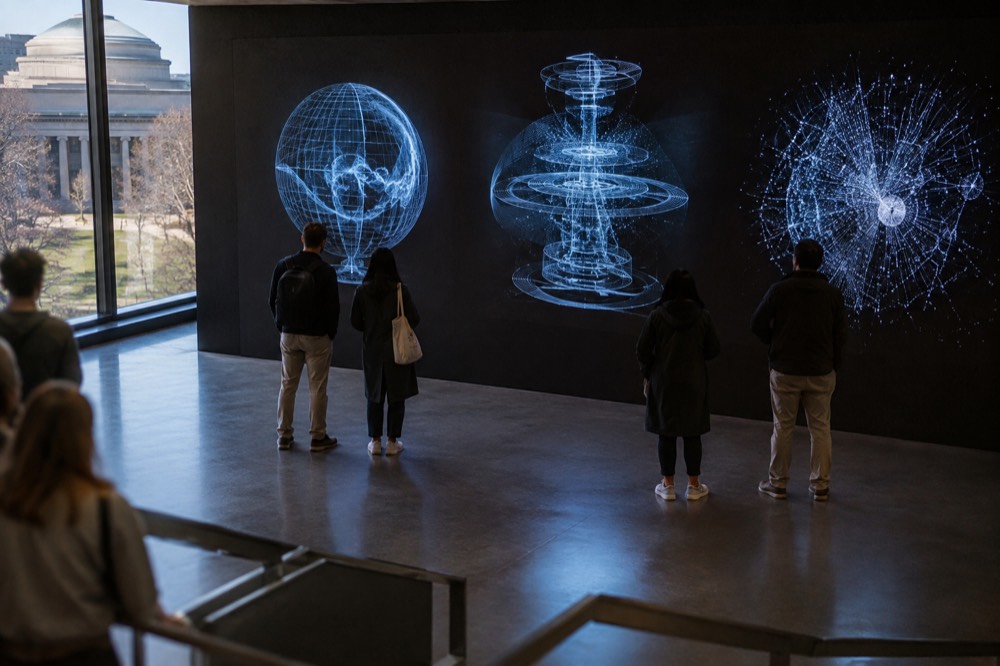
The museum holds a major holography collection, including art and technical material. Holdings rotate and may be in storage or research use, so check the current exhibition list if holography is your main reason for visiting rather than assuming a permanent dedicated gallery.
The robotics and AI material is the other anchor. MIT's robotics groups have produced decades of walking machines, swimming gliders, and social robots, and the museum shows them alongside current research in machine learning, presented for a general audience rather than for engineers. The exhibits tend to be working or at least demonstrable, which keeps younger visitors engaged, though the museum is not a playground and the tone stays more thoughtful than the Boston Children's Museum across the river.
The design spaces round it out. Parts of the museum are built for making and testing rather than looking, with materials and challenges aimed at the engineering-mindset visitor, adults included. The historical collections supply the connective tissue: instruments, machines, and documents that trace how the institute has answered practical questions for more than a century.
Check the current exhibition calendar and opening hours at 314 Main Street before traveling. The museum’s collections and working research programs do not guarantee a particular hologram or robot is on display. Allow around two hours, more for activities or a special exhibition.
How Do You Get To The MIT Museum?
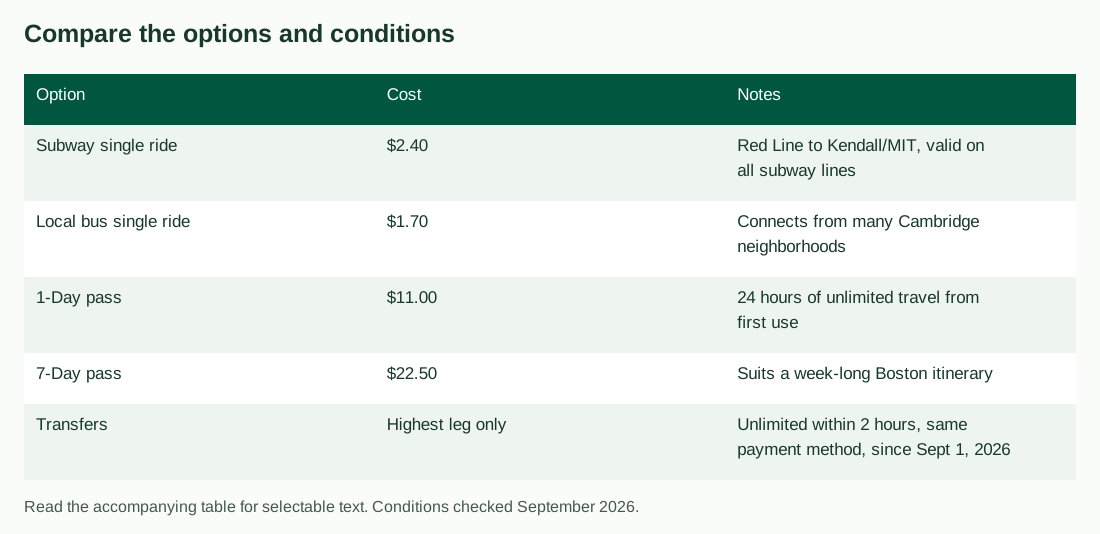
Take the MBTA Red Line to Kendall/MIT station, which sits about a block from the museum's Main Street entrance, and the ride from downtown Boston takes under ten minutes. A subway fare is $2.40 each way, and since 1 September 2026 you can transfer freely between subway, bus, and ferry within a two-hour window, paying only the highest-priced leg. Cambridge is a separate city, but the MBTA treats it as one network, so no special ticket is needed.
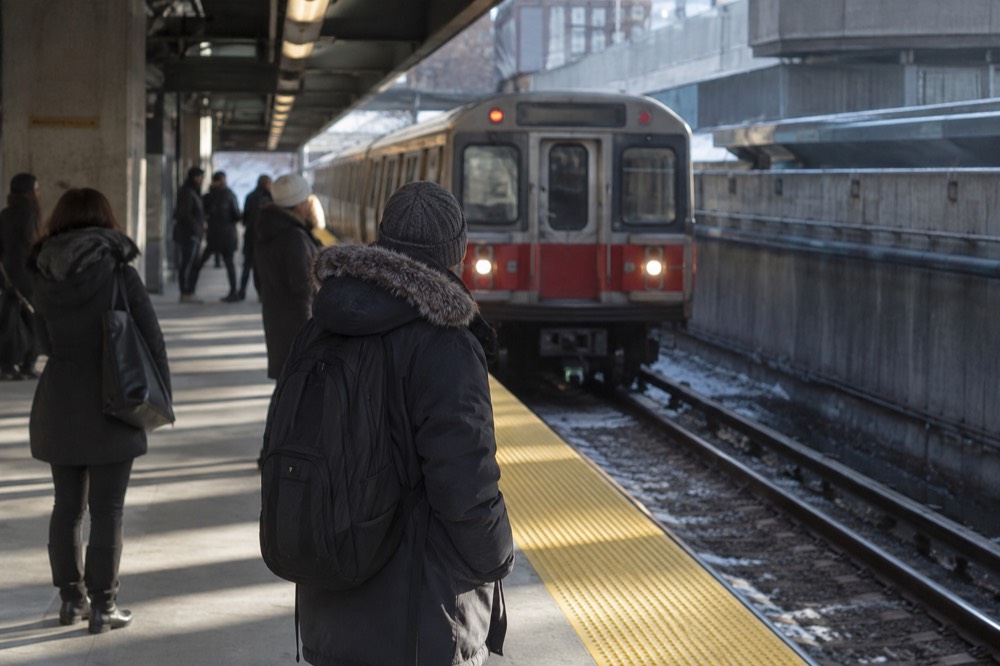
Kendall/MIT is one of the best-placed stations in the whole system for a museum visitor. You come up out of the ground in the middle of Kendall Square, and the museum is a short walk along Main Street, past the plaza and the tech offices. From Park Street downtown, the Red Line ride is five or six minutes. From South Station, ride the Red Line toward Alewife directly through Park Street to Kendall/MIT; no train change is needed. The MBTA publishes transfer rules. The fare table at the MBTA's fares page carries the current numbers, including the $11.00 1-Day and $22.50 7-Day unlimited passes if a pass makes sense for your itinerary.
The September 2026 transfer pilot uses a two-hour window from the initial tap, with the same payment method. A long museum visit does not extend that window, so an afternoon ride may require another fare. A pass on a CharlieTicket starts at purchase; a CharlieCard pass starts at first use.
| Option | Cost | Notes |
|---|---|---|
| Subway single ride | $2.40 | Red Line to Kendall/MIT, valid on all subway lines |
| Local bus single ride | $1.70 | Connects from many Cambridge neighborhoods |
| 1-Day pass | $11.00 | 24 hours of unlimited travel from first use |
| 7-Day pass | $22.50 | Suits a week-long Boston itinerary |
| Transfers | Highest leg only | Unlimited within 2 hours, same payment method, since Sept 1, 2026 |
From Logan, take the free SL1 from the terminal curb to South Station, then transfer inside the station to an Alewife-bound Red Line train for Kendall/MIT. The free transfer is useful, but allow for airport traffic, waiting and the final walk; fifteen minutes is not a realistic total airport-to-museum journey.
Further reading: Massport's own airport transport page.
Driving is the weaker option. Cambridge street parking around Kendall Square is scarce and metered, so transit is usually simpler for this visit. Weekends bring occasional MBTA diversions, including Green Line work that has closed some central segments on weekends through September and October 2026, so check service alerts the morning you travel. The Red Line itself has had its own maintenance windows, and a five-minute check of the MBTA site saves an unplanned shuttle-bus ride.
How Much Does The MIT Museum Cost?
MIT Museum’s posted admission is $20 for adults, $15 for seniors 65+, and $10 for students with ID and ages 6–18. Children five and under enter free, and a two-adult/two-youth family ticket is $55. Check free eligibility before paying, including Cambridge Resident Membership and MIT community benefits.
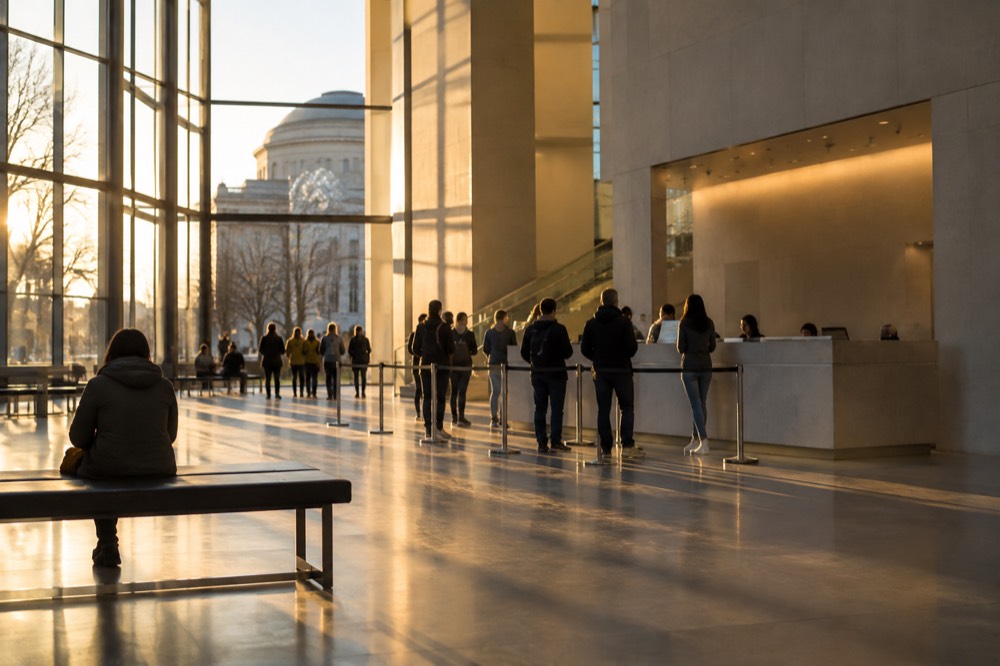
That residency warning deserves unpacking, because Boston museum pricing is full of traps for out-of-state visitors. The city's famous "free museum days" are overwhelmingly residency benefits. The Museum of Fine Arts states that visitors "must supply a valid Massachusetts zip code to gain free admission" on its open house days, the New England Aquarium's discount covers six New England states, and Card to Culture requires a Massachusetts EBT, ConnectorCare, or WIC card. The tourist-accessible exceptions are specific: the MFA's $5 Third Thursdays after 5pm, the ICA's free Thursday nights from 5 to 9pm with an advance ticket, Gardner’s free Thursday evenings and youth/eligible Isabella admission, and Harvard Art Museums’ free general admission.
MIT Museum does offer free admission to Cambridge Resident Members, so local and visitor costs can differ. Other published free categories include MIT community members plus a guest, eligible Massachusetts EBT cardholders and family, active military under Blue Star terms, Massachusetts Teachers Association members, and museum staff with ID. Check the exact requirements before booking.
For comparison shopping, here is what the verified walk-up rates look like at the major museums on both sides of the river, from each venue's own published pricing:
| Museum | Adult | Where It Sits | Source Basis |
|---|---|---|---|
| Museum of Science | $33.00 | Boston, Science Park | Venue pricing page |
| New England Aquarium | $39.95 | Boston, Central Wharf | Venue pricing page |
| Museum of Fine Arts | $30.00 | Boston, Fenway | Venue pricing page |
| Isabella Stewart Gardner | $25.00 | Boston, Fenway | Venue pricing page |
| ICA Boston | $20.00 | Boston, Seaport | Venue pricing page |
| MIT Museum | $20 adult | Cambridge, Kendall Square | Museum’s admission page |
Boston CityPASS offers four of seven eligible attractions and excludes MIT Museum. Go City lists an MIT campus tour, not this museum’s admission. Keep your museum ticket separate and compare any pass against only the other paid attractions you actually plan to use.
Is The MIT Museum Good For Kids?
Yes, with a boundary: it suits curious kids roughly eight and up better than toddlers, because the exhibits reward reading and patience more than climbing. The hands-on design areas and the robots give children real things to do, and the holography gallery lands with almost every age, but this is a museum about ideas, not a soft-play space. Families with very young children usually prefer the Boston Children's Museum for the same afternoon energy.
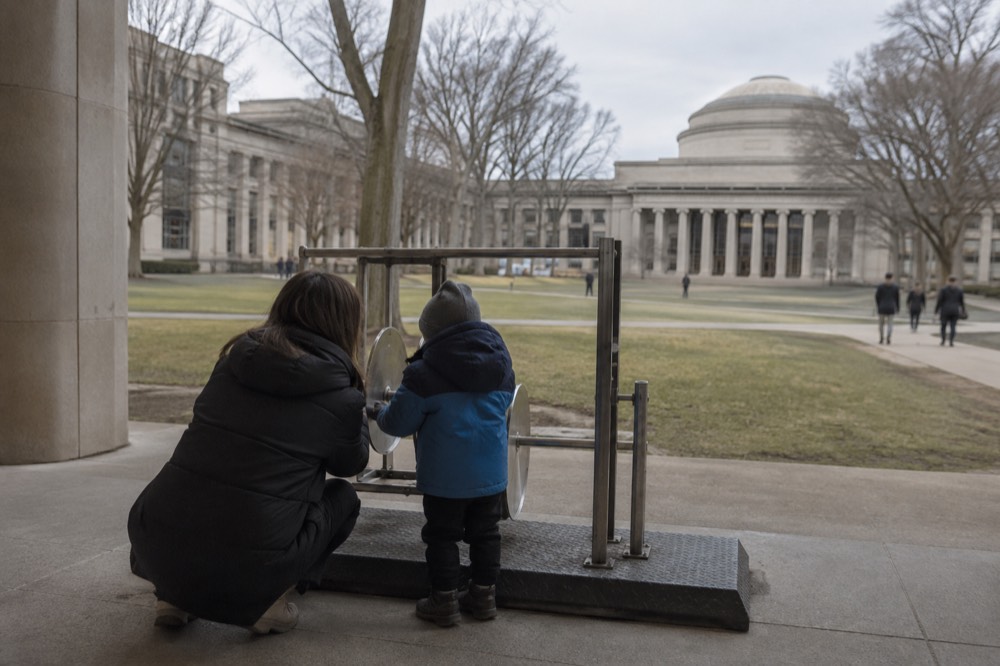
The eight-and-up framing is a generalization, and plenty of six-year-olds will happily watch a robot for twenty minutes. But the museum's labels are written at an adult reading level, the interactive stations involve genuine construction and problem-solving, and the crowd skews toward students, visiting researchers, and design-minded adults. A family visit works best when a grown-up is prepared to explain, translate, and slow down.
Teenagers are a different story, and the museum is arguably at its strongest with them. A teenager with any interest in computers, engineering, or design will find the AI and robotics galleries speaking directly to their world, and Kendall Square outside is a living demonstration of where those interests lead professionally. If your teen is lukewarm on Revolutionary Boston, this is the stop that will not feel like homework.
For a full family day, pairing the MIT Museum with the Harvard Museum of Natural History is the classic Cambridge double, though two museums in one day is a lot for younger kids. The alternative is a museum morning and an afternoon outdoors along the Charles, which costs nothing and burns off the sitting-still energy.
What Else Is Near The MIT Museum?
Kendall Square puts you within a fifteen-minute walk of the Charles River waterfront, MIT's main campus buildings, and the start of Cambridge's tech district, with Harvard Square two Red Line stops toward Alewife. The museum itself anchors a neighborhood of plazas, food halls, and startup offices, and the riverbank path back toward Boston offers one of the better skyline views in the area. Most visitors pair the museum with either MIT's campus or the river walk.
Want to see the river and skyline from the water? Book a sightseeing cruise ticket here.
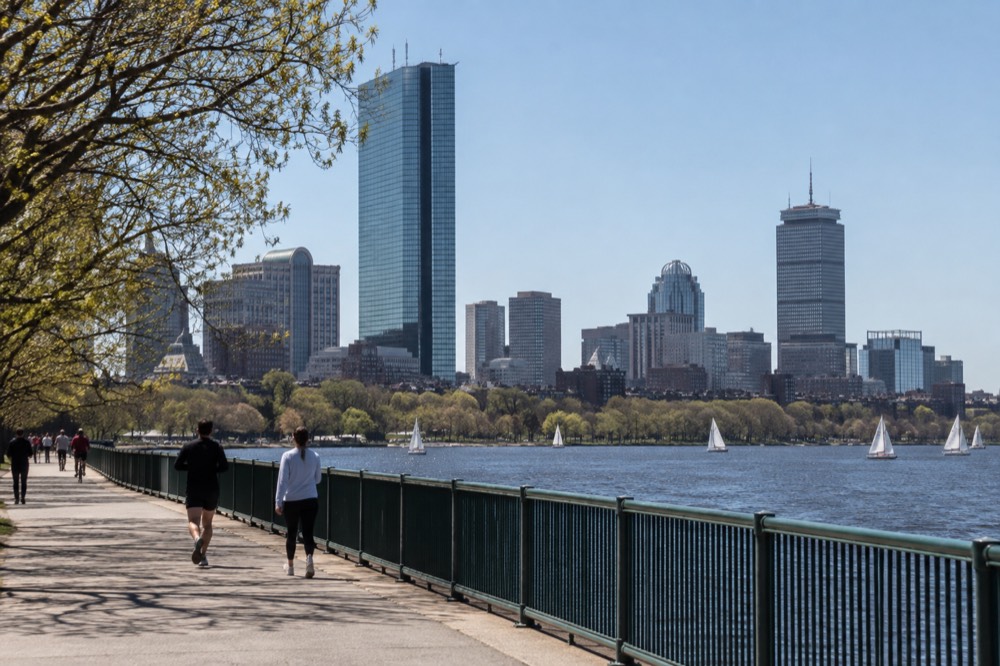
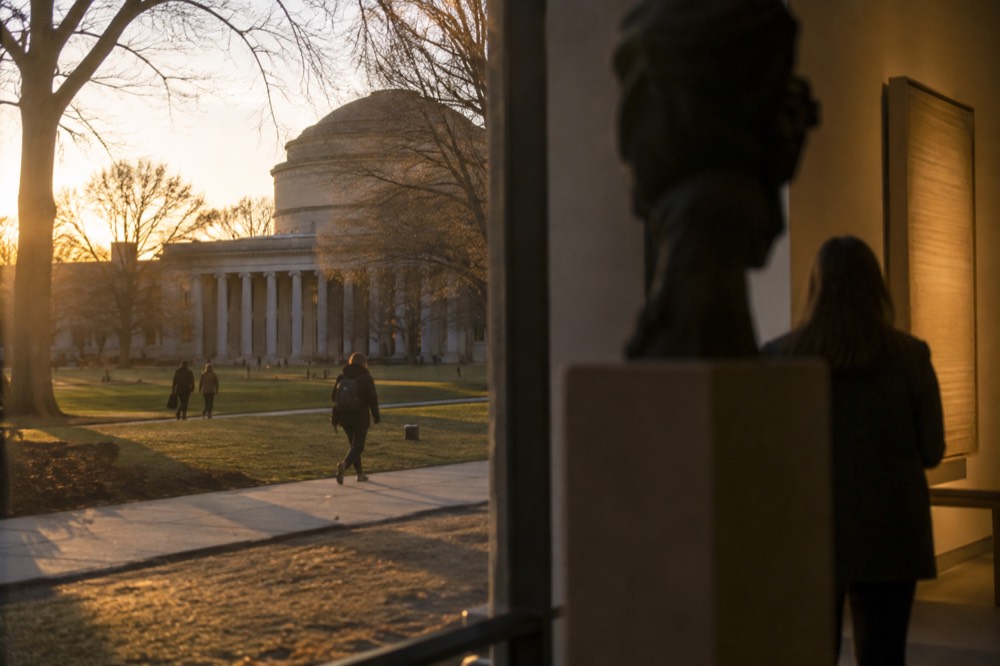
The campus itself is the obvious companion. MIT's buildings, including the Stata Center's angular Frank Gehry facade and the great dome of Building 10, are walkable in an hour, and you should follow MIT’s current visitor access rules rather than assume every corridor or academic building is open. The outdoor sculpture collection, including pieces scattered across the lawns, turns a campus stroll into a scavenger hunt. What you cannot do is book an official MIT campus tour through this site: official institute tours are run by MIT itself and are not sold on any platform this site uses, so arrange those through the university directly if you want one.
Harvard is the other pole of Cambridge. The Red Line runs from Kendall/MIT through Central to Harvard Square in two stops, and Harvard Yard and the campus make a natural second half of a Cambridge day. The Harvard Museum of Natural History sits a short walk from the Square and covers the natural world where the MIT Museum covers the engineered one. Between them, the two museums bracket the whole idea of a university collection.
| Nearby Stop | Red Line Ride from Kendall | What It Offers |
|---|---|---|
| Harvard Square | 2 stops | Harvard Yard, shops, the natural history museum |
| Central Square | 1 stop | Music venues, international restaurants |
| Park Street, downtown | 2 stops | Boston Common, the Freedom Trail start |
| Charles/MGH, riverbank | 1 stop | Charles River walk, skyline views |
| South Station | 4 stops | Commuter rail, Amtrak, buses and Silver Line; walk onward to waterfront ferries |
Heading the other direction, downtown Boston is minutes away by Red Line, and a Cambridge morning flows easily into a Boston afternoon at Faneuil Hall and Quincy Market or along the Freedom Trail, where the outdoor route is free and historic interiors set their own admission fees. The USS Constitution and Bunker Hill are free too, per the National Park Service's own fees page, so a zero-spend afternoon after a paid museum morning is entirely doable.
Can You See The MIT Museum And Boston In One Day?
Yes, comfortably, because the Red Line makes Cambridge a ten-minute extension of downtown. A realistic single day runs the museum in the morning, lunch in Kendall Square or Harvard Square, the river walk after, and downtown Boston through the late afternoon and evening. Travelers trying to add Fenway Park or the harbor islands to the same day will run out of legs, so pick downtown or the waterfront, not both.
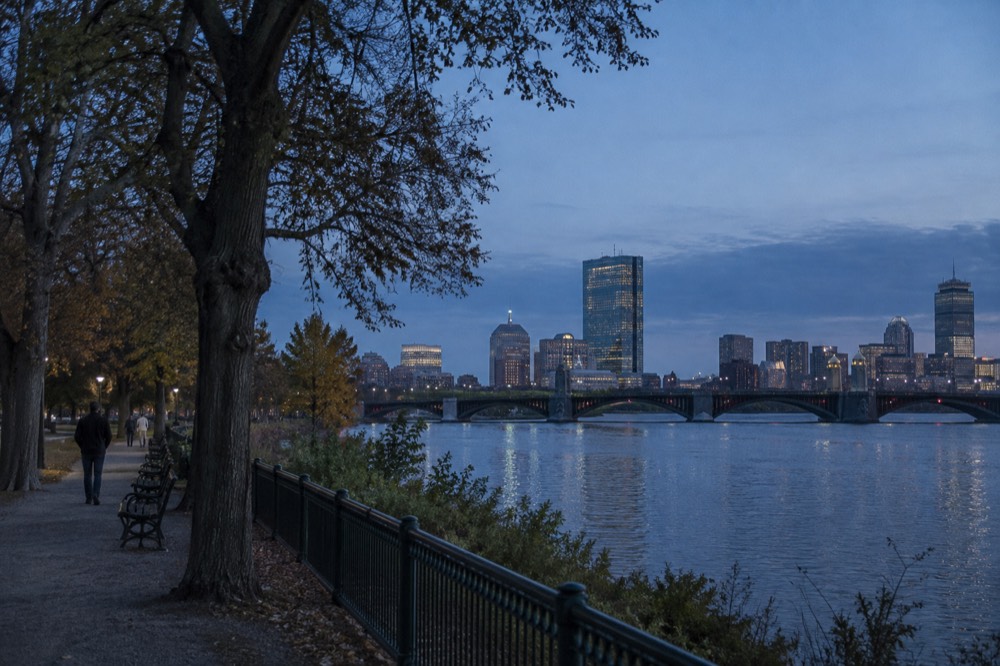
The sequencing question is mostly an energy question. Museum fatigue is real, and the MIT Museum is dense: two hours of reading labels and manipulating exhibits tires people more than they expect. Doing it first, fresh, works better than sandwiching it between two outdoor blocks. Lunch in Kendall Square has improved steadily as the tech district has grown, and the food halls and counter spots around the square are faster than table-service dining in Harvard Square.
Choose one manageable afternoon area. Downtown offers the Freedom Trail and Common, while the Aquarium and harbor form another cluster. The Boston Public Library is in Copley Square, Back Bay, and needs a separate journey. The Boston Common and Public Garden are adjacent parks.
Further reading: New England Aquarium.
One seasonal note for evening plans: the Swan Boats in the Public Garden are closed for the season until April 2027, per their own site, and the Harbor Islands ferry season ends 12 October 2026. The Swan Boats are unavailable this autumn, while selected harbor-island sailings continue into early October; check the island-specific schedule. The View Boston observation deck at the Prudential Center, by contrast, runs year-round and is a reliable sunset finish after a Cambridge day.
Common Questions About The MIT Museum
Is the MIT Museum in Boston?
No, it is in Cambridge, which is a separate city across the Charles River, with its own municipal government and zip codes. The Red Line makes the trip feel like a neighborhood hop, but Cambridge is not part of Boston, and planning documents, mailing addresses, and local rules all differ on the other side of the river.
How long should I spend at the MIT Museum?
Plan on about two hours for the permanent galleries, longer if you engage deeply with the hands-on design areas or a temporary exhibition. Visitors who read most labels report closer to three hours. It is dense rather than vast, so quality of attention matters more than walking speed.
Can I tour the MIT campus too?
Yes, on your own, using MIT’s self-guided resources for the outdoor campus and sculpture; follow current building-access rules. Official guided campus tours are run by MIT itself and are not sold on the booking platforms this site uses, so arrange one directly through the institute if you want a guided version.
Is the MIT Museum good for kids?
It suits roughly eight and up best, because the exhibits reward reading and patience. The robots and holograms land with almost every age, but the museum is about ideas rather than climbing, and families with toddlers usually do better at the Boston Children's Museum.
How do I get there without a car?
Take the Red Line to Kendall/MIT station, about a block from the museum's Main Street entrance. A subway ride is $2.40, and since 1 September 2026 transfers between subway, bus, and ferry are unlimited within a two-hour window, paying only the highest-priced leg.
What is the difference between the MIT Museum and the Harvard museums?
The MIT Museum covers science, technology, and design, with holography, robotics, and AI as anchors. The Harvard Museum of Natural History covers the natural world, from minerals to mounted wildlife. Their stations, Kendall/MIT and Harvard, are two Red Line stops apart and complement each other rather than compete.
Choose A Separate Cambridge Outing After MIT Museum
These options do not match your choice. Adjust the selection or reset to explore the starting recommendation.
Compare Your Museum And Cambridge Outing Totals
Reader-entered estimates in USD, not live quotes. Use the same dates and travelers for both options. Include all relevant tickets, rooms, taxes, mandatory fees and transport for the entire trip once in each total. Do not add a transfer twice if your rate already includes it.
MIT Student-Led Campus Walk
A 70-minute student-led walking tour covering less than a mile around MIT and Kendall Square. Meet outside Kendall/MIT station on the Marriott side near 255 Main Street. This commercial campus walk does not include MIT Museum admission or guarantee entry to academic buildings. Transport, souvenirs and tips are separate.
A starting option to explore. Choose dates, travelers and the exact booking option with the provider; availability and eligibility are confirmed there.
Check MIT campus walk dates