Harvard Museum Of Natural History
The Harvard Museum of Natural History occupies a stately brick building on Oxford Street in Cambridge, and it holds one of the most unusual collections anywhere in the United States: the Ware Collection of Glass Models of Plants, better known as the Glass Flowers, thousands of hand-blown botanical models made in Germany by father and son Leopold and Rudolf Blaschka. The museum is the public face of Harvard's research collections, and it sits in a city that is not Boston at all, which matters for transit, addresses and even which museum free-day rules apply to you as a visitor.
Short answer
The Harvard Museum of Natural History is the public exhibition museum for several of Harvard University's research collections, located at 26 Oxford Street in Cambridge, and its centerpiece is the Ware Collection of Glass Models of Plants, the Glass Flowers, created by the Blaschka family of glass artists in Dresden, Germany. The museum also displays Harvard's zoological and geological holdings, including fossil skeletons and mounted mammals, and it is connected to the Harvard Museums of Science and Culture consortium.
Harvard Museum Of Natural History
The Harvard Museum of Natural History occupies a stately brick building on Oxford Street in Cambridge, and it holds one of the most unusual collections anywhere in the United States: the Ware Collection of Glass Models of Plants, better known as the Glass Flowers, thousands of hand-blown botanical models made in Germany by father and son Leopold and Rudolf Blaschka. The museum is the public face of Harvard's research collections, and it sits in a city that is not Boston at all, which matters for transit, addresses and even which museum free-day rules apply to you as a visitor.
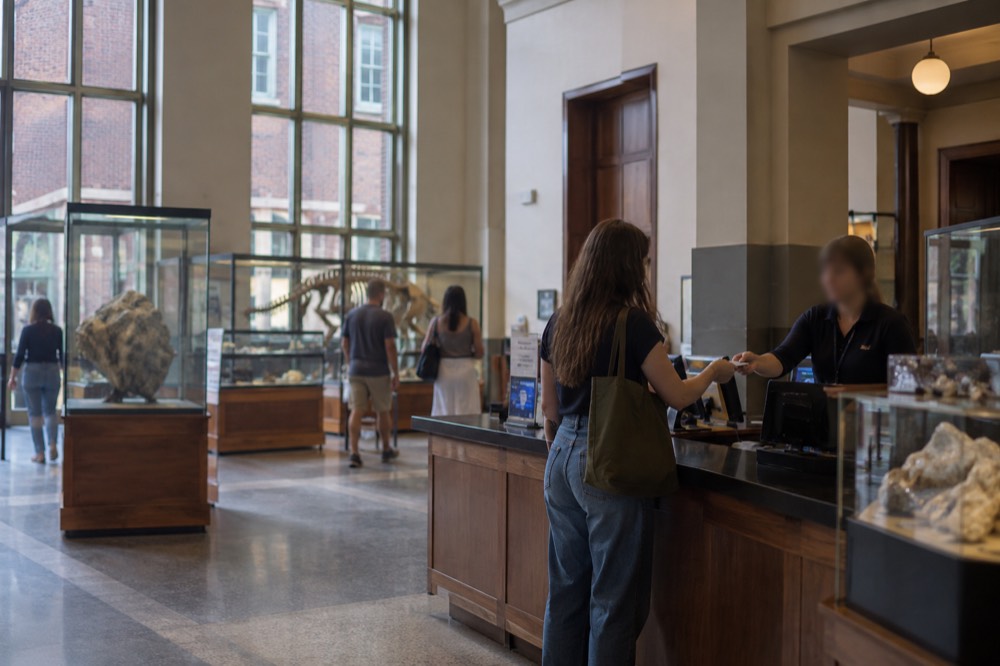
A regular museum ticket is available directly at the admissions desk and includes the Peabody Museum. Planning three other eligible attractions too? Compare CityPASS with the separate tickets and any free-entry benefits your party qualifies for. Compare Boston CityPASS options
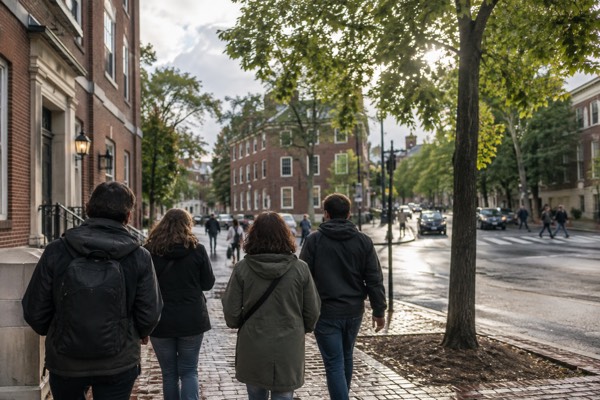
This guide from Boston Travel Guide covers what is actually inside, how to reach it from downtown Boston, what it costs, whether it works for children, and how to fold it into a day in Harvard Square and Cambridge. One thing to settle immediately: Cambridge is a separate city, with its own government and its own zip codes, not a Boston neighborhood. That is not pedantry. It changes your MBTA fare planning, your mailing address and which residency-based museum discounts you can claim.
What Is The Harvard Museum Of Natural History?
The Harvard Museum of Natural History is the public exhibition museum for several of Harvard University's research collections, located at 26 Oxford Street in Cambridge, and its centerpiece is the Ware Collection of Glass Models of Plants, the Glass Flowers, created by the Blaschka family of glass artists in Dresden, Germany. The museum also displays Harvard's zoological and geological holdings, including fossil skeletons and mounted mammals, and it is connected to the Harvard Museums of Science and Culture consortium.
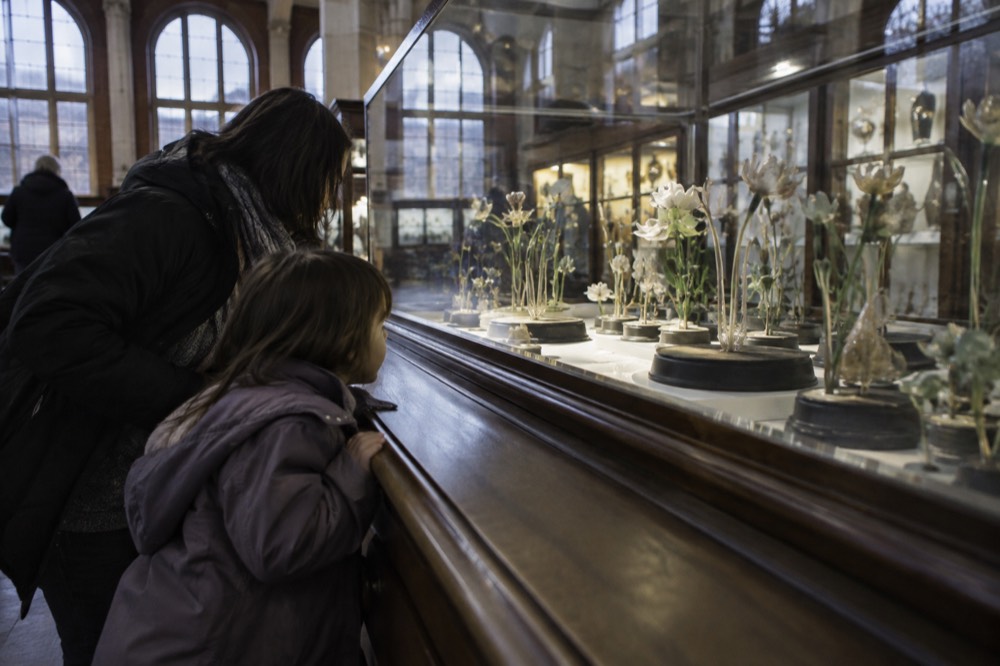
The Glass Flowers deserve their reputation. Leopold Blaschka and his son Rudolf produced these models over five decades beginning in the 1880s, working in glass with astonishing precision: petals that look dewy, roots that look dirty, leaves with visible insect damage. Harvard commissioned them because pressed plants fade and lose their three-dimensional form, and teaching botany from real specimens was proving inadequate. The models solved that problem permanently, and no comparable collection exists anywhere else.
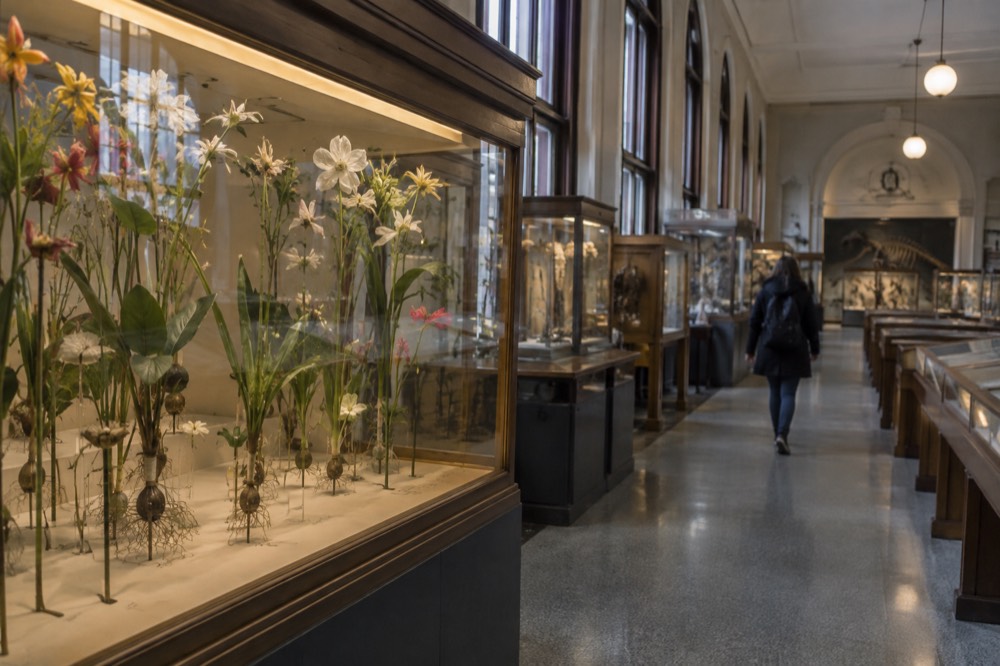
The building itself is part of the experience. The galleries have the high ceilings and dark wood cases of a 19th-century university museum, and the displays were assembled to teach comparative anatomy and natural history to generations of Harvard students. Modern lighting and interpretation have been layered in, but the museum has deliberately kept the feel of a working teaching collection rather than converting to an all-screens science center. Visitors who enjoy that aesthetic tend to stay far longer than they planned.
What Will You Actually See Inside?
The museum's four headline draws are the Glass Flowers gallery, the fossil rooms including a mounted Kronosaurus skeleton, the Great Mammal Hall with its mounted whales and land mammals, and the mineral and meteorite displays drawn from Harvard's geological collections. Around them sit smaller galleries on New England forests, evolutionary biology and climate, and the whole museum is compact enough to see thoroughly in about two hours.
The mounted Kronosaurus is a dramatic highlight of the fossil galleries. It combines fossil material with substantial plaster reconstruction; do not mistake the entire mount for original bone. The surrounding collections explain vertebrate evolution through research specimens and interpretation.
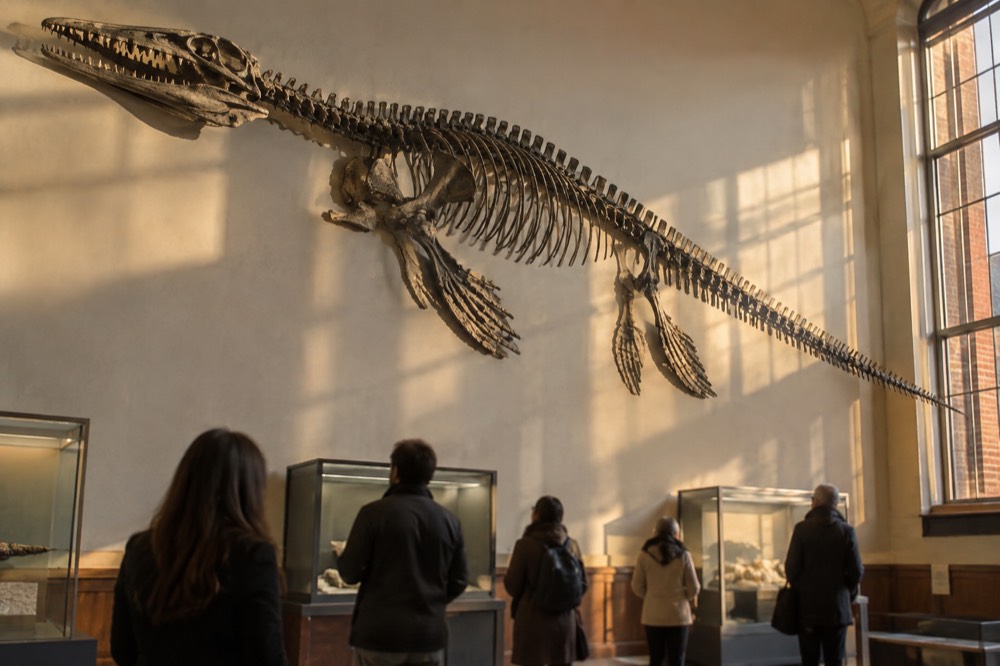
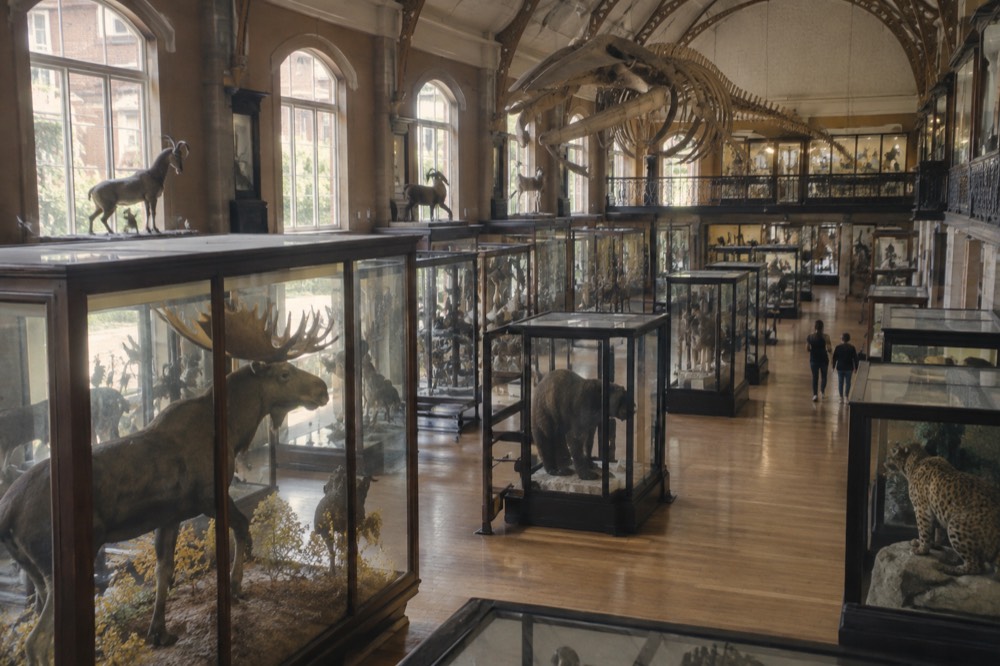
The Great Mammal Hall is the room most visitors photograph. Mounted specimens, including a whale skeleton suspended overhead, fill a tall central space in the classic university-museum style. The mineral galleries nearby hold crystals, meteorites and gemstones, and they are the quietest corner of the building, which makes them a good place to end a visit rather than start one.
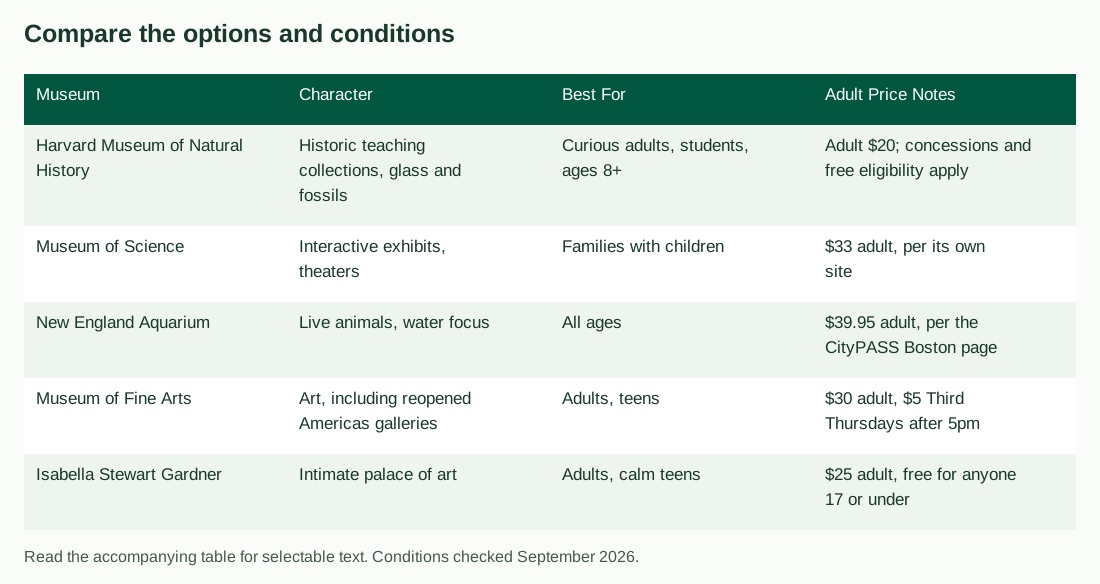
A fair comparison point is the Museum of Science, which is a different kind of institution entirely. The Museum of Science, across the river in Boston proper, is interactive and built for kinetic families, with an admission price of $33 for adults published on its own visit page. The Harvard museum is contemplative and object-driven, built around collections you look at closely rather than buttons you press. Families with children over about eight tend to do well at both; families with toddlers should head to the Museum of Science or the Boston Children's Museum instead.
| Museum | Character | Best For | Adult Price Notes |
|---|---|---|---|
| Harvard Museum of Natural History | Historic teaching collections, glass and fossils | Curious adults, students, ages 8+ | Adult $20; concessions and free eligibility apply |
| Museum of Science | Interactive exhibits, theaters | Families with children | $33 adult, per its own site |
| New England Aquarium | Live animals, water focus | All ages | $39.95 adult, per the CityPASS Boston page |
| Museum of Fine Arts | Art, including reopened Americas galleries | Adults, teens | $30 adult, $5 Third Thursdays after 5pm |
| Isabella Stewart Gardner | Intimate palace of art | Adults, calm teens | $25 adult, free for anyone 17 or under |
If your day in Cambridge is museum-heavy, note that the Harvard Art Museums are a few minutes' walk away and make a natural second stop, and the MIT Museum is a Red Line ride back toward the river for a technology-flavored contrast.
How Do You Get To The Harvard Museum From Boston?
Take the MBTA Red Line to Harvard Square station and walk about 10 to 15 minutes through the university to 26 Oxford Street; the subway fare is $2.40 each way according to the MBTA's fare table, and since 1 September 2026 you can make unlimited transfers within a two-hour window paying only the highest-priced leg. Cambridge is a separate city from Boston, so the trip crosses a municipal boundary, but the same fare system covers both.
The walk from Harvard Square station is itself a highlight. You pass through the commercial heart of the square and then into Harvard Yard and the campus, which is open to foot traffic and worth ten unhurried minutes on its own before you reach the museum's front door. Coming from downtown, board a Red Line train toward Alewife at any downtown station, including South Station, Park Street or Downtown Crossing.

The MBTA fare table at the official fares page is worth a look before any Boston trip, because the rules changed in September 2026. A 1-Day pass costs $11.00 and a 7-Day pass $22.50, and one detail catches visitors out: a pass loaded on a CharlieTicket starts at the moment of purchase, while the same pass on a CharlieCard starts at first use. Buy on arrival evening and start sightseeing the next morning, and that difference is most of a day.
| Option | Cost | Notes |
|---|---|---|
| Red Line, one way | $2.40 | Harvard Square station, then a 10-15 minute walk |
| Local bus, one way | $1.70 | Slower, useful from some Cambridge addresses |
| 1-Day pass | $11.00 | 24 hours of unlimited travel; starts at purchase on a CharlieTicket, at first use on a CharlieCard |
| 7-Day pass | $22.50 | Compare actual paid journeys after transfers |
| Two-hour transfers | Pay highest leg only | In effect since 1 September 2026, same payment method required |
Driving is the wrong answer here. Cambridge street parking around the university is scarce and time-restricted, so compare the museum’s visitor parking instructions with leaving the car at your hotel and using the Red Line. Ride-hailing from downtown Boston works fine and takes roughly 20 to 30 minutes depending on traffic across the Longfellow or Massachusetts Avenue bridges.
How Much Does It Cost, And Is There Ever Free Admission?
Regular admission is $20 adults, $18 seniors aged 65+, and $15 students with ID and children aged 3–18; under-threes enter free. Tickets bought at the admissions desk or museum shop include the connected Peabody Museum. Check free-entry eligibility before paying.
Free admission categories include Harvard ID holders with one guest, eligible memberships, Massachusetts residents during specified Sunday-morning and Wednesday-afternoon hours, Massachusetts K–12 teachers, EBT/WIC cardholders with up to five guests, qualifying ASTC members and active-duty US military families. Each program has ID and eligibility rules; consult the museum’s current list.
Further reading: Open House.
What genuinely is open to any visitor, verified from the venues' own pages:
- The MFA's $5 Third Thursdays, pay-what-you-wish with a $5 minimum, every third Thursday after 5pm, in person, day of. The MFA publishes the upcoming dates itself.
- The ICA's free Thursday nights, 5 to 9pm, for all visitors, with advance tickets required.
- The Gardner Museum's free entry for anyone 17 or under, and, verifiably, for anyone named Isabella.
- Free Freedom Trail visits, including USS Constitution and the Bunker Hill Monument, which the National Park Service lists as free on its own hours and fees page.
One more thing, because older guides get it wrong in both directions: the Highland Street Foundation's summer free-admission program is now called August Adventures, not Free Fun Fridays, which no longer exists. August Adventures runs one free venue per day across Massachusetts through the month, sometimes with advance registration, and the foundation's own page at highlandstreet.org carries the calendar. Whether the Harvard museum appears in a given August is a year-by-year question, so check the calendar rather than assuming.
| Program | Who It Is Actually Free For | Tourist-Accessible? |
|---|---|---|
| MFA Open House days | Massachusetts residents, valid MA zip code | No |
| Card to Culture | Massachusetts EBT, ConnectorCare or WIC cardholders | No |
| New England Aquarium discount | Residents of six New England states | Only if you live in one |
| Boston Family Days | Boston K-12 students plus two guests | No |
| MFA $5 Third Thursdays | Anyone, in person, third Thursday after 5pm | Yes |
| ICA Thursday nights | All visitors, advance ticket | Yes |
| Freedom Trail sites | Everyone at free sites during opening hours | Yes |
If the budget for your trip is tight, the honest ranking is this: the Freedom Trail's free sites cost nothing and fill a full day, the MFA's Third Thursday is the best art deal in the city, and Harvard Natural History has several free and reduced-entry categories worth checking. The nearby Harvard Art Museums are free for everyone. The freedom trail guide has the full site-by-site pricing breakdown.
Want the Glass Flowers plus three other eligible Boston attractions? Explore CityPASS, which includes the Natural History Museum and its connected Peabody Museum admission. Compare against your party’s direct prices and eligible free access; a museum-only visit does not need a pass. Compare Boston CityPASS options
Is The Harvard Museum Of Natural History Good For Kids?
The museum can suit children interested in fossils, animals and close looking. It is primarily a collections museum rather than a hands-on play space; choose visit length and activities for your particular children. Younger visitors can enjoy a short focused visit too.
The difference is design philosophy. The Harvard museum is a collections museum: look, read the label, move on. School-age children who ask "what is that" constantly will thrive, and the Kronosaurus alone answers a lot of questions. The museum also runs family programming and activity sheets at times, so check its calendar before your visit if a rainy Cambridge afternoon is on the itinerary.
For a Cambridge-and-Boston museum day with kids, a workable split is the Harvard museum in the morning, lunch in Harvard Square, then the Red Line back toward downtown for the New England Aquarium or the Children's Museum in the afternoon. The aquarium's adult admission is $39.95 as published on the CityPASS Boston page, so budget accordingly if you are doing both in one day.
How Should You Plan A Half-Day Around The Museum?
A satisfying half-day runs Harvard Yard first, then the museum for about two hours, then lunch or coffee in Harvard Square, and optionally the Harvard Art Museums afterward if your legs are willing; everything sits within a 15-minute walk of Harvard Square station, so no additional transit is needed once you are off the Red Line.
Start at Harvard Square station and walk into the Yard, where the Widener Library steps, the John Harvard statue and the freshman dorms around the edges give you the postcard Cambridge experience in twenty minutes. The museum is on the far side of the Yard's northern edge, so the walk delivers you at the door rather than past it.

| Time | Stop | Notes |
|---|---|---|
| Morning | Harvard Yard | Open to walkers, about 20 minutes |
| Late morning | Harvard Museum of Natural History | Allow about 2 hours, Glass Flowers first |
| Lunch | Harvard Square | Everything from food trucks to sit-down restaurants |
| Early afternoon | Harvard Art Museums | Short walk from the square |
| Optional | Charles River waterfront | A longer walk, good in good weather |
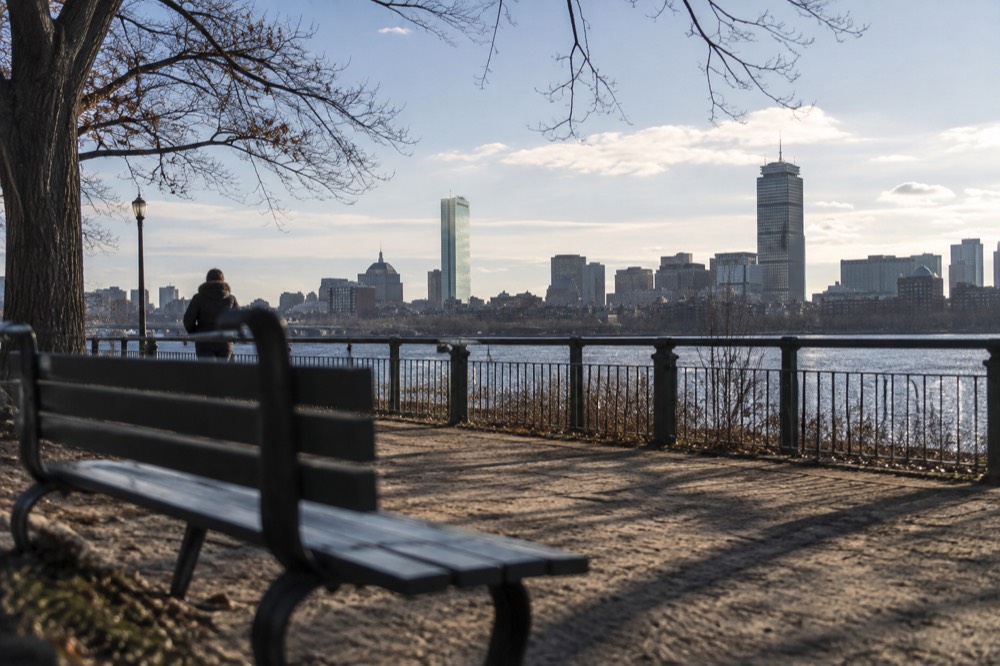
After the museum, Harvard Square's bookstores, street performers and cafes make an easy wind-down, and the square is covered in detail in the Harvard Square and Cambridge area guide. If your energy holds, walking down to the Charles River and along it toward Boston gives you the skyline view from the Cambridge side, one of the better free sights in the metropolitan area.
Check a campus walk’s starting time before planning the museum visit. This student-led tour is separate from Natural History Museum admission; allow for both activities and collect any museum ticket through the appropriate admission channel. Check Harvard walk dates
Is The Harvard Museum Worth The Trip From Downtown Boston?
For most visitors, yes: the Red Line ride is short, the Glass Flowers are a collection with no equivalent anywhere in the world, and the museum pairs naturally with Harvard Yard into a half-day that feels completely different from downtown's Revolutionary-era core, but travelers with only one day in Boston should stay downtown and save Cambridge for a longer trip.
The distinction is what your trip is for. A first-time visitor doing Boston in a day or two has more than enough in downtown's historic core: the Freedom Trail, Faneuil Hall, the North End, the harbor. Squeezing Cambridge into that itinerary means rushing both. But a visitor with three or more days, or anyone whose companions are less history-obsessed, gets real value from a Cambridge morning: it is the city's intellectual counterweight, and the museum is its best single indoor stop.
For a fuller picture of the city's story before you go, the Boston history overview for visitors explains how a 17th-century town on a peninsula grew into the place whose Revolution sites you will have walked all week. And if the afternoon back in Boston is for the waterfront instead, the USS Constitution in Charlestown is free, per the National Park Service, and pairs well with a harbor walk.
Which Bookable Tours Pair Well With A Harvard Museum Day?
A campus walk is the closest guided pairing with the museum; a downtown history visit is a separate journey. Allow transit, walking and early check-in before a timed Tea Party museum visit or Freedom Trail departure. Compare current totals and avoid overloading a museum day.
The Tea Party Ships stop is the most theatrical of the downtown history attractions: costumed interpreters, replica ships you visit, and the chance to throw "tea" into the harbor yourself. The listing describes a roughly one-hour experience, which slots neatly into an afternoon after a Cambridge morning. Its full write-up is on the Boston Tea Party Ships page.
A shorter Freedom Trail walk takes roughly 2.5 hours from Boston Common to the North End and does not cover the full Charlestown route. A Duck Tour takes about 80 minutes from the selected Boston boarding point; neither begins at the Harvard museum.
Paid student-led Harvard walks last roughly 70–75 minutes outdoors and exclude museum or university interior admission. Harvard also offers free official visitor tours with registration and self-guided resources. Compare availability and campus access before booking.
Common Questions About The Harvard Museum Of Natural History
what is the harvard museum of natural history?
It is the public exhibition museum for several of Harvard University's natural-history research collections, at 26 Oxford Street in Cambridge. Its most famous holdings are the Glass Flowers, the Blaschka family's hand-blown botanical models, alongside fossil galleries, a mounted Kronosaurus, the Great Mammal Hall and mineral displays.
how do I get to the harvard museum of natural history from boston?
Take the Red Line toward Alewife to Harvard Square station, then walk about 10 to 15 minutes through Harvard Yard to 26 Oxford Street. The subway fare is $2.40 each way per the MBTA fare table, and since September 2026 unlimited transfers within a two-hour window cost only the highest-priced leg.
is the harvard museum of natural history free?
General admission is paid, but under-threes and several eligible groups enter free. Massachusetts residents have specified free windows; other membership, military, Harvard ID and benefit-card programs have their own rules. Check eligibility before buying.
how long should I spend at the harvard museum of natural history?
About two hours covers the Glass Flowers, the fossil halls, the Great Mammal Hall and the mineral galleries at a comfortable pace. Visitors who read every label can easily stretch it to three, but two hours plus the walk through Harvard Yard makes a clean half-day.
is the harvard museum of natural history good for kids?
Yes, especially for children interested in fossils and animals. It is primarily a look-and-learn museum, so plan a manageable visit and check family activities. Age alone does not determine whether it will suit your children.
can you visit harvard yard and the museum on the same day?
Yes, and it is the natural plan: the museum sits on the edge of the Yard, so a 20-minute walk through Harvard Yard delivers you to the museum's door. Add lunch in Harvard Square and, if time allows, the Harvard Art Museums a few minutes away.
Compare A Four-Attraction Pass Or A Separate Campus Outing
These options do not match your choice. Adjust the selection or reset to explore the starting recommendation.
Compare Your Museum And Cambridge Day Totals
Reader-entered estimates in USD, not live quotes. Use the same dates and travelers for both options. Include all relevant tickets, rooms, taxes, mandatory fees and transport for the entire trip once in each total. Do not add a transfer twice if your rate already includes it.
Boston CityPASS®
Choose four participating attractions, with tickets valid for nine consecutive days starting with the first visit or reservation. Compare the exact attractions and child admission rules before buying; savings depend on your choices.
A starting option to explore. Choose dates, travelers and the exact booking option with the provider; availability and eligibility are confirmed there.
Compare Boston CityPASS options