Best Time To Visit Boston
Boston is a city of sharp seasonal swings, and the timing of a visit changes almost everything: the price of a hotel room, the length of the line at Faneuil Hall, whether the Harbor Islands ferry is running at all. The climate record kept by NOAA at Logan Airport shows a summer that peaks in July and a winter that concentrates more than half its snow into just two months. That record, plus the seasonal calendars of the ferries, the Swan Boats and the ballpark, makes the answer to "when should I go" more concrete than most guides admit. This page lays out the year month by month, names the two windows that consistently deliver, and flags the seasonal closures that catch visitors out every year. For a broader look at the city itself, start with things to do in Boston.
Short answer
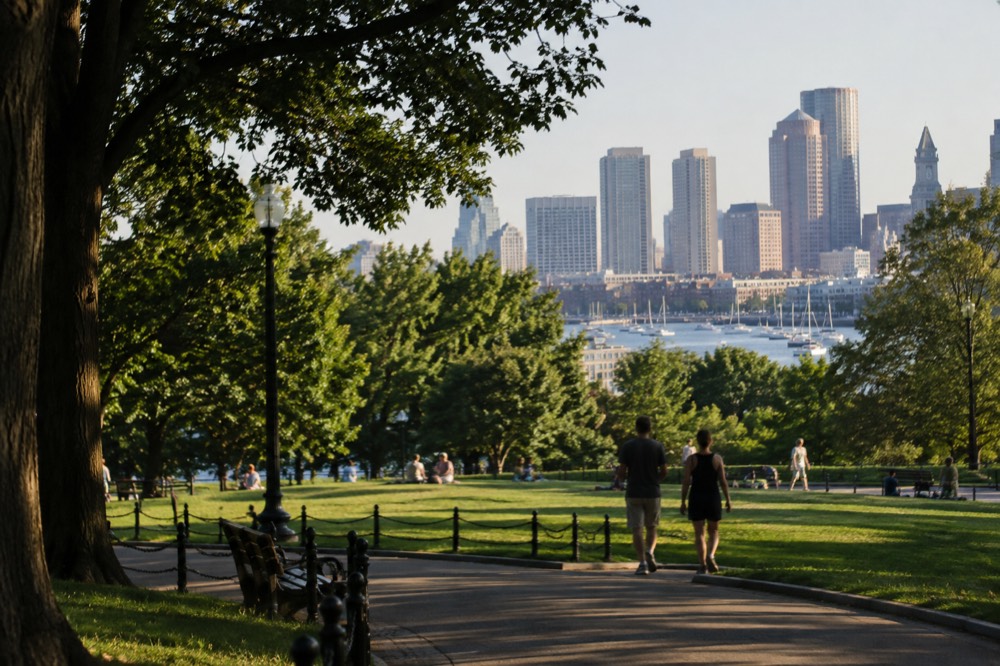
The best time to visit Boston is late May through mid June, and again from early September through mid October. In both windows the average high sits between the mid 60s and low 70s Fahrenheit, hotel rates depend on the exact dates and events, and the harbor is warm enough for boat tours without the summer crowds. If one month had to be named, September delivers the strongest combination: 73.1F average highs, thin crowds after school restarts, and the start of fall color inland.
Best Time To Visit Boston
Boston is a city of sharp seasonal swings, and the timing of a visit changes almost everything: the price of a hotel room, the length of the line at Faneuil Hall, whether the Harbor Islands ferry is running at all. The climate record kept by NOAA at Logan Airport shows a summer that peaks in July and a winter that concentrates more than half its snow into just two months. That record, plus the seasonal calendars of the ferries, the Swan Boats and the ballpark, makes the answer to "when should I go" more concrete than most guides admit. This page lays out the year month by month, names the two windows that consistently deliver, and flags the seasonal closures that catch visitors out every year. For a broader look at the city itself, start with things to do in Boston.
Compare hotel totals for your actual dates before choosing a season on price alone. Then check the operating dates of any must-do boat trip. Indoor museums and neighborhood food walks offer different ways to shape a winter visit. Compare Boston stays
What Is The Best Time To Visit Boston?
The best time to visit Boston is late May through mid June, and again from early September through mid October. In both windows the average high sits between the mid 60s and low 70s Fahrenheit, hotel rates depend on the exact dates and events, and the harbor is warm enough for boat tours without the summer crowds. If one month had to be named, September delivers the strongest combination: 73.1F average highs, thin crowds after school restarts, and the start of fall color inland.
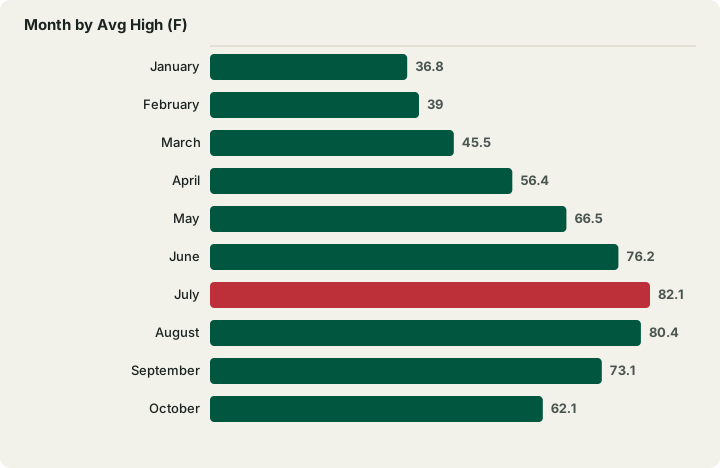
Those two windows are not folklore, they fall straight out of the climate record. The National Weather Service's Boston office publishes the 30-year normals that this page draws on, and the shoulder months sit in a genuine sweet spot: warm enough for the waterfront, cool enough for walking the 2.5-mile Freedom Trail without overheating. May averages a high of 66.5F and June 76.2F, while September's 73.1F and October's 62.1F bracket the same comfortable range from the other side.
The trade-off in both windows is water. The Harbor Islands ferry runs only through October 12 in 2026, and the Swan Boats close for the season in early September, reopening in April 2027 per their own site. A late-fall or winter visitor trades those seasonal experiences for an indoor-focused trip, with prices and crowds still dependent on dates. Neither choice is wrong, but they are different trips, and the sections below lay out each season honestly so the choice can be made with real numbers rather than vague "Boston is great year round" advice.
What Is Boston Weather Like Month By Month?
Boston has no wet season and no dry season: every month averages between 3.21 and 4.30 inches of precipitation, a spread of barely one inch, so a rain layer is useful year round; totals do not imply equal daily rain probabilities. What Boston does have is snow: 49.2 inches a year, and 28.7 of those inches, 58 percent of the annual total, fall in January and February alone. July is the warmest month at an 82.1F average high, and January the coldest at a 36.8F high and 23.1F low.
Those figures come from the NOAA 1991-2020 climate normals recorded at Logan Airport, station USW00014739, which the National Weather Service maintains. One caveat worth knowing: the official station sits at the airport, on a peninsula in the harbor. It is a maritime reading, slightly cool on a sea-breeze day for inland neighborhoods like Allston or Roxbury, but it is exactly the right reading for planning waterfront and harbor activity.
| Month | Avg High (F) | Avg Low (F) | Precip (in) | Avg Snow (in) |
|---|---|---|---|---|
| January | 36.8 | 23.1 | 3.39 | 14.3 |
| February | 39.0 | 24.6 | 3.21 | 14.4 |
| March | 45.5 | 31.1 | 4.17 | 9.0 |
| April | 56.4 | 40.8 | 3.63 | 1.6 |
| May | 66.5 | 50.3 | 3.25 | 0.0 |
| June | 76.2 | 59.7 | 3.89 | 0.0 |
| July | 82.1 | 66.0 | 3.27 | 0.0 |
| August | 80.4 | 65.1 | 3.23 | 0.0 |
| September | 73.1 | 58.2 | 3.56 | 0.0 |
| October | 62.1 | 47.5 | 4.03 | 0.2 |
| November | 51.6 | 37.9 | 3.66 | 0.7 |
| December | 42.2 | 29.2 | 4.30 | 9.0 |
The practical reading of that table: pack a rain layer in every month, because no month is meaningfully drier than another, and check the forecast and pack for cold beyond December through February when needed. A month-by-month breakdown with more planning detail lives on the Boston weather by month page. The numbers above are the 30-year averages, and any individual week can run well above or below them, so check a forecast close to departure rather than booking around normals.
Choose the season around the experiences that matter to your group: a seasonal Duck Tour, an indoor museum, a neighborhood food walk or an island ferry. Compare multi-attraction passes only after choosing the actual paid stops.
When Is Peak Season In Boston?
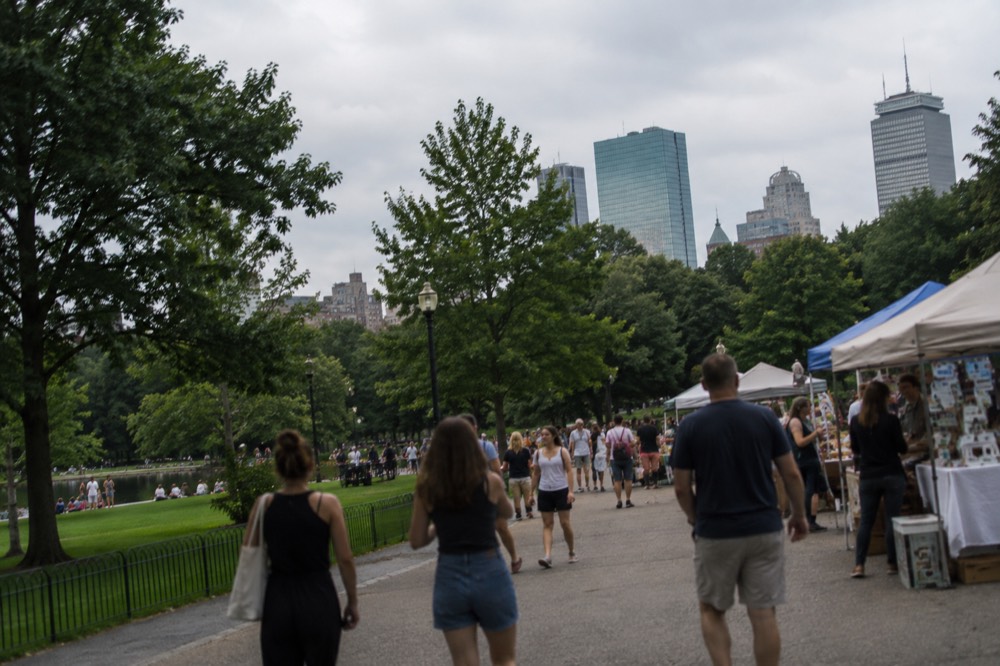
Peak season in Boston runs roughly from mid June through Labor Day weekend in early September, with a second sharp spike around mid October for fall foliage and around the Boston Marathon in April. July and August bring the year's warmest weather, 82.1F and 80.4F average highs, plus heavy visitor demand and potentially high hotel rates, and the harbor ferries, whale watching and Swan Boats all run at full schedule in that window.
A visitor who wants the full waterfront version of Boston has to accept the peak to get it.
The peak has real consequences beyond price. The Freedom Trail's free sites, Faneuil Hall, the USS Constitution, Bunker Hill, see their longest lines in July and August. Duck boat tours and harbor cruises sell out on summer weekends. Restaurant reservations in the North End and on Newbury Street become genuinely hard to get on a Friday night. None of this is a reason to avoid summer, it is a reason to book ahead: tours, harbor cruises and dinner tables all behave differently in July than they do in March.
The counterweight is that summer is when Boston is most fully switched on. The Harbor Islands ferry runs its full schedule, whale watching boats head for Stellwagen Bank National Marine Sanctuary, and the Esplanade and the Common fill up. The National Marine Sanctuary that the whale watch boats visit is documented by NOAA at the Stellwagen Bank sanctuary page. First-time visitors planning a summer trip will find the first time in Boston itinerary and the where to go in Boston for the first time pages built around exactly that peak-season version of the city.
The Duck Tour combines downtown and the Charles River in an 80-minute outing. Check available departures, the chosen boarding location and the seller’s current total; frequent departures do not guarantee seats on your preferred date.
Bookings in the peak window behave differently from the rest of the year, and that is the one adjustment worth making before committing to summer dates.
When Is The Cheapest Time To Visit Boston?
Mid-January through early March is worth comparing for a lower-cost Boston trip, but no date window is automatically cheapest. Check the same room and booking terms against other dates, including event demand. January’s normal high is 36.8°F and its snowfall normal is 14.3 inches, so any price advantage comes with a different outdoor itinerary.
Winter pricing is not subtle. Compare actual July and February totals for the same room and conditions, and the city's tour calendar shrinks along with the crowds, which means fewer sold-out days and more same-day availability. The indoor half of Boston carries the season: the Museum of Fine Arts at $30 adult admission, the Museum of Science at $33, the Isabella Stewart Gardner Museum at $25, and the Institute of Contemporary Art at $20, all open through the cold months. The MFA's own visit page also lists $5 Third Thursdays, a pay-what-you-wish evening with a $5 minimum open to anyone, on the third Thursday of each month, a genuine tourist-accessible discount rather than a residency benefit.
Discount eligibility varies. Some MFA Open House days require Massachusetts residency, while other venues offer age, student, military, accessibility or benefit-card concessions. The Aquarium’s regional discount includes other New England states. Visitors can also compare MFA’s $5 Third Thursdays, free ICA Thursday evenings and free Gardner Thursdays 5–9pm with required reservations. Boston on a budget and getting around Boston cover the wider plan.
Further reading: transfer.
Check full hotel totals for two date windows before calling winter the cheaper trip. Compare the same party, room type, taxes and cancellation terms; events can change the result. Use the map to confirm the property’s location. Compare Boston stays
Is Winter A Good Time To Visit Boston?
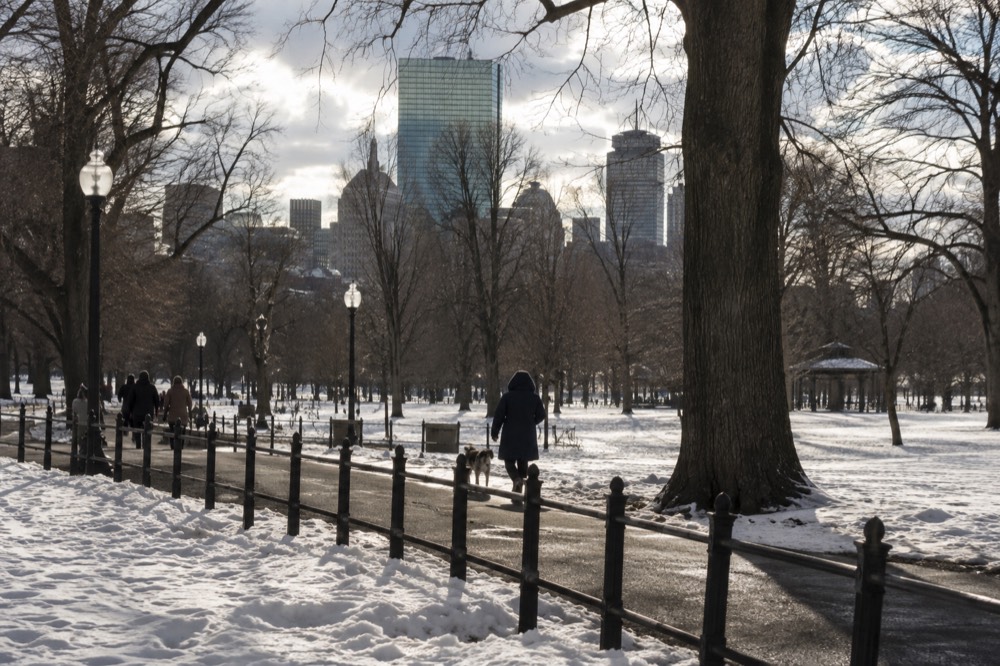
Winter is a good time to visit Boston for travelers whose itinerary is mostly indoors and whose budget matters more than weather. December brings holiday events and lights, January and February bring potentially lower prices and 28.7 inches of combined snowfall, and the museums, theaters and restaurants run at full strength. It is a poor choice for anyone set on the harbor, the islands, the Swan Boats or a Red Sox game, because all of those are closed or out of season.
The honest version of a Boston winter trip is a city trip, not a waterfront trip. Island excursion ferries are seasonal; MBTA Charlestown ferry service runs year round, subject to service alerts. The Swan Boats, per their own site, are "closed for the season, see you in April 2027." Whale watching does not run in winter. What does run: the Museum of Science, which stays open through its ongoing Blue Wing renovation while permanently closing a few smaller exhibits, the Gardner Museum, the Freedom Trail's indoor stops, and the theater district at full winter schedule. The Boston in winter page maps the whole season.
Snow is the one variable that can genuinely disrupt a winter visit. The 49.2-inch annual normal is not spread evenly: 58 percent of it lands in January and February, and a single storm can dump a foot. Flights into Logan are occasionally delayed in those months, and the airport has its own construction calendar through late 2026, so the Logan Airport guide and the Logan Airport to downtown Boston pages are worth a read before any winter booking. The Silver Line SL1 from the terminal curb to South Station remains free in the outbound direction, which softens even a snowy arrival.
Want an indoor anchor for a winter visit? Explore Museum of Science Exhibit Halls admission. Omni, planetarium and 4D shows cost extra, and construction changes some exhibits. Compare direct eligibility discounts before paying. Check Museum of Science entry dates
What About Spring In Boston?
Spring in Boston is a strong shoulder-season choice, especially mid April through mid June, when average highs climb from 56.4F in April to 66.5F in May and 76.2F in June, and the Public Garden, the Common and the Arnold Arboretum come into bloom. The two caveats are the Boston Marathon in mid April, which books hotels solid for several days, and a lingering raw edge to early spring: March still averages 9 inches of snow, so the pleasant part of spring really begins in mid April.
The Marathon deserves special planning attention. Held each year on Patriots' Day, the third Monday of April, it fills the city, draws huge crowds to the Back Bay and the finish line on Boylston Street, and raises hotel rates in the surrounding days. It is also one of the city's great free spectacles, and the Boston Marathon guide page covers watching it properly. A visitor who wants the bloom without the Marathon crush should aim for May, which combines the 66.5F average high, a snowfall normal rounded to zero, and thinner crowds than June.
Late spring is also the season when the waterfront reopens. The Swan Boats return in April. The Harbor Islands ferry season begins in mid May. Duck boats, harbor cruises and whale watching all restart their regular schedules. A late-May visitor gets essentially the full summer version of Boston, minus the summer crowds with hotel prices still dependent on events and dates, which is why the first half of June consistently ranks as one of the two best windows in the city.
What Events Should You Plan Around In Boston?
The five events that most affect a Boston visit are the Boston Marathon in mid April, Fourth of July on the Esplanade with the Boston Pops, the fall foliage spike in early to mid October, the Head of the Charles regatta in late October, and the December holiday season including the tree lighting on the Common. Each one fills hotels and crowds specific neighborhoods, and each one can be either the reason to come or the reason to shift dates by a week, depending on the trip.
| Event | When | What It Changes |
|---|---|---|
| Boston Marathon | Mid April, Patriots' Day | Hotel rates and crowds, Back Bay and Boylston Street |
| Fourth of July / July 4th | Early July | Esplanade crowds, fireworks security zones, harbor boat traffic |
| Fall foliage peak | Early to mid October, inland earlier | Hotel rates, foliage day-trip demand |
| Head of the Charles | October 16–18, 2026 | Crowds and rates along the Charles River |
| Holiday season | Late November to early January | Lights, shopping crowds, weekend rates |
The foliage spike deserves a note, because it is the one event that works in Boston's favor twice. The city itself turns color in mid to late October, and the leaves inland in New Hampshire peak earlier, in late September into early October. A visitor in the first half of October can catch the mountain color on a day trip and the city color in the Public Garden on the same visit. The fall foliage day trips page maps the routes.
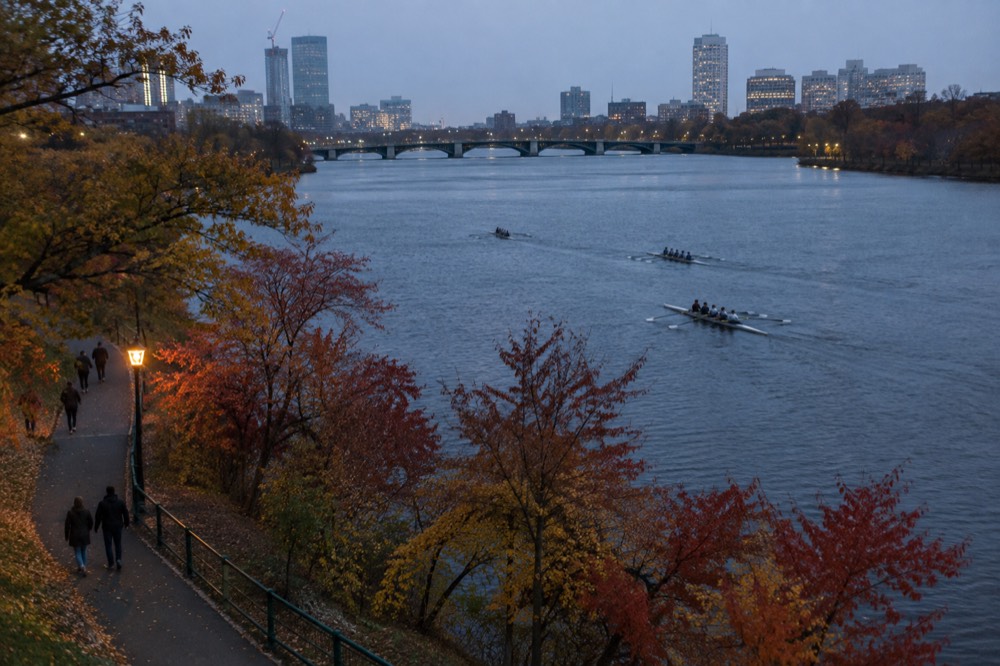
A White Mountains day trip is a long outing from Boston into New Hampshire. Compare the actual route and departure date; neither the calendar nor a tour booking guarantees peak foliage.
If a foliage outing in the mountains appeals, book a White Mountains day trip here.
What Is Open And Closed By Season In Boston?
The seasonal closures that matter most are the Harbor Islands ferry, which ends its 2026 season on October 12, the Swan Boats, closed until April 2027, whale watching, which does not run in the cold months, and the outdoor harbor cruise fleet, which thins out after October. Everything indoor, the museums, the Freedom Trail's year-round sites, the restaurants and the theaters, runs through winter. A visitor in November or March is not visiting a lesser Boston, one with different operating schedules and colder outdoor conditions.
| Experience | Spring | Summer | Fall | Winter |
|---|---|---|---|---|
| Freedom Trail walking | Yes | Yes, crowded | Yes | Yes, dress for cold |
| Duck boat tours | Yes, from spring | Yes, peak | Yes, into late fall | Limited or closed |
| Harbor Islands ferry | From mid May | Full schedule | Ends October 12 | Closed |
| Swan Boats | From April | Yes | Closed after early Sept | Closed |
| Whale watching | From spring | Yes | Late season | Closed |
| Museums (MFA, MoS, Gardner, ICA) | Yes | Yes | Yes | Yes |
| Red Sox at Fenway | April onward | Yes | Through early Oct | No, but ballpark tours run |
The published Spectacle Island fall schedule runs Thursday–Sunday from September 10–27, Friday–Sunday from October 2–11, and Monday October 12, 2026. Georges and other islands have different routes and calendars. Check the Harbor Islands ferry schedule and the Swan Boats site for your particular date.
Fenway Park is a special case: the Red Sox season runs spring through early October, but the ballpark tours run year round, daily, and the Fenway Park and red Sox game guide pages cover both versions. A February visitor cannot see a game but can take a stadium tour; standard tours do not promise warning-track or field access.
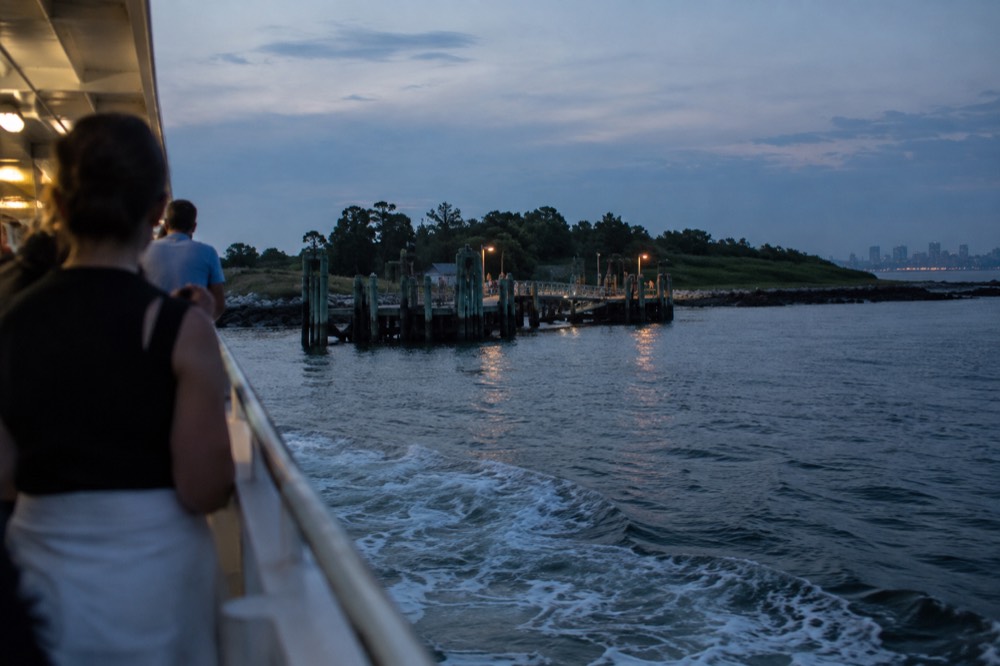
Curious about a beach island or Fort Warren? Explore ferry options for Spectacle or Georges and choose the actual island. This is one island round trip, not an island-hopping pass. Check that island’s calendar and last return. Check island ferry dates and destination
How Many Days Do You Need In Boston?
Most visitors need three to four days in Boston to cover the core: the Freedom Trail, one or two major museums, the North End, a waterfront activity, and a ballgame or ballpark tour. Two days works for a fast, well-planned trip centered on downtown, and five days allows a day trip to Salem, Cape Cod or the foliage country. Summer and fall pack more open attractions into each day, while winter trips lean on museums and food and can feel full at three days.
The day-count question is really a pacing question. The Freedom Trail alone is 2.5 miles and 16 sites, and doing it justice takes most of a day. The harbor adds a half day for the islands or a whale watch. Cambridge and Harvard Square add another half day across the river, and Cambridge is a separate city, not a Boston neighborhood, which matters for planning transit time. The 3 day Boston itinerary is the most common starting point.
Families should allow time for breaks. The Aquarium, Museum of Science, Children’s Museum and Franklin Park Zoo can each fill much of a day; Boston with kids compares them. A Boston whale watch takes roughly three to four hours and can run longer; consider sea conditions, motion sensitivity and a generous return buffer.
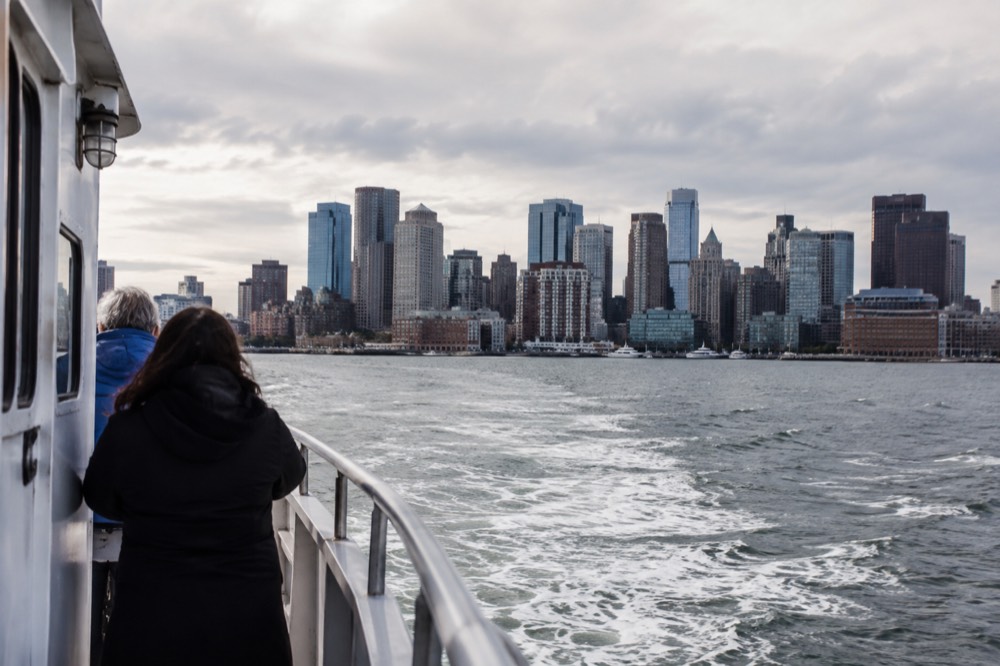
Check the four attractions your party would actually visit before buying CityPASS. Admission lasts nine consecutive days from the first use or reservation; each attraction has its own calendar and reservation rules. Account for child and free-admission eligibility. Compare Boston CityPASS options
Should You Visit Boston In The Fall?
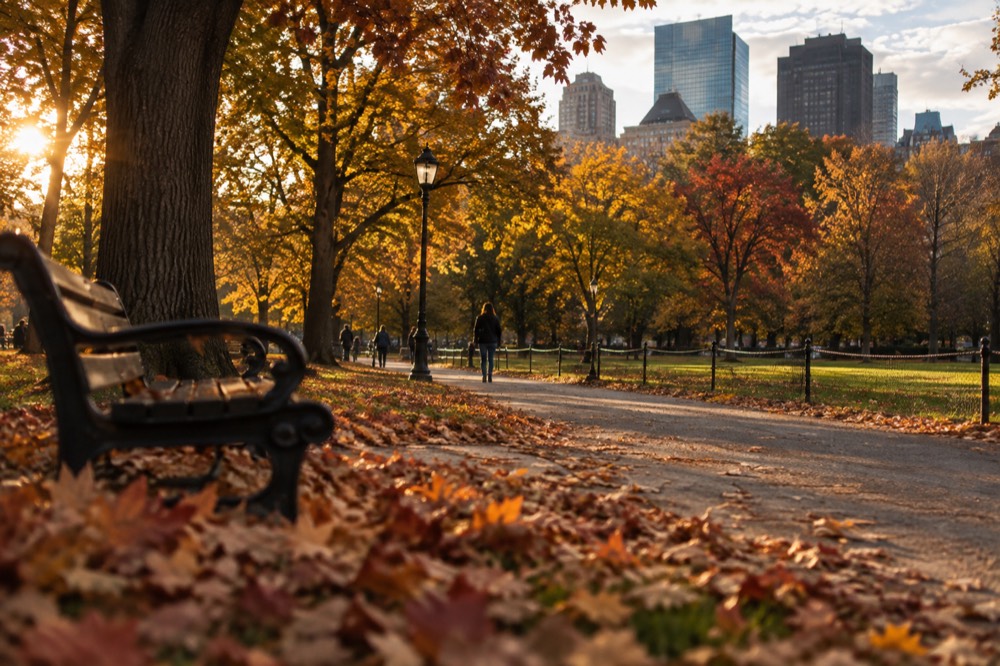
Fall, from early September through mid October, is arguably the single best time to visit Boston, and it is the window this site recommends first. September pairs a 73.1F average high with post-Labor Day crowds, October adds foliage color to the Public Garden, and hotel rates vary with events and the chosen dates. The one hard deadline is the water: the Harbor Islands ferry ends October 12, so a fall visitor who wants the harbor should arrive in September, not late October.
The fall case is straightforward. The climate averages can suit walking, but they do not guarantee a reliable forecast: September and October average highs of 73.1F and 62.1F with precipitation in the normal 3.56 to 4.03 inch range, no different from any other month. The crowds thin after Labor Day. The Red Sox are still playing through the regular season's end. The North End's food scene runs at full strength, and the best restaurants in Boston page covers the eating side of a fall trip in detail.
A North End Italian food walk offers neighborhood tastings in fall. Check the actual inclusions, dietary terms and current departure rather than relying on a historic price or review count.
Want a food-focused fall outing? Explore the North End Italian walk with bakery, pizza and deli tastings. Ask about dietary needs at least 24 hours ahead. It does not promise lobster roll or chowder, and weather still affects the outdoor walk. Check North End food walk dates
Common Questions About The Best Time To Visit Boston
what's the best month to visit boston?
September. It combines a 73.1F average high, post-summer crowds, a full harbor schedule through most of the month, and the start of fall color. Late May and early June are close behind, and October is best for foliage at the cost of the ferry season ending October 12.
is boston worth visiting in winter?
Yes, for the right trip. Museums, theaters and restaurants run at full strength and hotel rates can be lower outside busy events. But island excursions, Swan Boats and whale watching are out of season; the MBTA Charlestown ferry is a separate year-round service, and January and February carry 28.7 inches of snow between them, so pack for real cold.
when is the cheapest time to visit boston?
Mid January through early March, followed by late November through mid December. Those windows trade potentially lower hotel rates for cold weather and a reduced outdoor calendar.
does boston have a rainy season?
No. NOAA's 1991-2020 normals show every month between 3.21 and 4.30 inches of precipitation, a spread of about one inch. Rain is possible in every season, so pack a rain layer whenever you come.
how hot is boston in summer?
July is the warmest month with an 82.1F average high and a 66.0F average low; August is close behind at 80.4F. Summer can include dangerous heat as well as mild days, but it is also the busiest and most expensive season.
when do the swan boats and harbor ferries run?
The Swan Boats operate April through September and are closed until April 2027 per their own site. The Harbor Islands ferry runs mid May through October 12, 2026, with route-specific fall schedules that must be checked for the chosen island.
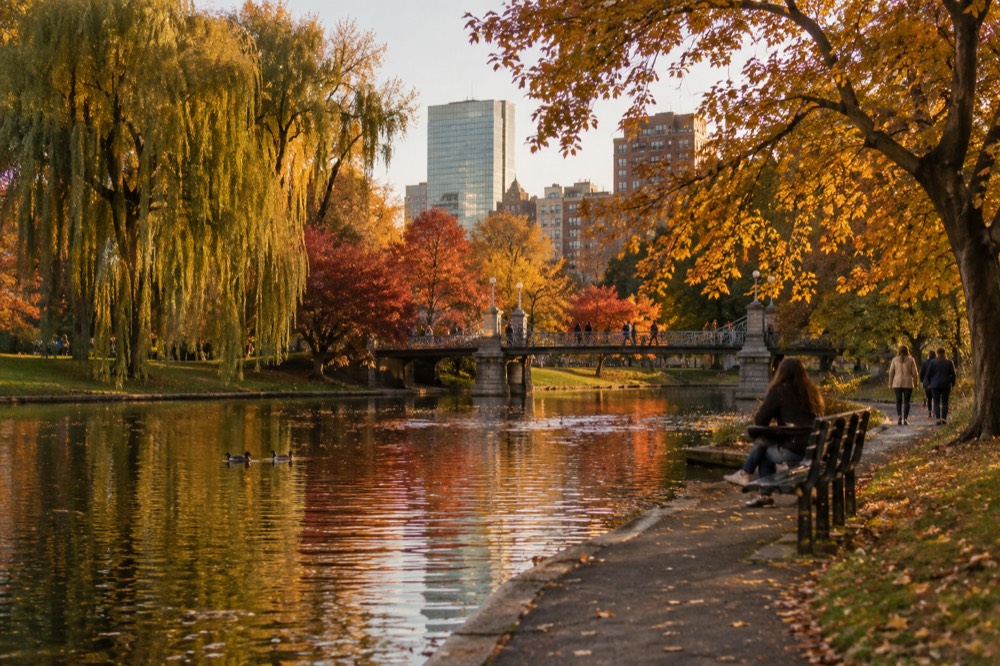
Whatever the season, Boston Travel Guide has a page for it: the month-by-month weather breakdown, the season-specific itineraries, and the booking pages for the tours named above all live one click from here. Pick the window that matches the trip, book the water activities early if that window is summer or September, and the city will do the rest.
Match Your Dates To The Experiences You Want
These options do not match your choice. Adjust the selection or reset to explore the starting recommendation.
Compare Your Stay And Activity Totals
Reader-entered estimates in USD, not live quotes. Use the same dates and travelers for both options. Include all relevant tickets, rooms, taxes, mandatory fees and transport for the entire trip once in each total. Do not add a transfer twice if your rate already includes it.
Boston Hotel Search
Compare Boston hotels for the same dates and party. Use the map to check the actual property location; taxes, room types and cancellation conditions vary.
A starting option to explore. Choose dates, travelers and the exact booking option with the provider; availability and eligibility are confirmed there.
Compare Boston stays