Boston In Winter: What To Do, What's Closed, And What It Really Costs
Boston's official weather station sits at Logan Airport, on a peninsula in the harbor, and its 1991-2020 NOAA climate normals say the same thing every year: this is a snowy city with no rainy season to plan around. The averages show 49.2 inches of snow annually, with 28.7 inches of it, 58% of the yearly total, landing in January and February alone. Precipitation is remarkably even, between 3.21 and 4.30 inches every single month, so monthly averages cannot tell a visitor which specific days will be dry. What winter actually delivers is cold, short days and date-dependent crowds, and a city whose best attractions happen to be indoors. This guide covers the verified numbers, what stays open, what closes, and what a cold-weather trip really costs. For the full picture across all twelve months, see Boston weather by month, and for the broader sightseeing picture, start with things to do in Boston.
Short answer
Boston winters are cold and snow-heavy but not arctic: January averages a 36.8F high and a 23.1F low, February is barely different, and the city's 49.2 inches of annual snowfall arrive overwhelmingly in January and February, which together account for 28.7 inches. December is warmer but wetter, and March still carries 9 inches of snow. There is no dry season or wet season anywhere in the year, since every month falls between 3.21 and 4.30 inches of precipitation.
Boston's official weather station sits at Logan Airport, on a peninsula in the harbor, and its 1991-2020 NOAA climate normals say the same thing every year: this is a snowy city with no rainy season to plan around. The averages show 49.2 inches of snow annually, with 28.7 inches of it, 58% of the yearly total, landing in January and February alone. Precipitation is remarkably even, between 3.21 and 4.30 inches every single month, so monthly averages cannot tell a visitor which specific days will be dry. What winter actually delivers is cold, short days and date-dependent crowds, and a city whose best attractions happen to be indoors. This guide covers the verified numbers, what stays open, what closes, and what a cold-weather trip really costs. For the full picture across all twelve months, see Boston weather by month, and for the broader sightseeing picture, start with things to do in Boston.
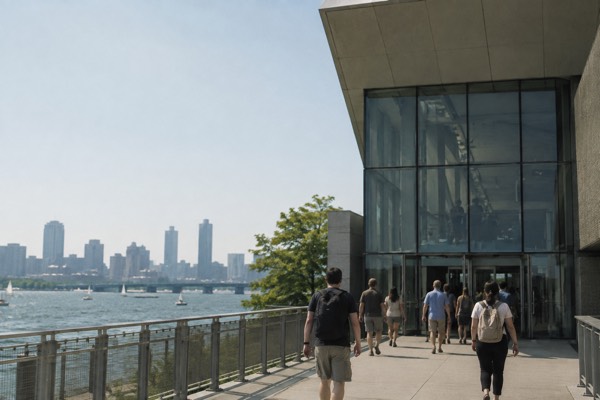
Explore indoor Museum of Science Exhibit Halls, then check its calendar and separately priced shows. Compare a different indoor visit or an outdoor tour only when your dates, conditions and walking preferences fit. Check Museum of Science entry dates
What Is Winter Weather Actually Like In Boston?
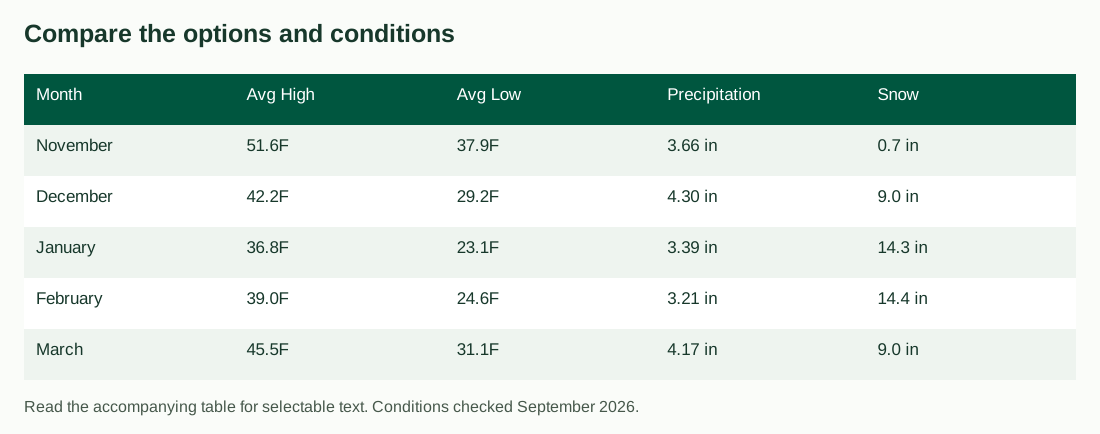
Boston winters are cold and snow-heavy but not arctic: January averages a 36.8F high and a 23.1F low, February is barely different, and the city's 49.2 inches of annual snowfall arrive overwhelmingly in January and February, which together account for 28.7 inches. December is warmer but wetter, and March still carries 9 inches of snow. There is no dry season or wet season anywhere in the year, since every month falls between 3.21 and 4.30 inches of precipitation.
The numbers come from NOAA's 1991-2020 climate normals recorded at station USW00014739, Boston Logan International Airport, and published through the National Weather Service Boston office. Because the station sits on a harbor peninsula, the reading is a maritime one: right on target for waterfront activity, and a touch cooler than inland neighborhoods on a sea-breeze day.
| Month | Avg High | Avg Low | Precipitation | Snow |
|---|---|---|---|---|
| November | 51.6F | 37.9F | 3.66 in | 0.7 in |
| December | 42.2F | 29.2F | 4.30 in | 9.0 in |
| January | 36.8F | 23.1F | 3.39 in | 14.3 in |
| February | 39.0F | 24.6F | 3.21 in | 14.4 in |
| March | 45.5F | 31.1F | 4.17 in | 9.0 in |
Two practical readings fall out of that table. First, the snow is concentrated: a February visitor should prepare for possible snow and ice, without assuming continuous snow cover, while a November or early-December visitor more likely gets bare sidewalks and cold rain. Second, the roughly9.49-foot mean tidal range in Boston Harbor, tracked by NOAA's tide station 8443970, means the waterfront itself changes appearance twice a day regardless of season, which matters for anyone photographing the Harborwalk in winter light.
Daylight is the other constraint. By late December the sun sets before 4:30 pm, so a winter itinerary earns more from indoor evening plans than a summer one does. Theater, breweries, and the North End's dinner tables do not care how early it gets dark.
What Are The Best Things To Do In Boston In Winter?
The strongest winter picks are the indoor flagship attractions, the Freedom Trail's free sites, and the city's food scene, with storm-related disruption still possible: the Museum of Science, the MFA, the Gardner Museum and View Boston all sit within a short walk or one subway ride of each other, while the North End's restaurants and bakeries run all year. Check the actual winter Fenway tour calendar and hotel quotes; low crowds and lower prices are not guaranteed.
View Boston at the Prudential Center offers elevated views when visibility cooperates. Clouds, fog and precipitation can obscure the skyline, so it is not automatically the best purchase in bad weather. Compare the dated ticket and forecast before booking; the restaurants and drinks are separate purchases.
Allow time for the observation floors and check current entry rules. Back Bay shopping is nearby; the Rose Kennedy Greenway is across town rather than directly below the Prudential Center.
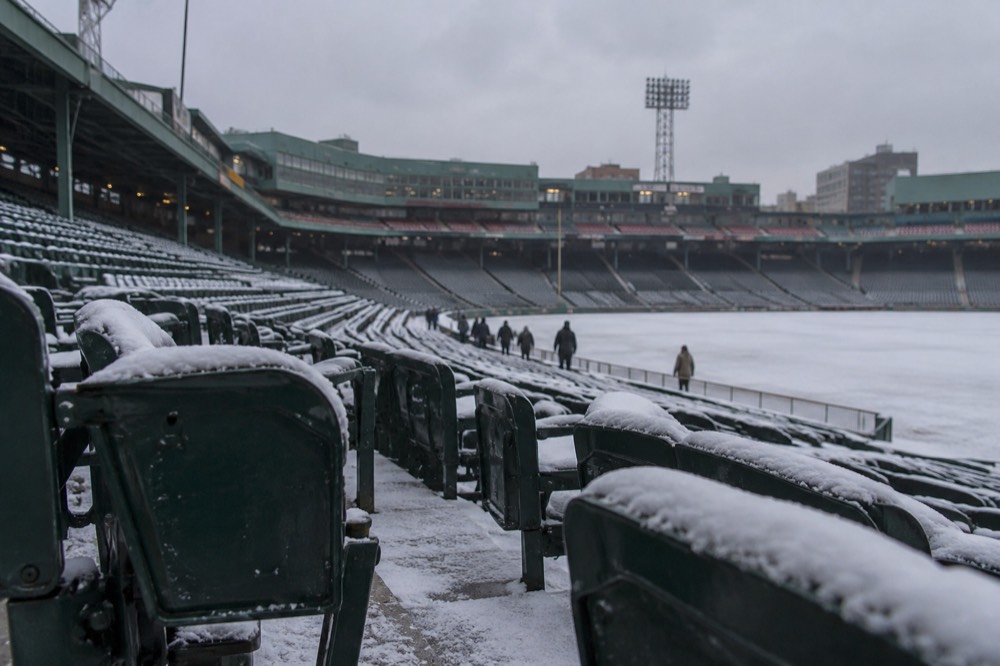
Fenway Park also offers winter tours. The standard ballpark tour lasts about an hour; short and field-level options are separate products with their own calendars. Do not assume every area is open or a winter visit is entirely indoors. The Red Sox game guide explains the separate game-day visit.
Ghosts and Gravestones combines trolley travel with substantial outdoor walking, including uneven cemetery paths. Check an actual winter departure and dress for the walking portions; children under six cannot join. It is not an entirely indoor alternative.
Families will find plenty here too, since the Museum of Science, the Aquarium and the Frog Pond rink are all child-friendly in the cold months. Anyone building a full cold-weather day plan should start from the winter itinerary, which sequences these stops into a workable route.
Which Indoor Attractions Are Worth It When It's Cold?
Indoor choices include the Museum of Science, MFA, Gardner, ICA and New England Aquarium. Compare direct benefits and actual dated admission before choosing a pass. Gardner visitors 17 and under are free; ICA and Gardner have reserved free Thursday evenings, and Harvard Art Museums are free year-round.
Museum benefits vary, and residency programs are only one route. Age, student, military, disability and qualifying-card benefits have venue-specific rules. At the Aquarium, visitors using their own wheelchair and visitors with visual impairments can request free admission at the Information Desk; borrowing a museum wheelchair does not create that entitlement.
| Indoor option | Admission scope | Compare first |
|---|---|---|
| Museum of Science | Exhibit Halls | Separately priced shows and benefits |
| MFA | Current galleries | $5-minimum Third Thursdays and other benefits |
| Gardner | Museum | Youth and reserved free Thursdays |
| ICA | Museum | Reserved free Thursdays |
| Aquarium | Basic aquarium entry | Film/whale watch separate; eligible benefits |
| View Boston | Observation floors | Visibility and complete dated price |
The MFA's "$5 Third Thursdays" is the genuine tourist-accessible deal: $5 minimum, pay-what-you-wish, every third Thursday of the month, in person, day of, open to anyone. The MFA publishes the upcoming dates on its free and discounted admission page. The ICA's free Thursday nights, 5 to 9 pm, are open to all visitors with advance tickets, per the museum's own hours page.
The Museum of Science is mid-renovation, and that matters for planning. The museum stays open while it builds the Bloomberg Public Science Common, targeted to open in late 2026, but it has permanently closed the Garden Walk and Insect Zoo, Museum Then and Now, and Behind the Scenes. Anyone nostalgic for the butterfly garden should adjust expectations before buying Exhibit Halls tickets.
CityPASS lets you choose four of its seven participating attractions and starts its nine-day validity at the first visit or reservation. Go City has a different menu and count/day variants. Compare only the admissions you intend to use, after direct discounts, and check winter cruise dates. The CityPASS comparison guide explains the differences.
Check the Exhibit Halls calendar before setting your museum day. This Museum of Science ticket excludes separately priced films, planetarium and other shows. Compare direct benefits and current exhibits before paying. Check Museum of Science entry dates
Is The Freedom Trail Worth Walking In Winter?
The outdoor Freedom Trail can be walked in winter when conditions allow, but snow and ice can make parts unsuitable. Historic interiors have separate prices and opening hours, including King’s Chapel church. Choose shorter sections and verify conditions rather than assuming the entire 2.5-mile route has been cleared.
The fee structure comes straight from the National Park Service's hours-and-fees page for Boston National Historical Park. The free sites include Faneuil Hall and its Great Hall, the Bunker Hill Monument, the Bunker Hill Museum, the Charlestown Navy Yard, and the USS Constitution itself, the world's oldest commissioned warship still afloat. The USS Constitution Museum next to the ship runs on pay-what-you-wish admission rather than a fixed price.
| Historic stop | Admission basis |
|---|---|
| Old State and Old South | Combined dated ticket; benefits available |
| Paul Revere House | Separate admission and age benefits |
| Old North | Discovery or Bell Chamber option |
| King’s Chapel church | Separate admission; burial ground distinct |
| Faneuil Hall | Free during public hours |
| Bunker Hill | Free; climb availability varies |
| USS Constitution | Free; Navy schedule, ID and boarding rules |
| USS Constitution Museum | Separate institution; current admission terms |
The Old State/Old South combined ticket has a show time and same-date visit conditions. Paul Revere House is open year-round, with winter hours of 10–4:15, Monday closures in January–March and separate holiday closures. Its April 15 change begins longer hours, not the annual reopening.
A guide adds context, but a winter walking tour is still an outdoor commitment. The small-group Freedom Trail walk takes roughly 2.5 hours from Boston Common to the North End, without paid interiors or Charlestown. The Freedom Trail tours guide compares it with the separate longer route.
Want historical context for a shorter part of the Trail? Explore the 2.5-hour Common-to-North-End walk. It remains outdoors, excludes paid interiors and Charlestown, and requires conditions and walking ability that fit your party. Check Freedom Trail walk dates
What Boston Winter Activities Are Seasonal Or Closed?
Three closures matter: the Swan Boats are closed for the season and will not run again until April 2027, the Boston Harbor Islands ferry stops for the year on 12 October 2026, and whale watching does not operate in winter. Symphony station on the Green Line E branch has also been closed since June with closure scheduled through spring2029. Anyone reading an older guide that recommends these in January is being misled.
Swan Boats point to an April 2027 return. Tourist Harbor Islands ferries are seasonal, with different autumn schedules by island; regular MBTA harbor ferries are a separate service. The Boston whale watching guide explains the seasonal offshore outing. Confirm a new season’s actual calendar before booking.
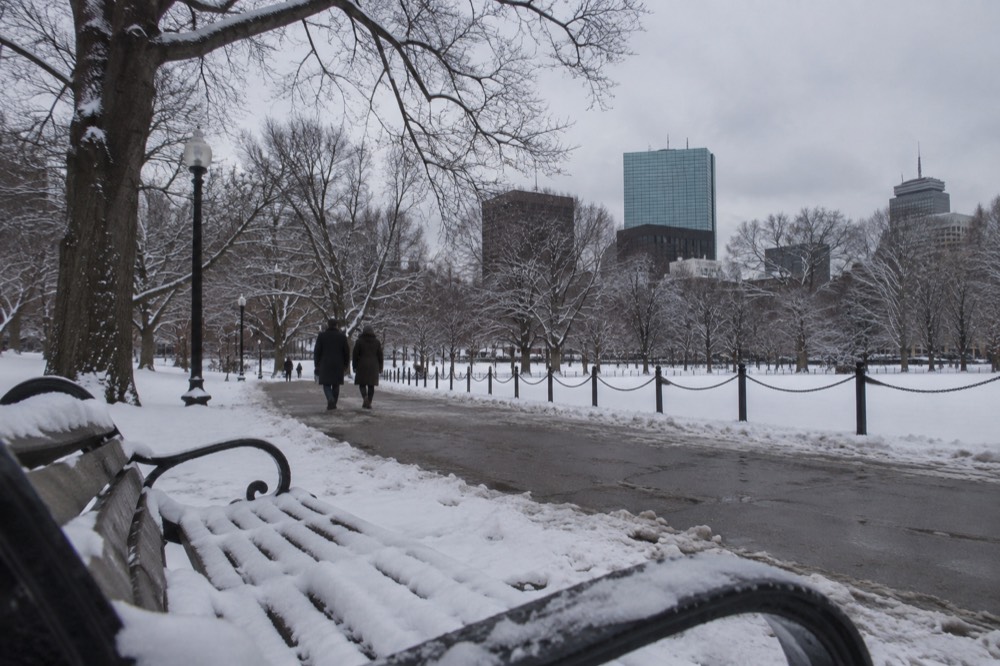
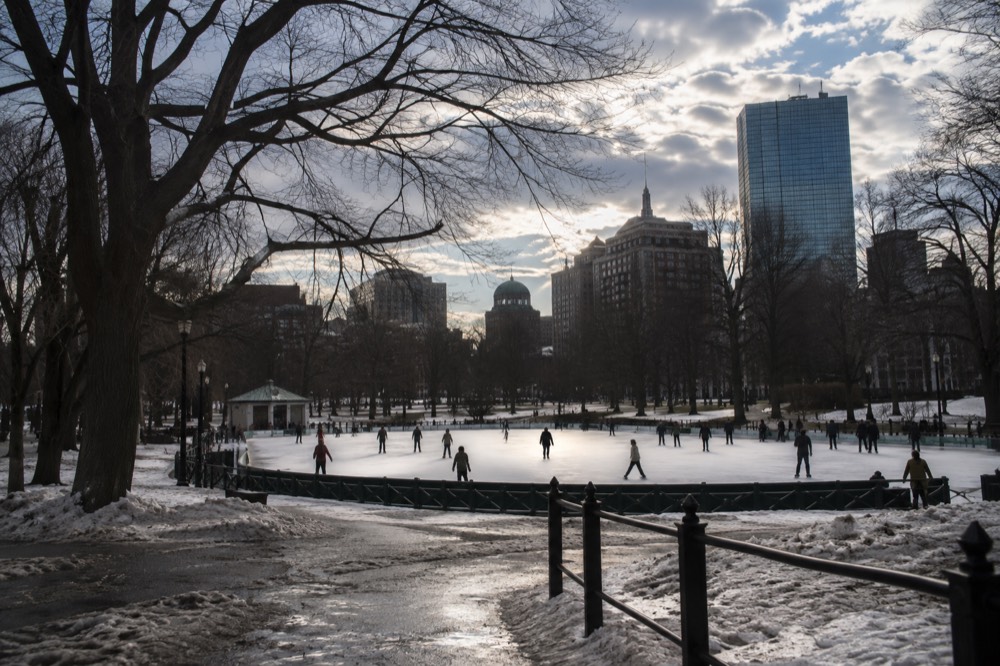
What replaces them in winter is a different set of traditions. The Boston Common Frog Pond turns into an ice rink, the tree lighting and holiday markets fill early December, and the theater district runs at full schedule. The weekend guide tracks what is actually on in a given week, which is the right tool for a winter visit since event schedules shift.
The 2026 FIFA World Cup matches at Gillette Stadium are over: seven games ran 13 June to 9 July, and nothing on a current winter itinerary should treat them as upcoming. Winter sports in Boston means the Bruins at TD Garden, the Celtics, and the Sports Museum tour inside the arena, bookable separately from game tickets.
Where To Eat In Boston In Winter?
The North End’s Italian restaurants, pastry shops and pizza counters offer year-round dining. A food walk combines tastings with outdoor neighborhood walking, so dress for the weather. Check actual stops and dietary conditions instead of assuming short queues or a wholly indoor experience.
The North End food walk covers Italian flavors and heritage with tastings. For independent eating, the best restaurants guide sorts the city by neighborhood and budget, while dedicated lobster-roll coverage addresses a different food choice.
Winter is also chowder season by temperament, if not by calendar. The warm-bowl instinct is real at the waterfront spots near the Aquarium and the stands at Quincy Market, and the indoor seating at Faneuil Hall Marketplace makes it a natural pairing with the free Freedom Trail sites around it.
Taprooms offer another winter outing. The verified brewery trip visits three producers with transport from its meeting point, tastings and a snack. It is for adults 21 and over with accepted ID; a full meal and a particular brewery are not guaranteed.
Curious about Italian flavors in the North End between warm-up stops? Explore the two-hour tasting walk. Walking is outdoors, specific foods follow the actual listing, and dietary requests need at least 24 hours’ notice. Check North End food walk dates
How Do You Get Around Boston In Winter?
A 7-Day MBTA pass costs $22.50 and a 1-Day pass $11, subway rides are $2.40 each, and the fare system changed on 1 September 2026 to allow unlimited transfers within a two-hour window while paying only the highest-priced leg. The Silver Line SL1 from Logan to South Station is free from the terminal curb, so arriving in Boston by transit can cost nothing.
The fare figures come from the MBTA's own fare page. The transfer pilot is the biggest change for visitors: previously riders got at most two transfers, and now any number of subway, bus and ferry legs inside two hours costs only the most expensive one, provided the same payment method is used throughout. Contactless Tap to Ride with a card, phone or watch is live on bus, subway and ferry.
| MBTA Fare | Price |
|---|---|
| Subway one-way | $2.40 |
| Local Bus one-way | $1.70 |
| 1-Day Pass | $11.00 |
| 7-Day Pass | $22.50 |
| Monthly LinkPass | $90.00 |
One pass detail catches visitors: a 1-Day or 7-Day pass on a CharlieTicket starts at the moment of purchase, while the same pass loaded on a CharlieCard starts at first use. Buy on a CharlieCard the night before an early start and the clock has not begun ticking. The CharlieCard and fares guide explains the full mechanics, and the subway map itself is straightforward once the fare rules are clear.
Winter adds a service caveat. The MBTA runs rolling weekend diversions for track work, and September 2026 alone saw Orange, Red and Green Line segment closures with free shuttle replacements. Check the T's service alerts on the morning of any winter travel day. The getting around guide has the full picture.
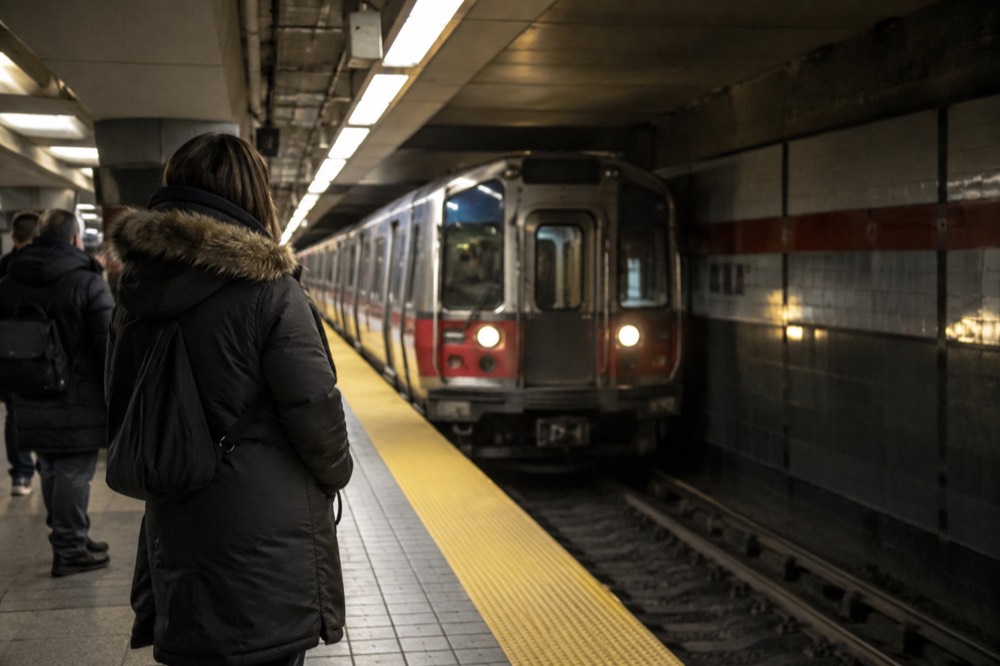
Driving is the weaker winter option. Snow emergencies trigger street bans and odd parking rules, and downtown garages are expensive at the best of times. A visitor staying downtown does not need a car, and in January a car is closer to a liability. Anyone flying in should read the Logan Airport guide rather than renting one at the curb; the airport-to-downtown connections are covered there too.
Where Should You Stay In Boston In Winter?
Back Bay and downtown are the strongest winter bases because both sit on the subway spine and put the Freedom Trail, the waterfront and the Prudential Center within walking distance of heated indoor attractions, and hotel prices depend on the exact dates, property and events. The Seaport is walkable to the ICA and the harbor but more exposed to wind off the water.
Picking the right neighborhood makes cold days easier. Book a hotel here.
The where to stay guide compares every neighborhood in detail, and the airport corridor is worth considering for anyone with an early flight out through winter weather. Location matters more in cold months than in warm ones: a hotel two subway transfers from everything is a minor cost in June and a real tax in February.
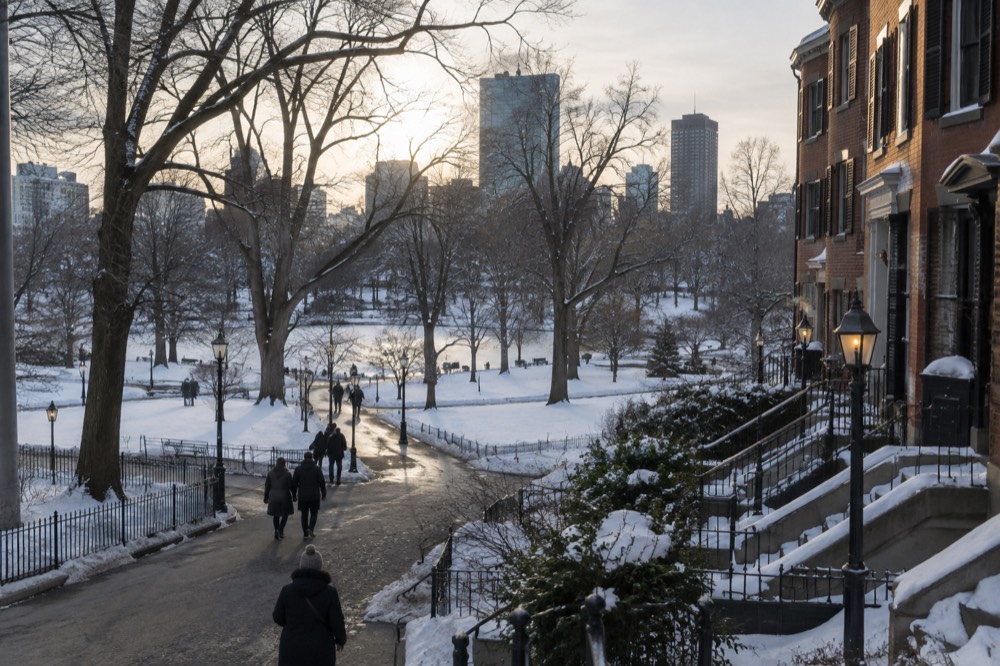
Check rooms for your winter dates before assuming seasonal savings. Compare the complete price, station distance, cancellation deadline and room access. This city search does not guarantee a Back Bay location or the cheapest rate. Compare Boston stays
What Should You Pack For A Boston Winter Trip?
Pack for temperatures in the 20s and 30s with wind off the harbor: a real insulated coat, waterproof footwear with grip for packed snow, and layers that work indoors, because Boston's museums, restaurants and transit are heavily heated. The data says December is the wettest month at 4.30 inches of precipitation while January and February are the snow months at 14-plus inches each, so prepare for snow, slush and cold rain.
Both warmth and grip matter. Boston's sidewalks get cleared fast, but the cleared paths turn to refrozen slush by evening, and the intersections are the worst of it. Waterproof boots with actual tread beat fashion options decisively here.
The rest is standard cold-city kit: gloves that work on a phone screen, a hat that covers ears, and a scarf for the harbor wind, which is the difference between a pleasant waterfront walk and a miserable one. Winter sits at the cold end of the site's seasonal coverage, and anyone still choosing dates can weigh it against the warmer months in the best time to visit guide.
Common Questions About Visiting Boston In Winter
is massachusetts going to have a snowy winter
The long-run averages say plan on snow: Boston's NOAA 1991-2020 normals show 49.2 inches a year, with 28.7 inches falling in January and February alone. Any given year varies around that baseline, but ground cover and the severity of any particular winter vary.
is boston too cold to visit in winter
It depends on your comfort with cold and your plans. Combine indoor visits with short outdoor sections when conditions allow. Compare actual hotel dates; winter does not guarantee the lowest price or smallest crowds.
what should i do in boston in january
The Museum of Science, the MFA on a Third Thursday ($5 pay-what-you-wish), View Boston for the snowy skyline, a Freedom Trail walk hitting free outdoor sites, and the North End for dinner. The Frog Pond ice rink on Boston Common is the classic outdoor pick.
are the swan boats open in winter
No. The Swan Boats' own site says "Closed for the season. See you in April 2027." They operate daily April through September and will not run again until April 2027.
is the freedom trail walkable when it snows
The free outdoor route remains a public walking route, but snow and ice can make sections unsuitable. Check conditions and shorten the walk when needed; do not assume every sidewalk is cleared. Historic interiors have their own admission and winter hours.
is boston expensive in winter
Compare actual hotel and activity quotes. The outdoor Freedom Trail is free, Harvard Art Museums are free, and ICA and Gardner have reserved free Thursday evenings. A $22.50 seven-day MBTA pass costs less than ten separate $2.40 subway fares, but your eligible transfers and actual rides determine value.
The short version: Boston in winter is a museum city with a snowy backdrop, and the numbers back that up. Plan indoors, walk the free trail between snowfalls, eat in the North End, and let July have its crowds. This Boston Travel Guide page is one piece of the site's full seasonal coverage, and the winter itinerary linked above turns all of it into a day-by-day plan.
Choose Your Winter Visit Around The Forecast
These options do not match your choice. Adjust the selection or reset to explore the starting recommendation.
Compare Your Winter Admission And Activity Totals
Reader-entered estimates in USD, not live quotes. Use the same dates and travelers for both options. Include all relevant tickets, rooms, taxes, mandatory fees and transport for the entire trip once in each total. Do not add a transfer twice if your rate already includes it.
Museum Of Science Exhibit Halls Admission
Admission to the Exhibit Halls at 1 Science Park. Present the ticket at the entrance without joining the box-office purchase line; this does not promise to bypass security or exhibit queues. Planetarium, Omni and 4-D shows, food and drinks are separate. Check free eligibility before buying; children under three enter free.
A starting option to explore. Choose dates, travelers and the exact booking option with the provider; availability and eligibility are confirmed there.
Check Museum of Science entry dates