Boston's Theater District: A Visitor's Guide To The City's Showtime Blocks
Boston's Theater District occupies the compact stretch of Tremont Street and Washington Street that runs south from the Boston Common toward Chinatown. The city's playhouses have stood on these blocks for more than a century, and the district still works the way it was built to: venues within a few minutes' walk of one another, streetcar lines at the door, and restaurants close enough to make dinner and a show a single evening rather than a logistics project. This guide covers where the district sits, which theaters give it its name, how the MBTA serves it, and what to do with the hours before curtain.
Short answer
The Theater District is the several-block area along Tremont and Washington Streets between the Boston Common and Chinatown, roughly bounded by Boylston Street to the north and Stuart Street to the south. It sits directly across the Common from Beacon Hill, one stop from Downtown Crossing, and a short walk from the waterfront and Long Wharf. Boylston on the Green Line, Chinatown on the Orange Line and nearby Silver Line street stops put it on the rapid-transit map.
Boston's Theater District occupies the compact stretch of Tremont Street and Washington Street that runs south from the Boston Common toward Chinatown. The city's playhouses have stood on these blocks for more than a century, and the district still works the way it was built to: venues within a few minutes' walk of one another, streetcar lines at the door, and restaurants close enough to make dinner and a show a single evening rather than a logistics project. This guide covers where the district sits, which theaters give it its name, how the MBTA serves it, and what to do with the hours before curtain.
Want to see inside the Wang before your show night? Explore the theater’s building tour, including its music-history exhibits. Performance tickets are separate, and access varies with the theater’s working schedule. Check Wang Theatre tour dates and access
Where Is Boston's Theater District?
The Theater District is the several-block area along Tremont and Washington Streets between the Boston Common and Chinatown, roughly bounded by Boylston Street to the north and Stuart Street to the south. It sits directly across the Common from Beacon Hill, one stop from Downtown Crossing, and a short walk from the waterfront and Long Wharf. Boylston on the Green Line, Chinatown on the Orange Line and nearby Silver Line street stops put it on the rapid-transit map.
The district's identity comes from concentration rather than from any single landmark. Theaters that once dotted this corridor have come and gone, but the survivors cluster tightly enough that a visitor can stand at the corner of Tremont and Boylston and see venue marquees in three directions. The Boston Common forms the northern edge, which matters practically: the Common's paths are the pleasant way to approach a show from the Back Bay side, and the Park Street interchange sits at the top of it.
To the south, the district dissolves into Chinatown within about two blocks, which is the single most useful fact for pre-show dining. To the east sits the Downtown and Financial District, and to the west the South End begins its run of brownstones. Everything a visitor needs for an evening out sits inside a fifteen-minute walk.
Which Theaters Give The District Its Name?
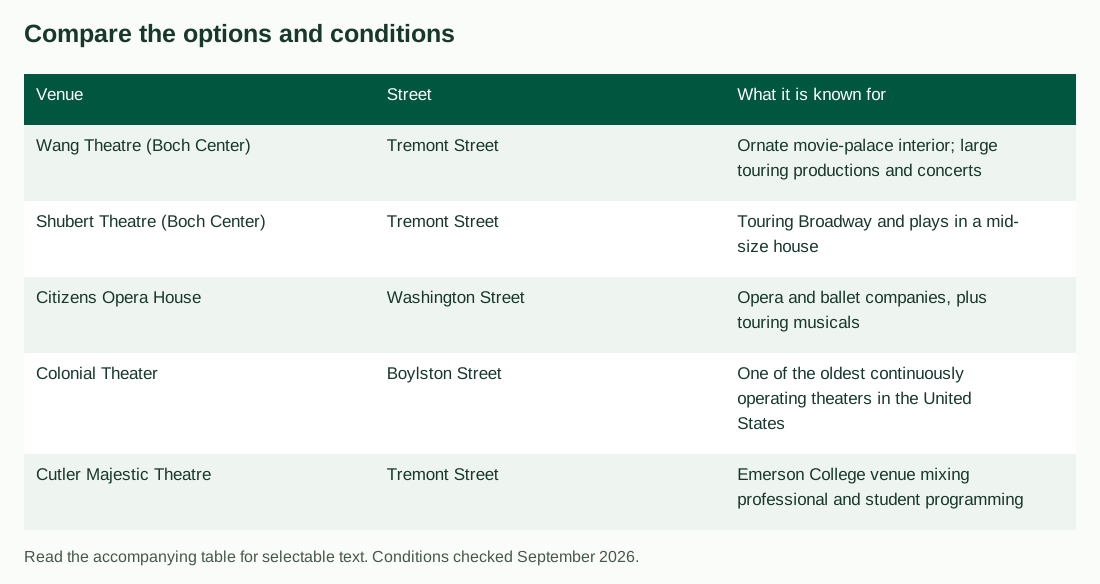
The district's anchor venues are the Wang Theatre and the Shubert Theatre, both operated under the Boch Center banner on Tremont Street, plus the Citizens Opera House on Washington Street, the Colonial Theater on Boylston Street, and Emerson College's Cutler Majestic Theatre. Together they host touring Broadway productions, opera, ballet, concerts, and comedy across a few blocks, and the Boch Center's own site publishes current calendars for both of its houses.
The Wang is an ornate former movie palace, while the Shubert stands across Tremont Street. Both present varied live programs. The Citizens Opera House is a major venue for Boston Ballet and touring Broadway productions; its name does not mean every Boston opera company performs there. Check the actual venue named on your show ticket.
The Colonial Theater on Boylston Street carries the district's deepest history: it is one of the oldest continuously operating theaters in the United States, and its stage has premiered works that later moved to New York. Emerson College's Cutler Majestic Theatre and the Paramount Center round out the district's list, and because they are college-run houses their programming mixes professional acts with student productions. For a fuller picture of what is playing across the city, including venues outside the district itself, the site's Boston theater and live music guide collects the calendar picture in one place.
| Venue | Street | What it is known for |
|---|---|---|
| Wang Theatre (Boch Center) | Tremont Street | Ornate movie-palace interior; large touring productions and concerts |
| Shubert Theatre (Boch Center) | Tremont Street | Touring Broadway and plays in a mid-size house |
| Citizens Opera House | Washington Street | Opera and ballet companies, plus touring musicals |
| Colonial Theater | Boylston Street | One of the oldest continuously operating theaters in the United States |
| Cutler Majestic Theatre | Tremont Street | Emerson College venue mixing professional and student programming |
One planning note that catches visitors out: the district's venues spell the word "theatre" in their own names, and the neighborhood keeps that spelling on its signage. The district name on maps and in this guide uses "Theater," but a search for a specific venue should copy the venue's own spelling exactly.
What Is Within Walking Distance Of The Theaters?
Nearly all of central Boston is: Chinatown's restaurants are two blocks south, the Freedom Trail's start at Boston Common is at the district's northern edge, Downtown Crossing's shopping is a five-minute walk east, and the North End's Italian dinner scene is about a mile away, or one short transit ride. The district's position makes it one of the best bases in the city for a full day that ends at a show.
The Boston Common and the Public Garden sit immediately north, which gives the district something few theater districts anywhere have: a park as a front yard. The Common is also where the Freedom Trail begins its 2.5-mile red-lined route past 16 historic sites, as the Freedom Trail Foundation's own visit page describes. Of those 16 sites, only four charge admission, and the National Park Service's hours-and-fees page lists the free ones, including Faneuil Hall, the USS Constitution, and the Bunker Hill Monument. A visitor can spend the whole day on Revolutionary history and spend nothing on entry fees.
Walk east instead and Downtown Crossing's shopping blocks lead toward the North End, Boston's oldest neighborhood and its Italian dining heart. The distance is walkable in twenty minutes or so, but the MBTA covers it faster, and the neighborhood rewards an evening rather than a rushed hour. The Beacon Hill streets on the Common's far side are the other classic pre-show stroll, all gas lamps and brick row houses.
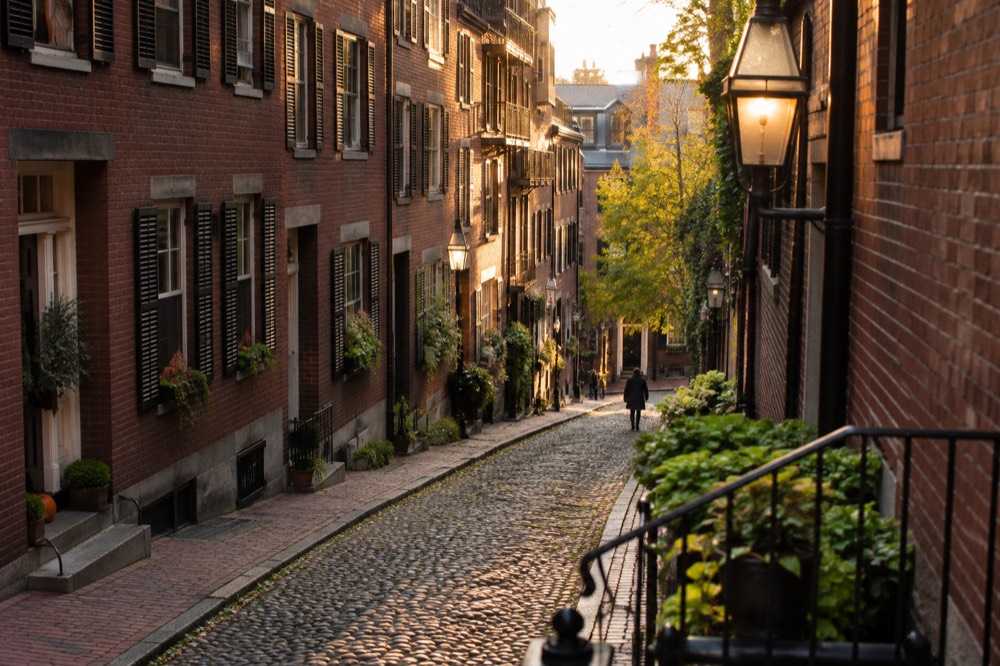
For visitors assembling a full itinerary, the city's headline attractions are collected on the things to do in Boston page, which groups the Freedom Trail, the waterfront, and the museum quarter by theme.
Check the guided Freedom Trail walk’s start before planning a pre-show history outing. It runs from the Common to the North End, not the full Charlestown route; allow time to get back for curtain. Check Freedom Trail walk dates
How Do You Get To The Theater District?
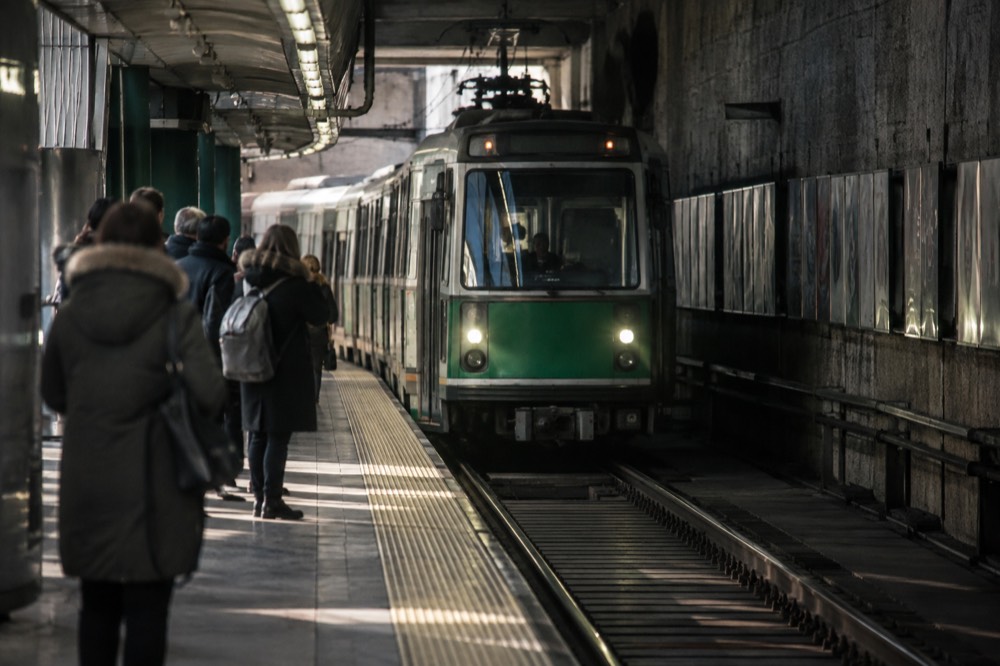
Green Line Boylston and Orange Line Chinatown serve the district directly. Red Line Park Street and Downtown Crossing are nearby on foot, with Green/Orange connections where useful. A subway ride costs $2.40, with $11.00 1-Day and $22.50 7-Day passes; compare your actual trips and applicable transfers before buying a pass.
A show and dinner will usually put the return trip outside the two-hour transfer window, so budget a separate fare unless a pass covers it. For 1-Day or 7-Day passes, CharlieTicket validity starts at purchase and CharlieCard validity at first use. Use the same payment method for transfers that do qualify.
| MBTA fare | Price | Notes |
|---|---|---|
| Subway, one-way | $2.40 | Red, Orange, Green, Blue lines, Mattapan Trolley, Silver Line SL1-SL3 |
| Local Bus, one-way | $1.70 | Express Bus fares dropped to this rate in the 2026 pilot |
| 1-Day Pass | $11.00 | 24 hours from first use on a CharlieCard |
| 7-Day Pass | $22.50 | 7 days from first use on a CharlieCard |
| Two-hour transfers | Cost of highest leg only | Pilot in effect from 1 September 2026, same payment method required |
Taxis and rideshares reach the district easily, but on performance nights the streets around the venues fill quickly, and the transit option is both cheaper and more predictable. Visitors arriving from Logan Airport should note the Silver Line quirk Massport publishes on its own airport page: the SL1 is free leaving the terminal curb toward South Station, so the trip from the airport into the city can cost nothing at all. From South Station, one Red Line leg and a Green Line connection covers the rest.
Where Should You Eat Before A Show?
Chinatown, two blocks south of the venues, is the fastest pre-show option, with kitchens that serve late and fast. The North End, about a mile east, is the classic choice: its Italian restaurants and pastry shops anchor the district's dinner-and-a-show tradition, and a guided North End food walk covers the neighborhood's flavors and heritage in about two hours for visitors who want the full picture rather than a single table.
The North End's pull is not just reputation. The neighborhood is the city's oldest, its streets are genuinely Italian in character, and its food scene runs from red-sauce institutions to modern pastry counters. The Boston's North End Food Tour: Italian Flavors and Heritage Walk, listed from $70 per person and rated 4.9 from 1,635 reviews on its listing, is the structured way to eat through it, with a guide who covers the heritage alongside the food. Its listing shows a two-hour running time, which fits an afternoon before an evening curtain. The wider set of guides lives on Boston Travel Guide.
For a sit-down meal, choose a nearby Chinatown restaurant by its current menu, reservation policy and service time. Allow the theater’s required arrival buffer after the meal; a 6:30 reservation does not guarantee an unhurried 8:00 curtain. The South End offers another dining area with a longer journey.
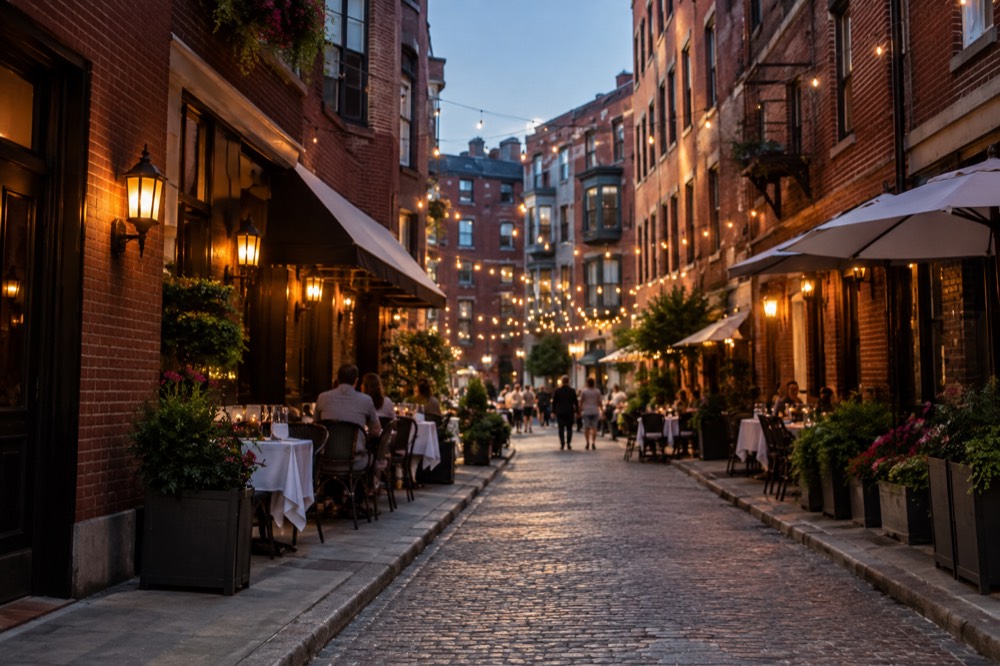
Dessert deserves its own sentence: a cannoli from a North End pastry shop carried back toward the theater district is a Boston evening ritual, and the pastry shops stay open past most curtain times.
What Else Can You Do In The District During The Day?
The district is primarily an evening place, but its daytime hours belong to the surrounding blocks: the Boston Common and Public Garden to the north, the Freedom Trail's first sites at the Common's edge, and the shopping of Downtown Crossing to the east. A guided city tour stitches these together efficiently, and the amphibious duck boat tour, from $62 and rated 4.6 from over 10,000 reviews on its listing, departs from the Prudential Center, Museum of Science or New England Aquarium, depending on the booked option and includes a Charles River splashdown.
The duck boat option deserves the explanation because it is unusual. The Boston Duck Boat Sightseeing City Tour with Cruise uses amphibious vehicles for an 80-minute loop that leaves the street and enters the river, and its listing shows a 4.6 rating from 10,003 reviews. It is one option for combining city streets with a Charles River outing, and it works as a first-day orientation before an evening show.
Visitors who would rather walk can follow the Common's Freedom Trail markers toward Charlestown, where the free USS Constitution and Bunker Hill sites sit at the trail's far end. The National Park Service's hours-and-fees page for Boston National Historical Park confirms both are free, which makes the trail the city's best-value half day. The Museum of Science, reachable on the Green Line toward Cambridge, is the standard rainy-day pivot; its construction page notes the museum stays open while it builds the new Bloomberg Public Science Common, though the Garden Walk and Insect Zoo and two other exhibits have closed permanently.
When Is The Best Time To Visit The Theater District?
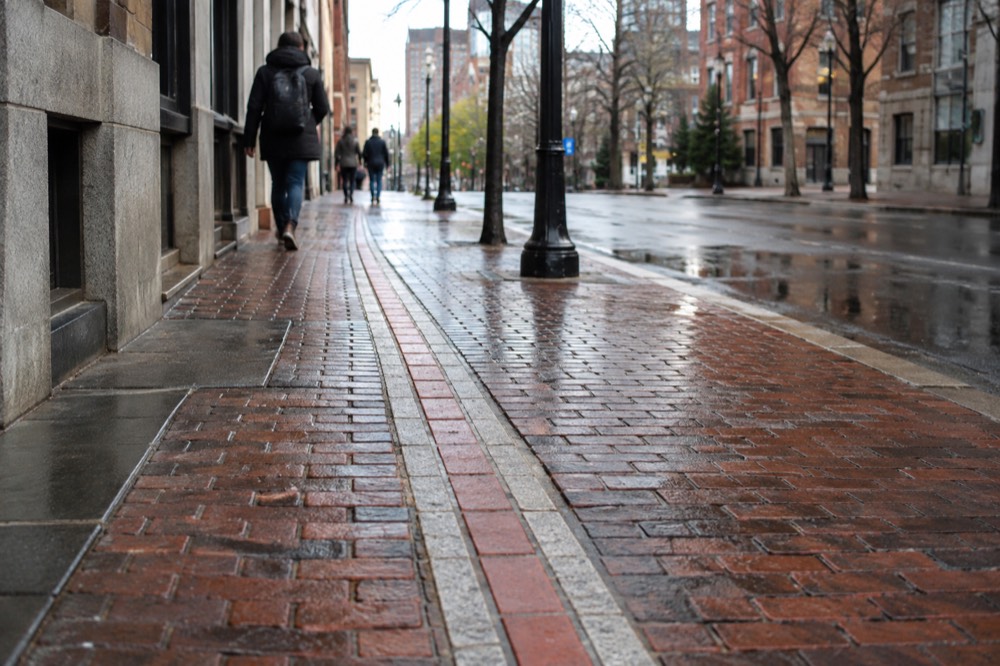
Boston’s theater calendar runs year-round. May through October often suits outdoor walks before a show, with NOAA’s Logan average highs ranging from 62.1°F in October to 82.1°F in July. Use the forecast for your actual night and allow extra travel time in snow or storms.
The weather point matters for a theater district more than it might seem, because the district's pleasure is the walk: from the Common, from Chinatown, from a Back Bay hotel. In January and February, average highs sit in the middle and upper 30s and the city takes on snow, 28.7 inches of its 49.2-inch annual normal in those two months alone. A winter show is still a fine evening, but it is a taxi evening rather than a stroll.
| Month | Avg high (F) | Avg low (F) | Notes for the district |
|---|---|---|---|
| May | 66.5 | 50.3 | Comfortable walking weather, spring programming in full swing |
| July | 82.1 | 66.0 | Warmest month; evening walks at their best |
| September | 73.1 | 58.2 | Fall season openings, warm days, cool evenings |
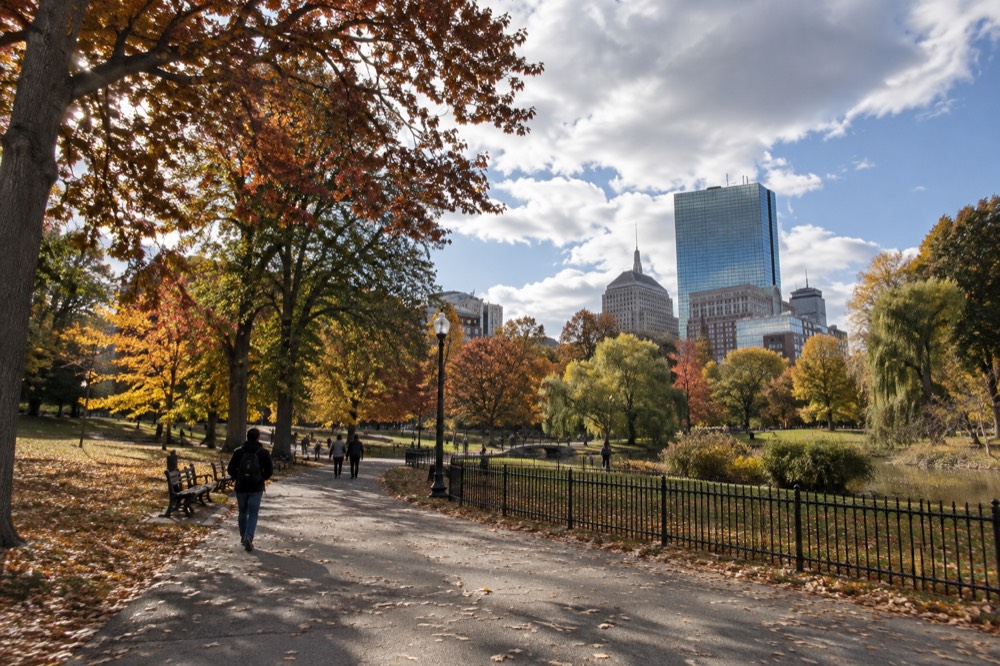
| October | 62.1 | 47.5 | Fall color on the Common, touring Broadway season underway |
| January | 36.8 | 23.1 | Snow likely; plan transit rather than long walks |
Holiday weeks deserve a mention in both directions. Late December fills the district with families and seasonal programming, and the weeks around Thanksgiving and Christmas are among the busiest on the theater calendar. The trade-off is weather and crowds; the payoff is that the Common's holiday lights make the pre-show walk something special.
Can You Combine The District With A Cambridge Visit?
Yes, easily: the Red Line runs from Park Street, at the Common's corner, to Harvard Square in about fifteen minutes, and the Harvard University Campus Guided Walking Tour, from $23 per person and rated 4.7 from 3,864 reviews on its listing, covers the Yard and its history in an hour and ten minutes. Cambridge is a separate city, not a Boston neighborhood, but the transit link makes it a natural half-day before a Boston show.
Cambridge and Somerville are independent cities and Brookline is an independent town. Harvard offers a free official historical tour with reservations and a self-guided route; paid student-led tours are another option. All visits must respect current university access rules, and a commercial guide does not guarantee entry to academic interiors.
The reverse pairing also works: a morning in Harvard Square, an afternoon back on the Common, and an evening at the Wang. The Red Line's frequency makes the back-and-forth painless, and the same fare pilot's two-hour transfer window can cover the round trip for a single $2.40 fare if the timing cooperates.
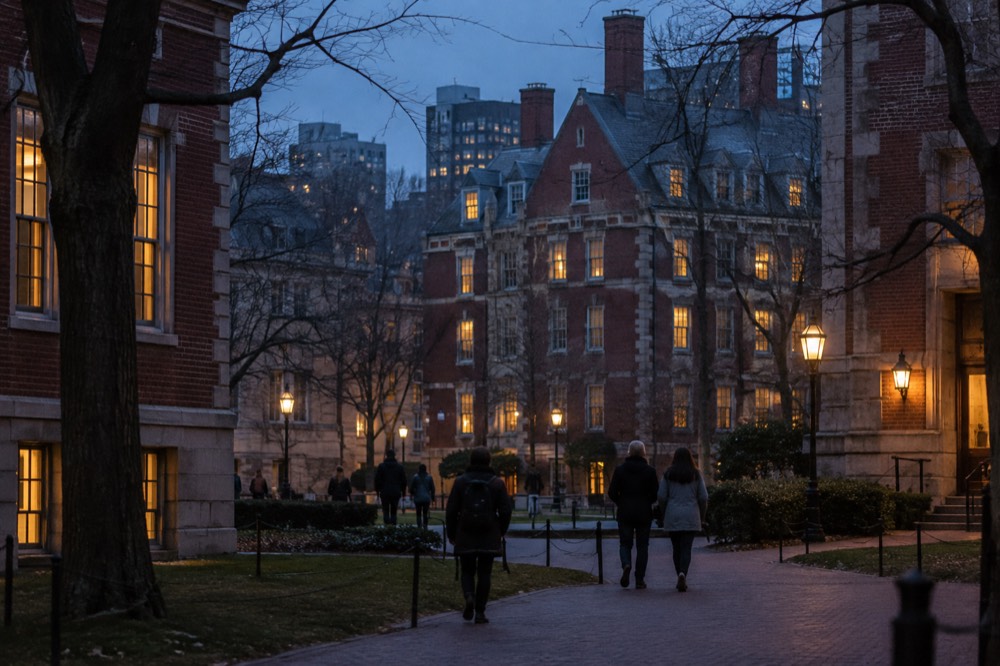
Check the student-led Harvard walk’s date before arranging a Cambridge morning and Boston show. No university interior entry or Boston transfer is included; allow the Red Line journey and theater arrival buffer. Check Harvard walk dates
How Does The District Fit A First Boston Trip?
First-time visitors should treat the Theater District as an evening anchor rather than a daytime destination: book a show for the second or third night, spend the days on the Freedom Trail and the waterfront, and use the district's position between the Common and Chinatown to keep dinner, the show, and the ride home within a few blocks. A two- or three-day itinerary absorbs it without any dedicated theater day.
Looking for an evening activity with a darker spin? Book a ghosts and gravestones trolley tour here.
The practical sequence that works for most first trips: daytime history and museums, a late-afternoon return to a central hotel, dinner in Chinatown or the North End, then the show. Visitors staying in Back Bay or Beacon Hill can walk to the venues through the Common in fifteen to twenty minutes, which removes the evening transit question entirely. The MBTA's fare page covers the pass arithmetic for anyone staying further out.
Would a nearby overnight base simplify your show evening? Explore Hilton Boston Park Plaza at 50 Park Plaza and compare the full room total and your theater’s walking route. Access, cancellation and extras depend on the rate. Check rooms at Hilton Boston Park Plaza
Common Questions About The Boston Theater District
what is the boston theater district
It is the several-block area along Tremont and Washington Streets between the Boston Common and Chinatown, anchored by the Wang and Shubert theatres, the Citizens Opera House, the Colonial Theater, and the Cutler Majestic Theatre.
where is the theater district in boston
Directly south of the Boston Common. Boylston on the Green Line and Chinatown on the Orange Line serve it, and Park Street and Downtown Crossing are each one stop away.
is the boston theater district walkable
Yes. The venues sit within a few blocks of one another, Chinatown is about two blocks south, and the Common, Downtown Crossing, and Beacon Hill are all within a twenty-minute walk.
where should i eat before a show in boston's theater district
Chinatown's restaurants, two blocks south, are the fastest option and serve late. The North End, about a mile east or one short transit ride, is the classic Italian choice, and its pastry shops stay open past most curtain times.
how do i get to the theater district by subway
Take the Green Line to Boylston. A subway ride costs $2.40, and since 1 September 2026 transfers within a two-hour window are unlimited, with the rider paying only the highest-priced leg, per the MBTA's fare page.
Plan Your Theater Visit And Daytime Add-On
These options do not match your choice. Adjust the selection or reset to explore the starting recommendation.
Compare Your Theater Day Totals
Reader-entered estimates in USD, not live quotes. Use the same dates and travelers for both options. Include all relevant tickets, rooms, taxes, mandatory fees and transport for the entire trip once in each total. Do not add a transfer twice if your rate already includes it.
Wang Theatre Behind-The-Scenes Tour
Explore the historic Wang Theatre and Folk Americana Roots Hall of Fame. Confirm your booked time and duration; theater activity can change access and some areas are not accessible to every guest. This is a building tour, not a performance ticket. Meet at 270 Tremont Street and arrive 15 minutes early.
A starting option to explore. Choose dates, travelers and the exact booking option with the provider; availability and eligibility are confirmed there.
Check Wang Theatre tour dates and access