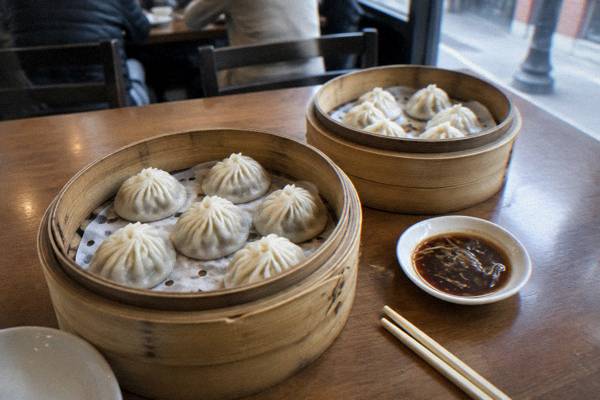
Boston Chinatown
Boston’s Chinatown occupies a compact area around Beach Street beside the Theater District and Rose Kennedy Greenway. This guide covers food, arrival routes, nearby sights and distinct booking choices. Check each operator’s current price and date-specific conditions before buying.
Short answer
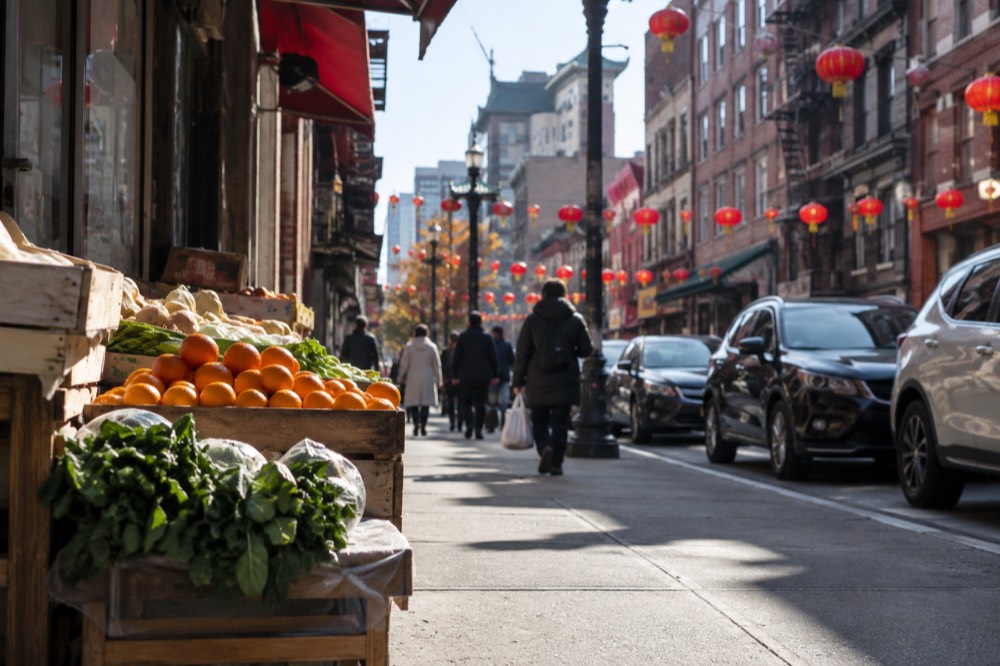
Boston’s Chinatown centers on Beach, Tyler, Hudson and neighboring streets, east and southeast of the Theater District and south of Downtown Crossing.
Boston Chinatown
Boston’s Chinatown occupies a compact area around Beach Street beside the Theater District and Rose Kennedy Greenway. This guide covers food, arrival routes, nearby sights and distinct booking choices. Check each operator’s current price and date-specific conditions before buying.
Want a tasting walk in Chinatown itself? Explore the Chinese and Chinese-American food tour. It cannot accommodate food allergies or dietary restrictions except no alcohol; the operator recommends ages 12 and up. Check Chinatown food walk dates and conditions
Where Is Boston's Chinatown?
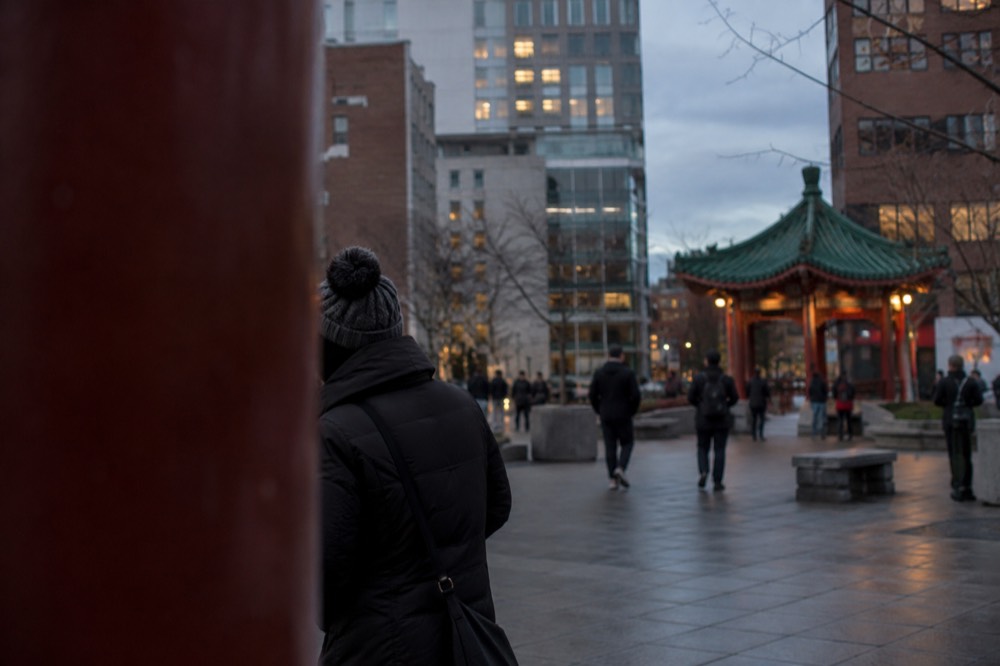
Boston’s Chinatown centers on Beach, Tyler, Hudson and neighboring streets, east and southeast of the Theater District and south of Downtown Crossing. The Greenway borders its eastern side. Orange Line Chinatown and Tufts Medical Center stations serve different parts; Green Line Boylston is another nearby option.
That location is the reason the neighborhood works so well for visitors. The Freedom Trail, described by the Freedom Trail Foundation, runs through downtown just to the north, Faneuil Hall and Quincy Market sit beyond that, and the Theater District begins the moment you cross Tremont Street. A traveler staying in Back Bay or the South End reaches Chinatown in minutes on the Green or Orange line.
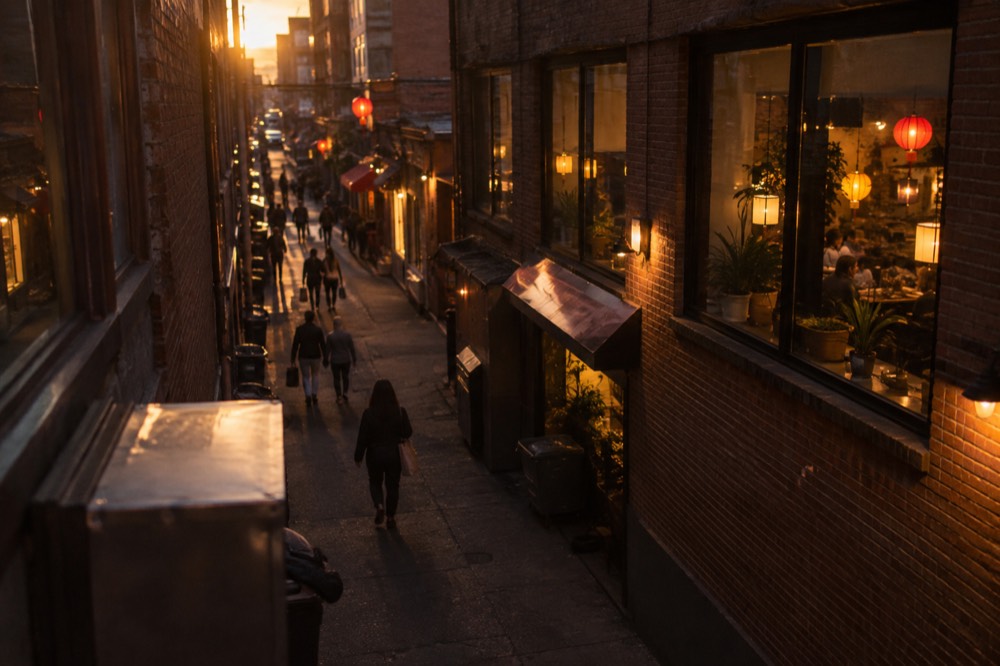
The neighborhood's boundaries matter for one practical reason: parking. Street parking in the blocks around Beach Street is scarce and metered, and garage rates downtown are among the highest in the city. The MBTA is the sensible way in, and the fare rules below make it cheaper than most visitors expect.
How Do You Get To Chinatown On The MBTA?
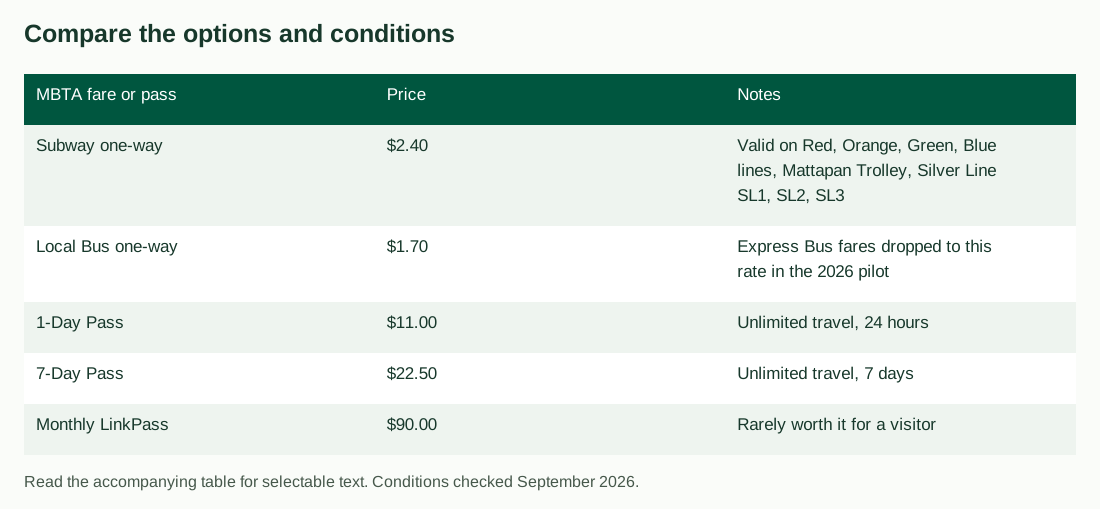
A one-way subway ride to Chinatown station costs $2.40 on the Orange Line, a local bus ride costs $1.70, and since 1 September 2026 you can transfer between subway, bus, and ferry as many times as you like inside a two-hour window while paying only the highest-priced leg. A 1-Day pass costs $11.00 and a 7-Day pass $22.50, both covering unlimited travel, and contactless Tap to Ride with a credit card, phone, or watch is live on bus, subway, and ferry. The MBTA's fare table at mbta.com/fares publishes all of these figures.
| MBTA fare or pass | Price | Notes |
|---|---|---|
| Subway one-way | $2.40 | Valid on Red, Orange, Green, Blue lines, Mattapan Trolley, Silver Line SL1, SL2, SL3 |
| Local Bus one-way | $1.70 | Express Bus fares dropped to this rate in the 2026 pilot |
| 1-Day Pass | $11.00 | Unlimited travel, 24 hours |
| 7-Day Pass | $22.50 | Unlimited travel, 7 days |
| Monthly LinkPass | $90.00 | Rarely worth it for a visitor |
One detail in the MBTA's own fare pages catches out visitors regularly. A 1-Day or 7-Day pass loaded onto a CharlieTicket starts at the date and time of purchase, while the same pass on a CharlieCard starts at first use. Buy on a CharlieCard the evening you arrive and the clock does not start until you first tap the next morning. The two-hour unlimited transfer window, live since 1 September 2026, replaced the old rule that capped riders at two transfers, and it requires the same payment method across every leg.
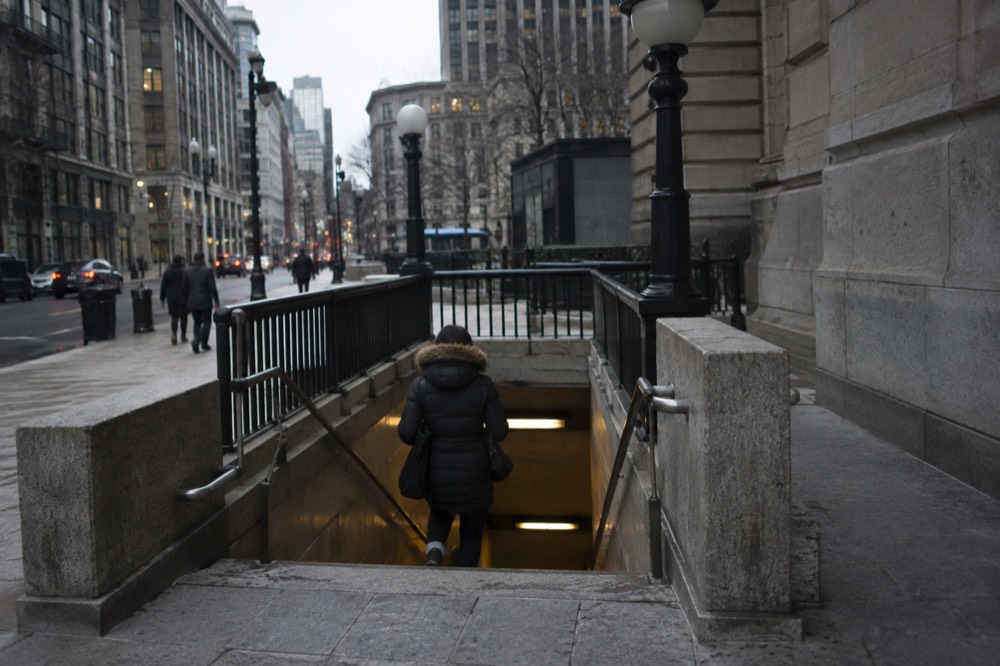
Chinatown station itself is on the Orange Line, between Downtown Crossing and Tufts Medical Center. From Logan Airport, the Massport-published route is the Silver Line SL1 from the terminal curb, which Massport states is free leaving the airport, connecting to the subway network at South Station. South Station serves the Red Line, not the Orange Line. Chinatown is a walk west from the station, or use the Red Line to Downtown Crossing and change to the Orange Line.
For a first afternoon in the city that pairs Chinatown with the wider downtown, a guided overview is a different way to cover the ground:
What Should You Eat In Boston's Chinatown?
Chinatown offers Chinese and Chinese-American dining alongside other Asian cuisines, including dim sum, noodle dishes, bakery treats and hot pot. Compare actual menus, dietary suitability and hours. The North End is a separate Italian-food neighborhood farther north, requiring additional walking or transit rather than one compact quarter-mile circuit.
The dining hours matter more than in most of Boston. Several of the neighborhood's kitchens serve late, well past the closing times of downtown's sit-down restaurants, and the bakery counters turn over stock through the afternoon. The practical advice is to treat Chinatown as both a meal destination and a between-meals one: a roast pork bun or an egg tart costs a couple of dollars and requires no planning.
| Eating style in Chinatown | What to expect | Best timing |
|---|---|---|
| Dim sum | Cart and menu service, shared tables at peak | Late morning to early afternoon |
| Hand-pulled noodles | Open kitchens, watch the dough pulled to order | Lunch and dinner |
| Vietnamese pho | Broth-heavy bowls, quick table turnover | Any time, rain especially |
| Bakeries | Buns, egg tarts, cakes sold by the piece | Afternoon, stock rotates |
| Hot pot | Communal boiling pots, long seated meals | Evenings, go with a group |
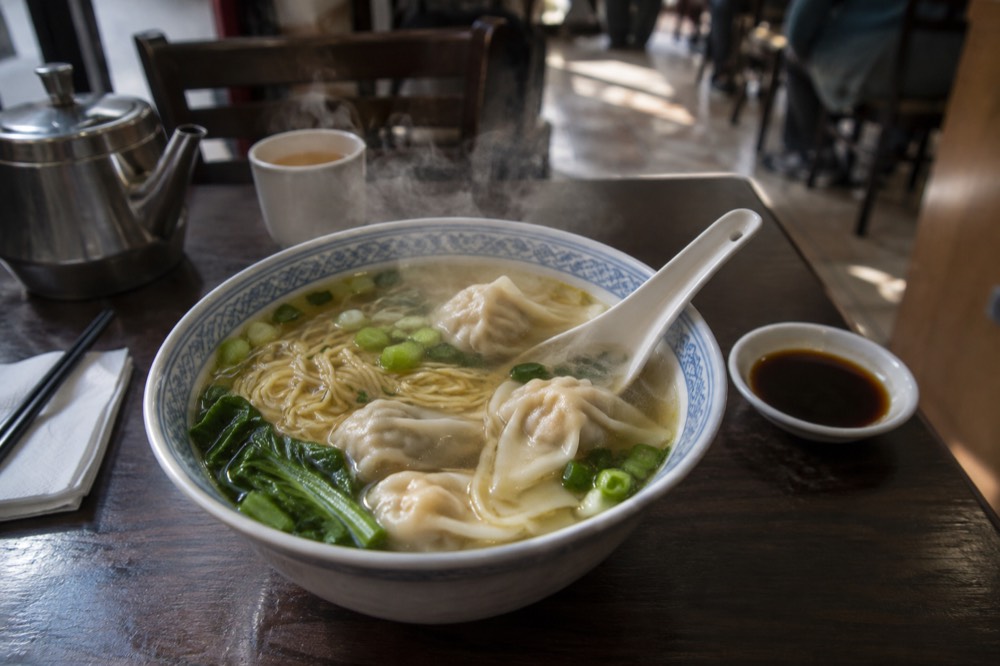
Choose a Chinatown route for a guided introduction to this neighborhood’s food. North End tours cover Italian food in a separate neighborhood, so compare the actual itinerary rather than the city name alone.
The selected Chinatown tour takes roughly 2.5–3 hours and has its own meeting instructions and dietary limits. A two-hour Hanover Street itinerary describes a North End walk, not this Chinatown product.
What Is There To Do Near Chinatown?
The Common, downtown Freedom Trail sites, Greenway and Theater District can be paired with Chinatown. The Central Library at Copley Square is farther west, so allow more than a blanket 15-minute walk. Public streets are free, while historic interiors have separate admission and hours.
| Historic interior | Admission check |
|---|---|
| Old State/Old South | $18 combined adult, $16 senior, $10 ages 6–17; under 6 free |
| Paul Revere House | Separate admission and hours |
| Old North Church | General admission versus additional crypt/bell options |
Faneuil Hall, Bunker Hill Monument and the Navy Yard have free public attractions when open. USS Constitution is operated by the US Navy, with security and identification conditions, rather than by NPS or the city. Its independent museum has a separate admission policy.
Further reading: the National Park Service's Boston hours and fees page.
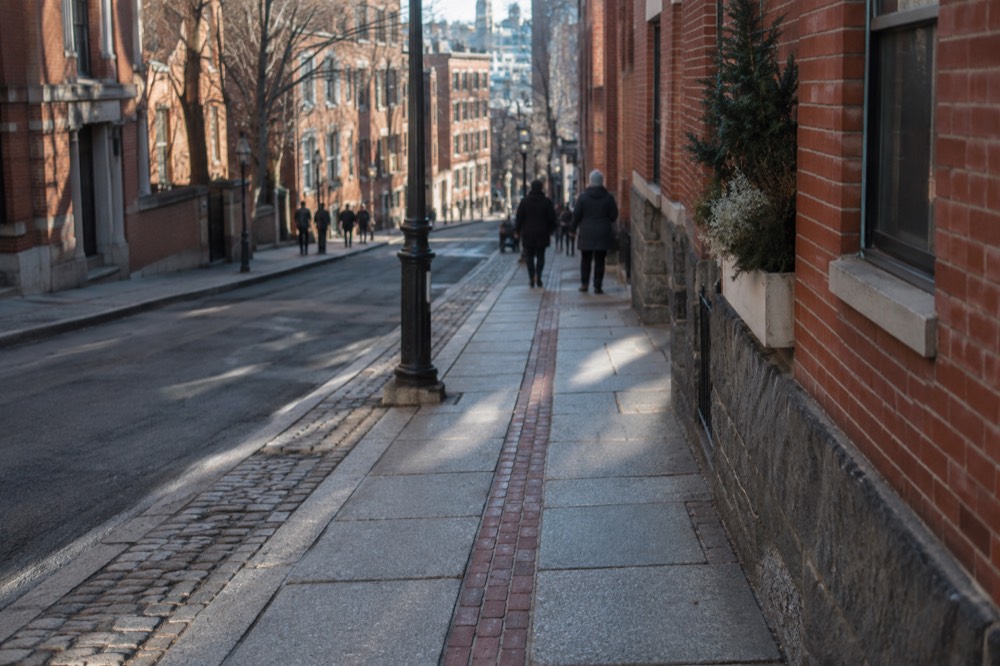
The Greenway links several downtown areas with park spaces, seasonal programming and street crossings. Walking north toward the waterfront and Long Wharf requires crossing roads; it is not an uninterrupted traffic-free corridor.
West and south, the South End and Beacon Hill make contrasting half-day walks, and the Seaport is a short ride on the Silver Line from South Station. Chinatown's position, boxed in by four distinct neighborhoods, is what makes it such an efficient base for a first visit.
Check the downtown Freedom Trail walk’s date if you want history before your Chinatown meal. The guided route is separate from Chinatown and excludes paid building interiors; independent walking remains free. Check Freedom Trail walk dates
How Much Do The Nearby Museums Cost?
The major museums near downtown cost $20 to $39.95 at the adult walk-up rate: the MFA is $30, the Museum of Science $33, the New England Aquarium $39.95, the ICA $20, and the Isabella Stewart Gardner $25, and Boston CityPASS offers a choice of four participating attractions rather than a fixed museum bundle. Recheck current admission prices for your dates. CityPASS currently offers four of seven participating attractions; compare only visits you will use and the direct discounts you qualify for.
| Venue | Adult | Youth or child | Free or discounted access |
|---|---|---|---|
| Museum of Fine Arts | $30 | $14 (7-17), free 0-6 | $5 Third Thursdays, pay-what-you-wish, anyone, after 5pm |
| Museum of Science | $33.00 | $28.00 (3-11), free under 3 | Blue Wing under renovation, museum open |
| New England Aquarium | $39.95 | $30.95, free 2 and under | $5 off for six New England states' residents |
| ICA Boston | $20 | Free, 18 and under | Free Thursday nights 5-9pm, all visitors |
| Isabella Stewart Gardner | $25 | Free, 17 and under | Free for anyone named Isabella |
The free-access column needs care, because Boston's museum discounts are mostly residency programs. The MFA's free Open House days require a valid Massachusetts zip code. The Aquarium's discount covers residents of six New England states. Card to Culture pricing requires a Massachusetts EBT, ConnectorCare, or WIC card. Widely accessible discounts include the MFA’s $5-minimum Third Thursdays after 5pm, the ICA's free Thursday nights, and the Gardner's under-18 and Isabella policies. Other programs may apply to out-of-state visitors, including military, reciprocal-membership and university benefits; check your eligibility.
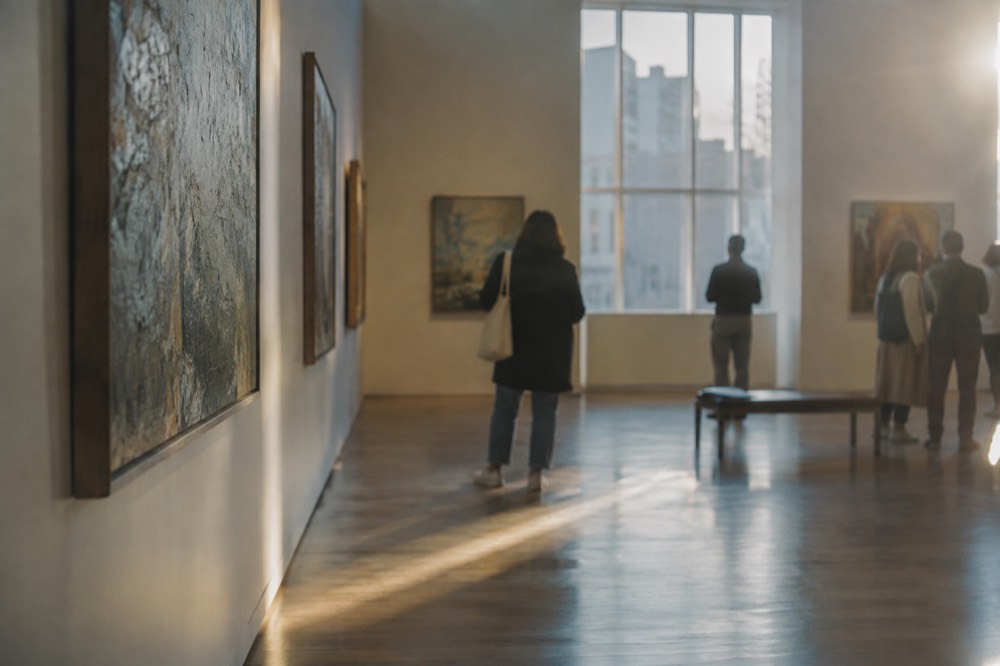
MFA reopened eight eighteenth-century galleries in June 2026 rather than the entire Art of the Americas wing. Museum of Science remains open during work, with Science Common expected in late 2026. Neither is a Chinatown attraction; allow a separate journey and check the actual galleries or shows you want.
Would four participating attractions fit the rest of your trip? Explore CityPASS’s actual choices and compare direct tickets and eligible discounts. The ICA and Gardner are not part of this pass. Compare Boston CityPASS options
When Is The Best Time To Visit Chinatown?
There is no rainy season to plan around in Boston: NOAA's 1991-2020 climate normals show every month of the year delivering between 3.21 and 4.30 inches of precipitation, a spread of barely one inch, so the timing question is really a temperature one, with July the warmest month at an 82.1 °F average high and January and February together carrying 58% of the year's 49.2 inches of snow. Those figures come from the NOAA station at Logan Airport, a maritime site that reads slightly cool for inland neighborhoods on a sea-breeze afternoon.
For Chinatown specifically, the practical answer is that the neighborhood is at its best in the evening, when the signs light up and the kitchens are at full tilt, and that winter visits are entirely workable because the dining core is dense enough that you are never more than a minute from a warm room. The Lunar New Year period brings the neighborhood's biggest public celebrations, with parades and performances centered on the Beach Street plaza, and those draw the year's largest crowds.
| Season | Average high | What it means for Chinatown |
|---|---|---|
| Spring (Mar-May) | 45.5 to 66.5 °F | Comfortable walking as temperatures rise; Lunar New Year usually falls in January or February |
| Summer (Jun-Aug) | 76.2 to 82.1 °F | Warm evenings, peak Greenway programming next door |
| Fall (Sep-Nov) | 73.1 to 51.6 °F | The driest stretch of the year relative to crowds, best walking weather |
| Winter (Dec-Feb) | 36.8 to 42.2 °F | 28.7 inches of snow falls in Jan and Feb alone, but the restaurants are warm and full |
What Tours Pair Well With A Chinatown Visit?
The tours that pair best with Chinatown are the food walks, including separate Italian tasting routes in the North End at 4.9 from 1,635 reviews on their listing, the Harvard campus walk at 4.7 from 3,864 reviews, and the amphibious duck-boat city tour at 4.6 from 10,003 reviews, all reachable from Chinatown by a short Orange or Red Line ride. The Harvard walk is the one that surprises visitors most favorably: Harvard Square is a direct Red Line trip from downtown, and the campus tour covers ground most people otherwise wander without context.
The duck-boat tour deserves its own note, because it is the single most-reviewed sightseeing product in the city and its boarding locations vary by chosen option; check the actual meeting point and journey from Chinatown. Its listing shows a 1 hour 20 minute runtime covering the city's streets and a splashdown into the Charles River.
Independent public-street walking is free. Tip-based guided walks are another model: check the actual route, booking conditions and expected contribution. “Free tour” does not mean the guide is unpaid or that every listing covers Chinatown.
If a fuller city plan is the next step, the site's one day in Boston itinerary slots Chinatown into a lunch stop naturally, and the downtown and financial district guide covers the blocks immediately north.
Should You Stay Near Chinatown?
Chinatown and its immediate surroundings are a strong value-oriented place to stay for visitors who prioritize subway access and food over waterfront views, because the Orange Line runs directly beneath the neighborhood and the Theater District hotels sit one block north, with the tradeoff being that the immediate blocks are noisy late into the evening and the room stock skews toward older buildings. The neighborhoods to compare it against are Back Bay for shopping and polish, the waterfront for harbor views, and Beacon Hill for charm at a higher price.
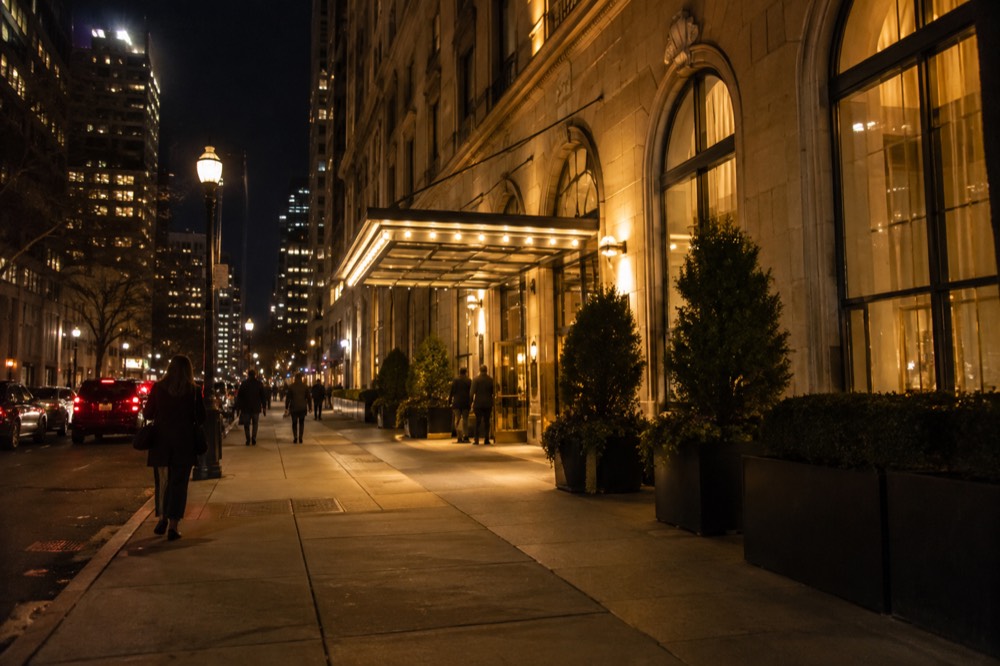
A Chinatown-area hotel can suit food and transit plans, but suitability depends on its address, room needs and full cost. The Orange Line connects North Station and Back Bay; South Station and the airport-bound SL1 require walking or a Red Line connection. Not every major attraction is two stops or a 20-minute walk away.
Want a base close to Chinatown’s restaurants? Explore the Boston hotel map and check the exact property address, room total and nearby station. This is citywide search; neighborhood prices and noise vary by property. Compare Boston stays
Common Questions About Boston's Chinatown
Is Boston's Chinatown worth visiting?
Yes. It is one of the most compact and food-dense neighborhoods in the city, sitting directly on the Orange Line, within a fifteen-minute walk of the Freedom Trail's downtown sites, the Greenway, and the Theater District. The dining scene spans Cantonese, Sichuan, Vietnamese, and Japanese kitchens, and several kitchens serve late.
How do I get to Chinatown Boston on the T?
Take the Orange Line to Chinatown station, which sits underneath the neighborhood between Downtown Crossing and Tufts Medical Center. A subway ride costs $2.40, and since 1 September 2026 you can transfer between subway, bus, and ferry as many times as you like inside a two-hour window while paying only the highest-priced leg. From Logan Airport, the Silver Line SL1 is free leaving the terminal curb and connects to the Red Line at South Station; change at Downtown Crossing for the Orange Line, or walk to Chinatown.
What is the best time to visit Chinatown in Boston?
Evenings, when the signs are lit and the kitchens are at full tilt. There is no rainy season to avoid in Boston: NOAA's climate normals show every month delivering between 3.21 and 4.30 inches of precipitation. The Lunar New Year period brings the neighborhood's largest parades and crowds.
What should I eat in Boston's Chinatown?
Dim sum in the late morning, hand-pulled noodles at lunch, bakery buns and egg tarts in the afternoon, and hot pot or pho in the evening. The neighborhood is compact enough that all of these fit inside a quarter-mile walk.
Is Boston's Chinatown walkable from downtown?
Yes. Downtown Crossing is close, with the Common and Theater District nearby. The North End and Copley Square are farther away; use the actual endpoints to plan walking time rather than applying one 15-minute estimate.
Are there free walking tours that include the area near Chinatown?
Check the actual itinerary of a tip-based walking tour before reserving; a general downtown title does not establish Chinatown coverage. Independent walks on public streets are free, while guided listings have their own contribution and booking conditions.
Plan Your Chinatown Food Visit
These options do not match your choice. Adjust the selection or reset to explore the starting recommendation.
Compare Your Chinatown And Downtown Totals
Reader-entered estimates in USD, not live quotes. Use the same dates and travelers for both options. Include all relevant tickets, rooms, taxes, mandatory fees and transport for the entire trip once in each total. Do not add a transfer twice if your rate already includes it.
Boston Chinatown Food And Culture Walk
A Chinatown walk with Chinese and Chinese-American tastings. Allow roughly 2.5–3 hours; confirm the booked duration. The operator cannot accommodate food allergies or dietary restrictions except no alcohol. Recommended ages 12+; no infants, toddlers or strollers. Most of the outing is on foot or outdoors.
A starting option to explore. Choose dates, travelers and the exact booking option with the provider; availability and eligibility are confirmed there.
Check Chinatown food walk dates and conditions