Boston's Seaport District: What To See, Do, And Eat
The Seaport District is the youngest neighborhood in Boston, a stretch of former shipping land on the South Boston waterfront that has filled with glass towers, contemporary art, and harbor views over the past decade and a half. The MBTA fare table lists Silver Line routes SL1, SL2 and SL3 as valid at subway fare, which means the district sits on the same fare structure as the rest of the subway system, and Massport's own airport page states that the SL1 runs free between all Logan terminals and South Station from the terminal curb. The Institute of Contemporary Art anchors the district's cultural side, and the museum's own hours page publishes free Thursday-night admission for all visitors from 5 to 9pm. NOAA's tide station for Boston Harbor records a mean tidal range of about 9.49 feet, a genuinely large swing for a major American city, and it reshapes the seawalls and landings along the Seaport's Harborwalk twice a day.
Short answer
The Seaport District occupies the South Boston waterfront between Fort Point Channel and the main harbor, directly across the water from downtown Boston, and it is known for contemporary architecture, the Institute of Contemporary Art, a growing restaurant row, and the Harborwalk that traces its edge.
Boston's Seaport District
The Seaport District is the youngest neighborhood in Boston, a stretch of former shipping land on the South Boston waterfront that has filled with glass towers, contemporary art, and harbor views over the past decade and a half. The MBTA fare table lists Silver Line routes SL1, SL2 and SL3 as valid at subway fare, which means the district sits on the same fare structure as the rest of the subway system, and Massport's own airport page states that the SL1 runs free between all Logan terminals and South Station from the terminal curb. The Institute of Contemporary Art anchors the district's cultural side, and the museum's own hours page publishes free Thursday-night admission for all visitors from 5 to 9pm. NOAA's tide station for Boston Harbor records a mean tidal range of about 9.49 feet, a genuinely large swing for a major American city, and it reshapes the seawalls and landings along the Seaport's Harborwalk twice a day.
Want to connect the Seaport’s fish pier with its food? Explore the seafood walk, with harbor cruises, aquarium admission and a hotel-map comparison below. The seafood walk cannot accommodate shellfish allergies, vegetarian or vegan diets. Check Seaport seafood walk dates
Where Is The Seaport District And What Is It Known For?
The Seaport District occupies the South Boston waterfront between Fort Point Channel and the main harbor, directly across the water from downtown Boston, and it is known for contemporary architecture, the Institute of Contemporary Art, a growing restaurant row, and the Harborwalk that traces its edge. Twenty years ago much of this land was surface parking lots and warehouses. Today it is the densest concentration of new construction in the city, and it reads that way: wide sidewalks, flatiron towers, public art installations, and views across the channel toward the Financial District that older neighborhoods simply do not have. The district is compact, roughly a mile from end to end, and almost everything in it is walkable from any Silver Line stop.
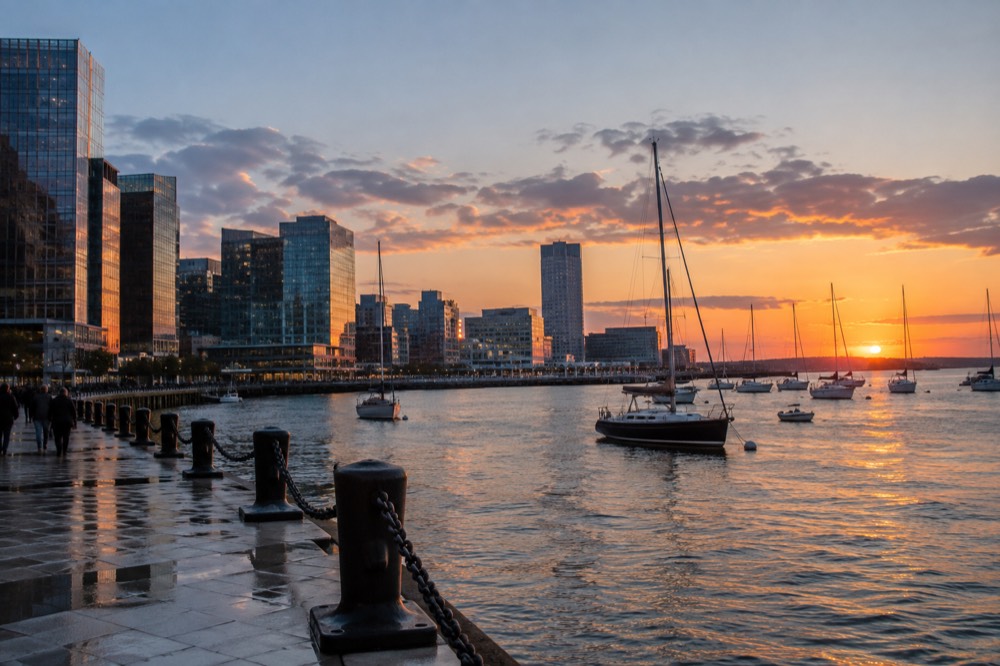
The neighborhood's identity is still forming, and honest guides should say so. Boston's older quarters, places like Beacon Hill and the North End, carry three centuries of accumulated character; the Seaport carries a decade of it. What it offers in exchange is space, light, and direct contact with the harbor. The Harborwalk runs along the water's edge, and because the harbor's tides swing through a range the NOAA station at 8443970 measures at roughly 9.49 feet on average, the seawall landscape genuinely changes between morning and afternoon. A visitor who photographs the same stretch at low tide and high tide gets two different harbors.
The district connects with downtown across Fort Point Channel. Long Wharf and the Waterfront lie farther along the downtown shoreline; the South End is inland beyond South Station. Walking times vary considerably between Fort Point, Fan Pier and the eastern Seaport, so route the actual addresses.
What Are The Best Things To Do In The Seaport District?
The best things to do in the Seaport District are the Institute of Contemporary Art, the Harborwalk, Fan Pier and its harbor-facing lawns, the public art scattered through the district, and a departure on the water, a narrated harbor cruise from downtown Long Wharf; Duck Tours instead enter the Charles River from their city route. The ICA is the cultural anchor, and its admission structure is unusually generous: the museum's own hours page lists adult admission at $20, free entry for everyone 18 and under and for Boston Public Schools students, and free Thursday nights from 5 to 9pm for all visitors, with advance tickets required. That Thursday-night window is one of the few genuinely tourist-accessible free museum slots in Boston, and it belongs on any Seaport itinerary.
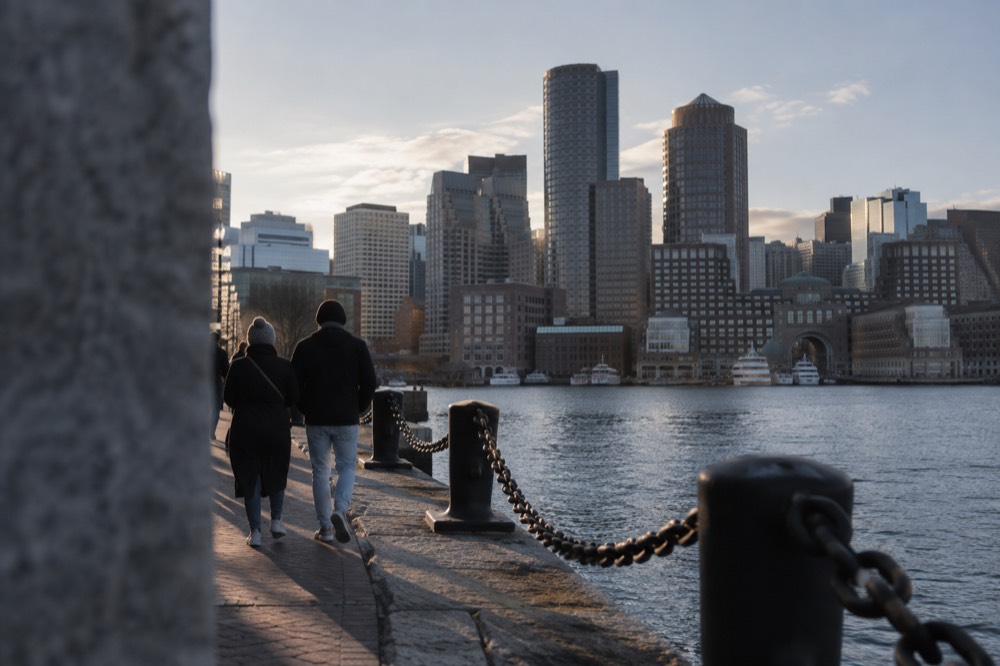
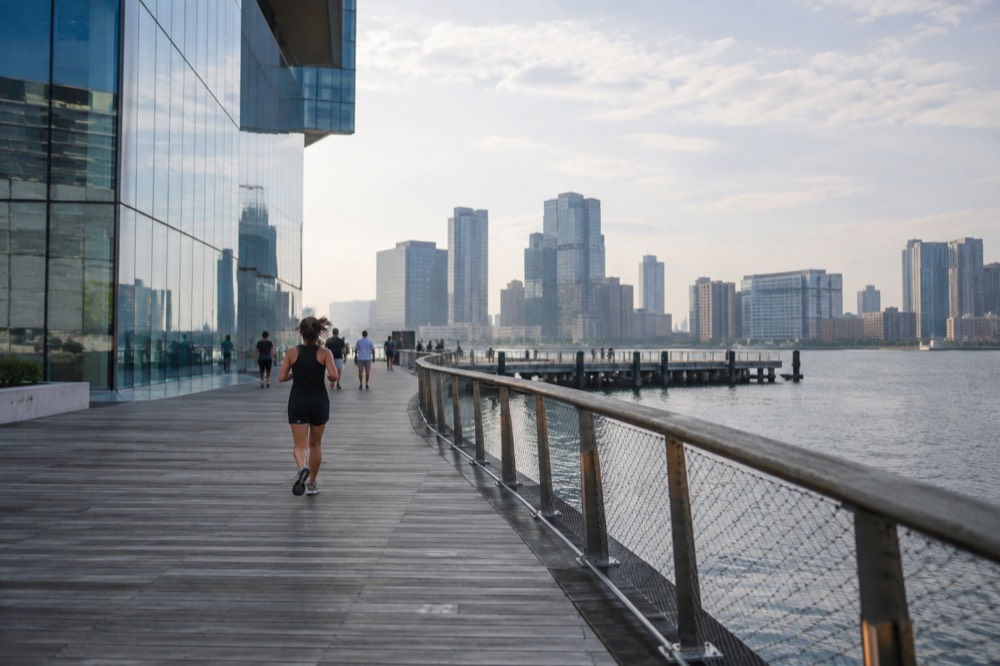
The Harborwalk is the free spine of the district. It runs along the water's edge past Fan Pier, around the ICA, and toward the South Boston shoreline, and it doubles as the best vantage point for the downtown skyline across the channel. Because the tide range here is so large, the walk itself changes character: at low tide the seawall stands well above the mudflats, and at high tide the water sits close under the railing. The NOAA tide predictions for station 8443970 are public, and checking them before a photography walk is worth the minute it takes.
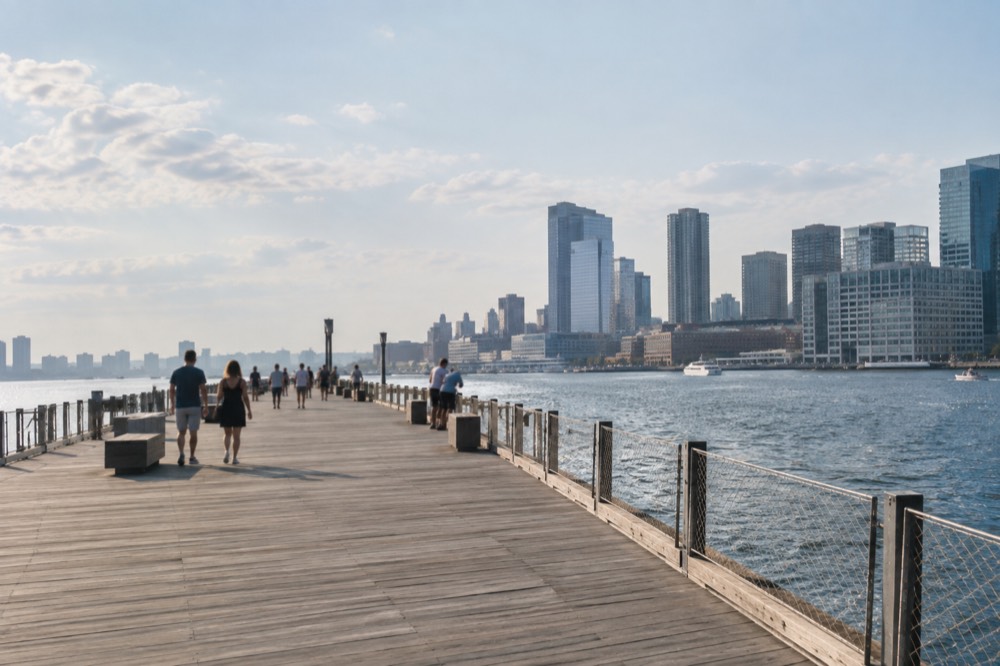
Seeing the district from the water is the third essential. The Boston: City Cruises Historical Sightseeing Cruise runs one hour, is rated 4.6 on its listing from 1,934 reviews, and departs from the downtown side of the harbor, so it pairs naturally with a Seaport morning: walk the Harborwalk, cross to Long Wharf, take the cruise, and the skyline you photographed on foot becomes the thing you are sailing past. The Boston Duck Boat Sightseeing City Tour with Cruise, from $62 per person and rated 4.6 from 10,003 reviews on its listing, does the opposite: it tours the streets and then splashes into the Charles River for its water segment, and the amphibious vehicle is the attraction as much as the route.
Public plazas, Fan Pier lawns and waterfront art can make a free afternoon. The ICA has separate admission and event rules: the public outdoor route does not make every exhibition or outdoor program free. Check the event type and tickets when planning around museum programming.
Want to explore the ICA’s contemporary art on your Seaport day? Compare general admission for your date. Visitors 18 and under enter free, and Thursday evenings are free with reserved tickets; special events have separate terms. Check ICA general admission dates
How Do You Get To The Seaport District?
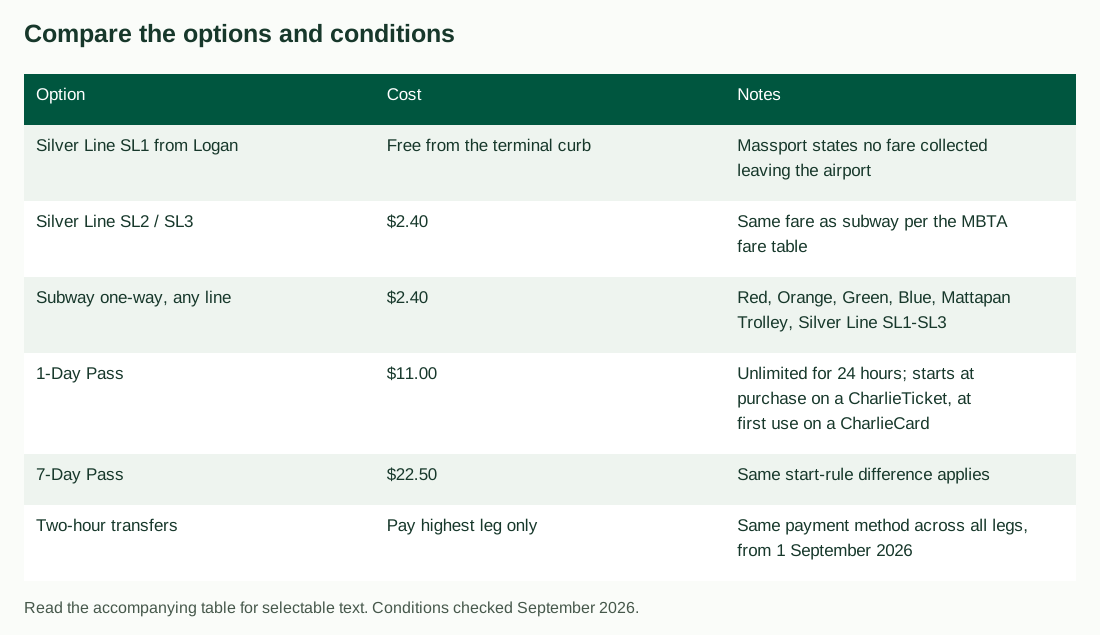
The Seaport District is served by MBTA Silver Line routes SL1, SL2 and SL3, which the MBTA fare table lists at the standard $2.40 subway fare, plus the Red Line at South Station one channel-crossing away on foot, and arriving from Logan Airport on the SL1 costs nothing because Massport states the service is free from the terminal curb. That last point deserves emphasis because it is specific and widely missed: the free leg is the one leaving the airport. You board SL1 at the terminal curb, no fare is collected, and the route runs through the Seaport's Transitway stops on its way to South Station, which puts the district on a zero-fare path from baggage claim.
The fare rules also changed on 1 September 2026, and older guides will not reflect it. The MBTA's fall fare pilots established an unlimited two-hour transfer window: riders making transfers between subway, bus and ferry within two hours pay only the cost of the highest-priced leg, using the same payment method throughout. For a Seaport day trip that means a subway ride plus a Silver Line ride plus a bus ride inside two hours costs one fare, not three. Contactless Tap to Ride with a card, phone or watch is live on bus, subway and ferry, which makes this easier than it sounds.
| Option | Cost | Notes |
|---|---|---|
| Silver Line SL1 from Logan | Free from the terminal curb | Massport states no fare collected leaving the airport |
| Silver Line SL2 / SL3 | $2.40 | Same fare as subway per the MBTA fare table |
| Subway one-way, any line | $2.40 | Red, Orange, Green, Blue, Mattapan Trolley, Silver Line SL1-SL3 |
| 1-Day Pass | $11.00 | Unlimited for 24 hours; starts at purchase on a CharlieTicket, at first use on a CharlieCard |
| 7-Day Pass | $22.50 | Same start-rule difference applies |
| Two-hour transfers | Pay highest leg only | Same payment method across all legs, from 1 September 2026 |
One caution for Red Line riders: the MBTA has been running rolling weekend diversions through autumn 2026, including a full central Green Line suspension on the weekend of 19 to 20 September, and free shuttle buses replace trains on affected segments. The MBTA's own service pages publish the current schedule of closures, and checking them the night before a Seaport day saves a surprise. Symphony station on the Green Line E branch has been closed since June with closure scheduled through spring 2029, though that matters more for Back Bay visitors than for Seaport-bound ones.
Walking in is also realistic. From South Station the walk across the channel into the district takes about ten minutes, and from the Theater District it is closer to twenty-five. The Fort Point Channel crossing is the pleasant kind, with harbor views most of the way.
The Long Wharf cruise is a separate option to check ahead, because its departures line up with the downtown wharves rather than the Seaport side of the channel, and its one-hour runtime slots cleanly between a morning museum visit and an evening on the terraces. Its listing shows 4.6 from 1,934 reviews, from $46 per person, and the operator's live listing carries the current departure times.
Where Should You Eat And Drink In The Seaport District?
The Seaport District's restaurant row concentrates on the blocks around Fan Pier and the main east-west avenues, and it skews toward seafood, upscale casual, and rooftop or terrace dining with harbor views; the neighborhood has no single canonical institution the way the North End has its red-sauce institutions, so the honest advice is to treat it as a place with depth rather than a list of three famous names. What the district does have is seafood with a supply chain next door: the historic fish pier on the South Boston waterfront still lands catch, and the Boston Seafood Tour: Behind the Scenes at the Historic Fish Pier, from $81 per person and rated 4.9 from 557 reviews on its listing, builds a two-and-a-half-hour walk around exactly that connection. For a visitor deciding between eating seafood in the Seaport and eating it elsewhere, the district's advantage is that the water the fish came out of is visible from the table.
Compare current menus, reservation conditions and the complete meal bill, including drinks, tax and any service charge. Lunch can offer different prices from dinner, but neither Seaport nor another neighborhood guarantees a cheaper equivalent meal. Check whether a charge is a gratuity before adding a tip.
Further reading: Chinatown.
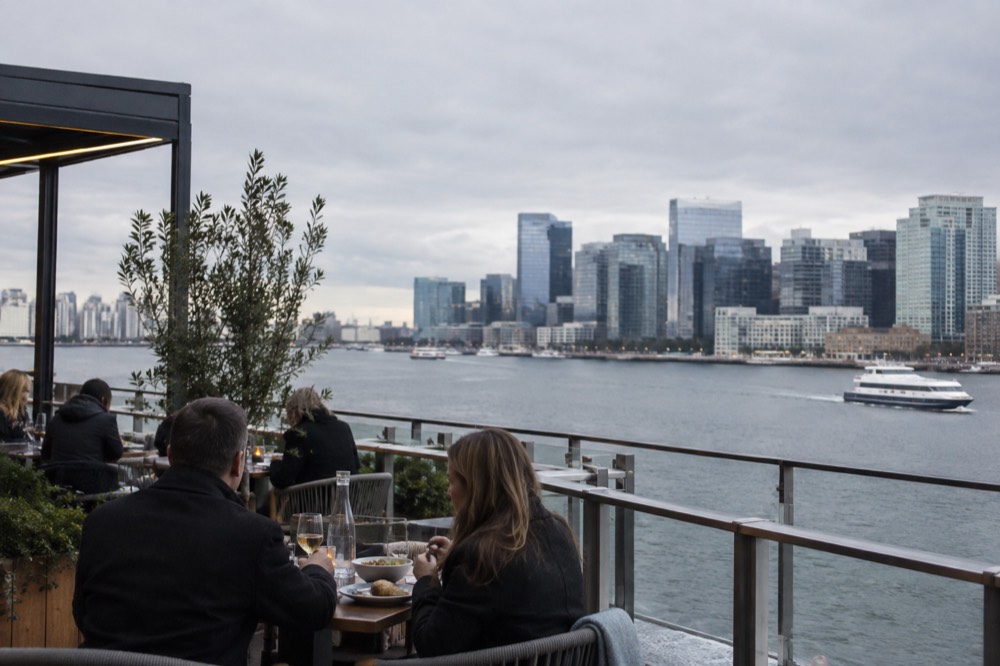
For visitors who want the food-tour treatment rather than self-direction, the roster of bookable options is broader than the Seaport itself. The Boston's North End Food Tour: Italian Flavors and Heritage Walk, from $70 and rated 4.9 from 1,635 reviews, is a short Silver Line and walk away across the channel, and the Boston: North End Pizza Walking Tour with 3 Slices and Cannoli, from $89 and rated 4.8 from 172 reviews, covers the canonical pastry question at the same time. The Freedom Trail History Pub Crawl Small-Group Tour, from $60 and rated 4.9 from 1,053 reviews, splits the difference between history and drinking, and its route begins in the older downtown rather than the Seaport, which suits an evening that starts modern and ends colonial.
| Food experience | Approximate time | Key booking condition |
|---|---|---|
| Seaport seafood walk | 2.5 hours | About two miles; cannot accommodate shellfish allergies, vegetarian or vegan diets |
| North End Italian walk | 2 hours | Dietary requests require advance notice |
| Pizza and cannoli walk | 2.5 hours | Stairs and dietary restrictions; three slices plus cannoli |
| Downtown pub crawl | 2 hours 15 minutes | Ages 21+ with ID; food and drinks extra |
| Guided brewery tour | 3.5 hours | Ages 21+ with ID; samples and snack, no promised specific brewery |
Is The Seaport District Good For Families?
The Seaport can suit families for the Harborwalk, Fan Pier and nearby Boston Children’s Museum on the Fort Point side of the waterfront. Keep children close beside water, railings, roads and working piers. The ICA and Children’s Museum offer indoor options with their own hours and admission rules.
On the Fort Point waterfront, the Boston Children's Museum is one of the oldest institutions of its kind in the country, and the Waterfront and Long Wharf area beyond it adds the New England Aquarium, whose adult admission the CityPASS page lists at $39.95. A family loop that pairs a Seaport morning with an aquarium afternoon is entirely walkable with a ferry or cruise interlude, and Boston CityPASS lets you choose four of seven participating attractions over nine consecutive days. Compare the current pass total with the eligible direct tickets you actually need, including discounts; no fixed set or automatic saving applies.
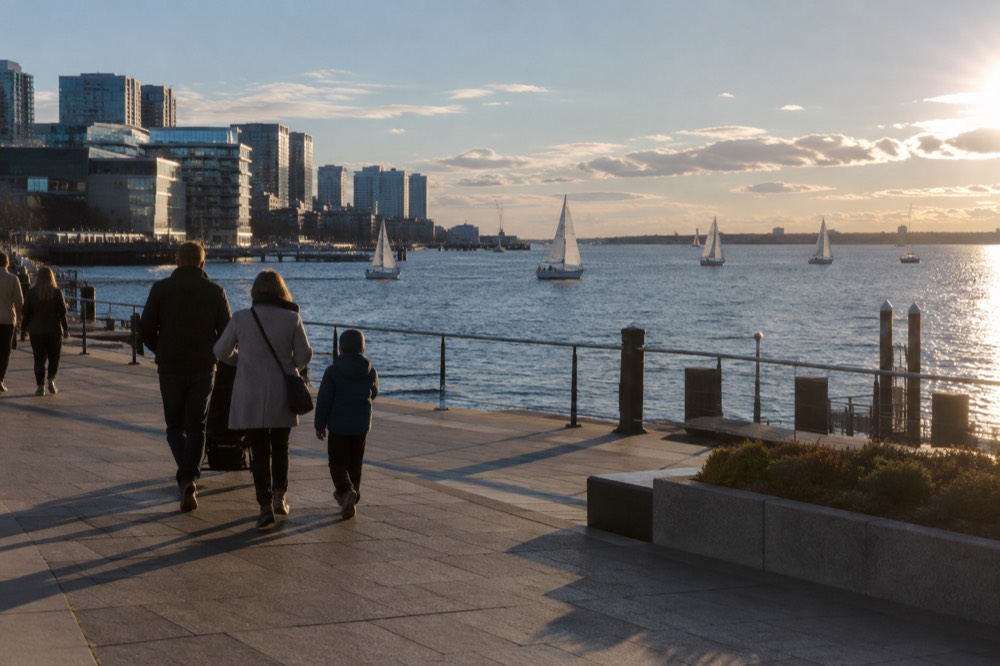
Choose a water outing by its restrictions and departure point. The narrated harbor cruise leaves Long Wharf. Codzilla requires riders to be at least four years old and 42 inches tall and involves speed, spray and health restrictions. Liberty Star/Fame sailing boards at Fan Pier in the Seaport, not Long Wharf; it is not wheelchair accessible. Allow the operator’s check-in time.
Would an aquarium visit give your family an indoor stop after the waterfront? Explore timed admission across the channel. Whale watches and theater films are separate purchases; check ages and date-specific entry conditions. Check Aquarium admission options
Where Should You Stay In The Seaport District?
Seaport hotels suit travelers who want a waterfront base near the ICA, restaurants or convention venues. Compare each property’s location, room total and specific accessibility features. A newer building does not establish better soundproofing or a universally accessible room, and rates vary by date.
The free SL1 from Logan serves Seaport stops, with a final walk depending on the hotel. Back Bay and Charlestown have different transport connections. The Freedom Trail’s 16 sites span downtown, the North End and Charlestown; reaching the first stop does not mean all sites are a fifteen-minute walk from a Seaport hotel.
To trace the Tea Party story on the Freedom Trail, book a Tea Party Ships admission ticket here.
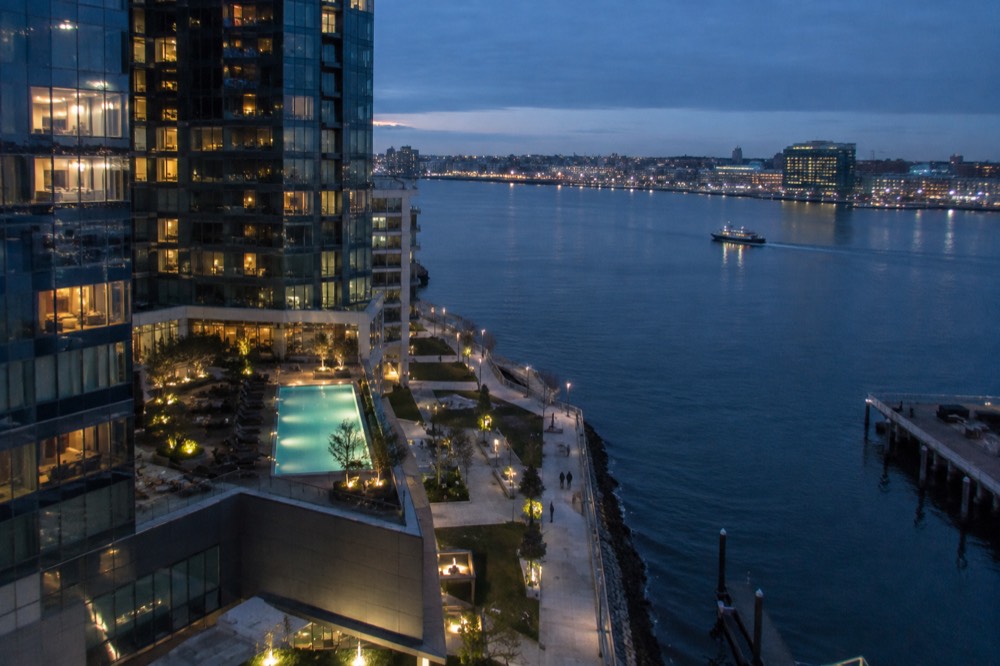
Visitors weighing the Seaport against other quarters should read the site's full where to stay in Boston breakdown, and anyone hunting a specific kind of room can compare current options through available Seaport and central Boston stays. The short version: the Seaport wins on newness and water access, loses on charm and on proximity to the colonial core, and breaks even on price because everything in central Boston is expensive.
Compare hotel addresses and your full room total before settling on a Seaport base. Use the Boston map to locate the property relative to your Silver Line stop and plans; this citywide search is not prefiltered to Seaport rooms. Compare Boston stays
How Does The Seaport Compare To Other Boston Neighborhoods?
The Seaport District compares to the rest of Boston as the modern counterweight: it has the newest buildings, the most direct harbor access, and the best airport connection, while neighborhoods like Beacon Hill, the North End, and Back Bay hold the history, the character, and most of the canonical sights, which is why the district works best as part of a loop rather than a base for everything. A first-time visitor who spends an entire trip inside the Seaport has seen the newest tenth of Boston and missed the older nine-tenths. A visitor who never crosses the channel into it has missed the skyline view and the one museum neighborhood with genuine breathing room.
| Neighborhood | Main reasons to visit | Route consideration |
|---|---|---|
| Seaport | ICA, contemporary architecture, waterfront | Distances vary from Fort Point to the eastern piers |
| Waterfront and Long Wharf | Aquarium and harbor departures | Across the channel and along downtown’s shore |
| North End | History and Italian food | Beyond downtown waterfront |
| Downtown | Historic sites and transit | Choose the particular bridge and destination |
| South Boston | Residential streets, beaches, Castle Island | Castle Island is substantially farther than nearby residential blocks |
| Back Bay | Architecture and shopping | Map the full walk or transit connection |
The comparison also matters for tour planning, because most guided walks start in the older city. The Boston: Freedom Trail History Small Group Walking Tour, from $39 per person and rated 4.9 from 7,835 reviews on its listing, covers the revolutionary core in two and a half hours, and none of that core is in the Seaport. A Seaport-based visitor can take the Silver Line or walk across the channel to join it, then return to the harbor frontage for the evening. The two halves of the city genuinely complement each other: the trail gives you the Revolution, and the Seaport gives you the harbor as it is now.
For the fuller picture of how the pieces fit, the site's things to do in Boston page assembles the whole city, and the Freedom Trail guide covers the sixteen-site route in detail, including the fact that only four of the sixteen sites charge admission, with USS Constitution and Bunker Hill among the free twelve per the National Park Service's own hours-and-fees page.
Curious how the older city contrasts with the Seaport? Explore the guided downtown-to-North-End Freedom Trail walk. It meets outside the Seaport and ends before Charlestown; historic-site interiors are separate. Check Freedom Trail walk dates
What Is The Best Time To Visit The Seaport District?
The best time to visit the Seaport District is late spring through early fall, when the Harborwalk, the pier decks, and the terrace dining are all in use and the harbor activity is at its peak; the neighborhood is at its worst in raw late-winter weather, when the exposed waterfront catches the wind harder than any inland neighborhood, and Thursday evenings are the single best weekly slot because the ICA is free for everyone from 5 to 9pm. The NOAA climate normals for Boston, measured at the Logan Airport station on the harbor peninsula, put July as the warmest month at an 82.1 °F average high, with June through September all comfortable, and the station's maritime position means the Seaport's air runs slightly cooler than inland neighborhoods on sea-breeze afternoons.
Similar monthly precipitation totals do not imply equal daily rain chances or make forecasts unimportant. Winter wind, snow and ice can affect the waterfront, and individual Harborwalk segments may close. NOAA’s Logan normals record 49.2 inches of annual snowfall; use current conditions for a particular outing.
| Season | Avg high (°F) | What it means for the Seaport |
|---|---|---|
| Spring (Mar-May) | 45.5 to 66.5 | Harborwalk warms up, terraces open, crowds thin |
| Summer (Jun-Aug) | 76.2 to 82.1 | Peak season: cruises, terraces, free ICA Thursdays |
| Fall (Sep-Nov) | 73.1 to 51.6 | Best balance of weather and light, ferry season ends 12 October |
| Winter (Dec-Feb) | 36.8 to 42.2 | Exposed and windy, indoor options limited to the ICA and shops |
Two seasonal closures shape an autumn or winter plan. The Boston Harbor Islands ferry's 2026 season ends on Monday 12 October, per the Harbor Islands' own ferry schedule page, with fall service varying by island and date, so a Seaport visitor hoping to extend a harbor day out to Georges or Spectacle Island needs to be inside that window. And the Swan Boats in the Public Garden, on the far side of the city, are closed until April 2027 per their own site, which matters only because older lists still pair a Seaport day with a Swan Boat ride that cannot currently happen.
Common Questions About The Seaport District
Is the Seaport District worth visiting?
Yes, for the harbor frontage, the ICA, and the skyline views, provided you treat it as one part of Boston rather than the whole trip. The district is the city's newest quarter and its attractions are contemporary: the museum, the Harborwalk, the pier decks, and the dining. Visitors who want colonial Boston should budget most of their time across the channel and come to the Seaport for the water and the evening.
How do I get from Logan Airport to the Seaport District?
Board the Silver Line SL1 at the terminal curb. Massport states the service is free between all terminals and South Station from the curb, and the route passes through the Seaport's stops on the way, so the trip costs nothing. Going back to the airport you pay the ordinary $2.40 subway fare.
Is the ICA free?
For everyone on Thursday nights from 5 to 9pm, with advance tickets required, per the museum's own hours page. Entry is also free for all visitors 18 and under and for Boston Public Schools students year-round. Regular adult admission is $20. Note that many other "free museum" headlines in Boston are Massachusetts residency benefits, not tourist perks, but the ICA's Thursday night is open to anyone.
Is the Seaport District walkable?
Many waterfront and Fort Point stops connect on foot, but the district extends beyond a single mile-long sightseeing loop. Map the exact starting point, destination and open Harborwalk segment; a time measured from South Station does not apply to every Seaport address.
Where should I eat in the Seaport District?
Compare seafood, casual dining and terrace menus around the waterfront by price, dietary fit and opening hours. A Fish Pier seafood walk is another option with substantial shellfish restrictions. North End Italian food outings are in a separate neighborhood.
What is the best time of day for the Seaport District?
Afternoon into evening. The light on the harbor improves as the day goes on, the tide changes the seawall landscape twice daily, and on Thursdays the ICA's free 5-to-9pm window turns a late visit into the district's best-value plan.
Choose Your Seaport Food, Harbor Or Hotel Plan
These options do not match your choice. Adjust the selection or reset to explore the starting recommendation.
Compare Your Seaport Visit Totals
Reader-entered estimates in USD, not live quotes. Use the same dates and travelers for both options. Include all relevant tickets, rooms, taxes, mandatory fees and transport for the entire trip once in each total. Do not add a transfer twice if your rate already includes it.
Seaport Seafood And Fish Pier Walk
A roughly 2.5-hour Seaport seafood walk with around two miles on foot and tastings amounting to a meal. Shellfish is central: not suitable for shellfish allergies, vegetarians or vegans. Other dietary needs require advance notice. Drinks and extra food are separate.
A starting option to explore. Choose dates, travelers and the exact booking option with the provider; availability and eligibility are confirmed there.
Check Seaport seafood walk dates