Allston And Brighton
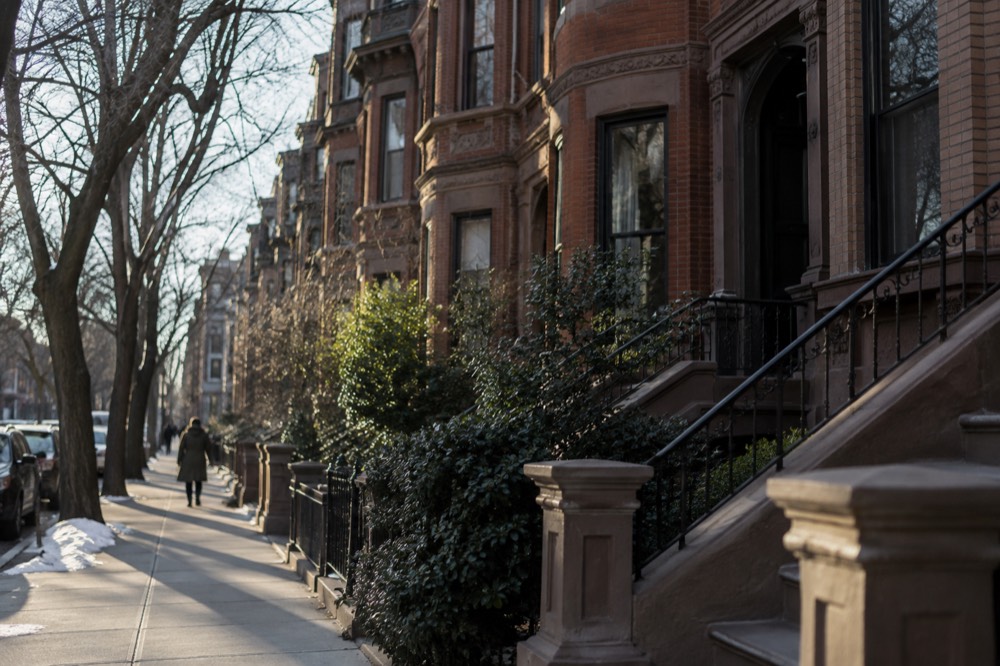
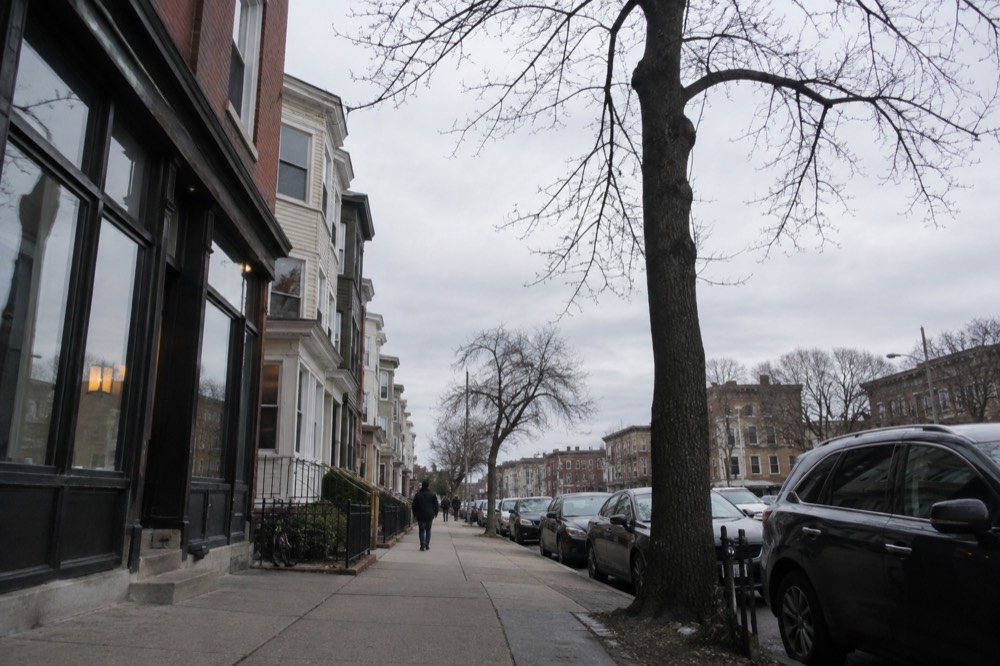
Allston and Brighton occupy the long western arm of Boston, the stretch that runs out Commonwealth Avenue past Fenway and Kenmore until the city gives way to Brookline, Watertown, and Newton. Allston is the louder of the two. It is where Boston's student population concentrates around Harvard Avenue, where the cheap-eats density per block is among the highest anywhere in the city, and where the music-venue tradition runs deep. Brighton is the quieter sibling, a neighborhood of triple-deckers, a genuine village-style center, and the Chestnut Hill Reservoir toward its southern edge.
Short answer
Allston and Brighton are two adjacent residential neighborhoods forming Boston's westernmost planning district, separated loosely by the Massachusetts Turnpike and Linden Street. Allston centers on Harvard Avenue and the Commonwealth Avenue strip between Packard's Corner and Warren Street. Brighton centers on Brighton Center, at Washington Street and Market Street, plus the Cleveland Circle and Oak Square areas. Together they hold a large residential population, a big share of it students.
Allston And Brighton
Allston and Brighton occupy the long western arm of Boston, the stretch that runs out Commonwealth Avenue past Fenway and Kenmore until the city gives way to Brookline, Watertown, and Newton. Allston is the louder of the two. It is where Boston's student population concentrates around Harvard Avenue, where the cheap-eats density per block is among the highest anywhere in the city, and where the music-venue tradition runs deep. Brighton is the quieter sibling, a neighborhood of triple-deckers, a genuine village-style center, and the Chestnut Hill Reservoir toward its southern edge.
Adding a guided stop to your neighborhood day? Explore the student-led Harvard walk in Cambridge or a Fenway Park tour. Neither takes place in Allston-Brighton; allow a separate journey to the meeting point. Check Harvard walk dates
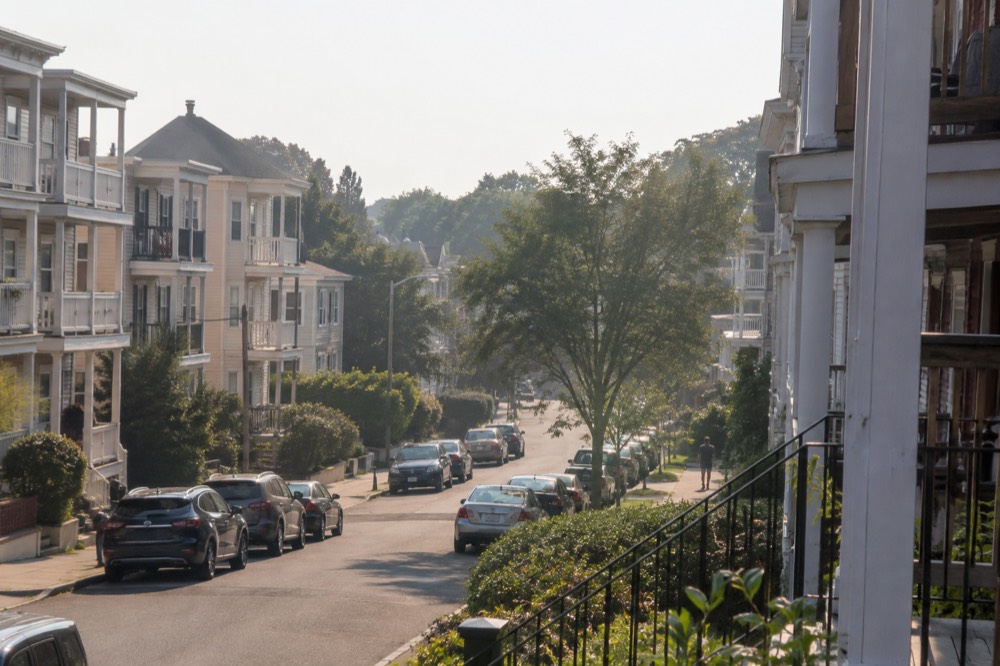
The two are officially one planning area, Allston-Brighton, but locals treat them as distinct places with distinct characters, and this guide does too. What they share is the Green Line's B branch running the length of Commonwealth Avenue, a position within easy reach of both Boston College and Boston University, and housing stock that is more affordable than almost anything closer to downtown. Visitors mostly come here for one of three reasons: live music, genuinely cheap and good food, or a look at the Boston that exists beyond the Freedom Trail postcard.
This site, Boston Travel Guide, covers the neighborhoods visitors actually ask about, and Allston-Brighton earns its place on that list. It is not a sightseeing district. It is a living one, and that is exactly the point.
What Are Allston And Brighton, Exactly?
Allston and Brighton are two adjacent residential neighborhoods forming Boston's westernmost planning district, separated loosely by the Massachusetts Turnpike and Linden Street. Allston centers on Harvard Avenue and the Commonwealth Avenue strip between Packard's Corner and Warren Street. Brighton centers on Brighton Center, at Washington Street and Market Street, plus the Cleveland Circle and Oak Square areas. Together they hold a large residential population, a big share of it students.
Allston was farmland well into the 19th century, and the street grid still shows it: long blocks, wide avenues, and a commercial spine that follows the old streetcar routes. The neighborhood took its name from the painter Washington Allston, one of the few Boston areas named for an artist. Brighton was a separate town, once called Little Cambridge, and it was annexed by Boston in the 1870s, which is why it retains a genuine village center rather than a strip.
The student presence defines the daily rhythm. Boston University's campus presses against Allston's eastern edge, and Boston College sits just beyond Brighton's western boundary in Chestnut Hill. When the academic year runs, the sidewalks, the buses, and the restaurants are full. In summer, the neighborhood exhales, and a lot of the commercial strip runs quieter.
It is worth being honest about what this area is not. Nobody comes to Allston-Brighton for colonial history, harbor views, or polished attractions. The Freedom Trail does not pass through, and neither does the waterfront. If you are building a first-visit itinerary around the classics, start with things to do in Boston and come back to the west end when you want the city as it is actually lived in.
Where Is Allston-Brighton, And How Do You Get There?
Allston-Brighton lies west of central Boston. The Green Line B branch follows Commonwealth Avenue; route 66 links Harvard Square, Allston, Brookline and Nubian in Roxbury, and route 57 links Watertown Yard, Brighton, Allston and Kenmore. Choose the actual stop for your destination, rather than assuming the B branch serves every part of both neighborhoods.
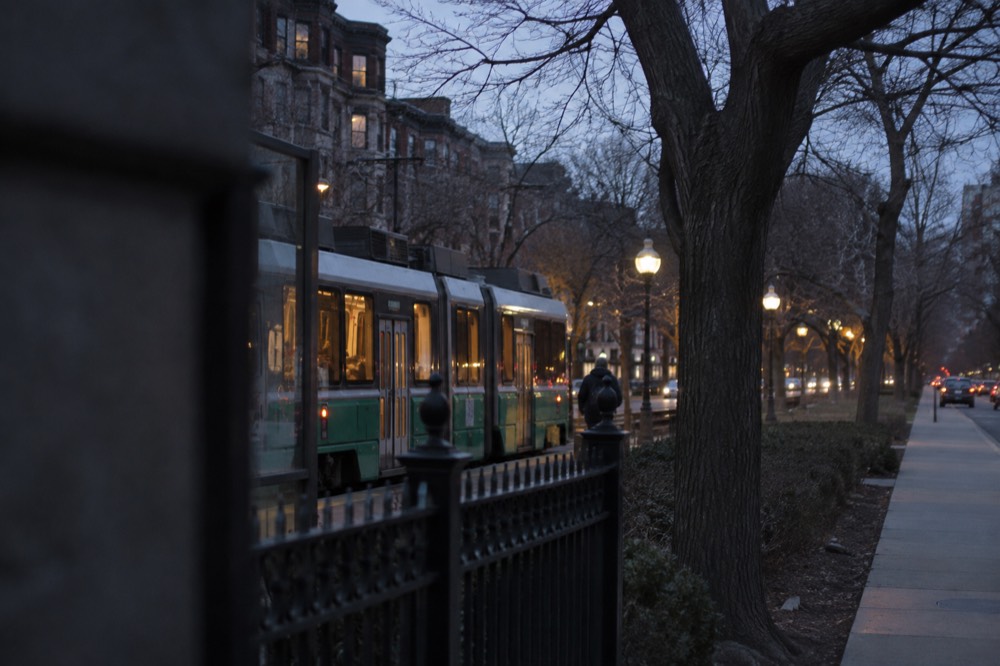
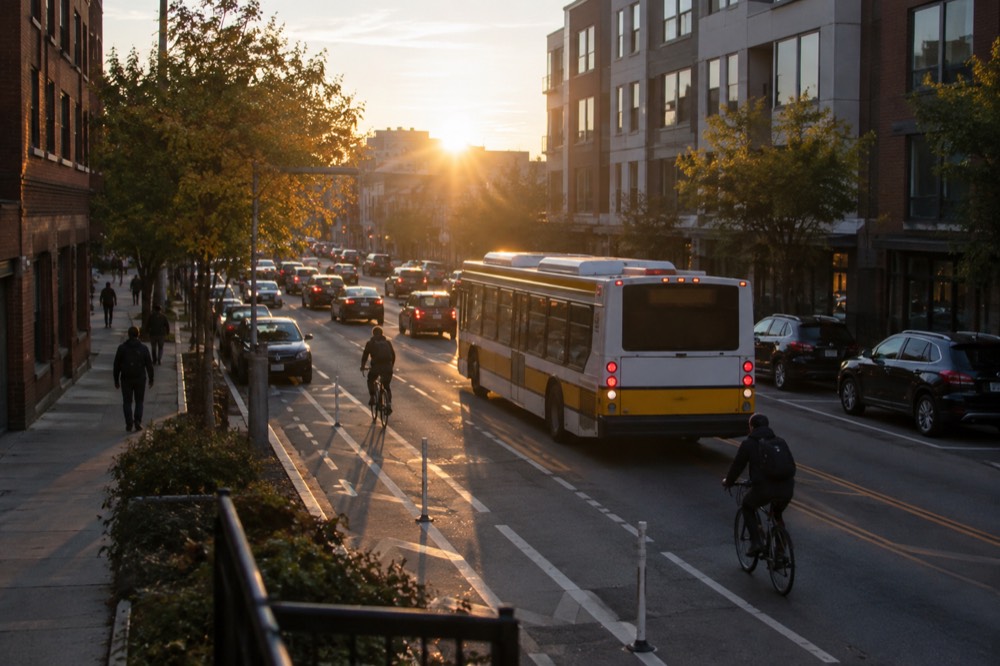
The B branch is the practical spine of the neighborhood. It runs down the median of Commonwealth Avenue, which means the tracks sit between the two directions of car traffic, and the stops come fast. From Harvard Avenue to Kenmore Square takes about 15 minutes; continuing to Park Street downtown adds roughly another 10 to 15 depending on the time of day. Trains run frequently, and the stops are close enough together that you rarely wait for the next one.
| Getting there | Route | Useful destinations |
|---|---|---|
| Green Line B | Commonwealth Avenue | Packard’s Corner, Harvard Avenue, Boston College |
| Bus 66 | Harvard Square–Nubian | Allston, Brookline and Roxbury |
| Bus 57 | Watertown Yard–Kenmore | Brighton Center, Allston and Kenmore |
| Bike | Charles River paths | Check a safe connection from the destination street |
One thing changed recently that affects how you pay. Since 1 September 2026, the MBTA has run a fare pilot allowing unlimited transfers between subway, bus, and ferry within a two-hour window, paying only the highest-priced leg, provided you use the same payment method throughout, as the MBTA's fall fare pilots page sets out. The MBTA fare table also notes that a 1-Day or 7-Day pass starts at purchase on a CharlieTicket but at first use on a CharlieCard, a distinction that can cost you most of a day if you buy on arrival and sightsee the next morning.
Cycling is a genuinely good option here. The Paul Dudley White Bike Path runs along the Charles River and touches the northern edge of both neighborhoods, connecting down toward the Esplanade and downtown in one direction and up toward Watertown in the other. The Charles River Esplanade guide covers the riverside stretch in detail.
If you are staying closer to downtown and planning a wider swing through the city's neighborhoods, a guided introduction can save you the routing work. These three run near or from the areas worth pairing with a west-end visit.
What Is There To Do In Allston?
Allston's core attractions are its commercial strips and live music: Harvard Avenue and Brighton Avenue between Commonwealth Avenue and Cambridge Street hold the densest run of independent restaurants, record shops, and bars in the neighborhood, and the Brighton Music Hall on Brighton Avenue is the area's main mid-size venue. There are no conventional tourist attractions, so the activity is eating, browsing, and catching a show.
Explore Harvard Avenue between Commonwealth Avenue and Cambridge Street, with Brighton Avenue crossing it. From Commonwealth Avenue, Cambridge Street is north, not south; Brighton Avenue is not parallel to Harvard Avenue. Use the actual venue address when choosing your stop.
The live music tradition matters here. Allston has long been Boston's incubator neighborhood for bands, and the venues along Brighton Avenue have hosted a generation of touring acts before they moved up to bigger rooms. Check listings before you go, because the calendar, not the address, determines whether a given night is worth the trip.
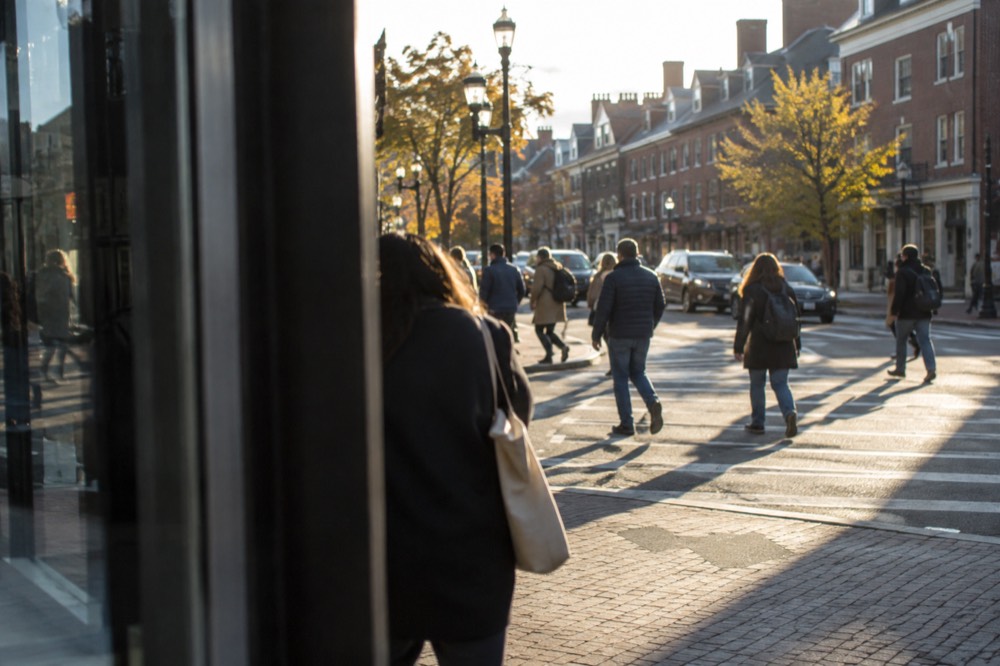
For another walk, Commonwealth Avenue runs west from Packard’s Corner while the Charles River lies farther north. The Turnpike is north of much of the main commercial strip, not the southern direction stated by some simplified walking descriptions. The Back Bay and South End guides cover other neighborhood settings.
If a structured tour appeals more than self-direction, the Harvard walk is the natural fit for this side of the city, and it pairs well with a west-end afternoon. The Harvard University Campus Guided Walking Tour runs 1 hour 10 minutes, its listing shows 4.7 from 3,864 reviews, and it starts from $23 per person.
Harvard Square needs a separate journey across the river; the Green Line B branch does not run there. Allow transfer time before combining a campus visit with Allston-Brighton.
Curious about the university side of a wider visit? Explore the student-led Harvard walk in Cambridge. Harvard Square is across the river; this tour does not cover Allston restaurants or Harvard’s Allston campus. Check Harvard walk dates
What Is There To Do In Brighton?
Brighton's attractions are quieter: Brighton Center, the historic commercial junction at Washington and Market Streets, is the neighborhood's walkable heart, and the Chestnut Hill Reservoir toward its southern edge offers a 1.5-mile waterside loop popular with runners. Cleveland Circle is at the end of the Green Line C branch, near the D branch’s Reservoir station; Boston College is a separate B-branch destination.
Brighton Center is what a village looks like after a long stretch inside a big city. The intersection of Washington Street and Market Street holds banks, bakeries, small restaurants, and the kind of storefronts that serve the surrounding blocks rather than a tourist crowd. It is a morning-and-lunch destination more than an evening one, and it rewards a slow walk more than any single stop.
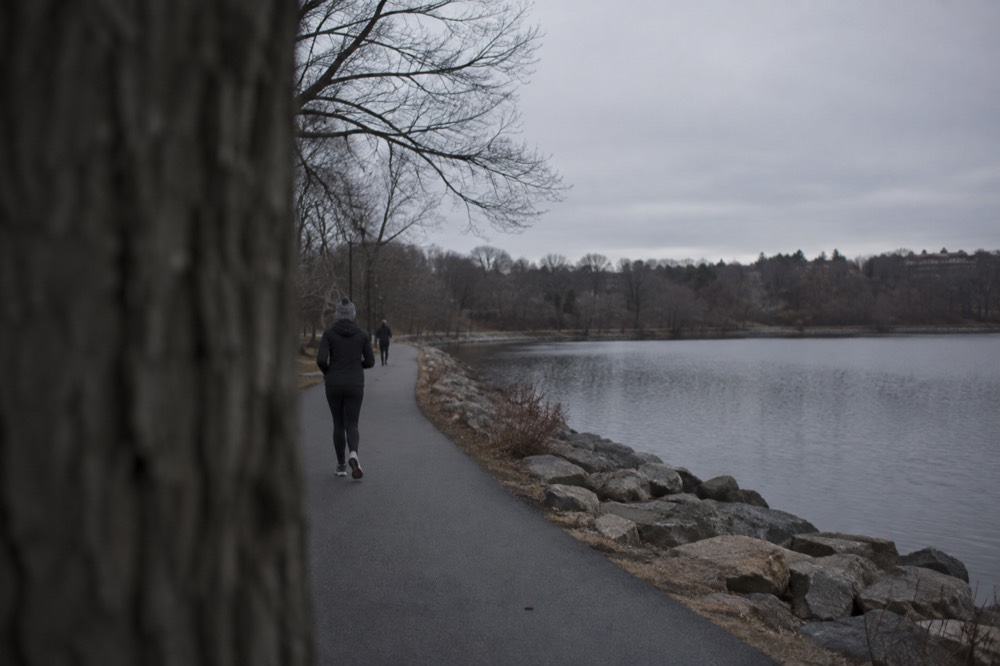
The Chestnut Hill Reservoir is the neighborhood's best open space. The loop around the water is flat, paved, and busy with joggers in every season, and the far side connects towards Boston College's campus and Cleveland Circle. In fall, the trees around the reservoir turn hard, and the walk doubles as foliage viewing without leaving the city. For more on the season, the Boston in fall coverage elsewhere on this site is worth a read.
Oak Square, in Brighton's southwestern corner, is a third pocket with its own small commercial cluster and some of the neighborhood's best neighborhood-scale restaurants. It is the least visited of the three by outsiders, which is either a recommendation or a warning depending on what you want from a walk.
| Area | Character | Best for |
|---|---|---|
| Allston Village | Loud, young, dense | Cheap food, record shops, people-watching |
| Brighton Avenue | Music venues and bars | Evening plans, live shows |
| Brighton Center | Village-style, settled | Bakeries, coffee, slow mornings |
| Cleveland Circle | Student-adjacent, convenient | Boston College visits, reservoir walks |
| Oak Square | Quiet, residential | Neighborhood restaurants, low-key evenings |
Boston College itself sits just past the reservoir, technically in Chestnut Hill, and the campus is open enough to walk through. The end-of-the-line Green Line stop named for the college drops you right at its edge. From there, Harvard Square and Cambridge are a reasonable continuation if you are building a western-Boston day.
Where Should You Eat And Drink In Allston-Brighton?
Allston-Brighton's food identity is built on density and price: the Harvard Avenue and Brighton Avenue strips carry one of the highest concentrations of independent, inexpensive restaurants in Boston, spanning Korean, Vietnamese, Japanese, Indian, Middle Eastern, and American diner food, most of it open late. Brighton Center and Oak Square run quieter, with bakeries, brunch spots, and neighborhood restaurants.
The honest advice is to walk and choose rather than follow a single name. The blocks between Commonwealth Avenue and Cambridge Street on Harvard Avenue hold dozens of kitchens within a few minutes' walk, and the turnover is real: places open, places close, and any specific recommendation ages fast. What does not age is the pattern. Korean barbecue and fried chicken, Vietnamese pho and banh mi, Indian thali counters, and late-night pizza are the standing categories, and the price band runs well below what the same meal costs downtown.
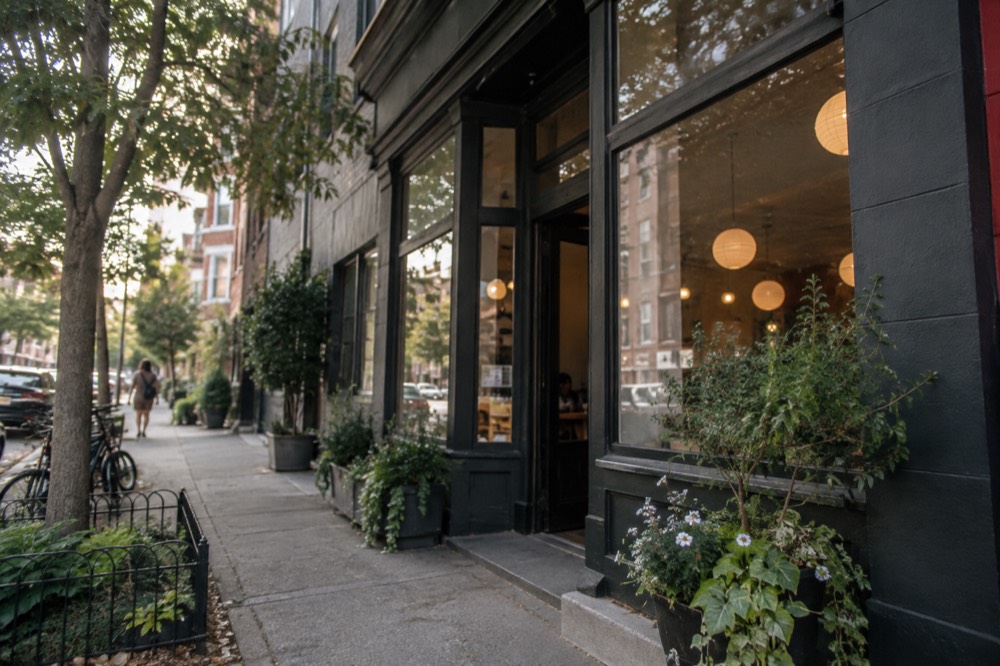
Drinking follows the same logic. Allston's bars are unpretentious and student-priced, concentrated on Brighton Avenue and the side streets off Harvard Avenue. Brighton's are fewer and calmer, more likely to be a restaurant bar than a destination. Neither neighborhood is a cocktail-district rival to the Theater District or the Seaport, and neither tries to be.
| Craving | Where to look | Notes |
|---|---|---|
| Late-night food | Harvard Avenue, Allston | Multiple kitchens open past midnight |
| Korean and Vietnamese | Allston Village core | The strip's strongest categories |
| Coffee and bakeries | Brighton Center | Village-scale, morning-oriented |
| Craft beer | Brighton Avenue and Cleveland Circle | Taprooms and beer bars, casual |
| Weekend brunch | Brighton Center and Oak Square | Expect student crowds in term time |
For an Allston-Brighton food visit, keep the independent restaurants here as your focus; a downtown North End tasting walk covers a different neighborhood and cuisine.
Is Allston-Brighton Worth Visiting If You Are Not A Student?
Yes. Food, live music and neighborhood walks are reasons to visit, and the area also has museum options. The McMullen Museum is on Boston College’s Brighton campus at 2101 Commonwealth Avenue. The Waterworks Museum offers free general admission near Chestnut Hill Reservoir. Check their current hours; Brookline and Somerville need their own routes rather than a blanket “head west” instruction.
A possible half-day combines the Allston commercial streets and a meal, or Brighton’s reservoir and a museum. These areas are several separate stops, so allow realistic travel time rather than promising every activity in three hours. Fenway Park is another outing east toward Kenmore.
Families should check the specific venue’s age rules, hours and walking distance. Evening music or bars and a daytime reservoir visit suit different plans; a neighborhood label alone does not establish safety or suitability.
Visitors with mobility concerns should check accessibility at each B-branch stop and their intended storefronts; being a street-level stop does not guarantee step-free boarding. The Boston accessibility guide covers the citywide picture.
What Should You Know Before You Go?
Know three things: the Green Line B branch runs down a street median, so stops are frequent and close together; the neighborhood's rhythm follows the academic calendar, so summer visits are quieter and term-time visits are busier; and the MBTA's fare rules changed on 1 September 2026, with unlimited transfers inside a two-hour window when you pay with the same method, so a bus-to-subway hop now costs the subway fare alone.
The transfer change matters more here than in most of Boston, because Allston-Brighton is a bus-and-subway neighborhood. The 66 and 57 buses feed the B branch stops, and under the pilot, that combined trip costs the highest single leg rather than two fares. The MBTA's subway fares page carries the details, including payment-medium and route-specific transfer rules.
Parking is the other practical issue, and the blunt version is that it is difficult and not worth attempting for a visit. The residential streets are permit-sticker zones, the commercial strips are metered and busy, and the Green Line makes a car unnecessary. The Boston parking guide covers the citywide mechanics if you are driving in regardless.
For a wider orientation before you commit, the first time in Boston guide is the right starting point, and the getting around Boston guide handles the full transit picture. If your west-end visit is part of a bigger neighborhoods day, the classic amphibious introduction below covers the downtown sights in one sitting. The Boston Duck Boat Sightseeing City Tour with Cruise runs 1 hour 20 minutes, its listing shows 4.6 from 10,003 reviews, and it starts from $62 per person.
Common Questions About Allston And Brighton
is allston brighton boston
Yes. Allston and Brighton are neighborhoods of the city of Boston, forming its westernmost planning district. Brighton was a separate town until Boston annexed it in the 1870s, and Allston split off as its own named section in the 19th century. Both are served by Boston's city government and the MBTA.
is allston-brighton safe
Judge the specific address, venue and return journey. Nightlife crowds and service hours vary, so check the route you will use and apply ordinary city awareness rather than relying on a blanket neighborhood guarantee.
is allston the same as brighton
No, though they are usually planned together. Allston centers on Harvard Avenue and the Commonwealth Avenue strip and is the student-heavy, nightlife-oriented half. Brighton centers on Brighton Center, Cleveland Circle, and Oak Square, and is more residential and settled. The two share a school district, a Green Line branch, and a border that locals draw roughly along Linden Street and the Massachusetts Turnpike.
what is the best way to get to allston-brighton
Use the B branch for Commonwealth Avenue, route 66 for Harvard Square–Allston–Brookline–Nubian, or route 57 for Watertown–Brighton–Allston–Kenmore. Check the destination’s actual stop and current service.
is allston-brighton good for food
Yes, and it is one of the best value food neighborhoods in Boston. The Harvard Avenue and Brighton Avenue strips carry a dense run of independent Korean, Vietnamese, Indian, Middle Eastern, and American kitchens, most priced well below downtown equivalents and many open late. Brighton Center and Oak Square run quieter, with bakeries and brunch spots.
should tourists visit allston-brighton
Yes, when its restaurants, music, reservoir walks or museums interest you. McMullen and the Waterworks Museum are options alongside the commercial streets. Harvard Square and Fenway Park are separate trips rather than attractions inside Allston-Brighton.
Pair Allston-Brighton With A Guided Visit
These options do not match your choice. Adjust the selection or reset to explore the starting recommendation.
Harvard Student-Led Campus Walk
A student-led walking tour of Harvard in Cambridge. Review the route and meeting point; a free independent campus visit remains an alternative.
A starting option to explore. Choose dates, travelers and the exact booking option with the provider; availability and eligibility are confirmed there.
Check Harvard walk dates