Dorchester, Boston: A Visitor's Guide To The City's Biggest Neighborhood
Dorchester sits south of downtown Boston, a peninsula of triple-decker houses, shoreline parks and some of the most varied food in the city. The MBTA's Red Line runs straight through it, the JFK Presidential Library looks out over the harbor from its Columbia Point campus, and the neighborhood's restaurant strips, along Dot Ave and in Fields Corner, carry Vietnamese, Cape Verdean, Irish, Caribbean and Latin American kitchens side by side. Most itineraries, including a well-built one day in Boston plan, never leave the Freedom Trail, which is precisely why Dorchester rewards the visitor who makes the short trip down.
Short answer
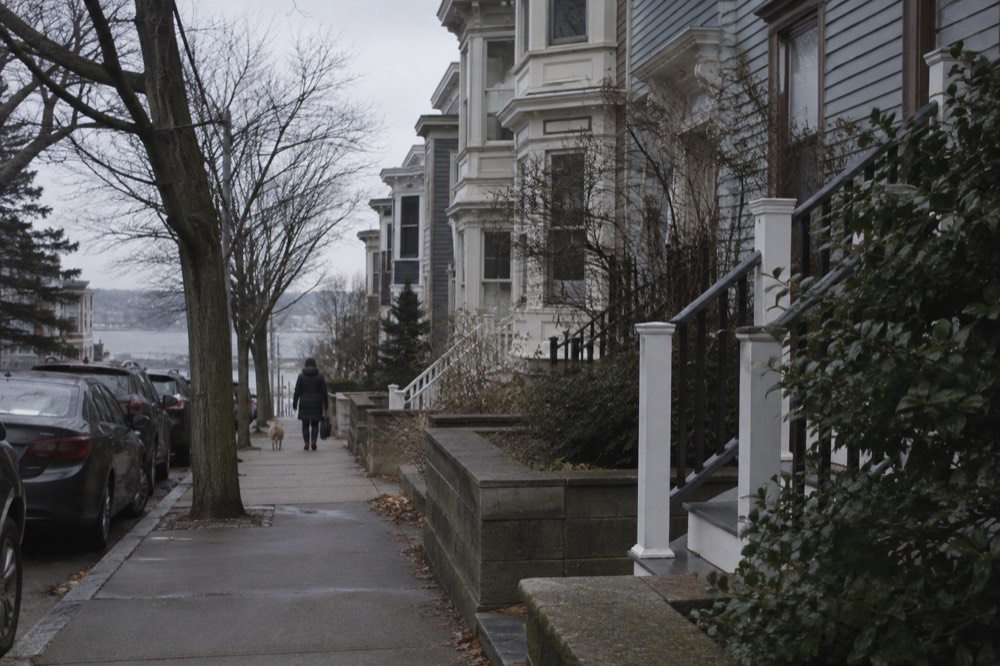
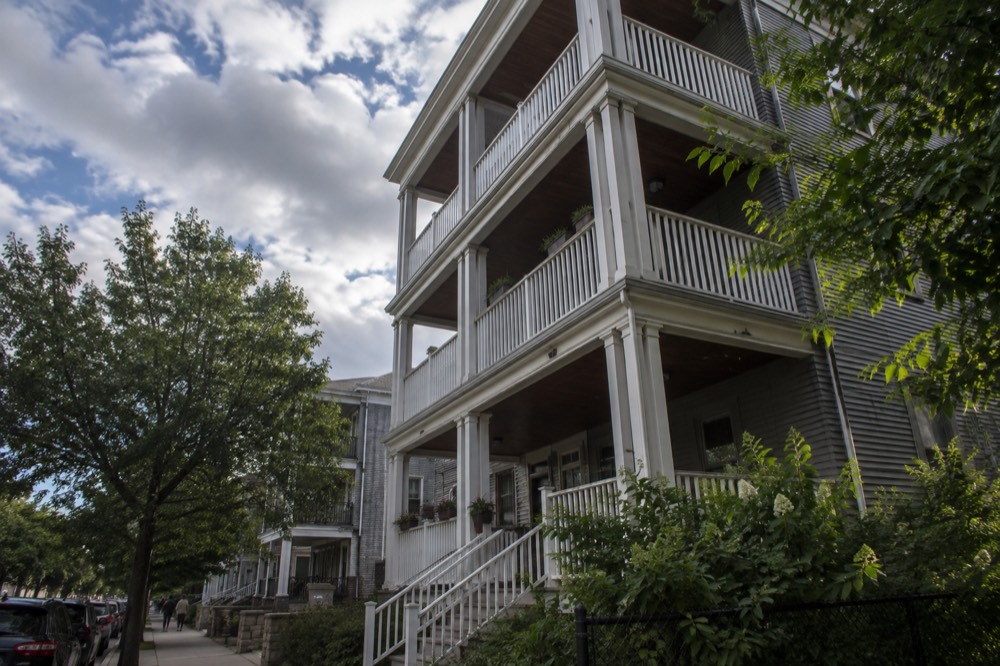
Dorchester is Boston's largest neighborhood, a residential peninsula south of downtown that was independent for more than two centuries before joining the city, and it still behaves like a collection of villages rather than one district. Fields Corner, Uphams Corner, Savin Hill, Ashmont and Lower Mills each have their own main street, their own character and their own subway or commuter rail stop. The housing stock is dominated by triple-deckers, the three-story walkups that define so much of Boston outside the downtown core.
Dorchester, Boston: A Visitor's Guide To The City's Biggest Neighborhood
Dorchester sits south of downtown Boston, a peninsula of triple-decker houses, shoreline parks and some of the most varied food in the city. The MBTA's Red Line runs straight through it, the JFK Presidential Library looks out over the harbor from its Columbia Point campus, and the neighborhood's restaurant strips, along Dot Ave and in Fields Corner, carry Vietnamese, Cape Verdean, Irish, Caribbean and Latin American kitchens side by side. Most itineraries, including a well-built one day in Boston plan, never leave the Freedom Trail, which is precisely why Dorchester rewards the visitor who makes the short trip down.
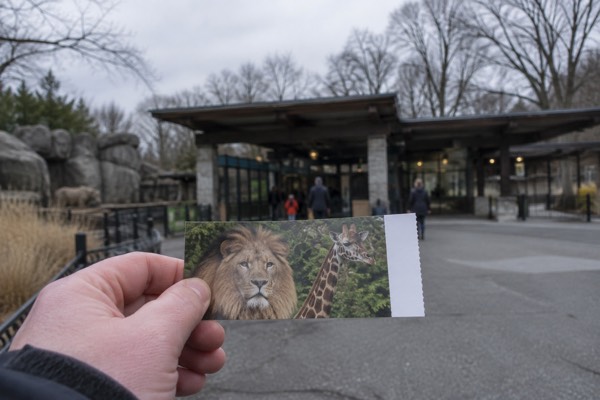
Planning a paid stop in Dorchester? Explore Franklin Park Zoo admission, or compare passes only if their other attractions also fit your trip. The shoreline and neighborhood walks remain free. Check Franklin Park Zoo admission
What Is Dorchester, Boston?
Dorchester is Boston's largest neighborhood, a residential peninsula south of downtown that was independent for more than two centuries before joining the city, and it still behaves like a collection of villages rather than one district. Fields Corner, Uphams Corner, Savin Hill, Ashmont and Lower Mills each have their own main street, their own character and their own subway or commuter rail stop. The housing stock is dominated by triple-deckers, the three-story walkups that define so much of Boston outside the downtown core.
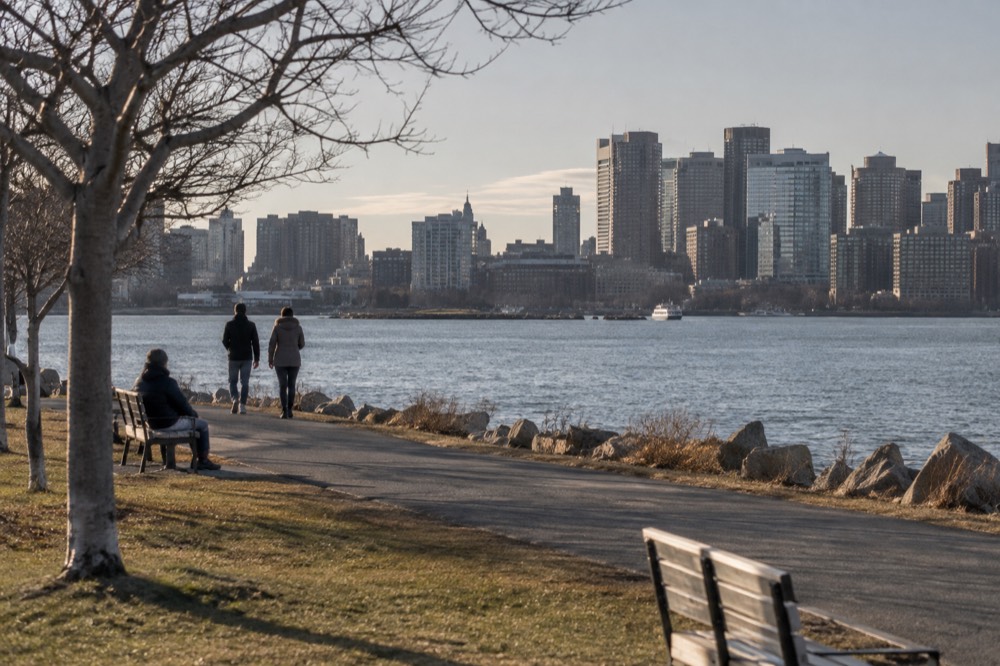
The street grid follows the old shorelines, which is why Dorchester Avenue, the spine of the neighborhood, wanders rather than runs straight. Dot Ave, as locals call it, connects nearly every village center and carries a bus route that is often faster than driving. The neighborhood's eastern edge is almost all waterfront: the Malibu Beach section and Columbia Point shoreline look north across the harbor toward the airport and the city skyline.
The Kennedy connection runs deep here. The JFK Presidential Library and Museum sits on Columbia Point at the University of Massachusetts Boston campus, a striking white building by I.M. Pei on the water's edge. The library is a major attraction in its own right, and it is currently listed among Go City’s Boston attractions. Compare the library’s own admission and hours with any pass you are considering before you go.
Dorchester also holds a piece of the city's green belt. Franklin Park, the large park at the neighborhood's western edge, is shared with Roxbury and Jamaica Plain, and the Franklin Park Zoo sits inside it. Between the park, the harbor shoreline and the dense village centers, the neighborhood covers more ground and more moods than any other single part of Boston.
Would the JFK Library be one of several paid visits? Explore the Explorer Pass’s current attraction choices, which include the JFK Presidential Library and Museum. Compare direct admission if the library is your only paid stop. Compare Explorer Pass choices and inclusions
How Do You Get To Dorchester From Downtown Boston?
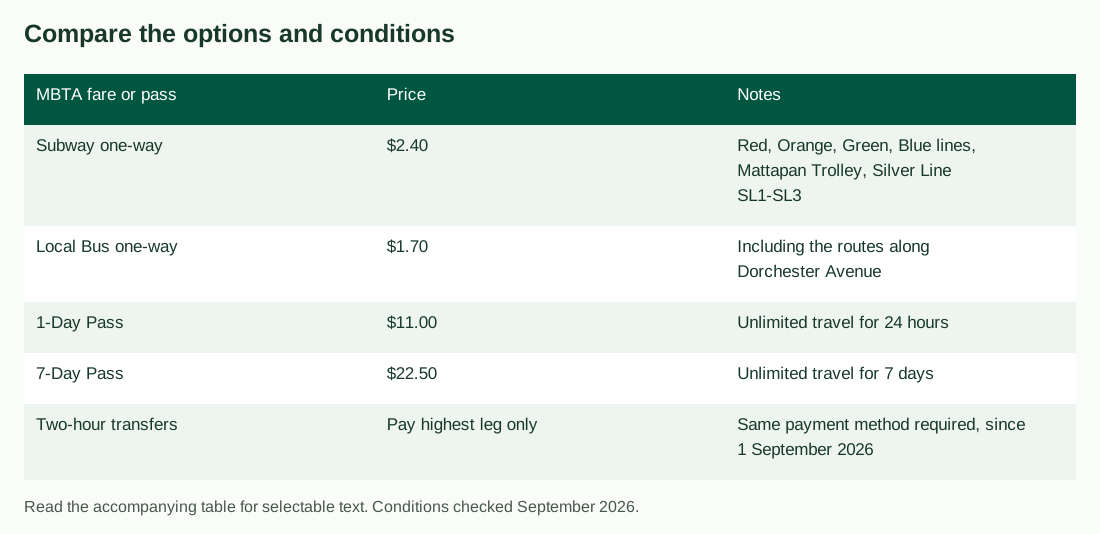
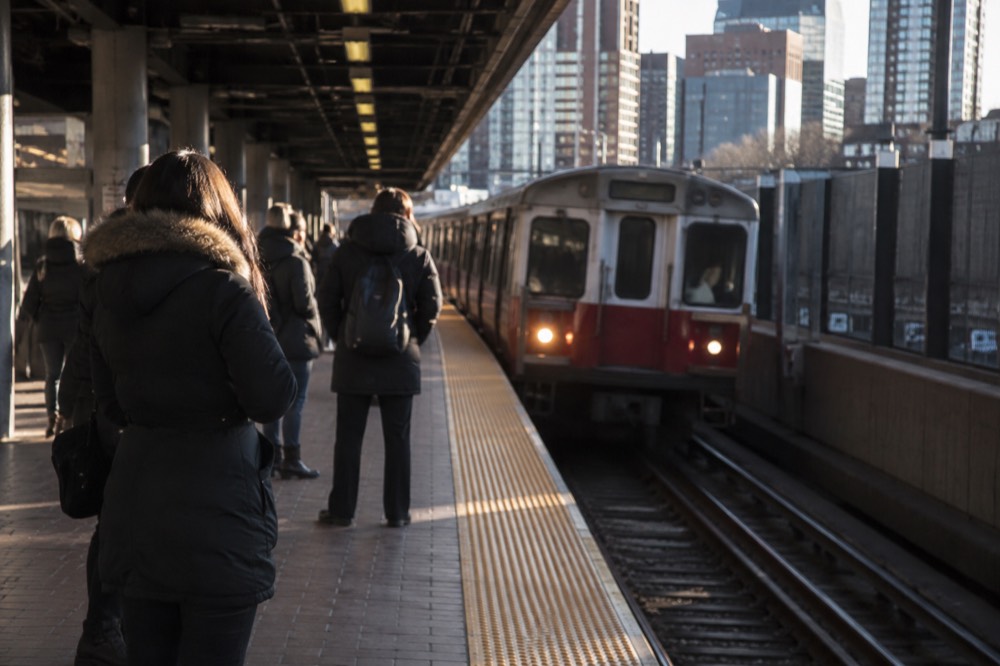
The Red Line subway is the simplest way in, with stops at Fields Corner, Shawmut and Ashmont serving the heart of the neighborhood, and a one-way subway fare is $2.40 according to the MBTA fare table. The JFK/UMass stop serves Columbia Point and the harbor edge. From South Station downtown the ride to Fields Corner takes well under twenty minutes, and a 7-Day unlimited pass at $22.50 covers it plus every other subway, bus and Silver Line trip you make.
The fare rules changed on 1 September 2026, and the change works in a visitor's favor. Riders now get unlimited transfers between subway, bus and ferry within a two-hour window, paying only the cost of the highest-priced leg, provided the same payment method is used for every leg. Contactless Tap to Ride with a card or phone is live on bus, subway and ferry. One detail worth knowing before you buy: a 1-Day or 7-Day pass on a CharlieTicket starts at purchase, while the same pass on a CharlieCard starts at first use, which matters if you buy on arrival night and start sightseeing the next morning.
| MBTA fare or pass | Price | Notes |
|---|---|---|
| Subway one-way | $2.40 | Red, Orange, Green, Blue lines, Mattapan Trolley, Silver Line SL1-SL3 |
| Local Bus one-way | $1.70 | Including the routes along Dorchester Avenue |
| 1-Day Pass | $11.00 | Unlimited travel for 24 hours |
| 7-Day Pass | $22.50 | Unlimited travel for 7 days |
| Two-hour transfers | Pay highest leg only | Same payment method required, since 1 September 2026 |
The Mattapan Trolley, the charming legacy line that runs from Ashmont station, connects Dorchester to Mattapan Square and is worth a ride purely for the vintage rolling stock. Buses along Dot Avenue fill the gaps between the Red Line stops, and the Commuter Rail's Fairmount Line adds stations at Four Corners, Uphams Corner and Newmarket. If you are driving, expect residential-permit parking on the side streets and honest frustration at the meters near the village centers; the general guidance in our Boston parking discussion is to arrive by transit instead.
The neighborhood also connects to the water. The Boston Harbor Islands ferry system, whose 2026 season runs through Monday 12 October, is detailed on the Harbor Islands ferry schedule page, and the islands sit directly off the Dorchester shoreline even though the ferries sail from downtown and other landings.
What Are The Top Things To Do In Dorchester?
The headline sights are the JFK Presidential Library and Museum on Columbia Point, the Franklin Park Zoo, and the Columbia Point and Malibu Beach shoreline, with Pleasure Bay farther north in South Boston. The zoo's listing shows entry from $24 per person, and the library's admission is published on its own visit page. Beyond those, the neighborhood's real attraction is its village-center street life, best experienced on foot around Fields Corner or Savin Hill.
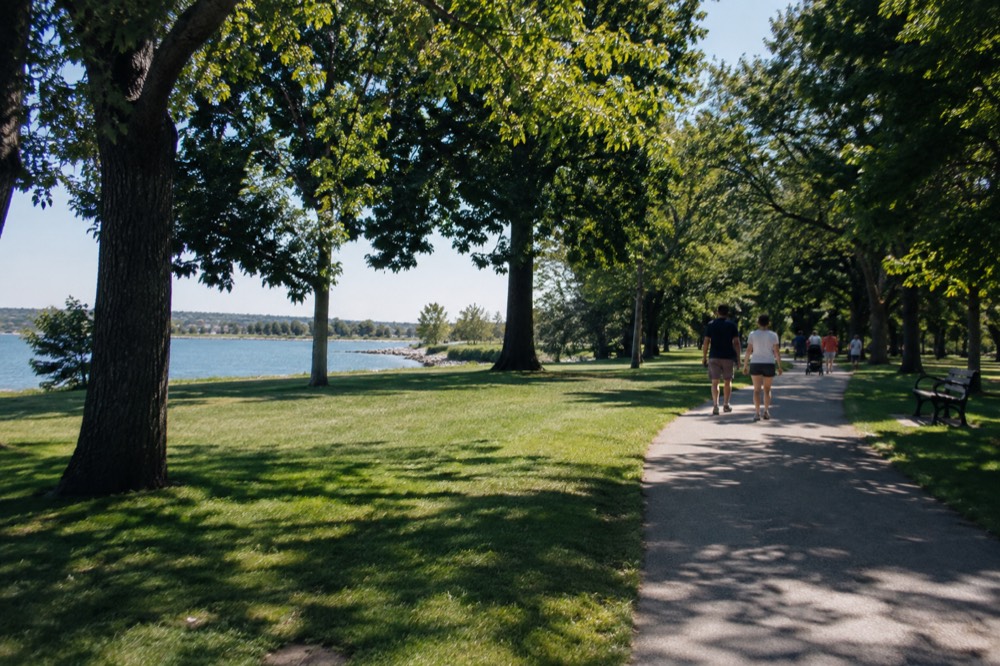
Start at Columbia Point. The JFK Presidential Library is the most consequential museum in the neighborhood, with the president's papers, a recreated White House office space and a glass pavilion that looks straight down the harbor. The adjacent UMass Boston campus wraps around the point, and the HarborWalk section here is one of the quietest stretches of waterfront in the city, facing the airport and the harbor islands.
Franklin Park, at the neighborhood's western edge, is Boston's biggest park and home to the Franklin Park Zoo, whose listing shows a 4.3 rating from 447 reviews and entry from $24. The zoo is a genuinely family-friendly half day, and the park around it carries walking paths, a golf course and the remains of Frederick Law Olmsted's original design. If your trip has a ballpark in it, the zoo pairs naturally with a visit to Fenway Park, since both reward a slow morning.
For shoreline time, choose a specific section such as Columbia Point or Savin Hill/Malibu Beach. Pleasure Bay is a separate South Boston destination, not the start of one simple coast road through all of these stops. Boat trips to Stellwagen Bank depart elsewhere and are separate from a Dorchester shore walk.
Further reading: Stellwagen Bank National Marine Sanctuary.
| Dorchester sight | What it is | Entry | Good for |
|---|---|---|---|
| JFK Presidential Library and Museum | Presidential museum on Columbia Point | Check the library's visit page | History, architecture, waterfront views |
| Franklin Park Zoo | Zoo inside Franklin Park | Listing shows from $24 | Families, half-day visits |
| Columbia Point HarborWalk | Waterfront path by UMass Boston | Free | Walking, skyline photos |
| Fields Corner | Village center with international food halls and shops | Free | Eating, street life |
| Dorchester Heights | Revolutionary site | Free | Note: located in South Boston, not Dorchester |
One correction worth making, because older guides get it wrong: Dorchester Heights, the hill whose fortification by Washington's army forced the British evacuation of Boston, is in South Boston, not in Dorchester, despite the name. It is a short trip from the Dorchester shoreline and a free one, but plan it as its own stop.
A duck boat tour is a strong complement to a Dorchester day: the Boston Duck Boat Sightseeing City Tour with Cruise runs about 80 minutes, its listing shows from $62 per person, and it covers the downtown headline sights, including a splashdown into the Charles River, before you head south for the quieter half of the city.
Check Franklin Park Zoo admission for your visit date before arranging the day. General entry is separate from any specially ticketed evening event or animal encounter; the surrounding public park remains free. Check Franklin Park Zoo admission
Where Should You Eat In Dorchester?
Fields Corner is the neighborhood's food capital, with Vietnamese restaurants that draw diners from across Greater Boston, and the surrounding village centers add Cape Verdean, Irish, Caribbean and Latin American kitchens. Along Dorchester Avenue the density of good, inexpensive food is among the highest in the city, and most of it is casual, counter-service or family-run, so plan to eat where the neighborhood eats rather than where a downtown menu points you.
The Vietnamese scene around Fields Corner is the headline. Pho shops, banh mi counters and full-service restaurants cluster within a few blocks of the Red Line stop, and the neighborhood's Cape Verdean kitchens, a cuisine that barely exists elsewhere in New England, are scattered along Dot Ave and in Uphams Corner. Irish pubs hold down Ashmont and Lower Mills, and the breakfast spots near Savin Hill do the neighborhood's weekend crowds. Other pages covering the same trip are gathered on Boston Travel Guide.
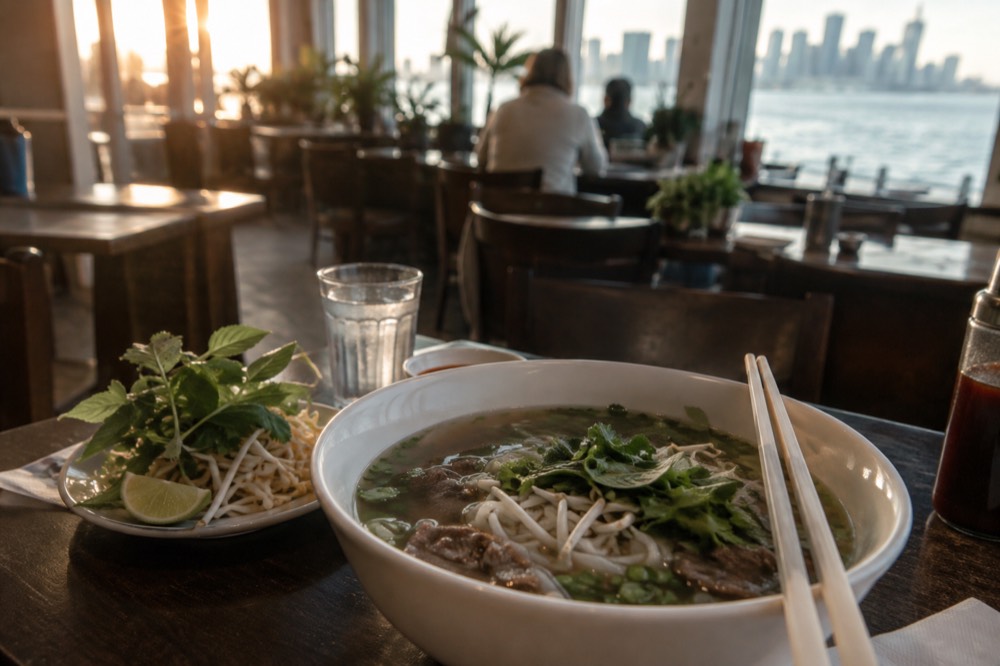
Dessert deserves a plan. Bakeries in the village centers do Portuguese and Caribbean sweets alongside standard Boston offerings, and on a warm day the walk from Fields Corner to the shoreline gives you a route that ends with water views. For the city's most famous food walk, the North End remains the standard, and the North End requires the Red Line from Fields Corner and a connection at Downtown Crossing, followed by a walk from the chosen downtown station.
If you want a guided version of that, the Boston's North End Food Tour: Italian Flavors and Heritage Walk runs 2 hours, its listing shows from $70 per person and a 4.9 rating from 1,635 reviews, and it pairs a tasting crawl with the neighborhood's history.
For a sit-down comparison of Boston's broader food reputation, from chowder to lobster rolls, the planning pages on Back Bay and the South End cover the restaurant districts most first-time visitors actually book, and Dorchester makes a better second-day story than a first-night one.
Is Dorchester A Nice Part Of Boston To Visit Or Stay In?
Dorchester is a large residential neighborhood with food, museums and shoreline options. A hotel’s usefulness depends on the exact address, room total and route. It is not automatically more affordable than central Boston, and different village centers have different transit connections.
Compare actual Dorchester properties for space, price and daily travel rather than assuming a discount. Check the last useful train or bus for your evening and allow time for connections; the Red Line does not run all night.
Further reading: Beacon Hill.
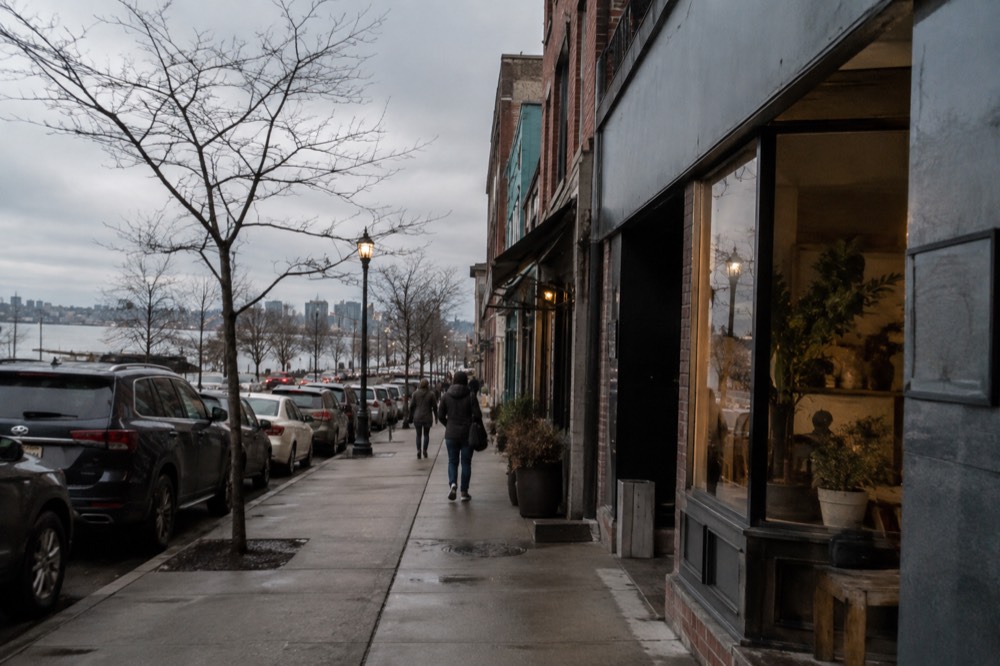
The dedicated Dorchester planning answer discusses the neighborhood further. Judge the specific route, accommodation access and current transport hours, using ordinary city awareness rather than a blanket safe-or-unsafe neighborhood label.
Want a residential base near the Red Line? Explore Boston stays on the map and check each Dorchester property’s actual station access and full room total. A citywide search does not guarantee a cheaper room here. Compare Boston stays
What Is The Weather Like In Dorchester?
Dorchester shares Boston's coastal climate: July is the warmest month with an average high of 82.1°F, January the coldest with an average high of 36.8°F and an average low of 23.1°F, and the city has no wet season and no dry season, with every month delivering between 3.21 and 4.30 inches of precipitation. Snow concentrates hard in winter, with 49.2 inches falling in a normal year and 58% of it arriving in January and February alone.
Those figures come from the NOAA monthly climate normals for the Boston Logan station, which sits on a harbor peninsula a short distance from the Dorchester shore, so the numbers describe essentially the same air. The practical reading: a summer visit is warm and humid with sea breezes off the harbor, and the shoreline walks are at their best from May through September. October brings color inland and reliable, cool walking weather.
| Month | Avg high (°F) | Avg low (°F) | Precip (in) |
|---|---|---|---|
| January | 36.8 | 23.1 | 3.39 |
| April | 56.4 | 40.8 | 3.63 |
| July | 82.1 | 66.0 | 3.27 |
| October | 62.1 | 47.5 | 4.03 |
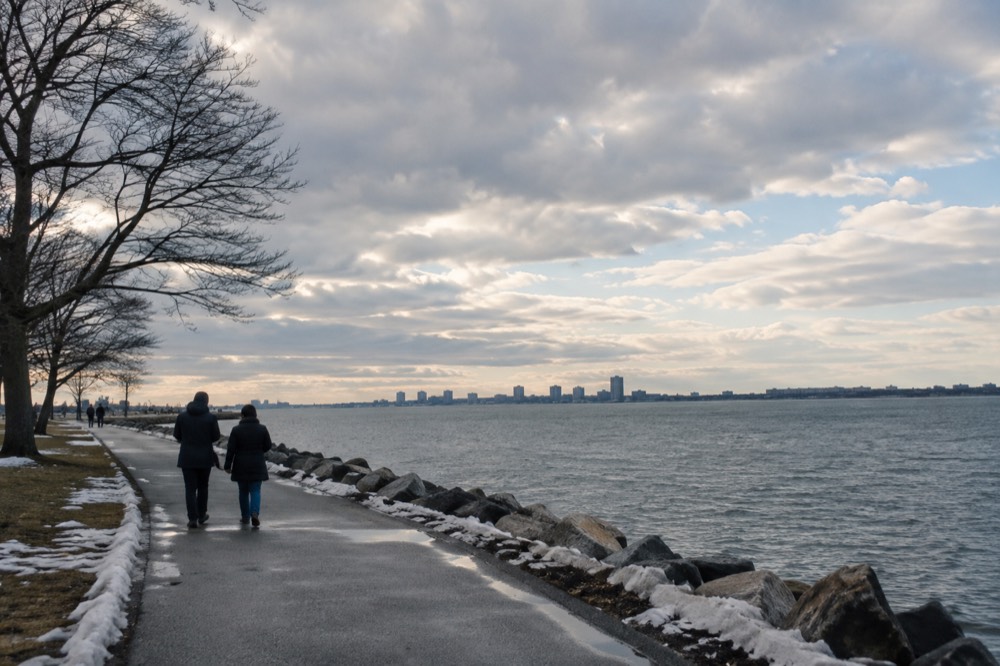
Winter visitors should plan around snow rather than rain. The 28.7 inches that fall across January and February in a normal year reshape the sidewalks for days at a time, and the neighborhood's older housing stock means the picturesque triple-deckers come with icy walkways. The harbor itself stays photogenic in every season, and the tidal range here is large, about 9.49 feet on average, so the same shoreline looks substantially different at low tide than at high.
How Should You Plan A Day In Dorchester?
A manageable day pairs the JFK Library and Columbia Point with a meal, or gives Franklin Park Zoo its own half-day. JFK/UMass station requires an onward connection or walk to the library; UMass publishes the shuttle stops. Fields Corner lies south of Columbia Point, and the zoo is farther west, so all three do not form a simple one-direction stroll.
Morning belongs to the water. The Columbia Point HarborWalk and the library share a campus feel, and the library's glass pavilion is best photographed with the morning light behind you and the harbor beyond. If the zoo is on the list, flip the day and go west first, because Franklin Park rewards the earlier hours and the animals are livelier before the afternoon crowds.
Fields Corner can be a separate meal stop on the Ashmont branch of the Red Line. Check actual travel times and leave room for station-to-venue walking rather than promising a library, food and waterfront schedule to the minute. The first-time itinerary covers the central-city part of a visit.
If your trip extends toward Cambridge, the Harvard University Campus Guided Walking Tour is a natural pairing on a later day: it runs 1 hour 10 minutes, its listing shows from $23 per person and a 4.7 rating from 3,864 reviews, and it covers Harvard Square and Cambridge in a way that self-guided wandering usually misses.
Check the zoo’s hours and entry conditions before combining it with Columbia Point and lunch. These stops require separate travel time; the admission ticket includes no transfer. Check Franklin Park Zoo admission
What Else Should You Know Before Visiting Dorchester?
Plan Dorchester by its individual stops. Check JFK Library hours and onward travel, the actual zoo entry and route, and a shoreline section suited to your time. Cambridge and Somerville are separate cities and Brookline is a separate town; Dorchester is part of Boston.
The neighborhood also makes a good base for day trips down the coast. The ferry systems and road routes described in the site's day trips coverage all leave from points a short subway ride away, and the Red Line's Ashmont terminus puts the southern suburbs within reach without a car.
For evening planning, the honest note is that Dorchester's nightlife is neighborhood nightlife: pubs, lounges and late kitchens rather than theater and clubs. The Theater District and downtown carry the night out, and the Red Line brings you home. A visitor who eats in Fields Corner, walks the shoreline and rides back downtown has, in one day, seen a Boston that most itineraries skip entirely.
Common Questions About Dorchester, Boston
is dorchester a nice part of boston
Yes, for the kind of visitor who wants food, shoreline walks and a residential feel rather than postcard downtown polish. The village centers around the Red Line stops are friendly and easy to navigate, and the neighborhood's restaurant scene draws people from across Greater Boston. This site covers the question in detail on its dedicated page.
How do I get to Dorchester from downtown Boston?
Choose the Red Line branch and stop for your destination. Fields Corner, Shawmut and Ashmont are on the Ashmont branch. JFK/UMass serves onward travel toward the library, which requires a shuttle or additional walk; the station is not the museum entrance.
What is Dorchester Boston known for?
The JFK Presidential Library and Museum, the Franklin Park Zoo, the Vietnamese food scene around Fields Corner, and a shoreline that looks straight across the harbor at the Boston Harbor Islands and the airport.
Is Dorchester safe for tourists?
Assess the actual route, venue and return journey rather than a whole-neighborhood label. Check service hours and accommodation access, use ordinary city awareness and allow alternatives for late returns.
How much time should I spend in Dorchester?
Half a day covers the shoreline, the library and a meal in Fields Corner. A full day lets you add Franklin Park Zoo on the western edge. Most visitors pair a Dorchester half day with a downtown morning rather than dedicating a whole day to it.
Does the Boston CityPASS cover anything in Dorchester?
Yes. Franklin Park Zoo is one of the participating Boston CityPASS choices. CityPASS currently lets you choose four of seven attractions; it does not include the JFK Presidential Library. JFK is listed separately among Go City’s participating attractions.
Would four attractions suit your wider Boston visit? Explore CityPASS with Franklin Park Zoo as one available choice. JFK is not included in CityPASS, and a single zoo visit alone does not justify buying the pass. Compare Boston CityPASS options
Choose Admission Or A Base For Dorchester
These options do not match your choice. Adjust the selection or reset to explore the starting recommendation.
Compare Your Dorchester Visit Totals
Reader-entered estimates in USD, not live quotes. Use the same dates and travelers for both options. Include all relevant tickets, rooms, taxes, mandatory fees and transport for the entire trip once in each total. Do not add a transfer twice if your rate already includes it.
Franklin Park Zoo Admission
General entry to Franklin Park Zoo. Check the date, ticket conditions and seasonal exhibits. Do not assume admission covers a separately ticketed evening event or animal encounter.
A starting option to explore. Choose dates, travelers and the exact booking option with the provider; availability and eligibility are confirmed there.
Check Franklin Park Zoo admission