What To Pack For Boston
Boston is a walking city wrapped around a harbor, and that combination dictates almost everything that goes in the suitcase. The official climate record, measured at Logan Airport on a peninsula in the harbor, shows a place with four genuinely distinct seasons, no rainy season at all, and snowfall with its largest monthly averages in January and February. The Boston Travel Guide desk builds this packing advice on those numbers, the MBTA's own fare rules and the current status of seasonal attractions, because a packing list that ignores them is the difference between a good trip and a miserable one.
Short answer
Boston's seasons split into four distinct wardrobes: January averages a 36.8F high and a 23.1F low, July peaks at an 82.1F average high, and the shoulder months sit in a mild 45F to 66F band that rewards layers. The one constant is precipitation, which stays between 3.21 and 4.30 inches every single month, so a packable rain shell belongs in the bag in every season.
Boston is a walking city wrapped around a harbor, and that combination dictates almost everything that goes in the suitcase. The official climate record, measured at Logan Airport on a peninsula in the harbor, shows a place with four genuinely distinct seasons, no rainy season at all, and snowfall with its largest monthly averages in January and February. The Boston Travel Guide desk builds this packing advice on those numbers, the MBTA's own fare rules and the current status of seasonal attractions, because a packing list that ignores them is the difference between a good trip and a miserable one.
Compare Boston luggage-storage locations if checkout and your departure leave a gap. Check the specific address, opening hours, item rules and total quote before booking. Switch below only if you also need US mobile data for a compatible unlocked phone. Find Boston bag storage
What To Wear In Boston By Season
Boston's seasons split into four distinct wardrobes: January averages a 36.8F high and a 23.1F low, July peaks at an 82.1F average high, and the shoulder months sit in a mild 45F to 66F band that rewards layers. The one constant is precipitation, which stays between 3.21 and 4.30 inches every single month, so a packable rain shell belongs in the bag in every season.
Snow is the real variable: 49.2 inches falls across the year and 58% of it lands in January and February alone.
Those figures come from NOAA’s 1991–2020 normals at Logan station USW00014739, published through the National Weather Service Boston office. They describe long-term airport conditions, not an exact forecast for every neighborhood. Wind, exposure and the actual weather matter for waterfront clothing.
Further reading: Charlestown.
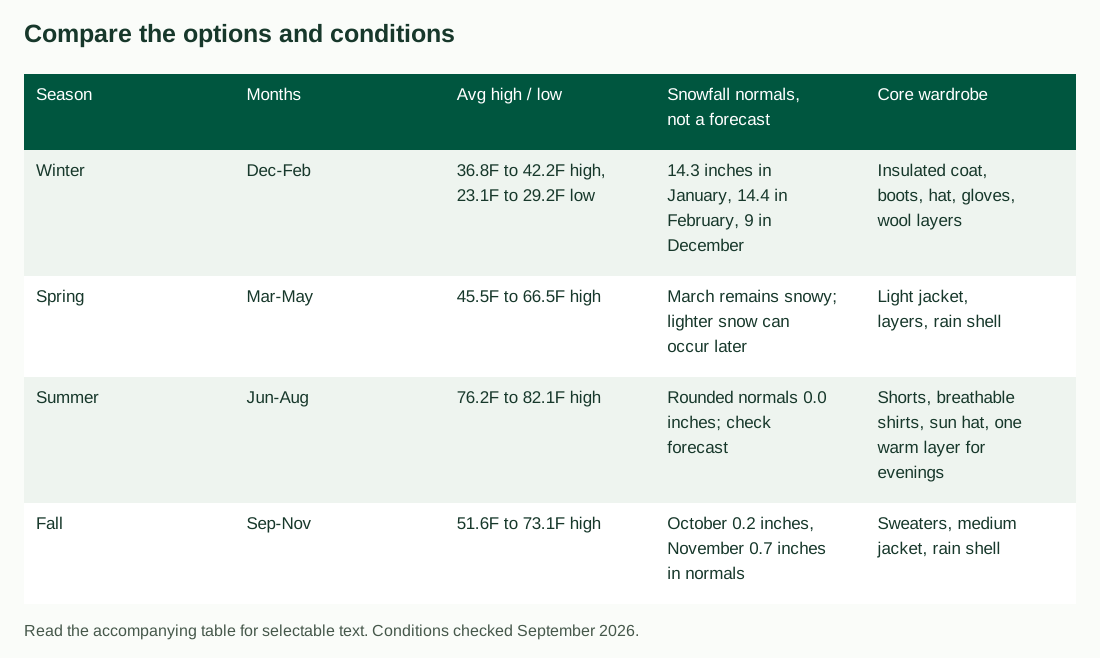
Spring arrives slowly. March still averages 9 inches of snow and a 45.5F high, so early-spring visitors should not be fooled by the calendar. By May the average high reaches 66.5F and the snow column reads zero, which is when the lighter half of the wardrobe takes over. Fall mirrors spring in reverse, with September at a 73.1F high and October dropping to 62.1F, and October is the month where a warm afternoon and a cold evening can happen on the same day. Anyone planning around specific months should cross-check the month-by-month detail on Boston weather by month, and anyone still choosing dates should read the best time to visit Boston first, because the packing list follows the date.
| Season | Months | Avg high / low | Snowfall normals, not a forecast | Core wardrobe |
|---|---|---|---|---|
| Winter | Dec-Feb | 36.8F to 42.2F high, 23.1F to 29.2F low | 14.3 inches in January, 14.4 in February, 9 in December | Insulated coat, boots, hat, gloves, wool layers |
| Spring | Mar-May | 45.5F to 66.5F high | March remains snowy; lighter snow can occur later | Light jacket, layers, rain shell |
| Summer | Jun-Aug | 76.2F to 82.1F high | Rounded normals 0.0 inches; check forecast | Shorts, breathable shirts, sun hat, one warm layer for evenings |
| Fall | Sep-Nov | 51.6F to 73.1F high | October 0.2 inches, November 0.7 inches in normals | Sweaters, medium jacket, rain shell |
What Should Every Boston Packing List Include?
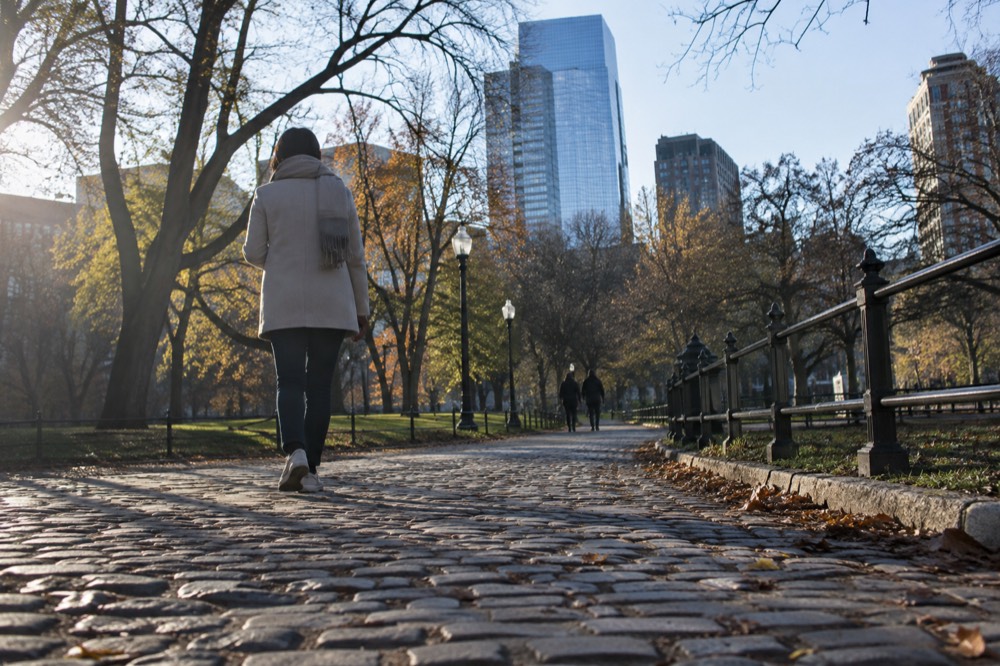
Pack comfortable broken-in walking shoes, weather-appropriate layers, a rain shell and a manageable day bag. Arrange an MBTA payment method if using transit. The 2.5-mile Freedom Trail includes uneven surfaces; choose footwear for your own comfort and planned distances rather than assuming a particular shoe works for everyone.
The cobblestone point deserves emphasis. Large parts of downtown, the North End and Charlestown are brick and stone underfoot, and a 2.5-mile walk on that surface in thin-soled shoes will end the day early. This is also a city where the gap between the afternoon temperature and the evening temperature is large in every season except midsummer, so a packable fleece or a light sweater earns its space even in July, when harbor breezes drop waterfront temperatures well after sunset.
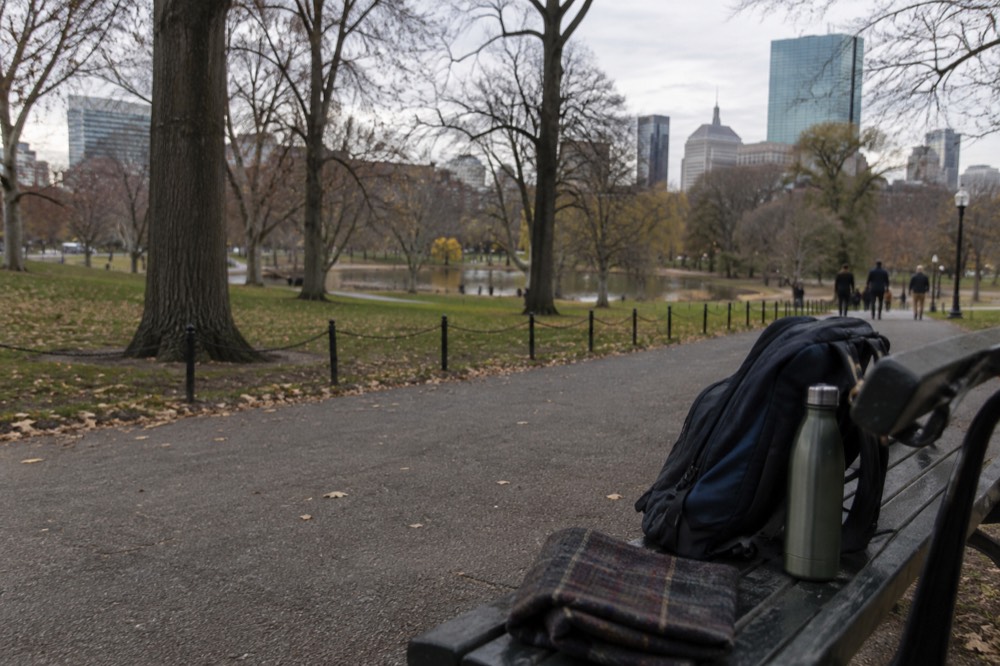
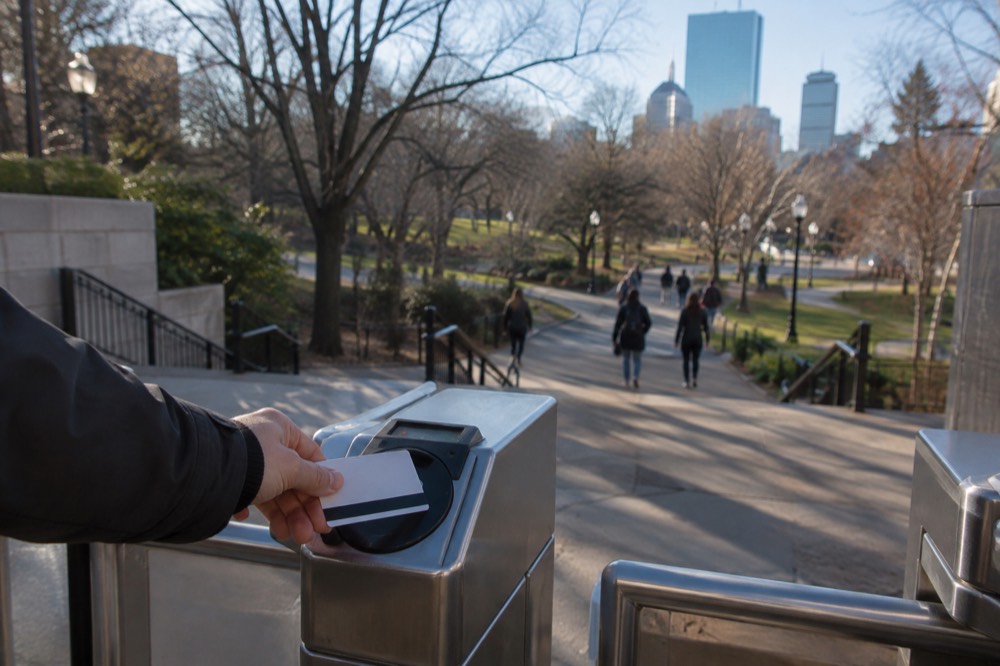
The transit piece is easier than it used to be. The MBTA's fare pages show a subway ride at $2.40, a 1-Day Pass at $11.00 and a 7-Day Pass at $22.50, and since 1 September 2026 the system runs an unlimited-transfer pilot: within a two-hour window, riders pay only the cost of the highest-priced leg, as long as they use the same payment method throughout. Contactless Tap to Ride with a card, phone or watch is live on bus, subway and ferry, so a visitor with a contactless card does not strictly need to buy anything in advance. The details, including the CharlieCard-versus-CharlieTicket pass-start difference, are laid out in the CharlieCard and fares guide, and the wider route picture is in getting around Boston.
Need mobile data for maps and digital tickets? Explore US eSIM plans only after checking that your phone is unlocked and eSIM-compatible. Compare data, validity and activation rules with your existing roaming plan; the eSIM does not replace a payment card or guarantee a local phone number. Compare US eSIM plans
What Shoes Work Best For Walking Boston?
Choose broken-in walking shoes with suitable grip; waterproof boots can help in winter snow and slush. In warm weather, breathable footwear may be more comfortable. Check the forecast and your route, and bring a backup if luggage space permits.
The slush detail is the one visitors underestimate. Boston's 49.2 inches of annual snow does not fall as tidy powder and stay that way: it compacts, melts, refreezes and mixes with street salt, so the puddles at crosswalks in January are deeper than they look. A waterproof shoe or boot with at least a mid-height collar handles that. In summer the same logic applies to rain: a sudden shower on the Freedom Trail soaks a canvas sneaker through in minutes.
| Season | Footwear that works | Footwear to leave home |
|---|---|---|
| Winter | Insulated waterproof boots with tread | Smooth-soled dress shoes, canvas sneakers |
| Spring | Waterproof walking shoes or light boots | Suede anything |
| Summer | Breathable walking shoes, sandals with grip for evenings | Flip-flops for all-day sightseeing |
| Fall | Waterproof walking shoes, boots as it cools | Brand-new shoes of any kind |
For visitors building the trip around the downtown core, the practical walking distances are short but the surfaces are old. A visitor planning to follow the full 2.5-mile Freedom Trail from Boston Common to the Bunker Hill Monument, or to roam from the North End to Beacon Hill in one day, should treat footwear as the single most important packing decision, alongside suitable clothing for the forecast. The guided options, which cover the same ground with a narrative attached, are compared in Freedom Trail tours.
What Should You Pack For Boston Winter?
For a Boston winter trip, pack an insulated knee-length coat, waterproof boots with real tread, wool socks, a hat, gloves and a scarf, plus base layers for long days outside, because January averages a 36.8F high and a 23.1F low and the city receives 28.7 inches of snow in January and February alone. Wind off the harbor makes waterfront areas feel colder than the forecast, so a windproof outer shell over the insulation matters more than raw thickness.
Winter weather can bring snow, ice and service disruption. NOAA’s average snowfall is not a prediction for your dates, and clearance or transit operation cannot be guaranteed during a storm. Allow indoor alternatives, check current alerts and compare actual accommodation prices rather than assuming every winter date is cheap or quiet. Museum of Fine Arts, Museum of Science and the Gardner Museum offer different indoor visits.
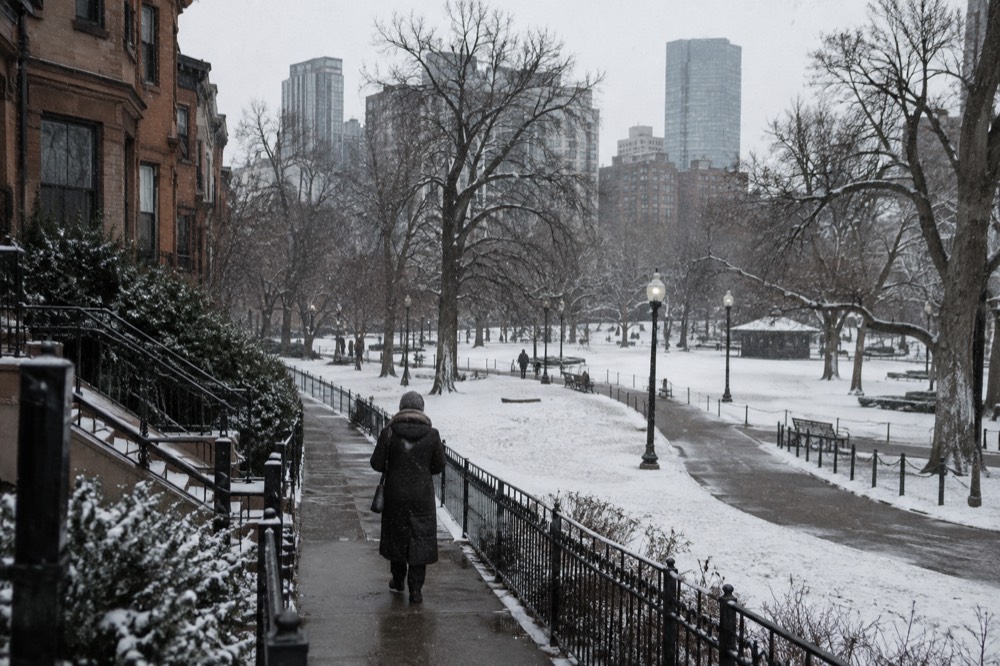
One clothing item worth adding for winter specifically: ice grips or traction cleats that slip over boots. Sidewalks are cleared but crosswalk ramps and side streets can hold refrozen slush. Also pack a spare pair of socks in the day bag, because one slush puddle ends a day otherwise. Visitors timing a winter trip around the holidays should also read the winter itinerary coverage and the Christmas guide, both of which assume this same cold-weather kit.
| Winter item | Why it earns its space |
|---|---|
| Insulated, windproof coat | January wind chill on the harborfront cuts well below the 23.1F average low |
| Waterproof boots with tread | 28.7 inches of snow in January and February, plus refrozen slush at crosswalks |
| Wool socks, two pairs per day | Wet feet end sightseeing days; wool insulates even damp |
| Hat, gloves, scarf | Exposed skin is the failure point on waterfront walks |
| Traction cleats | Refreeze on side streets and ramps after daytime melt |
| Spare socks in day bag | Insurance against one unavoidable puddle |
What Should You Pack For Boston Summer?
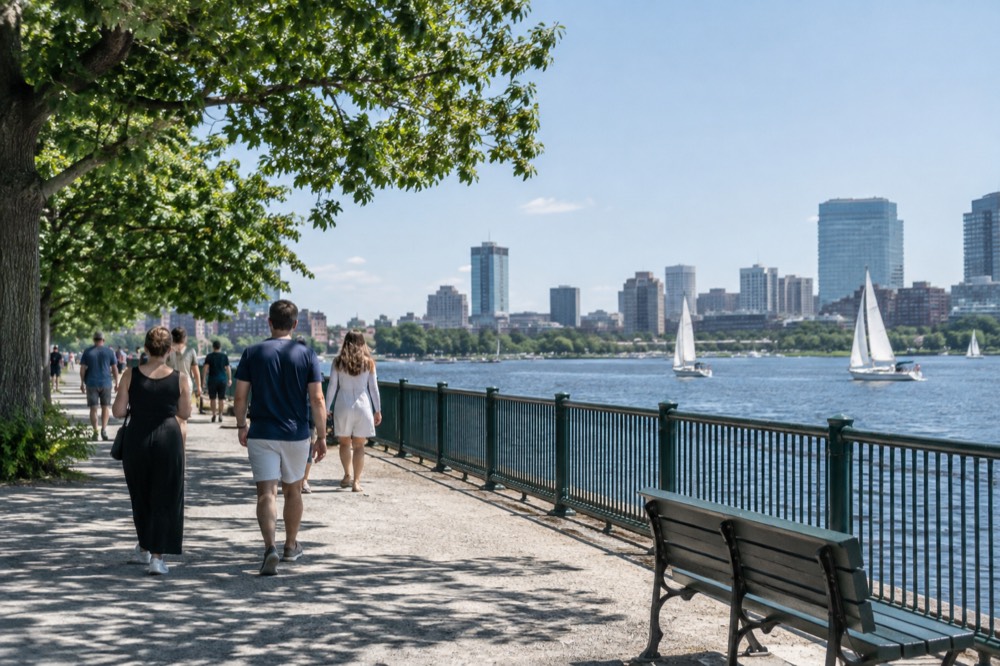
For a Boston summer trip, pack breathable shirts, shorts, a sun hat, sunscreen and a light sweater or packable jacket for evenings, because July averages an 82.1F high with 66F nights and the harbor breeze can drop the waterfront temperature sharply after sunset. Rain still falls, around 3.27 inches in July, so the same packable shell that travels in January travels in July. Comfortable walking shoes remain the core item.
Boston summers can include heat waves as well as cool or windy evenings. Check the forecast, plan water and sun protection, and carry an extra layer for exposed waterfront time rather than relying only on monthly averages.
Whale watching and harbor cruises add exposed time on the water. The Boston whale trip usually takes three to four hours and can run longer; allow layers, sun protection and the operator’s actual packing guidance. The whale-watching guide explains the different departures. A harbor-history or sunset cruise is a shorter and different outing.
Do You Need Rain Gear In Boston?
Carry rain protection suited to the forecast and planned outdoor time. A hooded shell is useful, and an umbrella can help in lighter wind. These items do not cover every severe-weather situation. Monthly precipitation totals include liquid-equivalent snow and do not establish equal rain probability in every month.
Boston’s monthly liquid-equivalent precipitation normals range from 3.21 to 4.30 inches, including snow. Use the actual forecast to choose clothing and decide whether an exposed outing should proceed; climate averages cannot predict a particular three-day trip.
| Rain item | How to decide |
|---|---|
| Hooded shell | Useful for forecast rain and wind |
| Umbrella | Useful when wind permits |
| Rain pants | Consider sustained outdoor exposure, not the month alone |
| Waterproof footwear | Balance wet conditions, temperature and comfort |
| Phone protection | Consider spray or exposed boat travel |
The umbrella caveat is real: gusts come straight up the harbor and through downtown street canyons, and the funeral of cheap umbrellas is a Boston tradition. A shell with a hood outperforms an umbrella on the waterfront. For a rainy-day plan B, the indoor options are covered across things to do in Boston, which lists the museums and covered attractions that keep a wet afternoon useful.
What Should You Pack For A Red Sox Game Or Harbor Cruise?
For a Red Sox game at Fenway Park, pack sunscreen, a hat and layers for evening games, plus a small clear bag or no bag at all, because Fenway's bag policy is strict and the ballpark tour permits no bags on some options. For a harbor cruise, pack a windproof layer, because the water runs noticeably cooler than the dock. Game tickets and ballpark tours are separate products, and only the tours are bookable through this site.
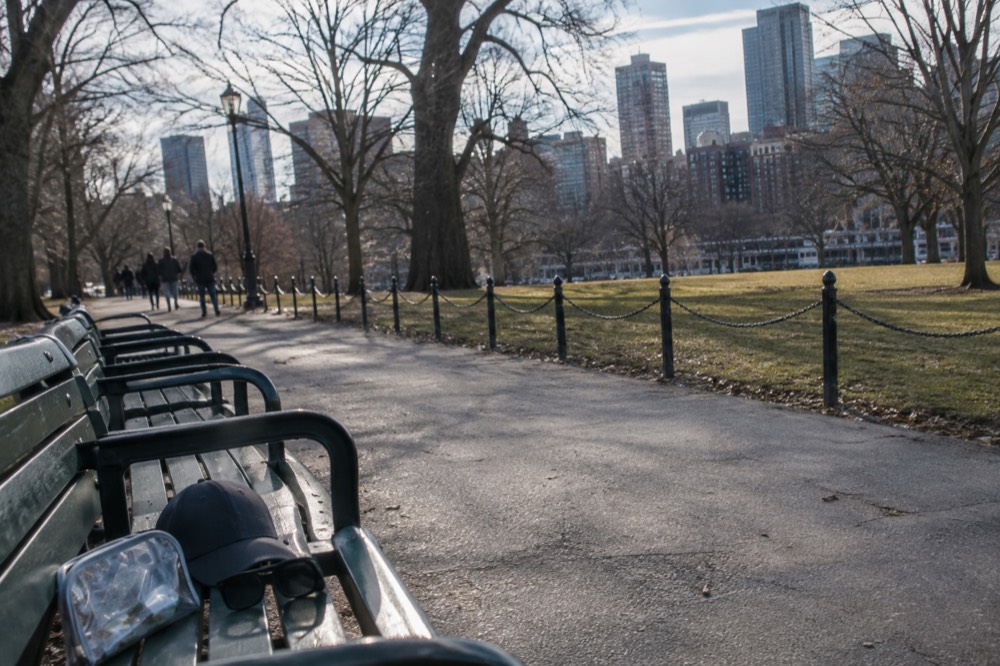
Fenway game and tour bag rules differ by product and can change. Check the actual policy before leaving your accommodation; a clear bag is not automatically permitted regardless of size. The standard tour lasts about an hour at Gate D, while the short Gate B format uses its own schedule. The game guide and tour guide explain the separate choices.
For the water, plan for wind and exposure rather than subtracting a fixed number of degrees from the land forecast. Tall ships and Charles cruises have different boarding points and shelter. Boston Duck Tours explains the eighty-minute city-and-river format; check its actual departure options only if that outing fits your plan.
What Should You Not Pack For Boston?
Leave behind items that do not suit your forecast, activities or personal needs, and avoid relying on untested footwear for long walks. A city-centered trip often works without a car, though mobility and itinerary needs differ. Pack for the attractions actually operating; Swan Boats have finished their 2026 season.
The car point deserves a full sentence, not a footnote. Boston parking is famously expensive and the subway reaches essentially everything a first-time visitor wants, so a visitor staying in Back Bay, Beacon Hill or the Seaport should consider arriving by train or plane and never touching a steering wheel. The trade-offs, including where not to drive, are laid out in Boston parking and the Boston subway map explained. Anyone flying in should also check the Logan Airport guide and Logan Airport to downtown Boston, because the Silver Line SL1 is free leaving the airport terminals, which changes what a visitor needs on arrival day: no cash for transit, just a contactless card for the ride back later.
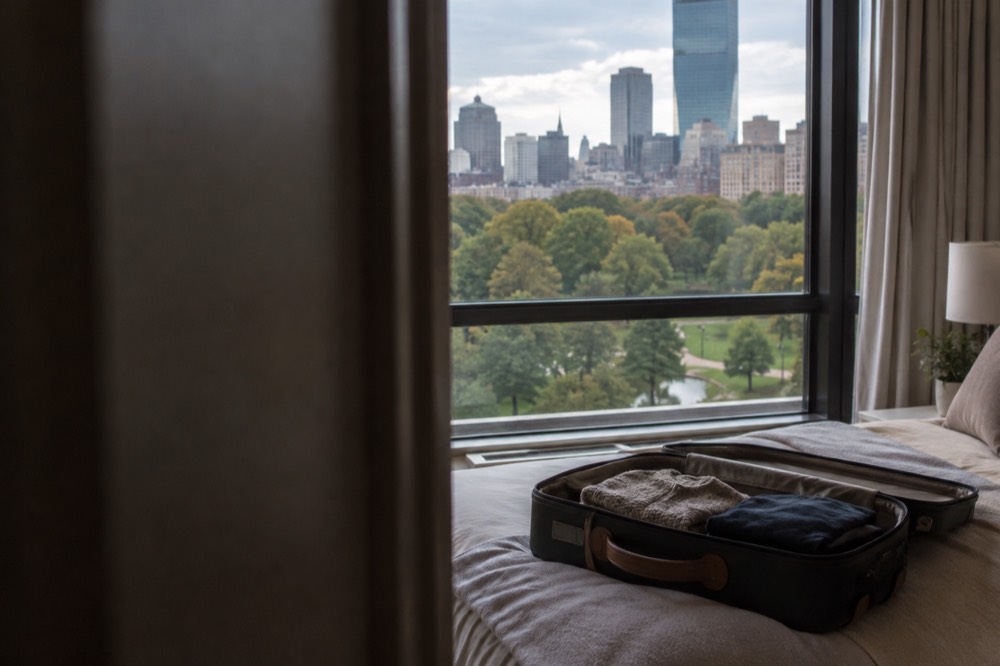
The seasonal-closure point is where dated packing lists fail hardest. A list that says "ride the Swan Boats" in November is sending a reader to a lagoon with no boats in it, because the operator's own site states the attraction is closed for the season until April 2027. The same discipline applies to the Harbor Islands ferry, whose published 2026 season ends on 12 October 2026. Pack for what is actually running.
| Do not pack | Why |
|---|---|
| A rainy-season wardrobe plan | No wet or dry season exists; every month runs 3.21 to 4.30 inches |
| Brand-new walking shoes | Cobblestones and brick break shoes and feet in together |
| Heels for daytime | Downtown surfaces are 19th-century underfoot |
| A car for a city-center trip | Parking is costly and the MBTA covers the visitor core |
| Swan Boats plans before April 2027 | The attraction is closed for the season until then |
How Much Luggage Is Too Much For Boston?
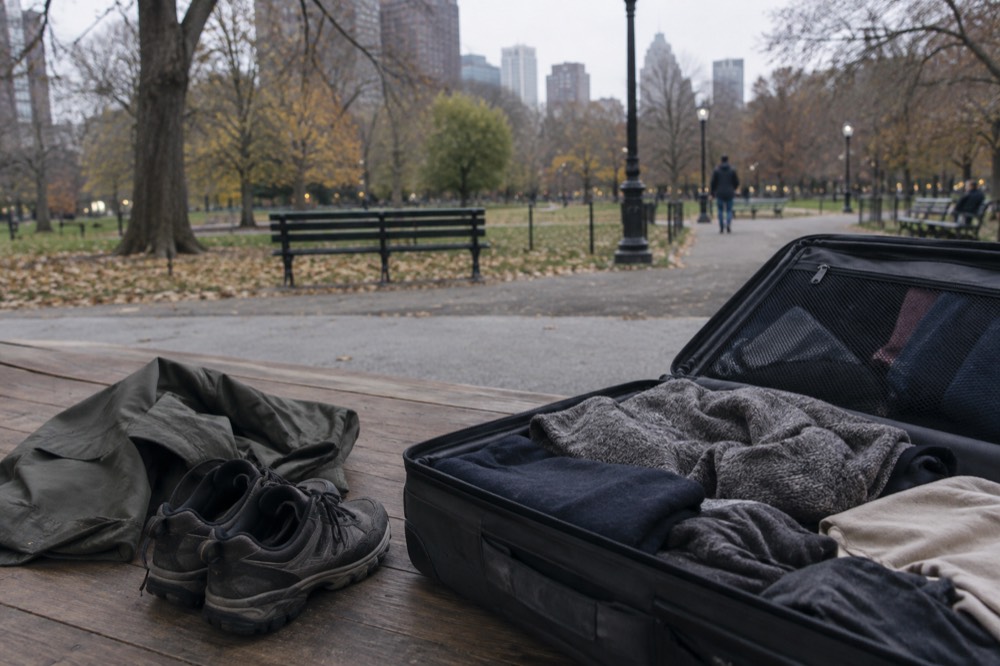
Choose luggage volume around trip length, climate, personal needs and confirmed laundry access. A manageable bag makes stairs, transit and uneven sidewalks easier. A carry-on is not sufficient for every traveler, and winter clothing does not automatically require a checked bag.
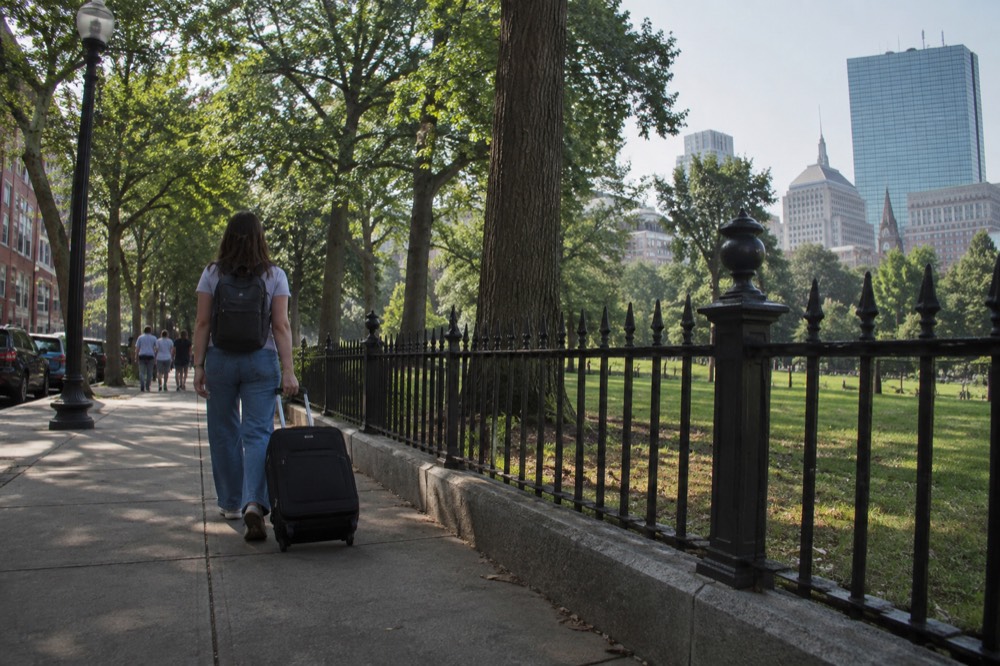
The mobility argument is the whole case. A traveler hauling a large suitcase up the Green Line at rush hour, or across the brick sidewalks of Hanover Street, is paying a real cost every day of the trip. Luggage handling depends on the exact hotel, station access and walking surfaces, a trade-off examined in where to stay in Boston. Compare your actual clothing and equipment needs with confirmed laundry access before deciding on luggage volume.
Digital admission can reduce paper handling, but a city pass is not a meaningful way to reduce luggage weight. Buy one only if its attraction menu, dates and price suit the actual itinerary. CityPASS offers any four of seven participating attractions; compare separate admission and free eligibility using the city-pass guide.
Check a storage location’s exact address, opening hours, item rules and complete quote before leaving bags between checkout and departure. This opens a Boston location search, not a guaranteed airport locker or twenty-four-hour service. Confirm that collection fits your train or flight. Find Boston bag storage
Common Questions About Packing For Boston
what to wear in boston
Pack layers, suitable walking shoes and rain protection based on your dates and forecast. Monthly climate averages describe long-term conditions, including liquid-equivalent snow, rather than equal rain every month.
Do I need snow boots in Boston?
Waterproof boots with grip can help during snow, slush and ice, especially in winter. Check the actual forecast and your plans; snow is not guaranteed every day from December through March.
Is Boston too cold to visit in winter?
Winter visits can work with suitable clothing and indoor alternatives. Storms may disrupt walking and transit. Prices and crowds depend on the dates, so do not assume every winter stay is cheaper.
What should I wear to a Red Sox game at Fenway Park?
Day games in summer need sunscreen, a hat and breathable clothes. Evening games cool off fast, so add a layer. Check the ballpark's bag policy before going, and note that some Fenway Park tour options permit no bags at all, so pack light for the ballpark.
Should I pack an umbrella or a rain jacket for Boston?
A hooded shell helps in wind; an umbrella can be useful when conditions allow. Choose for the actual forecast rather than assuming either handles severe weather.
Do I need a car in Boston?
No, if the trip stays in the city. The MBTA covers the visitor core, a subway ride is $2.40, and the Silver Line SL1 is free from the airport terminals toward South Station. Parking is expensive, so a carry-on bag and a contactless payment card cover most visitors better than a vehicle does.
Plan For The Bag And Phone You Will Carry
These options do not match your choice. Adjust the selection or reset to explore the starting recommendation.
Boston Luggage Storage
Compare Boston city storage locations. Check the exact address, opening hours and collection time before booking; this is not an airport locker service.
A starting option to explore. Choose dates, travelers and the exact booking option with the provider; availability and eligibility are confirmed there.
Find Boston bag storage