Boston Symphony Hall
Boston Symphony Hall has been called one of the finest concert halls in the world for well over a century, a reputation built on a room rather than a performer. The building on Massachusetts Avenue was designed by the firm McKim, Mead and White with the acoustician Wallace Clement Sabine as scientific adviser, an early instance of a performance space engineered around measured sound behavior rather than inherited convention. Today it is the home of the Boston Symphony Orchestra, one of the country's oldest orchestras, and the winter home of the Boston Pops, the orchestra's lighter, pops-format ensemble.
Short answer
Boston Symphony Hall is the concert hall on Massachusetts Avenue that was the first major auditorium in the world designed using the science of acoustics, and it remains the Boston home of the Boston Symphony Orchestra and the venue where the Boston Pops performs its celebrated holiday and late-spring seasons.
Boston Symphony Hall has been called one of the finest concert halls in the world for well over a century, a reputation built on a room rather than a performer. The building on Massachusetts Avenue was designed by the firm McKim, Mead and White with the acoustician Wallace Clement Sabine as scientific adviser, an early instance of a performance space engineered around measured sound behavior rather than inherited convention. Today it is the home of the Boston Symphony Orchestra, one of the country's oldest orchestras, and the winter home of the Boston Pops, the orchestra's lighter, pops-format ensemble.
Planning some Back Bay time around the concert? Explore nearby View Boston admission, leaving room for dinner and the hall’s arrival time. The observation ticket is separate from Symphony Hall performance tickets and its free public building tours. Check View Boston entry times
Concert admission depends on the orchestra’s program, seating and box-office availability. This guide covers the hall, public building tours, transport and nearby daytime options, using Boston Travel Guide’s wider itinerary suggestions.
What Is Boston Symphony Hall And Why Is It Famous?
Boston Symphony Hall is the concert hall on Massachusetts Avenue that was the first major auditorium in the world designed using the science of acoustics, and it remains the Boston home of the Boston Symphony Orchestra and the venue where the Boston Pops performs its celebrated holiday and late-spring seasons. Its reputation rests on the room itself. The architects worked from Sabine's calculations, and the resulting sound, warm and clear from nearly every seat, has kept the hall on shortlists of the world's best-sounding venues for generations.
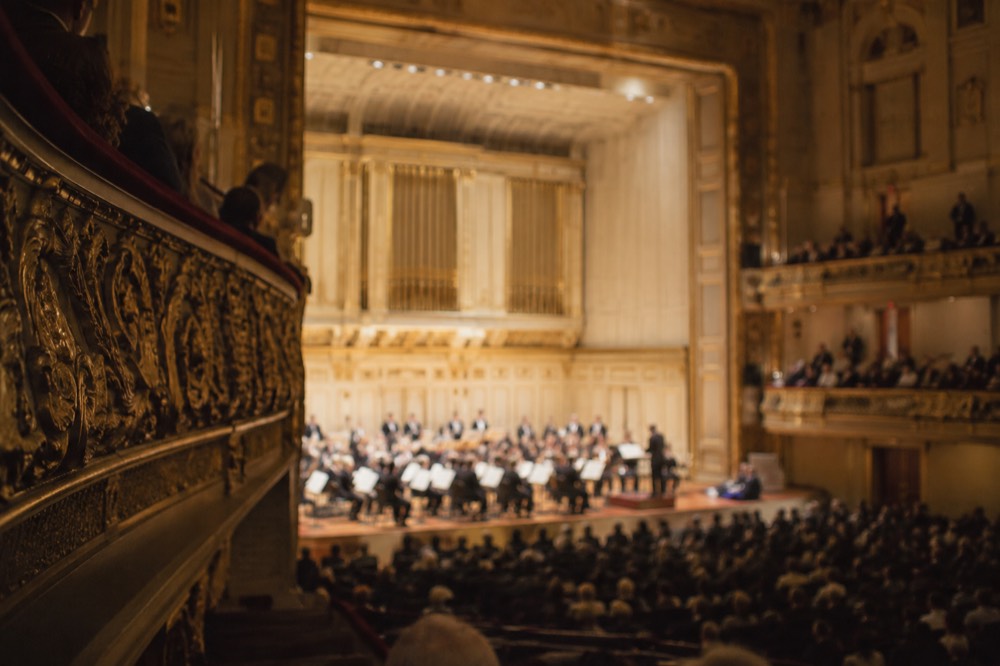
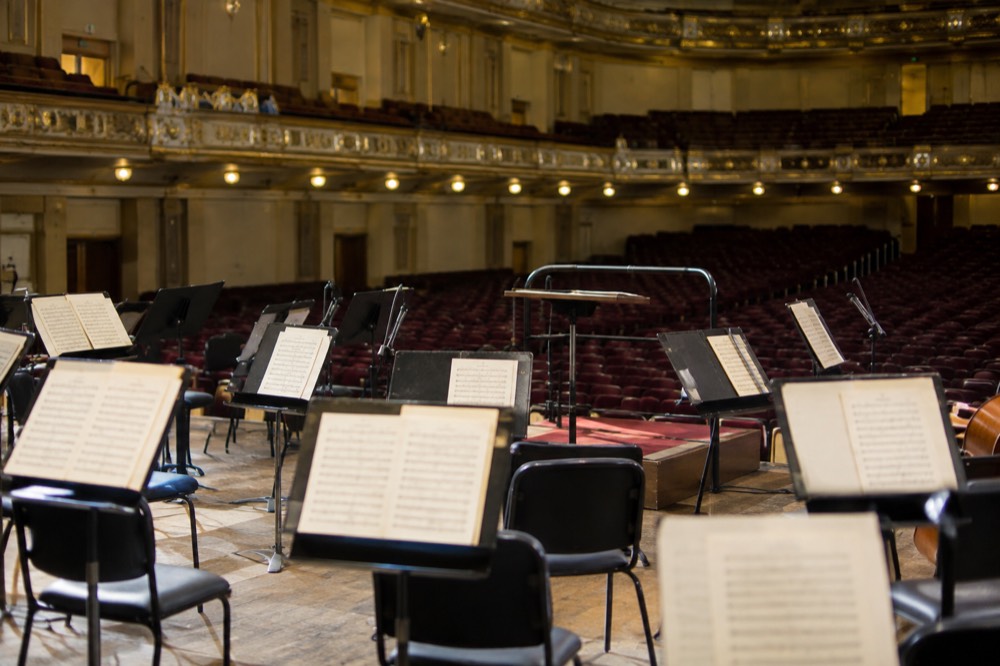
The hall replaced an earlier home the orchestra had outgrown. Major donors funded the new building, and the Boston Symphony Orchestra still owns it, which is unusual: most American orchestras rent. The auditorium is modeled loosely on the Gewandhaus in Leipzig, a boxy rectangular shoebox shape rather than the fan shapes that came later, with coffered ceilings, narrow side balconies, and a shallow stage whose walls carry replicas of Greek and Roman figures, including a bust of Beethoven.
The Boston Pops is the organization's second identity. The Pops plays lighter programs, film scores, show tunes, and the famous Fourth of July concert on the Esplanade, and it fills Symphony Hall in December with the Holiday Pops season. A visitor who cannot get a symphony ticket will sometimes find a Pops program instead, and the calendar on the orchestra's own site is the only reliable way to see which ensemble is playing on a given night.
How Do You Get To Symphony Hall With Symphony Station Closed?
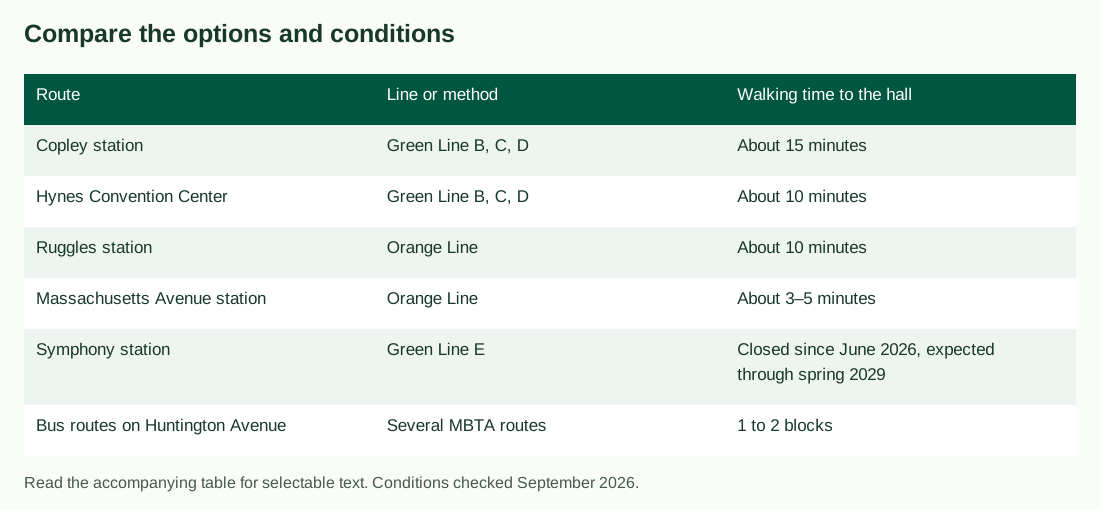
Symphony station on the Green Line E branch, the subway stop closest to the hall, has been closed since June 2026 for accessibility work with work scheduled through spring 2029, so the practical routes are the Orange Line to Ruggles or Massachusetts Avenue station, the Green Line to Hynes Convention Center, or a roughly fifteen-minute walk from Copley Square through the Back Bay. The MBTA's own service data confirms the closure, and any guide that still sends you to Symphony station is sending you to a platform you cannot board from.
The walk from Copley is a good one, west along Boylston Street and Huntington Avenue, past the Boston Public Library and the churches of Copley Square. From the Orange Line, Ruggles station serves the Northeastern University side and is about a ten-minute walk; Massachusetts Avenue station is closer, about a three-to-five-minute walk. Bus routes along Huntington Avenue and Massachusetts Avenue also stop within a block or two.
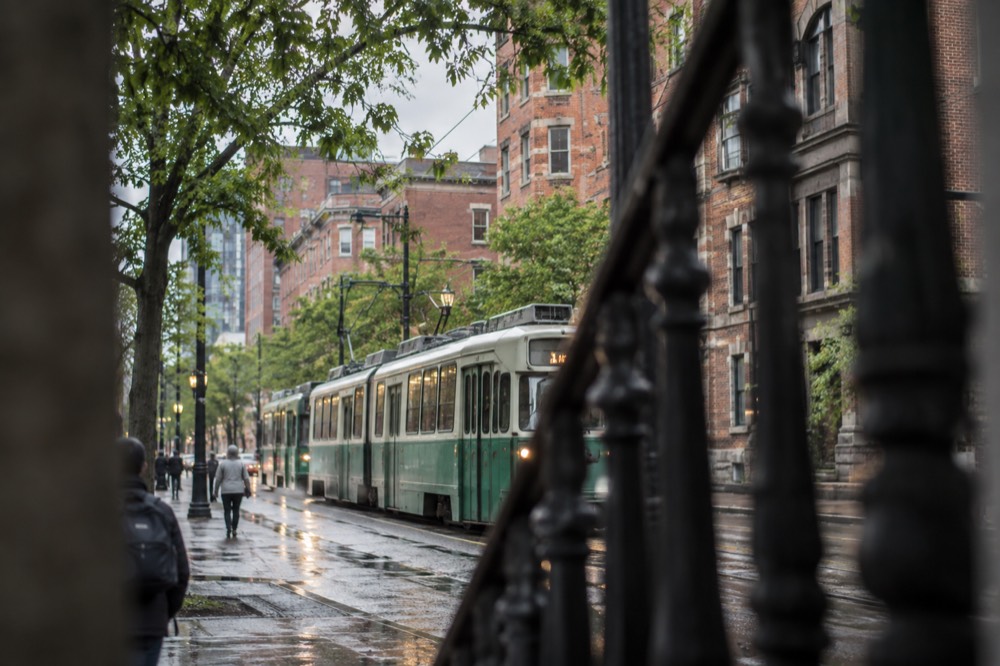
Fare rules matter here more than they used to. The MBTA's fare table shows a subway ride at $2.40, a 1-Day pass at $11.00, and a 7-Day pass at $22.50, and since September 1, 2026 the system runs an unlimited-transfer pilot: within a two-hour window, using the same payment method, you can transfer as many times as you like and pay only the highest-priced leg. A pass loaded on a CharlieCard starts at first use, while the same pass on a CharlieTicket starts at purchase, a difference worth half a day if you buy on arrival evening. The MBTA's fare page publishes the current numbers.
| Route | Line or method | Walking time to the hall |
|---|---|---|
| Copley station | Green Line B, C, D | About 15 minutes |
| Hynes Convention Center | Green Line B, C, D | About 10 minutes |
| Ruggles station | Orange Line | About 10 minutes |
| Massachusetts Avenue station | Orange Line | About 3–5 minutes |
| Symphony station | Green Line E | Closed since June 2026, expected through spring 2029 |
| Bus routes on Huntington Avenue | Several MBTA routes | 1 to 2 blocks |
Rideshare and taxi dropoffs concentrate on the Massachusetts Avenue side of the building. Parking around the hall is the usual Boston problem, expensive and scarce on performance nights, and the honest advice is the one the whole city obeys: take the T, arrive early, and eat before you arrive rather than hunting a space at 7:40pm.
What Can You Do Near Symphony Hall Before Or After A Concert?
The blocks around Symphony Hall hold the Museum of Fine Arts about 15–20 minutes west along Huntington Avenue, the Isabella Stewart Gardner Museum about 20–25 minutes away, the shops of Newbury Street ten minutes north, and the Charles River Esplanade beyond that, which makes the hall the anchor of one of the densest arts-and-walking corridors in the city. A concert here is rarely the whole evening, because the neighborhood does most of the work for you.
The Museum of Fine Arts is the nearest heavyweight. Its adult admission is $30, with youths 7 to 17 at $14 and children under 7 free, per the museum's own visit page, and eight of its Art of the Americas galleries reopened on June 19, 2026 after a five-month closure, redisplayed for the America at 250 anniversary. Anyone named Isabella gets into the Gardner Museum free, and everyone 17 and under does too, while adult admission is $25; the Gardner's admissions page is the source for all of it. The ICA in the Seaport is the third of the city's modern art trio, free on Thursday nights from 5 to 9pm for all visitors with advance tickets, which the museum's own hours page confirms.
| Attraction | Walk from Symphony Hall | Adult admission |
|---|---|---|
| Museum of Fine Arts | About 15–20 minutes | $30 |
| Isabella Stewart Gardner Museum | About 20–25 minutes | $25 |
| Newbury Street shopping | About 10 minutes | Free to browse |
| Boston Public Library, Copley | About 15 minutes | Free |
| Fenway Park | About 20 minutes | Price varies by tour format |
| Charles River Esplanade | About 15 minutes | Free |
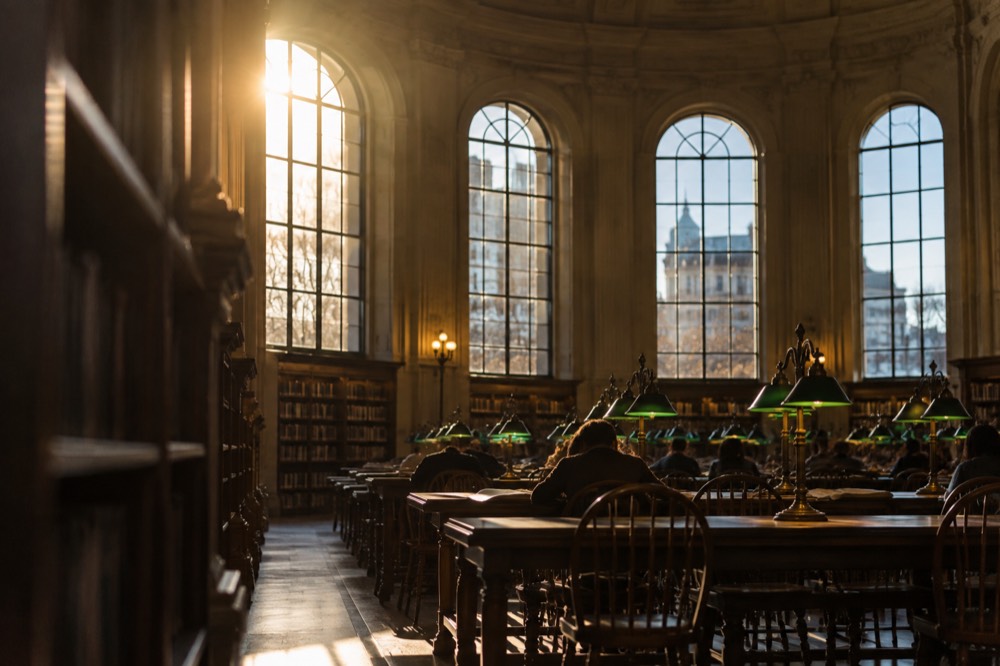
Newbury Street, ten minutes north, is the Back Bay's shopping spine, brownstone boutiques and cafes in a row that runs for eight blocks. The Boston Public Library's McKim building at Copley Square is free to enter and worth the detour for its courtyard and reading room alone. For a pre-concert walk with a view, the Charles River Esplanade runs along the water a short distance up Massachusetts Avenue, the same parkland where the Pops plays its Fourth of July concert.
The hall sits in the Fenway neighborhood, which despite the name is not the ballpark, though Fenway Park is walkable at about twenty minutes and its guided tours are a separate, bookable product. The Massachusetts State House on Beacon Street is a longer walk or a short ride, and the Boston Common and Public Garden sit beyond it, the start of the downtown sightseeing most visitors do on another day.
A concert night can pair with the View Boston observation deck at the Prudential Center, roughly a 10–15-minute walk away. Direct standard admission starts at $32 plus a $3 processing fee; the selected date and booking option determine the total. Allow an hour to 90 minutes for the attraction as well as the walk and concert check-in.
Because the deck sits atop the Prudential Center, the same trip covers the Back Bay's shopping and dining base, and an evening ticket after a matinee concert is the pairing most visitors settle on. Check the observation ticket’s cancellation deadline and concert time before booking both.
When Is The Best Time To Attend A Performance?
The Boston Symphony Orchestra's main subscription season runs from autumn through spring, the Boston Pops takes over the hall in December for Holiday Pops and again in late spring, and summer is the quietest period at Symphony Hall itself because the orchestra decamps to Tanglewood in the Berkshires for July and August. The orchestra's own calendar is the only authoritative schedule, and it changes constantly, so treat any third-party list of dates, including a summary like this one, as a shape rather than a timetable.
December is the marquee month. Holiday Pops runs a large block of family-friendly concerts through the weeks around Christmas, and availability varies by program and date. Late spring brings the Pops' regular season, and the orchestra's move to Tanglewood empties the hall for the summer. A visitor in July looking for the orchestra will find it two and a half hours west, in Lenox, not on Massachusetts Avenue.
Ticket availability and the best seat depend on the specific program and your needs. Open rehearsals, when offered, provide another way to hear the ensemble; consult the orchestra’s current calendar, seating information and ticket terms.
How Much Does A Visit To The Symphony Hall Area Cost?
A concert ticket is the only mandatory cost, and its price varies entirely by program and seat, but the surrounding corridor can be done cheaply: the Boston Public Library is free, the MFA's $5 Third Thursdays pay-what-you-wish evenings admit anyone on every third Thursday of the month, the ICA is free Thursday nights, and a subway day pass for unlimited rides costs $11.00. The math rewards a planner who stacks one paid attraction with the free ones.
The museum deals deserve their fine print, because Boston's "free admission" headlines are mostly residency benefits. The MFA's free Open House days require a valid Massachusetts zip code. Card to Culture discounts need a Massachusetts EBT, ConnectorCare or WIC card. The Aquarium's $5 discount covers residents of six New England states. Eligibility differs by benefit; visitors from other New England states can qualify for the Aquarium’s regional discount. What does help everyone: the MFA's $5 Third Thursdays, pay-what-you-wish with a $5 minimum, in person on the day, after 5pm, and the ICA's free Thursday nights, which the museum's own hours page confirms.
| Item | Cost | Who it applies to |
|---|---|---|
| Symphony Hall concert ticket | Varies by program and seat, on the orchestra's own calendar | Everyone |
| MFA admission | $30 adult, $14 youth 7-17 | Everyone |
| MFA $5 Third Thursdays | $5 minimum, pay-what-you-wish, third Thursday evenings | Anyone, in person, day of |
| Gardner Museum | $25 adult, free 17 and under | Everyone |
| ICA Thursday nights | Free, 5-9pm, advance ticket | All visitors |
| MBTA 1-Day pass | $11.00 | Everyone |
| MBTA 7-Day pass | $22.50 | Everyone |
Dinner is the other variable. The blocks immediately around the hall lean on the Fenway and Kenmore restaurant strip along Boylston Street, a ten-minute walk north, and the South End's restaurant rows lie a short ride or a brisk twenty-minute walk southeast. Boston tipping follows US norms, and a pre-concert reservation anywhere within a quarter mile of the hall on a performance night is worth making rather than hoping.
Check Explorer Pass if your trip includes both MFA and Gardner plus other paid sights. Compare free Thursday-evening options and eligible discounts first. The pass does not cover Symphony Hall concerts, and a museum day must fit each venue’s hours. Compare Explorer Pass choices and inclusions
Can You Visit Symphony Hall Without Attending A Concert?
Symphony Hall offers free public building tours on selected dates, resuming in fall 2026. Tours last about 60–90 minutes and visit public spaces plus selected behind-the-scenes areas when available. Check the BSO tour calendar; this is not unrestricted drop-in access.
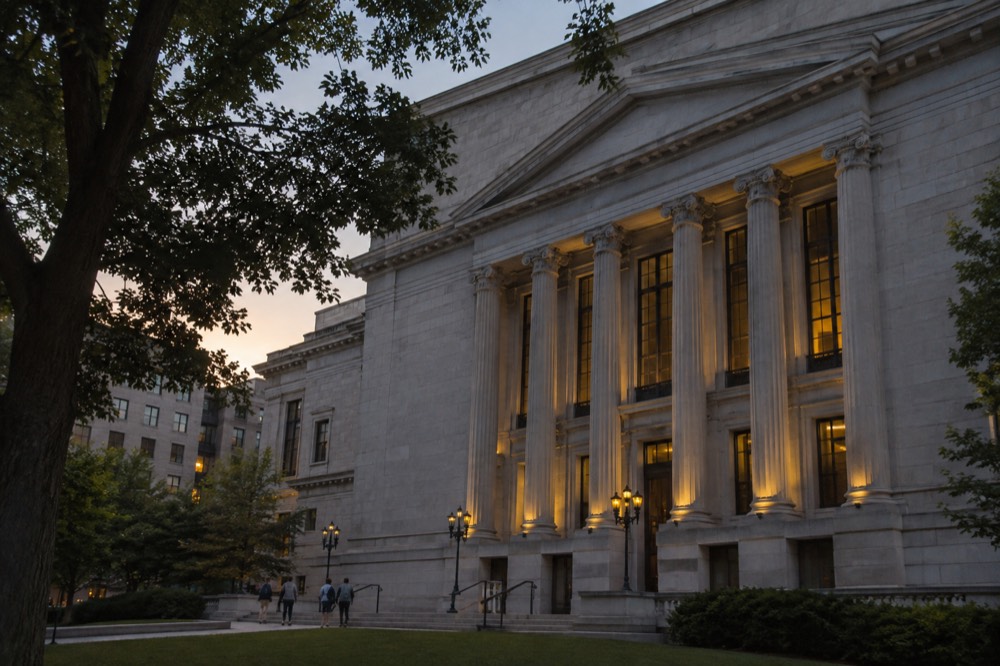
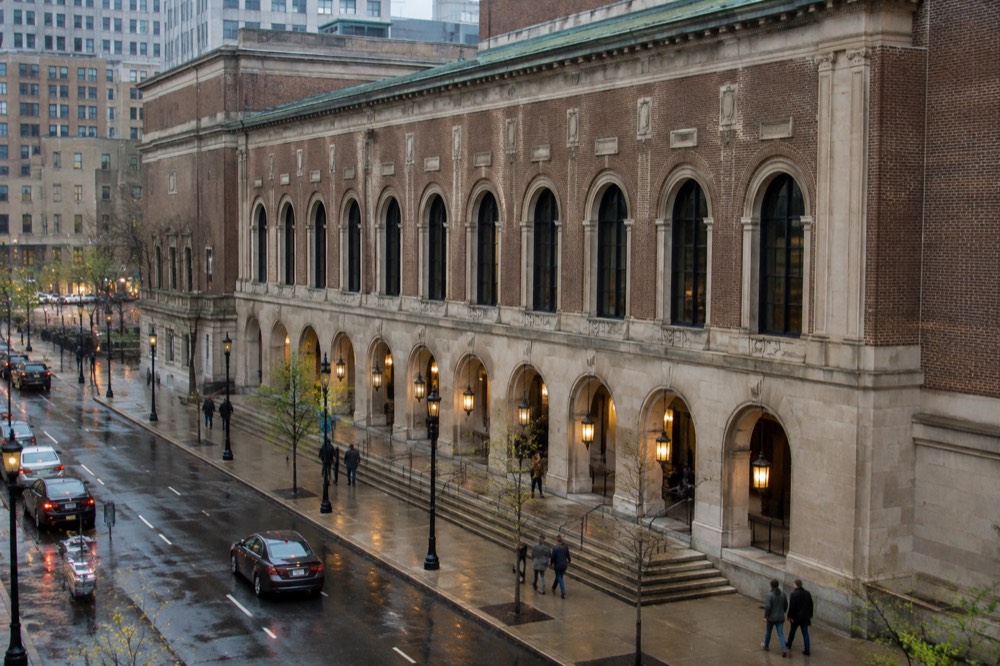
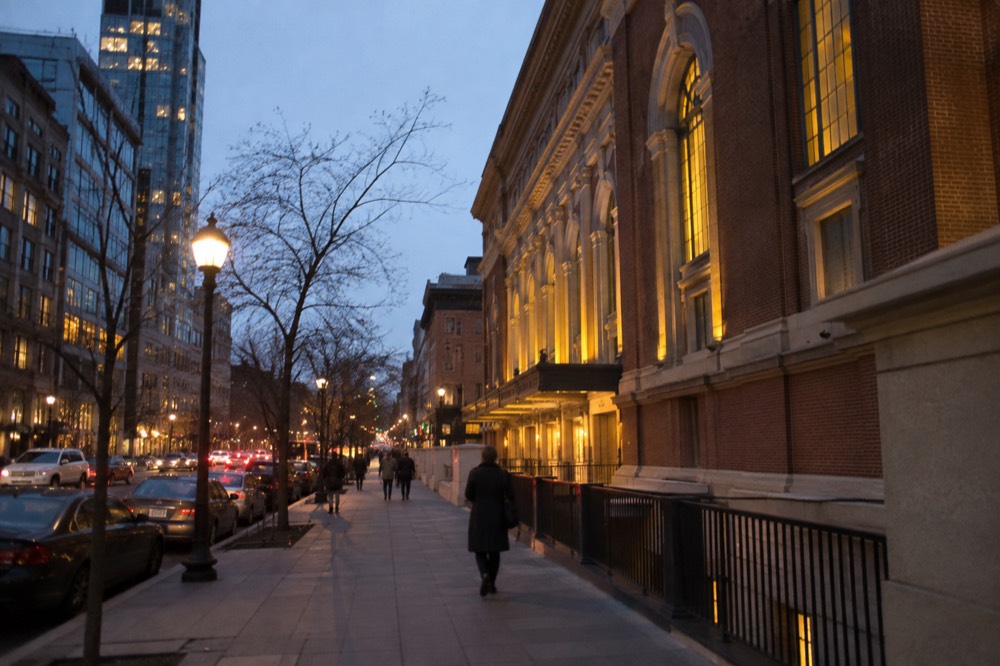
The exterior rewards a look even on a closed night. The hall's restrained buff-brick and limestone facade, with its arcaded loggia facing Massachusetts Avenue, sits on a corner that photographs well in late-afternoon light, and the forecourt bustle on a performance evening, ushers, ticket-holders, students from the neighboring Berklee and Northeastern communities, is part of the atmosphere. The building is a National Historic Landmark, designated for exactly the acoustic significance described above.
For a public tour, the meeting point is the Box Office Lobby on Massachusetts Avenue. Doors open 10–15 minutes beforehand and late arrivals cannot join. Reservations are recommended; groups of ten or more need a private group arrangement. Concert ticketholders may also have access to a reserved 30-minute Saturday pre-concert tour.
How Does Symphony Hall Fit Into A Boston Itinerary?
Symphony Hall works best as the evening anchor of a Fenway and Back Bay day: museums and Newbury Street through the afternoon, dinner in the Fenway strip, then a concert, with the Freedom Trail, Faneuil Hall and the harbor-side downtown saved for a separate day because they sit a mile and a half east. The geography does the sorting for you.
To stay within easy reach of the hall and the museums, book a Boston hotel here.
A one-day pattern looks like this: morning at the Museum of Fine Arts or the Gardner, lunch in the Fenway, an afternoon hour at the Boston Public Library or browsing Newbury Street, dinner near the hall, then the performance. Visitors with more time can walk the whole corridor south from the Charles River Esplanade through Back Bay to the hall, a route that passes most of the neighborhood's best blocks in under an hour of easy walking.
For the downtown half of the trip, the classics are a subway ride away. The Freedom Trail's two and a half mile red line starts at the Boston Common, and Faneuil Hall and Quincy Market sit at its midpoint. Old North and Paul Revere House are in the North End; the Tea Party Ships are a separate attraction at Fort Point Channel. A small-group walking tour is the efficient way to take that history in, and the Freedom Trail History Small Group Walking Tour, from $39 and rated 4.9 across 7,835 reviews on its listing, covers the route in two and a half hours.
Further reading: Freedom Trail.
Families weighing the stop should know the hall is a sit-still venue, and the Pops' holiday and family programs are the formats built for children, with shorter sets and lighter material. For a kid-friendly daytime pairing, the Museum of Science across town and the Franklin Park Zoo are the reliable anchors, and the duck-boat amphibious tour, which splashes into the Charles from Museum of Science territory, remains the city's most family-proof sightseeing product, listed from $62 with a 4.6 rating across 10,003 reviews.
Check the Prudential-departure Duck Tour if it fits before your concert. Allow 80 minutes plus check-in and the walk to the hall; it is a seasonal road-and-Charles-River loop, not concert transport. Check Duck Tour dates
Common Questions About Boston Symphony Hall
What is Boston Symphony Hall?
It is a concert hall on Massachusetts Avenue in the Fenway neighborhood, designed by McKim, Mead and White with acoustician Wallace Clement Sabine. It is the home of the Boston Symphony Orchestra and the main venue of the Boston Pops, and it is regarded as one of the finest-sounding concert halls in the world.
How do I get to Boston Symphony Hall?
Take the Orange Line to Ruggles or Massachusetts Avenue station, or the Green Line to Hynes Convention Center or Copley, and walk about ten to fifteen minutes. Symphony station, the closest stop, has been closed since June 2026 for accessibility work with work scheduled through spring 2029, so any route that ends there is currently wrong.
Can you tour Boston Symphony Hall without a ticket?
The BSO offers free public building tours on selected dates, resuming in fall 2026. Consult its tour calendar and arrive before the start; reservations are recommended.
Is Boston Symphony Hall the same as Tanglewood?
No. Symphony Hall is the orchestra's Boston home; Tanglewood is its summer estate in Lenox, Massachusetts, in the Berkshires, where the ensemble performs from roughly July through August. In summer the Boston hall is largely dark.
What is near Boston Symphony Hall?
The Museum of Fine Arts is about 15–20 minutes away, and the Isabella Stewart Gardner Museum about 20–25 minutes away, Newbury Street is about ten minutes north, and the Boston Public Library at Copley Square is about fifteen minutes on foot. Fenway Park is a twenty-minute walk.
When do the Boston Pops play at Symphony Hall?
The Pops appears mainly in December for the Holiday Pops season and again in late spring, with the Fourth of July concert played outdoors on the Charles River Esplanade rather than in the hall. The orchestra's own calendar is the authoritative schedule.
Plan The Day Around Your Symphony Hall Visit
These options do not match your choice. Adjust the selection or reset to explore the starting recommendation.
Compare Your Arts And Concert Day Totals
Reader-entered estimates in USD, not live quotes. Use the same dates and travelers for both options. Include all relevant tickets, rooms, taxes, mandatory fees and transport for the entire trip once in each total. Do not add a transfer twice if your rate already includes it.
View Boston Observation Deck
Timed entry to the observation decks at Prudential Tower. Choose the visit date and entry time with the provider; food and drinks are not included.
A starting option to explore. Choose dates, travelers and the exact booking option with the provider; availability and eligibility are confirmed there.
Check View Boston entry times