Arnold Arboretum: A Complete Visitor Guide To Boston's Oldest Public Arboretum
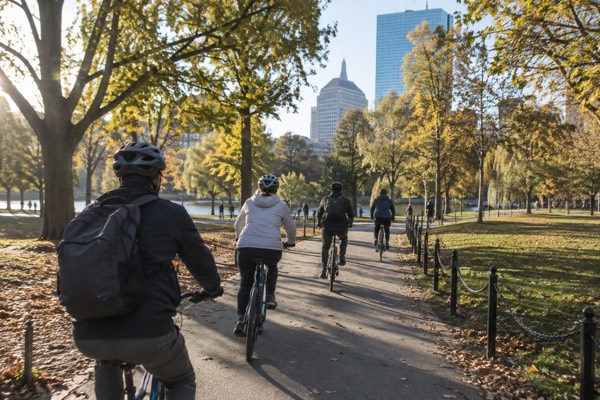
The Arnold Arboretum sits in the Jamaica Plain corner of Boston, a living collection of trees and shrubs managed by Harvard University on public parkland, free to enter and open every day of the year. It is one of the few major Boston attractions that costs nothing, asks nothing, and changes completely with the seasons. The Boston Travel Guide desk treats it as the city's best slow afternoon: a place where the itinerary pressure of downtown, the Freedom Trail crowds and the harbor ticket lines all fall away, and the visit becomes a walk.
Short answer
The Arnold Arboretum is a research collection of trees and shrubs run by Harvard University, occupying a designed landscape in Boston's Jamaica Plain that is free to enter, open every day of the year, and managed as a public park under a long lease with the City of Boston.
The Arnold Arboretum sits in the Jamaica Plain corner of Boston, a living collection of trees and shrubs managed by Harvard University on public parkland, free to enter and open every day of the year. It is one of the few major Boston attractions that costs nothing, asks nothing, and changes completely with the seasons. The Boston Travel Guide desk treats it as the city's best slow afternoon: a place where the itinerary pressure of downtown, the Freedom Trail crowds and the harbor ticket lines all fall away, and the visit becomes a walk.
The Arboretum itself needs no paid admission. If your family is pairing it with Franklin Park Zoo, explore zoo entry for the separate visit; allow time for the journey between them rather than treating the sites as one entrance. Check Franklin Park Zoo admission
What follows is the practical version: how to get there on the MBTA, what the landscape holds, when to go, and how to fold it into a Boston trip that also covers the Freedom Trail walking route, the waterfront, and the observation deck at the Prudential Center.
What Is The Arnold Arboretum?
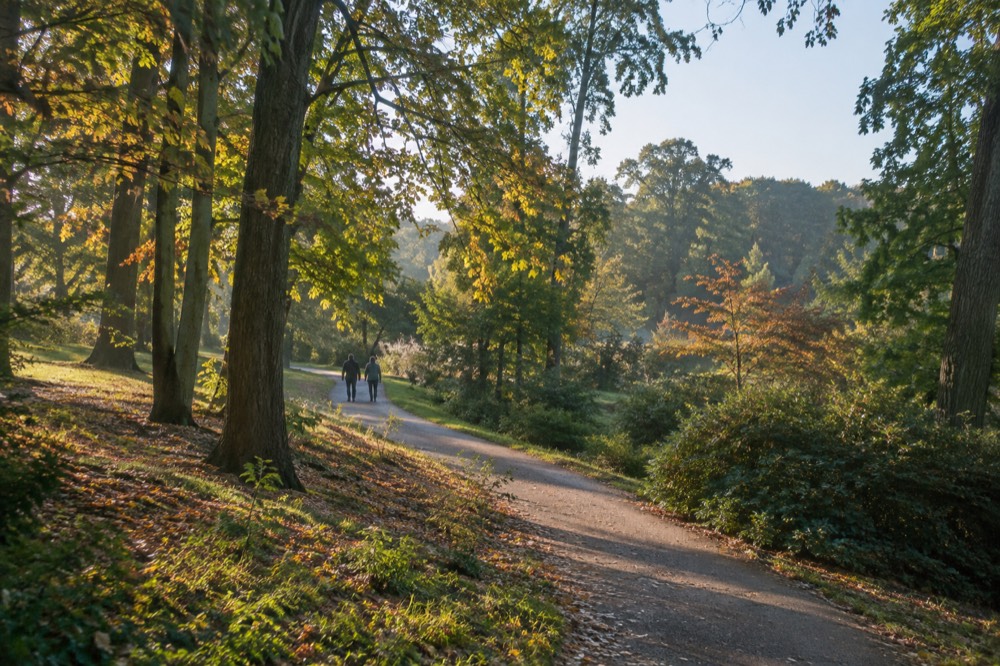
The Arnold Arboretum is a research collection of trees and shrubs run by Harvard University, occupying a designed landscape in Boston's Jamaica Plain that is free to enter, open every day of the year, and managed as a public park under a long lease with the City of Boston. It is not a botanical garden behind a gate and it is not a park with a fence and a fee booth. It is a working scientific institution whose grounds double as free public space, which is an unusual arrangement and the reason a visitor can walk in at dawn without a ticket.
Harvard's field stations and herbaria use the collections for research, and the landscape itself dates to the nineteenth century, when the designer Frederick Law Olmsted folded the Arboretum into Boston's park system as part of his larger plan for the city's green spaces. The result is a landscape that reads like a park and functions like a library of woody plants: paths, hills, meadows, and collection after collection arranged so the plants can be studied and enjoyed by anyone who shows up.
The scale matters for planning. This is a big landscape, bigger than it looks on a map, and visitors who treat it like a small garden end up cutting their loop short. Comfortable shoes, water, and a willingness to walk are the entire equipment list. There is no timed entry, no capacity limit on an ordinary day, and no seasonal closure, which distinguishes it from nearly everything else in Boston, where the Swan Boats close for winter and the Harbor Islands ferry stops running in October.
How Do You Get To The Arnold Arboretum?
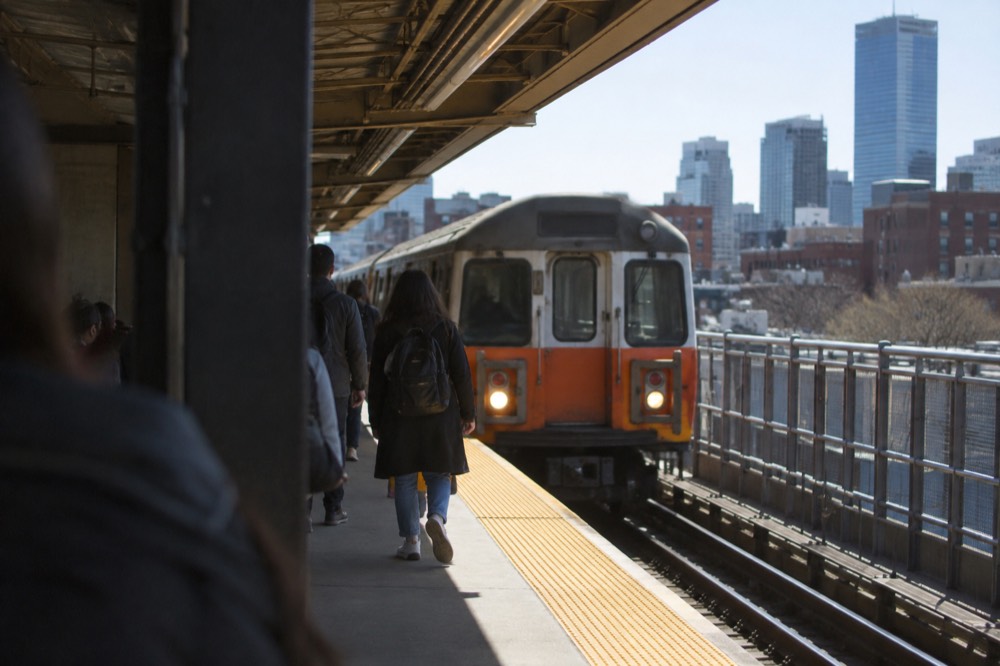
The Orange Line to Forest Hills serves the Arboretum’s eastern side, with a walk to nearby gates. The main Hunnewell Visitor Center at 125 Arborway is a different destination; map the entrance that suits your route. A subway ride costs $2.40, or is covered by an applicable transit pass. Downtown Orange Line stations including North Station, Haymarket and Downtown Crossing provide direct service to Forest Hills.
The bus option also exists, and the fare table prices a local bus ride at $1.70. Since the fare rules changed on 1 September 2026, riders can make unlimited transfers between subway, bus and ferry within a two-hour window and pay only the cost of the highest-priced leg, using the same payment method, so combining a bus and a subway leg to reach Jamaica Plain no longer stacks two full fares. The MBTA publishes the details at its fares page.
| Option | Cost | Notes |
|---|---|---|
| Orange Line to Forest Hills | $2.40 one way | Walk to an eastern gate; map the visitor center separately |
| Local bus | $1.70 one way | Choose the route and stop for your entrance |
| 1-Day pass | $11.00 | CharlieTicket starts at purchase; CharlieCard at first use |
| 7-Day pass | $22.50 | Same activation distinction |
| Eligible transfers | Highest leg only | Two-hour window, same payment method |
One pass detail from the MBTA's own fare pages deserves a flag: a 1-Day or 7-Day pass loaded on a CharlieTicket is valid from the date and time of purchase, while the same pass on a CharlieCard starts at first use. For a visitor who buys a pass on arrival evening and starts sightseeing the next morning, that difference is most of a day. Contactless Tap to Ride with a card or phone also works on bus and subway.
Cyclists can approach from the city’s connected streets and paths, following the Arboretum’s riding rules inside. Drivers should consult current signed restrictions and the visitor directions for their entrance. The Charles River Esplanade is a separate outing across the city, not an adjoining path.
When Is The Best Time To Visit The Arnold Arboretum?
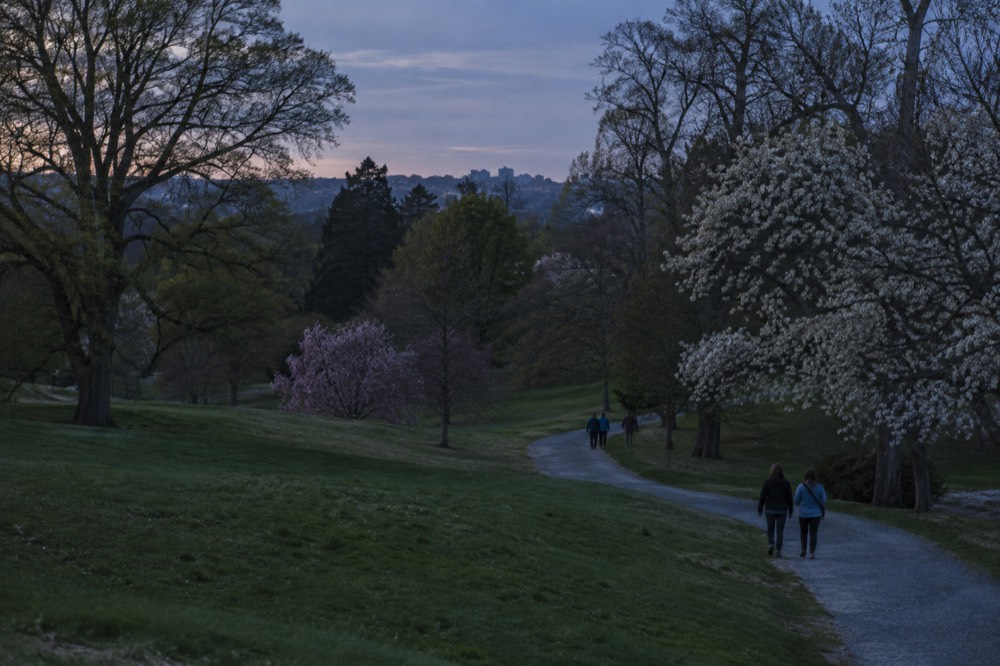
Lilac season in May is the Arboretum's famous moment, drawing the biggest crowds of the year, but every month works: spring for flowering collections, summer for deep shade, fall for foliage color, and winter for bare-tree silhouettes and near-empty paths. There is no bad month to walk the grounds, only different reasons to go. The lilac collection is the headline act and the one thing visitors plan trips around, and it peaks in a window that shifts with the weather rather than arriving on a fixed date.
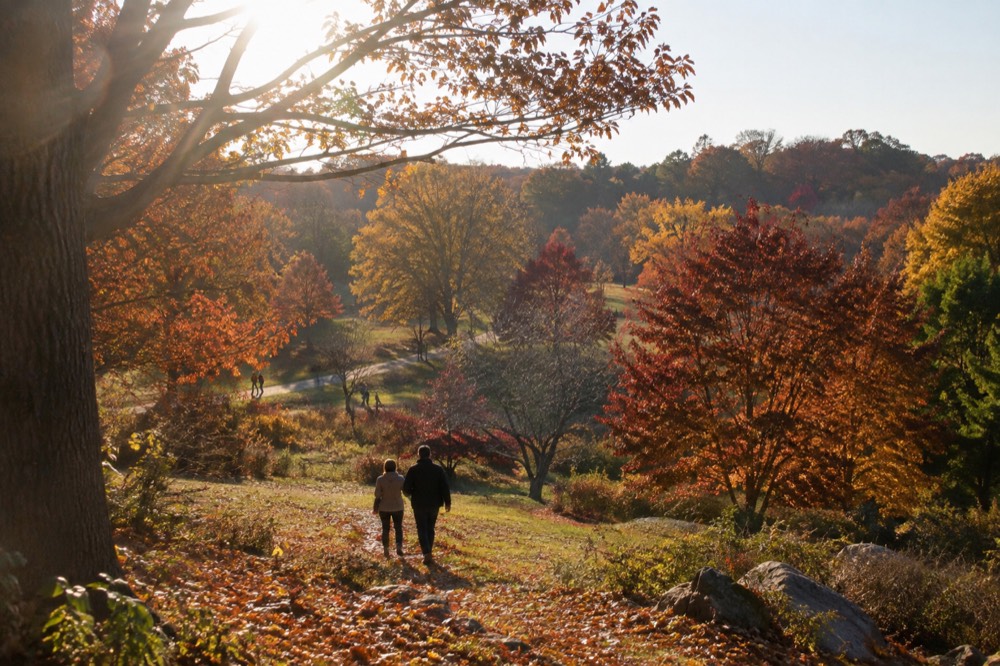
Fall is the underrated season. Boston's autumn color is genuinely strong, and the Arboretum's maple and other collections turn it into a curated foliage show inside the city limits, on a weather-dependent timetable that may differ from northern mountain foliage. A visitor who cannot spare twelve hours for a foliage bus trip can get a serious dose of it here for the cost of a subway ride.
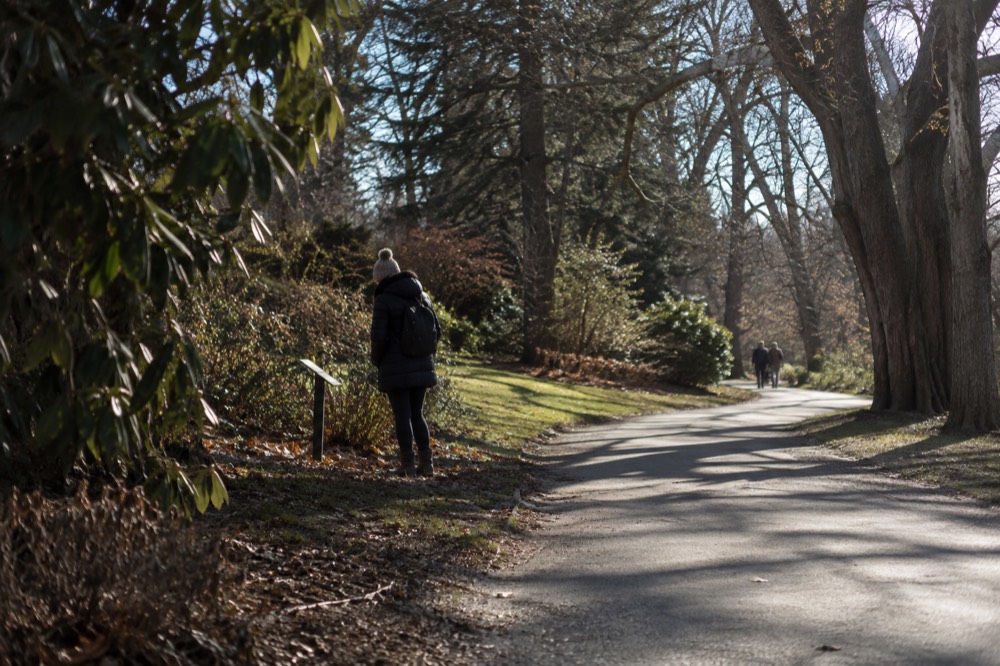
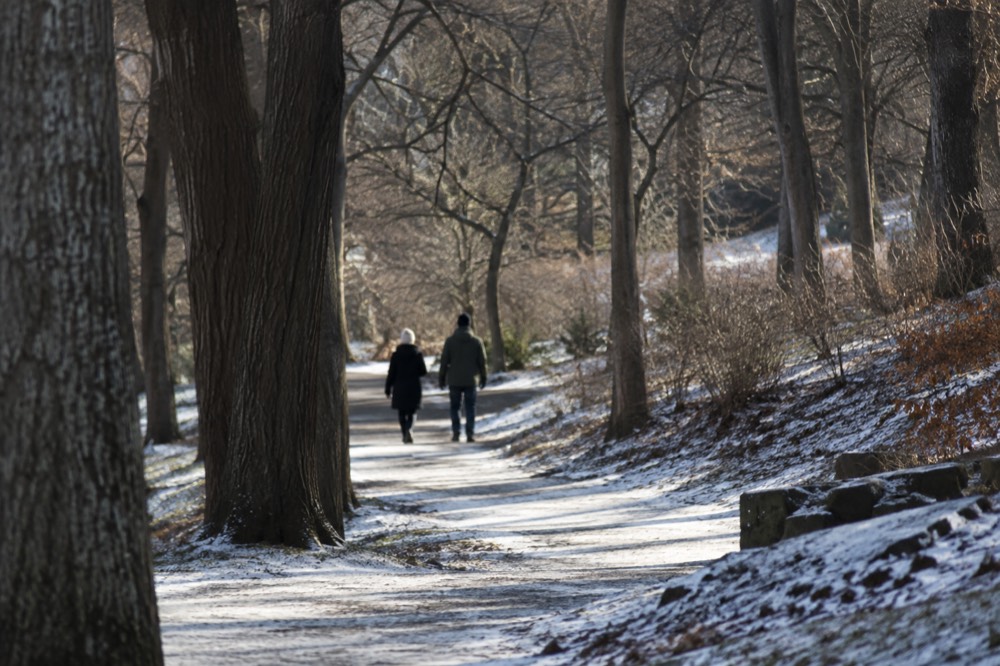
Winter is the season most guides skip, and it should not be. The landscape is open daily from sunrise to sunset, with conditions and closures to check after snow, and the trees themselves are the attraction once the leaves drop: shape, bark, and structure. Boston's snow is heavily concentrated, with NOAA's 1991-2020 climate normals showing an annual average of 49.2 inches, of which 28.7 inches falls in January and February alone. After a snowfall the paths are transformed, and the quiet is total compared with downtown.
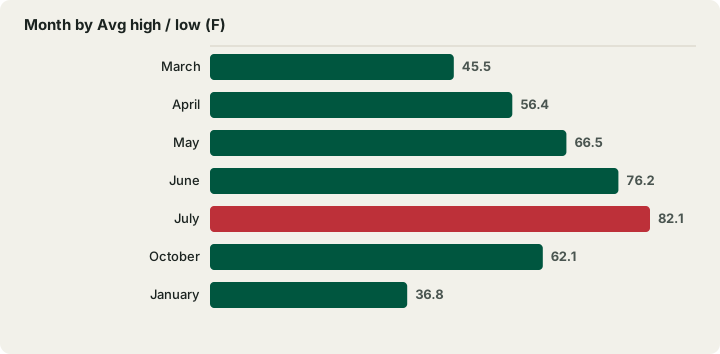
| Month | Avg high / low (F) | What the Arboretum offers |
|---|---|---|
| March | 45.5 / 31.1 | Early bloomers, muddy paths |
| April | 56.4 / 40.8 | Spring flowering begins |
| May | 66.5 / 50.3 | Lilac season, peak crowds |
| June | 76.2 / 59.7 | Full leaf, deep shade |
| July | 82.1 / 66.0 | Shaded walks, the warmest month |
| October | 62.1 / 47.5 | Fall foliage color |
| January | 36.8 / 23.1 | Snow, bare silhouettes, solitude |
The temperature figures above come from NOAA's climate normals recorded at the Boston Logan Airport station, published through the National Weather Service Boston office. One caveat worth knowing: that official station sits on a peninsula in the harbor, so it reads slightly cool and maritime compared with inland neighborhoods like Jamaica Plain on a sea-breeze day.
Rain, wind, lightning, ice and path conditions matter on an outdoor tree walk. Similar monthly precipitation totals do not remove the need for a forecast. A wet-day alternative might be the MFA or Museum of Science, each with separate admission and travel requirements.
How Much Time Should You Spend At The Arnold Arboretum?
Two to three hours allows a substantial loop, but a shorter focused visit can still be worthwhile. Choose the collection and route for your interests and mobility rather than treating every visit under an hour as inadequate.
The honest comparison is with Boston's other big walks. The Freedom Trail is 2.5 miles of red line through downtown, and the Freedom Trail Foundation's own visit page describes sixteen historic sites spanning more than 250 years of history. The Arboretum asks a similar commitment in time but gives the opposite reward: instead of dense history, it gives space, height, and green. A visitor doing both in one day is doing a lot of walking, and should plan footwear accordingly.
For a first Boston trip, the practical pairing is a morning downtown and an afternoon here, or the reverse. The Orange Line makes the trip simple from either direction. Visitors working from a one-day Boston plan usually have to make a hard call, because the Arboretum competes for time against the New England Aquarium, Fenway Park, and the North End, and it loses to those on a first visit. It wins on a second visit, or for travelers who have seen the core sights already.
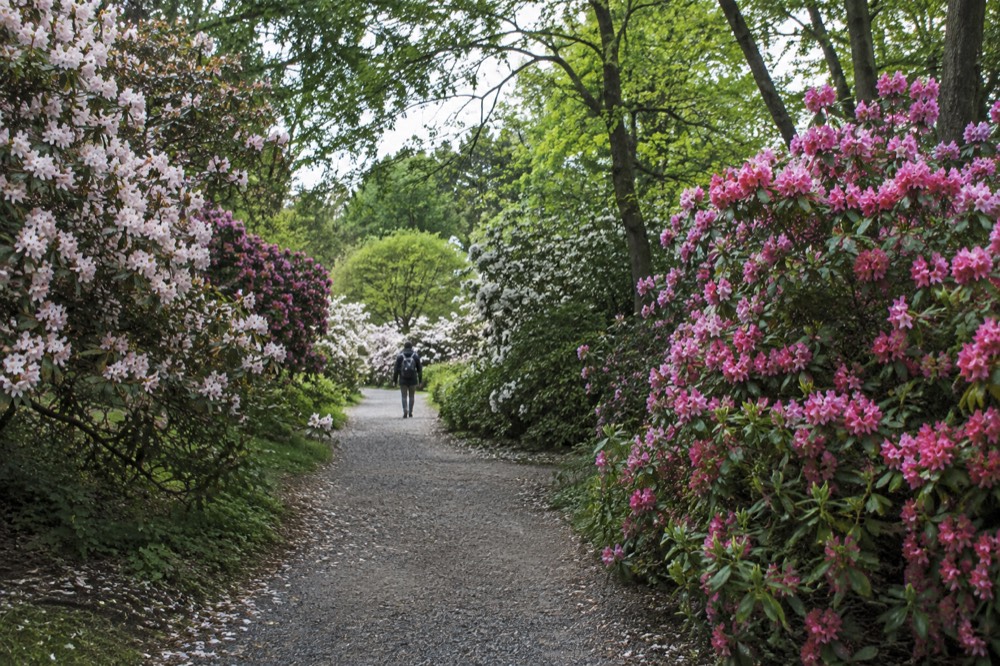
Main carriage roads and steeper or unpaved paths offer different walking conditions. The Arboretum provides self-guided family activities, so a paid attraction is not necessary to give children structure. Franklin Park Zoo is a separate optional visit, requiring its own admission and journey.
Would a separate animal-focused visit suit your family’s day? Explore Franklin Park Zoo admission and allow the journey between sites. The Arboretum’s own grounds and family activities remain free; zoo special events may cost extra. Check Franklin Park Zoo admission
What Should You Actually Look At Inside The Arboretum?
The lilac collection in May, the maple collections in October, the conifer collection in winter, and the main hill paths at any time of year are the four things a first-time visitor should aim for, in whatever order the season dictates. The Arboretum is organized as a landscape of collections rather than as a set of attractions with names on a marquee, so the way to visit it is to pick the collection that matches the month and walk toward it.
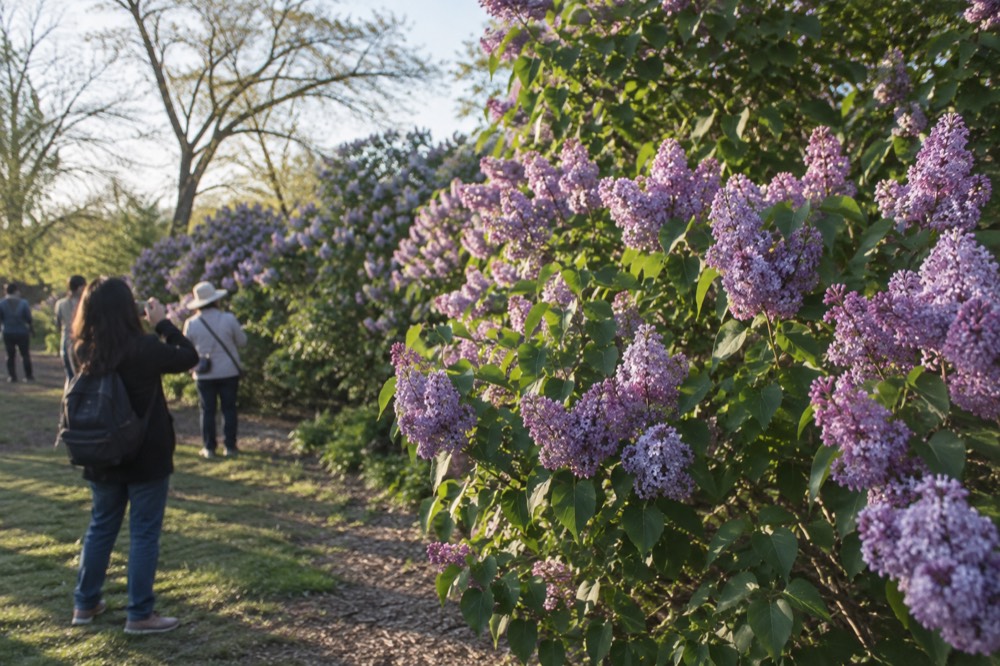
The lilac collection is the one with a popular following. In a normal May it draws weekend crowds that change the character of the grounds completely, from quiet walking landscape to social event. Visitors who want the blooms without the crowd should go on a weekday morning. The Arboretum's own seasonal pages are the right place to check bloom status before traveling specifically for the flowers, because peak lilac timing shifts by weeks between a cold spring and a warm one.
The tree collections are labeled, and the labels are part of the point. This is a scientific collection, and reading them turns a pretty walk into something more interesting: where a species comes from, how old a specimen is, what family it belongs to. Visitors who ignore the labels still have a fine walk. Visitors who read even a few of them start to see the landscape as a deliberate arrangement rather than an accident of park planning.
Photographers get a lot out of the hills. The high ground inside the grounds gives long sightlines over the collections, and the light in early morning and late afternoon does more for the landscape than a midday visit. For a broader Boston photography plan, the Arboretum pairs naturally with the Boston Public Library courtyard and the harbor views from the Institute of Contemporary Art, three very different subjects in one day.
Is The Arnold Arboretum Really Free?
Yes, admission to the Arboretum grounds is free, with no ticket, no reservation and no suggested donation at the gate, which makes it one of the few major Boston attractions that costs nothing for any visitor regardless of where they live. This needs saying carefully, because Boston is full of "free" museum headlines that turn out to be residency benefits, and a visitor burned once by that tends to distrust every free claim. The Arboretum is the real thing: a public landscape, open access, no means test.
The contrast with the museums is worth a table, because the distinction trips up out-of-state visitors constantly. Boston's museum discounts are overwhelmingly residency programs: the MFA's open house days require a valid Massachusetts zip code, the New England Aquarium's discount covers residents of six New England states, and Card to Culture requires a Massachusetts EBT, ConnectorCare or WIC card. The tourist-accessible free options are narrow and specific.
| Boston free or discounted admission | Who it is actually for |
|---|---|
| Arnold Arboretum grounds | Everyone, no conditions |
| MFA $5 Third Thursdays | Anyone, pay-what-you-wish with $5 minimum, third Thursday evenings |
| ICA Thursday nights, 5 to 9 pm | All visitors, advance tickets required |
| Gardner Museum | Visitors 17 and under, anyone named Isabella, and all visitors Thursday 5–9pm with advance tickets recommended |
| MFA Open House days | Massachusetts residents only, valid zip code required |
| Aquarium discount | Residents of six New England states |
| Card to Culture | Massachusetts EBT, ConnectorCare or WIC cardholders |
Two warnings for the budget planner. First, "Free Fun Fridays" no longer exists; Highland Street replaced it with August Adventures, and guides still recommending the old program are out of date. Second, on the Freedom Trail, only 4 of the 16 sites charge admission at all, so the historic downtown is cheaper than most visitors expect, and the free sights there stack nicely with a free Arboretum afternoon for a genuinely low-cost Boston day.
How Does The Arboretum Fit Into A Boston Itinerary?
The best fit is a half-day block paired with another Jamaica Plain or Roxbury stop, or an afternoon counterweight to a heavy downtown morning, and it slots most naturally into day two or three of a Boston trip rather than day one. First-time visitors should see the core downtown sights first: the Freedom Trail, Faneuil Hall and the Quincy Market area, the North End, the harbor. The Arboretum rewards the visitor who has already done that and now wants the other Boston.
The classic pairing is the Arboretum plus Franklin Park Zoo for families, or the Arboretum plus a Jamaica Plain lunch for everyone else. On a three-day trip it has a comfortable half-day slot on day two or three, and a four- or five-day plan can give it a whole unhurried morning. Travelers weighing how many days in Boston is enough should treat the Arboretum as a strong argument for the extra day.
| If your trip is | Where the Arboretum fits |
|---|---|
| One day | Skip it; downtown wins on a first visit |
| Two days | Optional afternoon on day two |
| Three days | Comfortable half-day slot on day two or three |
| Five days | Full morning plus a Jamaica Plain lunch |
| A repeat visit | Priority stop, especially in May or October |
Visitors who want a separate city outing have options too. The duck boat tours and the trolley tours cover the downtown core, and the Boston Duck Boat Sightseeing City Tour with Cruise amphibious splash into the Charles is a different way to see the city's landscape from a vehicle rather than on foot. None of them reach Jamaica Plain, which is exactly the point of the Arboretum: it is the part of Boston the sightseeing vehicles do not serve.
What Else Should You Know Before You Go?
Bring water and comfortable shoes, check the Arboretum's own visitor page for current facilities and any path closures before traveling, and expect no food vendors inside the grounds, so plan lunch in Jamaica Plain before or after the walk rather than counting on buying anything there. The grounds are largely without commercial services by design. That is part of the appeal and part of the planning burden.
Restrooms and visitor facilities exist at the main entrance area, but hours and availability change, and the Arboretum's own site is the authoritative source for what is open on the day you go. Cell coverage on the paths is generally fine, but downloading a map before arriving saves battery and frustration, since the wayfinding inside the grounds relies on a mix of signage and the kind of spatial awareness a large landscape demands.
Use the Arboretum’s accessibility information to choose suitable grades and surfaces. Main carriage roads may suit some visitors better than gravel paths or hill routes. Check station elevator alerts and the entire last-mile route as well; an accessible station does not guarantee an uninterrupted accessible journey.
For travelers extending the green theme, the Boston Common and Public Garden downtown is the small, formal counterpart to the Arboretum's big, informal landscape, and the two make an instructive contrast: one is a nineteenth-century pleasure ground in the middle of the city, the other a working scientific collection at its edge. Visitors with a free evening after an Arboretum day could also head up the Prudential Center, where the View Boston observation deck looks back across the whole sweep of the city, Jamaica Plain included, from above.
Common Questions About The Arnold Arboretum
Is the Arnold Arboretum free?
Yes. Admission to the grounds is free for everyone, with no ticket, no reservation and no residency requirement, and the landscape is open every day of the year. It is one of the few major Boston attractions with genuinely unconditional free access.
How do I get to the Arnold Arboretum on the MBTA?
Take the Orange Line to Forest Hills for nearby eastern gates. The main visitor center at 125 Arborway requires a different walk; choose your entrance before routing. The standard subway fare is $2.40, subject to applicable passes and transfers.
When is lilac season at the Arnold Arboretum?
Lilac season falls in May, with the exact peak shifting by weeks depending on the spring weather. The Arboretum's own seasonal pages are the reliable source for bloom status, and weekday mornings are the way to see the collection without the weekend crowds.
How long should I spend at the Arnold Arboretum?
Allow two to three hours for a substantial walk, or choose a shorter collection-focused route. A visit under an hour can still be worthwhile; match distance and hills to your mobility and interests.
Is the Arnold Arboretum worth visiting in winter?
Yes. The grounds stay open every day of the year, and winter offers bare-tree silhouettes, quiet paths and snow-covered hills. Boston averages 49.2 inches of snow a year, most of it in January and February, and the Arboretum after a snowfall is one of the city's most peaceful scenes.
Can you picnic at the Arnold Arboretum?
Picnicking is prohibited under the Arboretum’s visitor guidelines, except on its designated Lilac Sunday event. Plan your meal outside the grounds and bring water for the walk.
For visitors who want a guided counterpoint to a self-directed Arboretum walk, the Freedom Trail History Small Group Walking Tour covers the historic downtown core with a guide, and its listing shows a 4.9 rating across more than seven thousand reviews. It is the natural bookend: trees in the morning, revolution in the afternoon.
Choose An Optional Paid Stop After Your Free Arboretum Walk
These options do not match your choice. Adjust the selection or reset to explore the starting recommendation.
Compare Your Optional Outing Totals
Reader-entered estimates in USD, not live quotes. Use the same dates and travelers for both options. Include all relevant tickets, rooms, taxes, mandatory fees and transport for the entire trip once in each total. Do not add a transfer twice if your rate already includes it.
Franklin Park Zoo Admission
General entry to Franklin Park Zoo. Check the date, ticket conditions and seasonal exhibits. Do not assume admission covers a separately ticketed evening event or animal encounter.
A starting option to explore. Choose dates, travelers and the exact booking option with the provider; availability and eligibility are confirmed there.
Check Franklin Park Zoo admission