Provincetown Day Trip From Boston: How To Do The Cape's Outermost Town In A Day
Provincetown occupies the curled tip of Cape Cod, the sandy fist that closes around Massachusetts Bay, and it is the place the Mayflower Pilgrims actually landed first before pushing across to Plymouth. The town wraps around a natural harbor on one side and faces open Atlantic dunes on the other, a geography that has made it a fishing port, an art colony and one of the most distinct small towns on the East Coast. The Boston Travel Guide desk covers it here because it is one of the longest but most rewarding day trips you can run out of the city, and because a lot of what gets written about it is vague about schedules, seasons and what the trip actually demands of you.
Short answer
The two realistic options are the seasonal high-speed ferry, which departs from Boston's waterfront and deposits you at Provincetown's own town pier, or driving the length of Cape Cod and parking on the edge of the commercial strip. The ferry wins for a day trip because it removes both the summer traffic on Route 6 and the hunt for parking, but it only runs in the warmer months, while off-season visitors need to compare the actual road, coach or air options.
Provincetown Day Trip From Boston: How To Do The Cape's Outermost Town In A Day
Provincetown occupies the curled tip of Cape Cod, the sandy fist that closes around Massachusetts Bay, and it is the place the Mayflower Pilgrims actually landed first before pushing across to Plymouth. The town wraps around a natural harbor on one side and faces open Atlantic dunes on the other, a geography that has made it a fishing port, an art colony and one of the most distinct small towns on the East Coast. The Boston Travel Guide desk covers it here because it is one of the longest but most rewarding day trips you can run out of the city, and because a lot of what gets written about it is vague about schedules, seasons and what the trip actually demands of you.
Compare the 90-minute seasonal ferry from Boston’s Long Wharf to MacMillan Wharf. This listing is one way: arrange both directions before adding a whale watch. An overnight at Pilgrim House can give you more time; hotel, ferry and activities are separate purchases. Check Provincetown ferry directions and dates
The honest framing first: Provincetown is at the outer tip of Cape Cod, farther than Salem, farther than Plymouth, and roughly in the same bracket as the Cape Cod trips once you add the drive down the Cape's two-lane roads. That distance is the whole point. The town rewards it with a walkable harbor strip, a national seashore of dunes and beaches, and one of the best whale watching platforms on the Atlantic coast, with the walking center close to the pier and the outer beaches and dunes farther away. This guide lays out how to get there, what to do with the hours you have, what the whales are about, when to go, and what to do if one day is not enough.
How Do You Get From Boston To Provincetown?
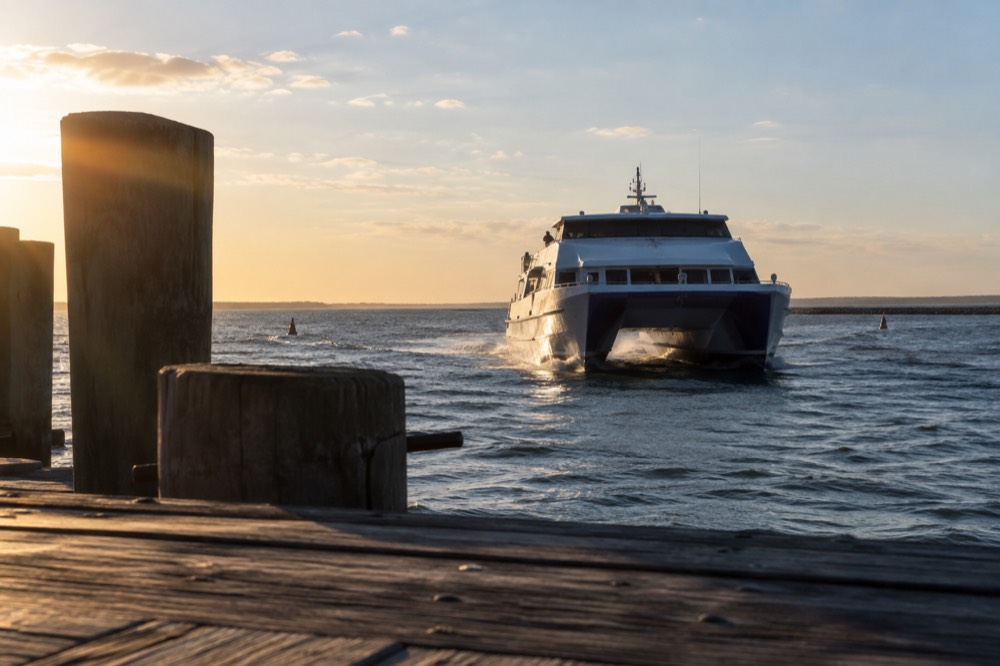
The two realistic options are the seasonal high-speed ferry, which departs from Boston's waterfront and deposits you at Provincetown's own town pier, or driving the length of Cape Cod and parking on the edge of the commercial strip. The ferry wins for a day trip because it removes both the summer traffic on Route 6 and the hunt for parking, but it only runs in the warmer months, while off-season visitors need to compare the actual road, coach or air options.
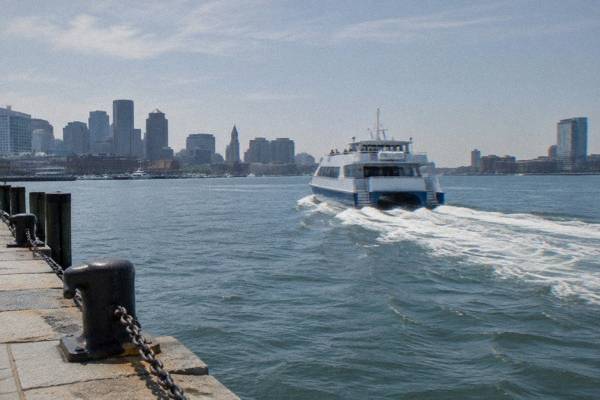
Fast ferries use different Boston terminals: the City Cruises service featured here departs from Long Wharf, while Bay State Cruise Company uses the Seaport. Both reach the central Provincetown waterfront. Confirm the operator, terminal, dated timetable and both directions. Rough weather can delay or cancel crossings; keep a buffer before any separate activity or onward connection.
Further reading: transfer.
Driving is the year-round answer and the summer problem. Route 6 runs the length of the Cape as a two-lane road for most of its run, and on July and August weekends it is the traffic everyone warns you about. The practical advice is simple: leave Boston early, before the morning peak, and expect the drive home on a Sunday evening to be the slowest leg of your day. Provincetown itself is small enough that once you have parked, you never need the car again; the town is genuinely walkable end to end.
A third option people ask about is the bus. Intercity coach services connect Boston to Provincetown with a transfer on the Cape, and their fares should be compared with the ferry, but they sit in the same Route 6 traffic and take the longest of the three. For a one-day round trip, compare actual fares and time ashore before choosing.
| Option | Best for | Time each way | The catch |
|---|---|---|---|
| High-speed ferry | Day trips, May to October | Check the operator's live listing | Seasonal only, weather dependent |
| Drive (Route 6) | Off-season trips, flexibility | Varies heavily with Cape traffic | Summer congestion, town parking |
| Coach bus | Budget travelers | Longest of the three | Same traffic as driving, plus a transfer |
From Logan, the Silver Line SL1 is free leaving the terminals toward South Station. Choose the onward route for your actual ferry terminal: the linked City Cruises service uses Long Wharf, while Bay State uses the Seaport. Allow airport arrival and connection buffers; the ferry is a separate purchase from local MBTA travel.
Before you commit the whole day to the Cape, it is worth knowing what else is on the board. Compare the actual route and included transport before choosing a day trip.
What Should You Do With One Day In Provincetown?
Spend the day on foot along Commercial Street, climb the Pilgrim Monument for the only aerial view of the Cape tip, and put the middle of the day on an excursion, either a whale watch on the water or a dune tour by vehicle. The center is close to MacMillan Pier, but the outer beaches and dunes are not all within a 15-minute walk, so the plan is not about covering distance, it is about choosing which two or three things you actually want to do before the return ferry.
To spend the middle of your day out on the water, book a whale watching cruise here.
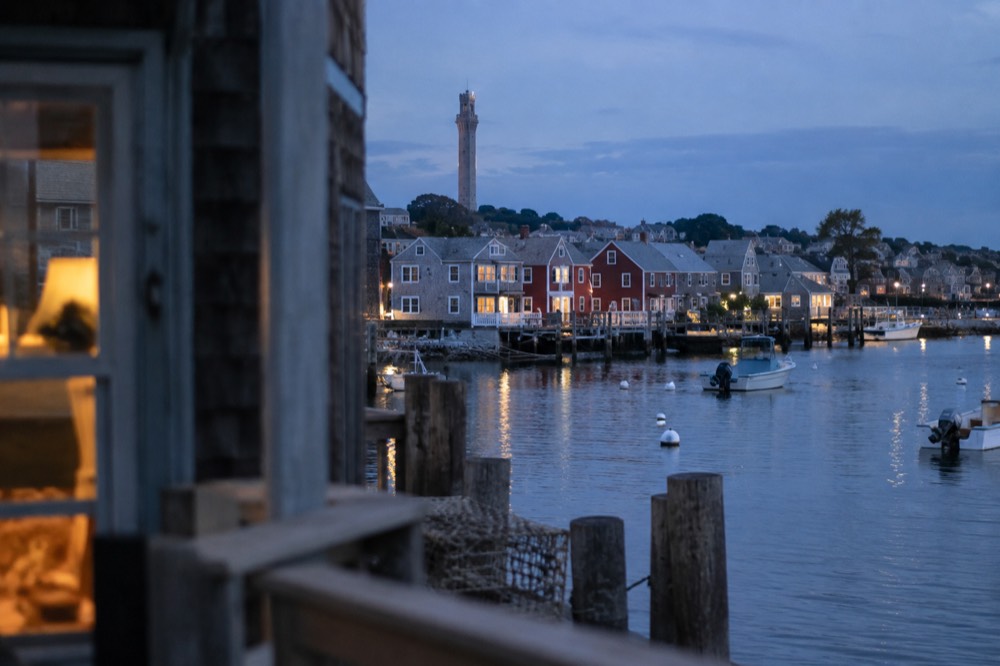
Start at the pier and work east along Commercial Street, the harbor-front strip that is the town's spine. One side is shops, galleries, restaurants and the kind of people-watching that Provincetown is famous for; the other side is the harbor itself, with fishing boats, whale watch vessels and a row of weathered wharf buildings. The street is flat, paved and easy, and it runs roughly a mile and a half from end to end before it becomes quieter residential lanes.

The Pilgrim Monument and Provincetown Museum sit at the top of the hill in the center of town, and the monument is the tallest all-granite structure in the United States. It commemorates the Mayflower's first landing in this harbor and the signing of the Mayflower Compact here, before the Pilgrims moved on to Plymouth. The climb is a long spiral of steps and ramps, and the platform at the top gives the single best orientation view you will get anywhere on the Cape: the whole curled tip of the peninsula, the harbor, the dunes to the west and the open Atlantic beyond. Admission prices are published on the monument's own site, so check there rather than any summary before you go.
Choose the outing that fits your actual ferry window. A whale watch typically needs 3.5–4 hours and can run longer, so allow a generous buffer and reduce other sightseeing. Dune tours have their own durations and meeting points. Harbor beaches are close to town; outer National Seashore beaches need separate travel and may charge seasonal entrance or parking fees.
| Time of day | What to do | Why it works |
|---|---|---|
| Morning arrival | Coffee and a walk east on Commercial Street | Shops open late, streets are quiet |
| Mid-morning | Pilgrim Monument climb and museum | Do the stairs before the heat |
| Midday | Whale watch cruise or dune tour | The two anchor activities |
| Late afternoon | Harbor beach and a long seafood lunch | Everything is walkable back to the pier |
| Before departure | West-end stroll and a final stop at the pier | The ferry docks in the center of town |
One honest planning note: Provincetown is a small town with a very seasonal population, and in the peak weeks of summer the restaurant wait times are real. Book dinner-adjacent meals early or eat at off-peak hours, and if your return ferry is late afternoon, plan to be back near the pier with an hour to spare rather than sprinting the last half mile.
If the logistics of a Cape day feel heavy, a fully guided island trip is the alternative: the Martha's Vineyard day trip runs 12 hours from Boston, is rated 4.5 from 3,302 reviews on its listing, and handles the ferry crossings and transfers for you.
Is Whale Watching From Provincetown Worth It?
Yes, and the reason is geography: Provincetown sits at the mouth of Massachusetts Bay directly beside Stellwagen Bank National Marine Sanctuary, the federally protected feeding ground where humpback, fin and minke whales concentrate in the warmer months, so the run from Provincetown harbor to the whales is among the shortest whale watching routes anywhere on the East Coast. The trade-off is that sightings are wildlife, not a schedule, and rough-sea days can cancel sailings.
The sanctuary itself is the fact worth knowing. Stellwagen Bank is a shallow, nutrient-rich plateau at the mouth of Massachusetts Bay, managed by NOAA as a national marine sanctuary, and it functions as a summer cafeteria for whales that feed there before migrating. Because Provincetown juts out right beside it, whale boats leaving the town reach productive water quickly. The sanctuary's own pages at stellwagen.noaa.gov describe the species and the protections in detail, and they are the authoritative source on what lives there.
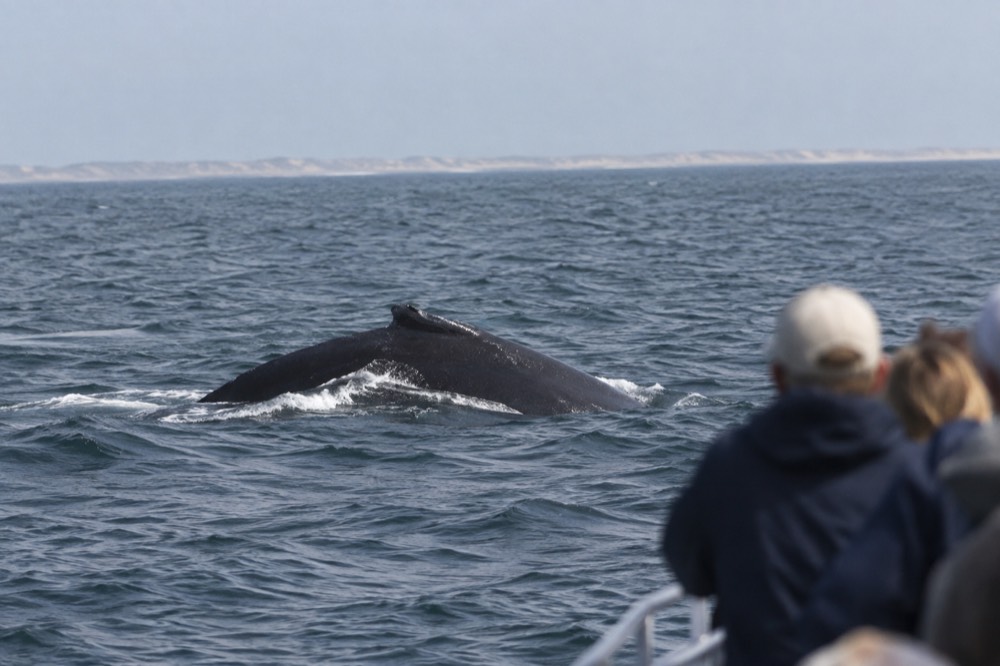
For booking, you have two realistic bases: leave from Provincetown itself on a local operator, or run a whale trip out of Boston or the North Shore instead. The Gloucester whale watching tour, listed from $48 per person and rated 4.8 from 4,723 reviews, spends four hours on the water, and Gloucester sits on the north side of the same sanctuary. From Boston itself, the City Cruises whale watching cruise runs 3.5 hours, is listed from $86 per person and carries a 4.57 rating from 5,293 reviews. Both are bookable through the operator's live listing, and both target the same sanctuary water a Provincetown trip would.
Operators' own pages for the Boston whale watch are the authoritative source for exact sailing dates and current fares, and they change year to year. What is safe to say is that whale activity at Stellwagen Bank is concentrated in the warmer half of the year, which happens to be exactly when the Provincetown ferry runs, but a summer day needs compatible departures, actual durations and a generous return buffer. If the sea state is rough on your day, the ferry and the whale boat are both exposed to it, which is the one real risk in stacking the two.
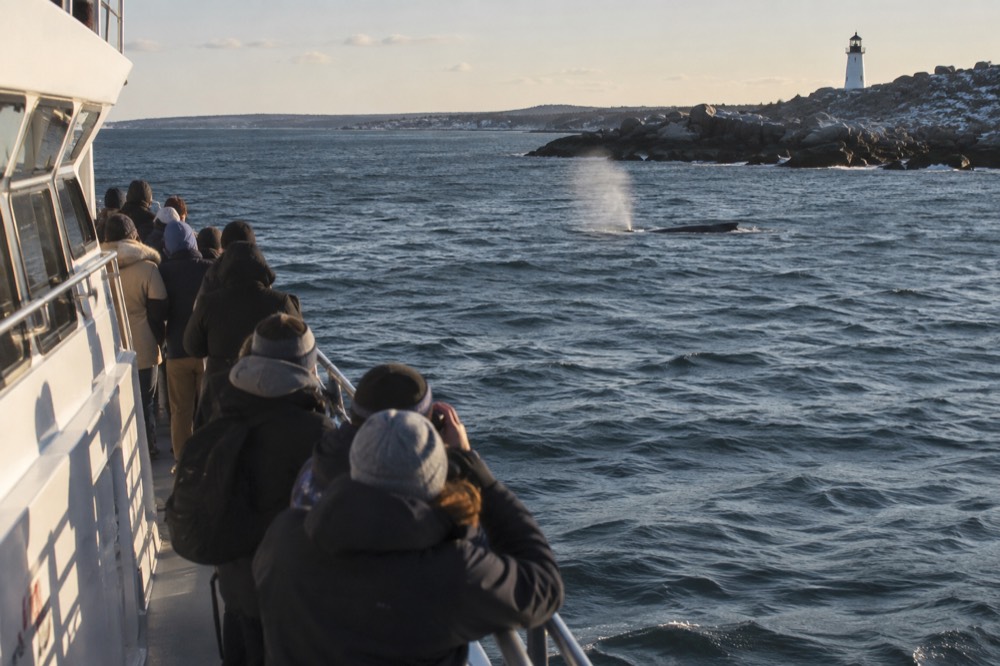
Check the Provincetown whale watch only after the ferry connections fit. It typically lasts 3.5–4 hours from MacMillan Wharf, with no Boston transport. Leave a generous return buffer; sightings and connections are not guaranteed. The listing is non-refundable, and onboard food and drinks are cash only. Check Provincetown whale watch dates and terms
When Is The Best Time To Visit Provincetown?
Visit between June and early October, when the ferry is running, the whale boats are sailing and the town is fully open, with September as the sweet spot for thinner crowds and warm water. October brings the possibility of whale trips against quiet streets, and from November through April the town scales down hard, the fast ferry stops and the trip becomes a long drive to a small, weather-beaten village that some travelers will love precisely because it is empty.
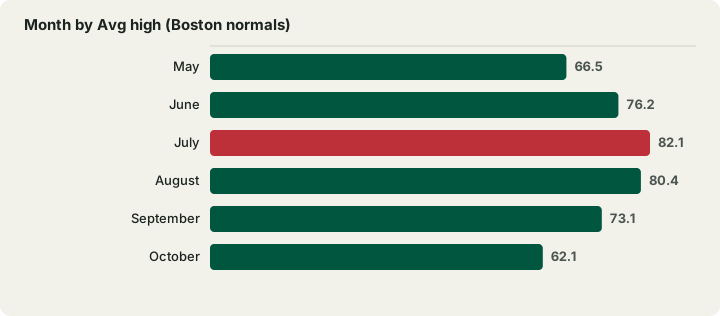
The climate data backs this up. Boston has no wet season and no dry season at all: the NOAA 1991-2020 climate normals for the Boston Logan station show every month of the year sitting between 3.21 and 4.30 inches of precipitation, a spread of barely an inch, so there is no month you are avoiding by scheduling around rain. What actually varies is temperature and, in winter, snow: the normals show 49.2 inches of annual snowfall, with 28.7 inches of it, 58 percent of the year's total, falling in January and February alone. The Cape tip is milder than inland but it is fully exposed to Atlantic weather, and a winter Provincetown day is a storm-watching trip, not a beach trip.
| Month | Avg high (Boston normals) | Avg low | Precip | What it means for the trip |
|---|---|---|---|---|
| May | 66.5 | 50.3 | 3.25 | Ferry season starting, town waking up |
| June | 76.2 | 59.7 | 3.89 | Full season, whale trips at peak |
| July | 82.1 | 66.0 | 3.27 | Warmest month, biggest crowds |
| August | 80.4 | 65.1 | 3.23 | Peak summer, book everything early |
| September | 73.1 | 58.2 | 3.56 | Best balance of warmth and space |
| October | 62.1 | 47.5 | 4.03 | Quieter, cooler, season winding down |
Use the selected Provincetown ferry operator’s own calendar. The Boston Harbor Islands season ending October 12, 2026 does not determine Provincetown service. The Swan Boats operate in the Public Garden lagoon, not Boston Harbor, and are closed until April 2027.
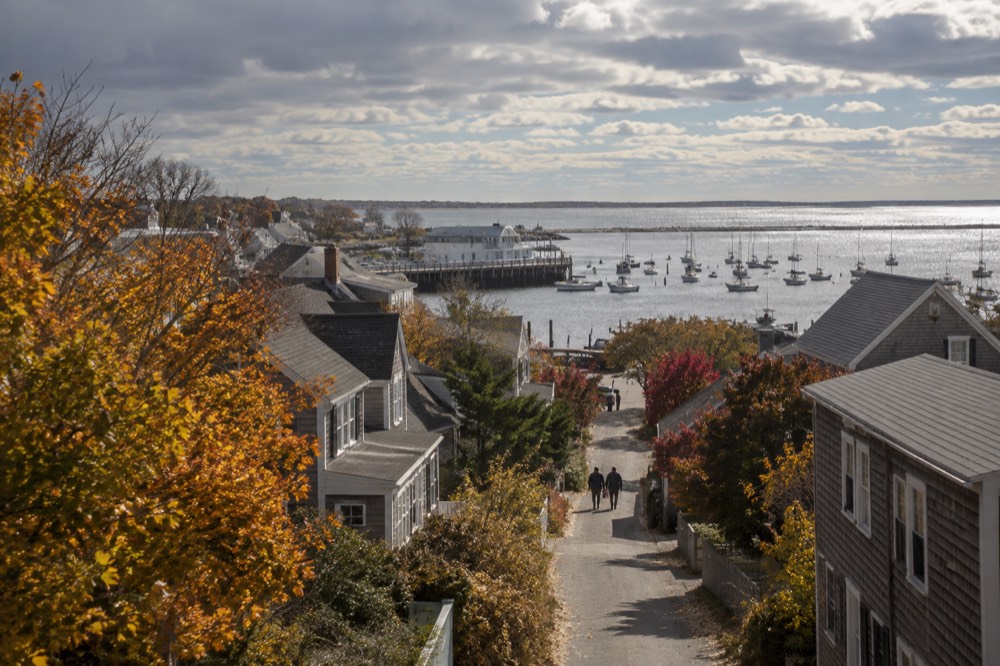
For travelers with more than one day to spend, the Cape tip also slots into a bigger New England loop. The fall foliage day trips run inland to the White Mountains, but late September and early October on the Cape have their own quiet version of the season, with the marshes turning gold while the water is still warm enough to look at longingly.
What Should You Eat In Provincetown?
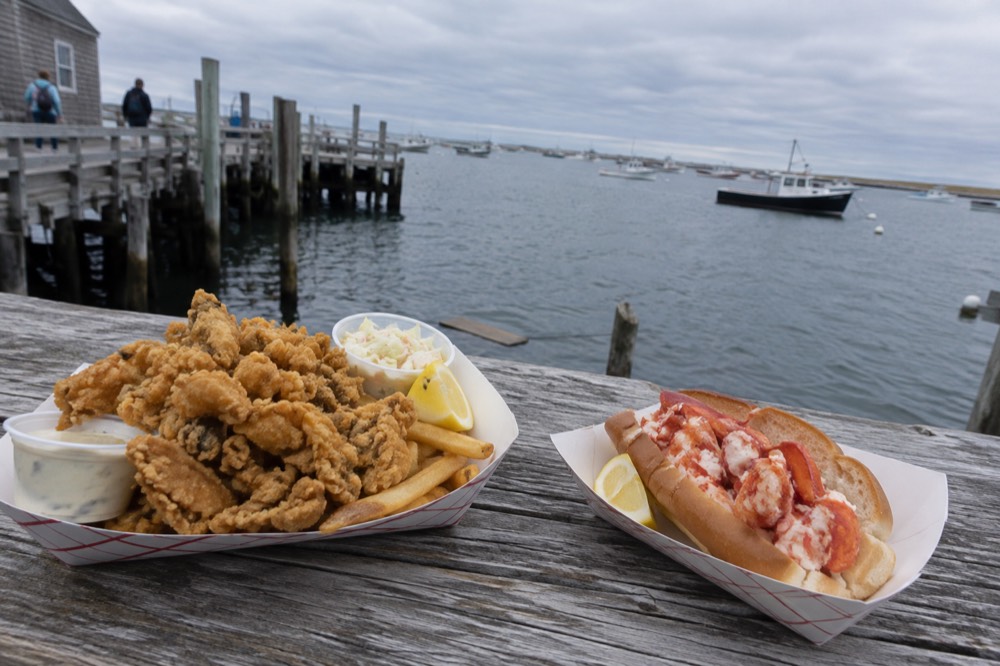
Eat seafood, specifically the shellfish and the simple fried fare the Cape does best, and eat it at the harbor-side shacks and counter spots along Commercial Street rather than committing your only day to one long sit-down dinner. Provincetown's Portuguese fishing heritage shows up in the kitchens, lobster rolls and chowder are everywhere, and the honest advice is to treat lunch as a planned stop rather than an afterthought, because the peak-season waits are real.
The town's food identity comes from its working harbor. Boats still land shellfish nearby, and the strip is lined with places doing lobster rolls, fried clams, chowder and the Portuguese dishes that came with the fishing families who settled the town. Prices on the Cape in summer are what they are: expect resort-town numbers in July and August, and check the actual menu rather than assuming lower September or weekday prices.
The one structural tip that matters on a day trip: anchor your eating to the ferry schedule, not to your appetite. If your return sailing is late afternoon, the last proper meal window is early afternoon, and the walk from the far west end of Commercial Street back to MacMillan Pier is long enough that you should be eating within sight of the pier, not a mile from it. For a deeper dive into the city end of the food question, the best restaurants in Boston roundup covers where to eat before or after a Cape day, and the Boston terminal area has options; confirm whether your operator uses Long Wharf or the Seaport that you will not be stuck.
One more thing worth knowing: Provincetown has a long history as an art colony, dating back to the painters who set up studios here a century ago, and the galleries on the side streets are genuinely good, free to enter and a fine way to spend the last hour before boarding. The town's cultural calendar also runs festivals through the summer and into the fall, and a day trip that lands on one of those weekends gets a livelier town, at the cost of bigger crowds.
What If You Have More Than One Day?
With two or more days, sleep in town once and use Provincetown as a base for the outer Cape, doing the National Seashore beaches, the dune trails and a whale trip on separate days instead of cramming them into one. With a week, the smarter move is to combine the Cape tip with the other islands and coastal towns, but first map the actual ground and ferry connections: these destinations do not form a simple direct ferry loop.
The overnight version of this trip is a different animal. An overnight loosens the same-day deadline, but the return ferry still needs to fit your plans, and the best hours in Provincetown are arguably the early morning and the evening, when the day-trippers are gone and the harbor belongs to the town again. Accommodation in the summer books out far in advance, and the same September shoulder-season logic applies to rooms that applies to restaurant tables.
If you are planning a multi-day Boston stay and want the Cape to be one chapter of it, the 3-day Boston itinerary shows how a day trip slots into a city visit, and the one-day Boston plan is the right read if you only have a single day in the city and need to choose between the Cape and the Freedom Trail. That is a real choice, and the honest answer is that a first-time visitor with one day should usually stay in Boston: the city’s Freedom Trail walk alternatives and harbor attractions are dense enough that leaving for a Cape day costs you more than it gains.
| If you have | Do this | Skip this |
|---|---|---|
| 1 day | Ferry in, Commercial Street, monument, one harbor activity | Driving, second sit-down meal |
| 2 days | Overnight in town, National Seashore on day two | Rushing the return ferry |
| 3+ days | Add the outer Cape beaches and a second whale or dune trip | Moving hotels every night |
| A week | Add another destination after checking its real ground and ferry connections | Backtracking into Boston between stops |
For the guided version of an island day, the Martha's Vineyard trip is the most comparable bookable product to what a Provincetown excursion would be: a full 12-hour day from Boston with the water crossings handled, listed from $129 per person.
If the Cape tip leaves too little time, compare a closer destination such as Salem or an in-city day. Travel time depends on the chosen mode; Provincetown’s fast ferry can be quicker than driving to more nearby towns. Salem’s witch-trial and maritime story differs from Boston’s Revolutionary Freedom Trail.
Want an evening in town and a less compressed sightseeing day? Compare Pilgrim House at 336 Commercial Street, near the pier. Check your actual room, party capacity, access needs and full stay total. Limited parking needs a separate advance arrangement; ferry travel and activities are extra. Check Pilgrim House rooms and stay totals
Common Questions About A Provincetown Day Trip From Boston
can you do provincetown as a day trip from boston?
Yes, when the dated outward and return ferries leave enough time ashore. The seasonal high-speed ferry makes it practical because the crossing lands you at MacMillan Pier in the center of town, and the whole day can be spent on foot. Driving works year-round but means Cape traffic in summer and a long return leg at night.
how long is the ferry from boston to provincetown?
Sailing times and schedules are published by each ferry operator and vary by vessel and season, so check the operator's live listing for the current crossing time rather than a summary. The crossing is a genuine sea passage across Massachusetts Bay, so rough weather can extend or cancel sailings.
do you need a car in provincetown?
No. The town is compact and walkable end to end, the ferry docks in the middle of Commercial Street, and parking in summer is scarce. A car is only useful for reaching the outer National Seashore beaches on your own schedule, and even those are served by local shuttle options in season.
what is the best month to visit provincetown?
September is the sweet spot for most travelers: the ferry and whale boats are still running, the water is at its warmest, and the August crowds have thinned. June and early October are also good. From November through April the fast ferry stops, the town scales down and the trip becomes a long drive to a quiet, weather-exposed village.
is provincetown worth visiting versus martha's vineyard?
They are different trips. Provincetown is a single compact town with dunes, whales and a harbor strip, with a walkable center near the pier and separate travel to outer dunes and beaches. Martha's Vineyard is a larger island with multiple towns that requires more logistics, which is why the guided 12-hour day trip from Boston exists. If you want one intense walkable day, Provincetown; if you want a broader island sampler, the Vineyard.
can you see whales from provincetown?
Not reliably from shore. The whale watching trips run out of the harbor to Stellwagen Bank National Marine Sanctuary, the feeding ground at the mouth of Massachusetts Bay, and the proximity of the sanctuary is exactly why Provincetown-based whale trips have a short run to productive water. Book through the operator's live listing and check the sailing calendar before building your day around it.
Settle Both Ferry Legs Before Booking Provincetown Activities
These options do not match your choice. Adjust the selection or reset to explore the starting recommendation.
Compare Your Provincetown Travel And Activity Totals
Reader-entered estimates in USD, not live quotes. Use the same dates and travelers for both options. Include all relevant tickets, rooms, taxes, mandatory fees and transport for the entire trip once in each total. Do not add a transfer twice if your rate already includes it.
Boston–Provincetown Fast Ferry
A roughly 90-minute one-way passenger crossing between Boston and Provincetown. Select the correct direction; a round trip needs two one-way tickets. Check seasonal departures and the return before booking; boarding starts 30 minutes before departure and infants need tickets.
A starting option to explore. Choose dates, travelers and the exact booking option with the provider; availability and eligibility are confirmed there.
Check Provincetown ferry directions and dates