How Many Days Do You Need In Boston
Boston is small in mileage and dense in stops, which is why the "how many days in boston" question produces so many wrong answers. The Freedom Trail Foundation describes its route as 2.5 miles linking 16 sites spanning more than 250 years of history, and most of that sits inside a walkable downtown that also has to share space with two major museums, a waterfront, and a harbor full of islands. Trip length in this city is not about distance. It is about how many of those layers you refuse to skip. This Boston Travel Guide page works the question from the hours up rather than the attractions down.
Short answer
Three days is the answer for most travelers: one day for the Freedom Trail and downtown, one for the waterfront, North End and a harbor cruise, and one for Cambridge plus a museum. The Freedom Trail Foundation's route alone covers 2.5 miles and 16 sites, with free public walking and separately ticketed interiors, so the constraint is hours on your feet, not money. Two days works if you skip a museum. Four or five adds day trips.
Boston is small in mileage and dense in stops, which is why the "how many days in boston" question produces so many wrong answers. The Freedom Trail Foundation describes its route as 2.5 miles linking 16 sites spanning more than 250 years of history, and most of that sits inside a walkable downtown that also has to share space with two major museums, a waterfront, and a harbor full of islands. Trip length in this city is not about distance. It is about how many of those layers you refuse to skip. This Boston Travel Guide page works the question from the hours up rather than the attractions down.
Explore the roughly two-and-a-half-hour downtown-to-North-End walk for a guided part of your first day. It does not include Charlestown or paid interiors. Switch below for Cambridge, a four-attraction pass, a Salem ferry leg, a short overview or stay comparisons; each is a separate purchase. Check Freedom Trail walk dates
The short version, before the detail: three days is the sweet spot. Two days sees the core at a fast pace. Four or five opens up Cambridge properly and the day trips. One day can still be a worthwhile focused visit with fewer stops.
How Many Days Do You Need In Boston?
Three days is the answer for most travelers: one day for the Freedom Trail and downtown, one for the waterfront, North End and a harbor cruise, and one for Cambridge plus a museum. The Freedom Trail Foundation's route alone covers 2.5 miles and 16 sites, with free public walking and separately ticketed interiors, so the constraint is hours on your feet, not money. Two days works if you skip a museum. Four or five adds day trips.
The reason Boston rewards a third day more than most American cities is concentration. The National Park Service's Boston National Historical Park hours and fees page shows that the paid downtown sites cluster within a 15-minute walk of each other, while the free heavyweights, Faneuil Hall, USS Constitution and Bunker Hill, sit at opposite ends of the same red line. A visitor can physically walk the trail in half a day. Doing it while also absorbing the North End, the harbor, and Harvard Square across the river is a different calculation.
Lodging and meals usually rise with each additional day. The MBTA fare table lists a $22.50 seven-day pass versus an $11 day pass, but compare the paid journeys you will actually make. Regional rail, commercial ferries and day tours may cost extra.
If you want the full rundown of what fills those days, start with the site's complete Boston attractions list and work backward to the number of days you have.
What Can You Realistically See In Two Days In Boston?
Two days covers downtown Boston's core: the full Freedom Trail, Faneuil Hall and Quincy Market, the North End, Boston Common and the Public Garden, the waterfront, and one harbor cruise, plus either the Museum of Science or the New England Aquarium. What two days cannot absorb is Cambridge done properly, the Harbor Islands, and any day trip. It is a tight but genuinely satisfying pace.
Day one can follow the public Freedom Trail, allowing extra time for interiors and Charlestown. Old State House and Old South share a combined ticket; Paul Revere House, Old North and King’s Chapel church have separate admission. The roughly two-and-a-half-hour small-group guided walk ends in the North End, so it does not complete the full trail.
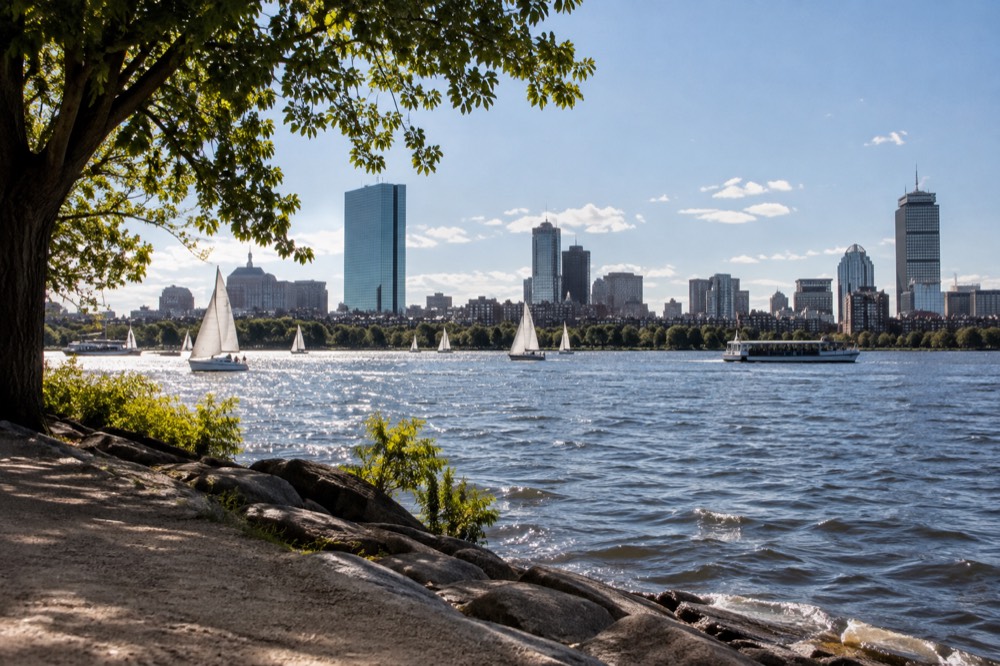
Day two is the waterfront and the North End: the harbor from the water, cannoli on Hanover Street, and one big museum. A narrated harbor cruise gives you the skyline in an hour. If you are traveling with children, the Boston with kids planning guide explains which of the two big science attractions suits which age group.
The two-day plan is a real plan, not a compromise, and plenty of visitors swear by it. The site's two-day itinerary answer breaks the hours down block by block. The one thing a two-day visitor should not attempt is a day trip: Salem alone eats half a day once travel time is counted.
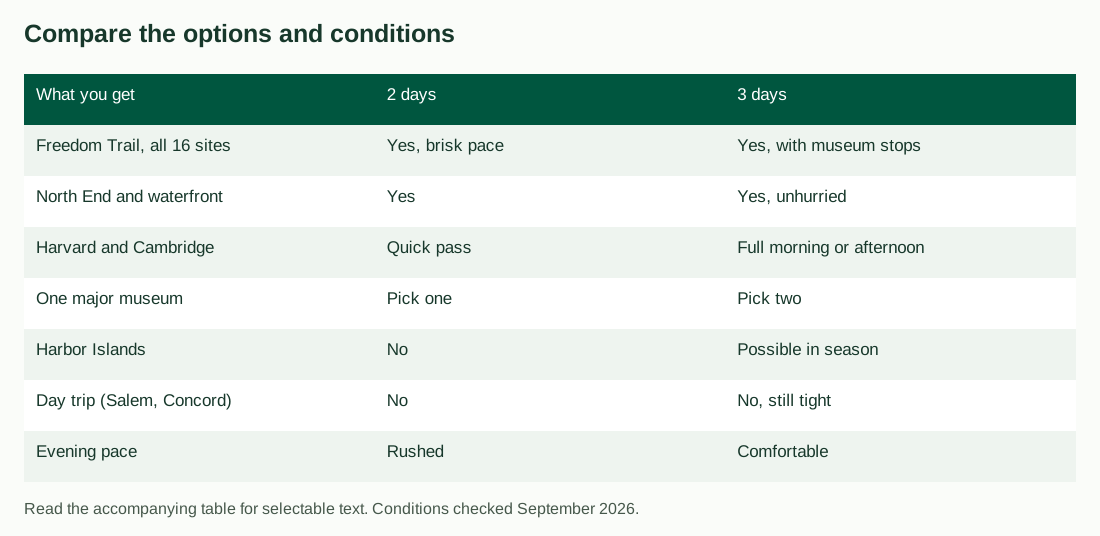
Two-Day Versus Three-Day Boston Trip
| What you get | 2 days | 3 days |
|---|---|---|
| Freedom Trail, all 16 sites | Yes, brisk pace | Yes, with museum stops |
| North End and waterfront | Yes | Yes, unhurried |
| Harvard and Cambridge | Quick pass | Full morning or afternoon |
| One major museum | Pick one | Pick two |
| Harbor Islands | No | Possible in season |
| Day trip (Salem, Concord) | No | No, still tight |
| Evening pace | Rushed | Comfortable |
Is Three Days The Sweet Spot For A Boston Trip?
Three days is the length most itineraries should target, because it splits cleanly: day one the Freedom Trail and downtown, day two the waterfront, North End and a cruise, day three Cambridge and a museum or the Harbor Islands. The MBTA’s $22.50 seven-day pass covers eligible subway and bus journeys, not every regional or commercial boat trip, and you can choose a less rushed mix of stops. Most three-day visitors leave without feeling shortchanged.
A third day allows more flexibility. Cambridge is a separate city, with Harvard Square and museums that can fill much of a day. A commercial campus walk offers an introduction; Harvard also offers free registered historical tours and a free self-guided app. Check current campus access and museum hours.
The full three-day plan, with hours and a map order, is laid out in the site's three-day Boston itinerary, and the question format is answered directly in what to do in Boston in 3 days.
Budget for the interiors you actually want, using current operator prices and eligibility. A public route stop and admission to its building are different things:
| Interior | Admission basis | Planning note |
|---|---|---|
| Old State / Old South | Combined adult $18 at check | One ticket covers both |
| Paul Revere House | Adult $6; ages 5–17 $1 at check | Year-round seasonal hours |
| Old North | Discovery/bell formats differ | Bell tour uses stairs |
| King’s Chapel church | Separate ticket | Distinct from free burying ground |
The public walking route is free. Free ship and monument visits still depend on opening hours, security and capacity. An extra day can spread the walking and visits out, but adds lodging and meal costs.
What Does A Fourth Or Fifth Day In Boston Add?
A fourth day adds Cambridge without rushing plus one big museum, and a fifth day adds a full day trip: Salem, Concord and Lexington, Plymouth, or the fall foliage of the New Hampshire White Mountains. An already-active seven-day MBTA pass can cover eligible subway and bus journeys on day five, but regional rail, commercial ferries and day tours are separate expenses. Four or five days is when Boston stops being a city break and becomes a region.
A fourth day can make a multi-attraction pass easier to use, but time alone does not guarantee savings. CityPASS covers any four of seven participating attractions and is valid for nine days from the first use or reservation. Compare actual individual prices, free/discount eligibility and reservation requirements. The pass comparison, four-day plan and five-day plan explain alternatives.
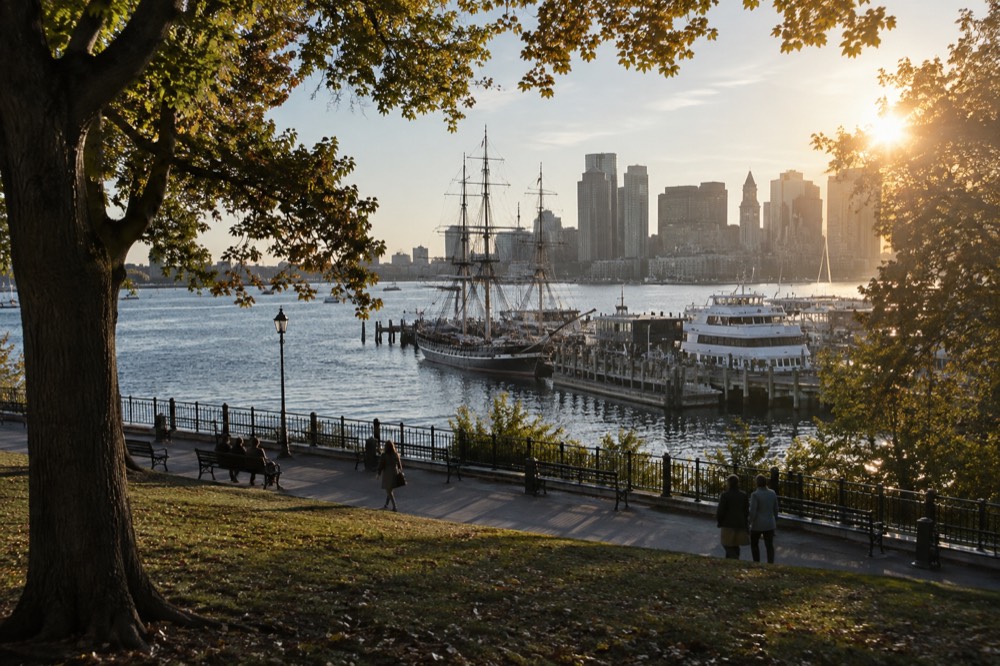
The fifth day belongs out of town. The roster's day trips show the realistic time costs: the Salem History and Hauntings walk is a 2-hour tour once you are there, the Salem high-speed ferry is 50 minutes each way, the Plymouth trip with Plimoth Patuxet and Mayflower II runs 11 hours, and the White Mountains foliage trip is a 12-hour day. Pick one, not two.
Want four participating attractions spread across several days? Compare CityPASS with your actual individual tickets, including any free or discounted entry. It offers four of seven choices; reservations count toward its nine-day validity window. Compare Boston CityPASS options
What Each Day Trip Costs in Time
| Day trip from Boston | Total time | What it includes |
|---|---|---|
| Salem, ferry plus ghost or history walk | About 6 hours | 50-minute ferry each way, 2-hour guided walk |
| Martha's Vineyard | 12 hours | Island time plus optional island tour |
| Plymouth and Plimoth Patuxet | About 11 hours | Selected itinerary, Mayflower II and Plimoth sites |
| White Mountains foliage | About 12 hours | Seasonal route; foliage color is not guaranteed |
| Newport mansions | About 11 hours | Breakers and second mansion per current itinerary |
Check both directions of the seasonal Salem ferry before reserving a walk in Salem. The crossing is about fifty minutes, but this listing sells one way. Allow check-in, onward walking and a return buffer. Commuter rail is a separate alternative. Check Salem ferry directions and dates
Can You See Boston In One Day?
One day in Boston is a highlights reel: the Freedom Trail's downtown half, Faneuil Hall, the North End for lunch, Boston Common, and a one-hour harbor cruise. The National Park Service's fee page shows the trail's free sites carry the day, since USS Constitution and Bunker Hill cost nothing. But one day means skipping Cambridge, every major museum, and the islands, so treat it as a layover format, not a recommendation.
The one-day version works best as a loop. Start at Boston Common, follow the red line through downtown, cross the bridge to Charlestown for USS Constitution, and take the ferry or the MBTA back. The full walking plan lives in the site's one-day Boston itinerary, and the layover itinerary is the tighter version for anyone trapped between flights at Logan.

For a one-day or two-day visitor, a guided overview tour compresses the city efficiently. The Boston Duck Boat Sightseeing City Tour with Cruise covers the streets by land and the Charles River by water in 1 hour 20 minutes, with a selected departure location and date. The site's duck tours guide explains the single operator’s three boarding locations.
How Much Time Should You Budget For The Freedom Trail?
Allow at least a substantial half day for the complete public trail, and longer for interiors, security queues, meals and Charlestown. The roughly two-and-a-half-hour downtown-to-North-End tour and the four-hour Charlestown-inclusive tour cover different routes. The longer product is for ages twelve and over with suitable walking fitness and does not guarantee ship entry or a monument climb.
The Freedom Trail Foundation's own visit page describes the route as covering over 250 years of history across its 16 sites, and the geography is the thing: the downtown cluster, the North End cluster, and the Charlestown cluster are each walkable internally but separated by real distance across the water. First-time visitors consistently underestimate the Charlestown leg. The site's Freedom Trail tours guide ranks the guided options by length and price.
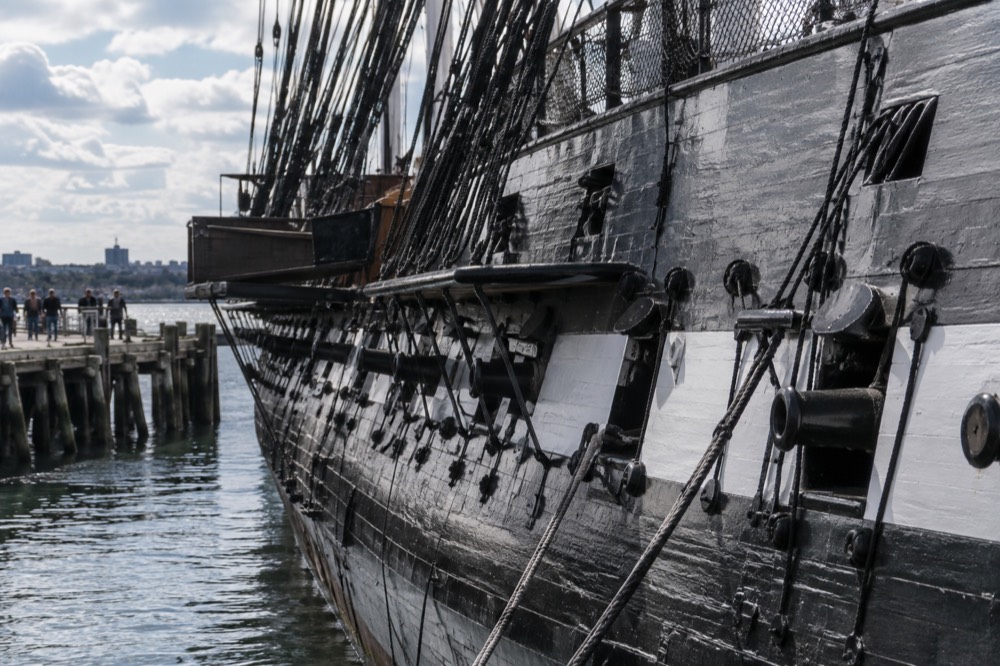
Paul Revere House is open year-round with shorter winter hours and winter Monday/holiday closures; April 15–October 31 is its longer-hours period. Harbor Islands schedules vary by island and date before the October 12 season end. Swan Boats have finished their 2026 season. Check each operator rather than assuming every boat shuts in winter.
How Do Transit And Where You Stay Change The Day Math?
Choose a hotel near the lines and stops your itinerary uses. Back Bay has Orange and nearby Green stations; waterfront access varies by address, and the Seaport often uses Silver Line or walking. Outer neighborhoods do not always require a transfer. Count actual paid fares: a $22.50 seven-day pass saves against ten $2.40 subway fares, rather than becoming automatically worthwhile on day three.
Ready to settle on a base near the stops your plan uses? Book a hotel room here.
The fare mechanics have a quirk worth knowing before you buy. The MBTA's fare pages state that a 1-Day or 7-Day pass on a CharlieTicket starts at the date and time of purchase, while the same pass on a CharlieCard starts at first use. A visitor who buys on arrival evening and starts sightseeing the next morning loses most of a day on the wrong medium. Contactless Tap to Ride with a card or phone is live on bus, subway and ferry, per the MBTA's own Tap to Ride page.
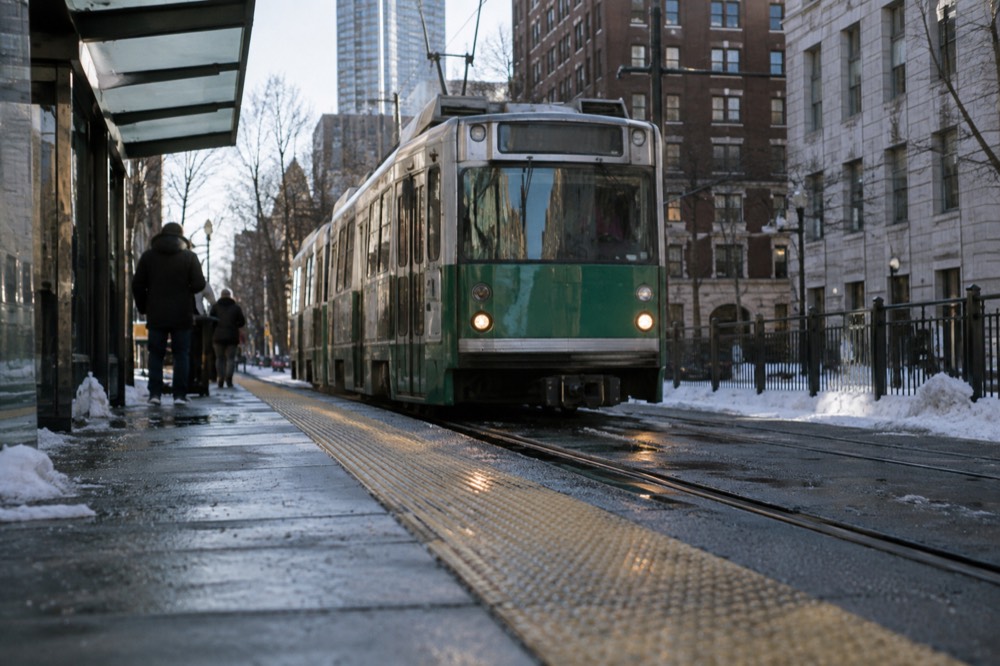
The airport-arrival transit leg can be free. Massport states that the Silver Line SL1 provides free service between South Station and all airport terminals from the terminal curb, so the ride leaving Logan costs nothing and connects to the whole subway network. The Logan to downtown guide covers every option, and the getting-around guide on this site handles the rest of the week.
Compare Boston stays for your complete date range before adding a fourth or fifth night. Check the specific address, room capacity, taxes and cancellation terms. This opens a city search, not a guaranteed central room or cheapest rate. Compare Boston stays
MBTA Fares That Matter to a Visitor
| Fare or pass | Price | What it covers |
|---|---|---|
| Subway one-way | $2.40 | Red, Orange, Green, Blue, Mattapan Trolley, SL1-SL3 |
| Local bus one-way | $1.70 | All local bus routes |
| 1-Day pass | $11.00 | 24 hours from start |
| 7-Day pass | $22.50 | 7 days from start |
| Silver Line SL1 from Logan | Free | Terminal curb to South Station, outbound only |
The where-to-stay guide compares bases. Central Boston can reduce some journeys; Cambridge can suit a Harvard-focused visit and still has rail access to downtown evenings. Compare the specific hotel’s location and total stay quote instead of assuming one neighborhood always saves an hour.
Should You Plan Boston Days Around The Season?
Yes, because the water layer of the city has a season and the land layer does not. The Harbor Islands ferry runs only to October 12 in 2026, the Swan Boats are closed until April 2027, and whale watching heads to Stellwagen Bank National Marine Sanctuary in the warmer months. NOAA's normals show the real constraint is not rain, every month averages 3.21 to 4.30 inches, but winter: 49.2 inches of snow a year, 58 percent of it in January and February.
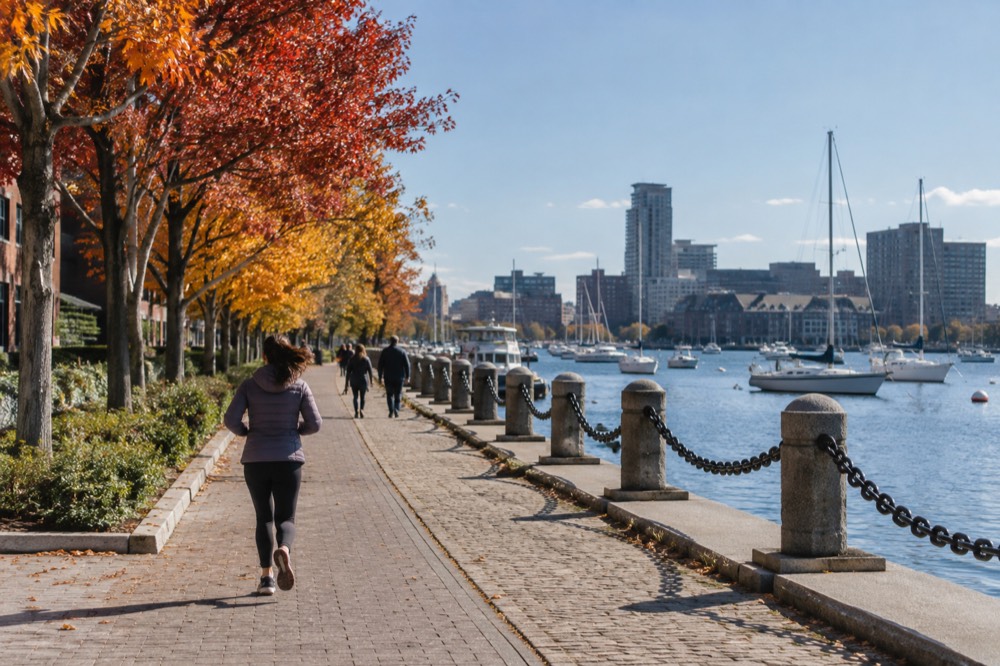
A three-day summer plan and a three-day January plan are different documents. The warm-weather version puts a harbor cruise, the islands, and the Esplanade into days two and three. The cold-weather version swaps them for the Museum of Fine Arts, the Isabella Stewart Gardner, and the indoor Freedom Trail sites. The site's best-time-to-visit and weather-by-month guides cover the trade-offs in detail.
One seasonal trap worth naming: do not plan around "Free Fun Fridays." That program no longer exists. The Highland Street Foundation replaced it with August Adventures, a month of free admission days across Massachusetts venues, usually with advance registration or first-come entry. Most older guides still recommend the dead program.
Check museum-specific terms. Some MFA Open House offers require Massachusetts residency; other programs have different eligibility. Harvard Art Museums is free, ICA and Gardner have reserved free Thursday evenings, and MFA Third Thursdays have a $5 minimum. Age and benefit-card programs also apply under their own rules. A Thursday visit can change your actual admission budget.
Common Questions About How Many Days To Spend In Boston
how many days in boston
Three days is the answer for most travelers. Two covers the Freedom Trail, the North End, the waterfront and one museum at a fast pace. Three adds Cambridge and a second museum or the Harbor Islands. Four or five adds day trips to Salem, Plymouth or the White Mountains.
Is 2 days in Boston enough?
Yes, for the downtown core. Two days covers the full Freedom Trail, Faneuil Hall, the North End, Boston Common and a harbor cruise, plus one major museum. What you give up is Cambridge done properly, the Harbor Islands, and every day trip. The site's two-day plan shows the hour-by-hour version.
Is 3 days in Boston too much?
No. Three days is the comfortable pace, not a padded one. Day one is the Freedom Trail, day two the waterfront and North End, day three Cambridge plus a museum. The MBTA's $22.50 7-Day pass covers all three days, and you still need to prioritize the stops that matter to you.
Can you walk the Freedom Trail in one day?
Yes, comfortably. The trail is 2.5 miles with 16 sites, and the public walking route is free, while several interiors charge. Budget three to four hours with stops, longer if you add the Bell Chamber tour at Old North Church or linger at USS Constitution in Charlestown.
How many days do you need for Boston and Salem?
Four. Three days for Boston itself, then one full day for Salem: the high-speed ferry is 50 minutes each way and the guided history and hauntings walk runs 2 hours, so Salem is a half-day to a full day once travel is counted. Do not try to fold it into a two-day Boston trip.
What is the best number of days in Boston for a first visit?
Three for a city-only trip, four if you want one day trip. First-time visitors lose the most time to the Freedom Trail's Charlestown leg and to Cambridge across the river, and three days is the shortest length that absorbs both without rushing. The site's first-time visitor guide builds the same plan in detail.
Fit The Booking To Your Available Days
These options do not match your choice. Adjust the selection or reset to explore the starting recommendation.
Compare Your Selected Activities And Stay Party Totals
Reader-entered estimates in USD, not live quotes. Use the same dates and travelers for both options. Include all relevant tickets, rooms, taxes, mandatory fees and transport for the entire trip once in each total. Do not add a transfer twice if your rate already includes it.
Freedom Trail Small-Group Walk
A guided walk exploring the Revolutionary history along the Freedom Trail. The trail can also be walked independently. Review the meeting point and route before booking.
A starting option to explore. Choose dates, travelers and the exact booking option with the provider; availability and eligibility are confirmed there.
Check Freedom Trail walk dates